






Walnut Veneer Frame
A walnut veneer frame brings warmth and rich grain to walls and furniture, spanning centuries of cabinet-making skill.
Walnut Veneer Frame
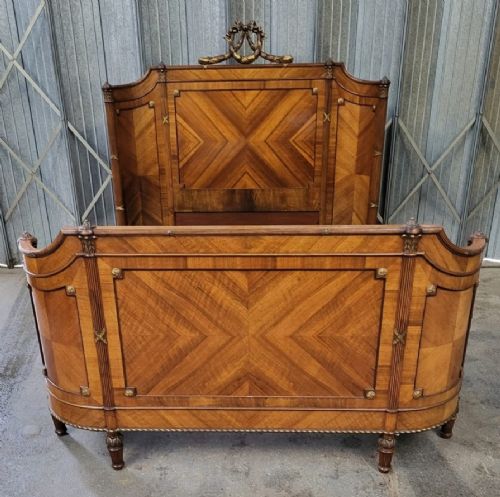
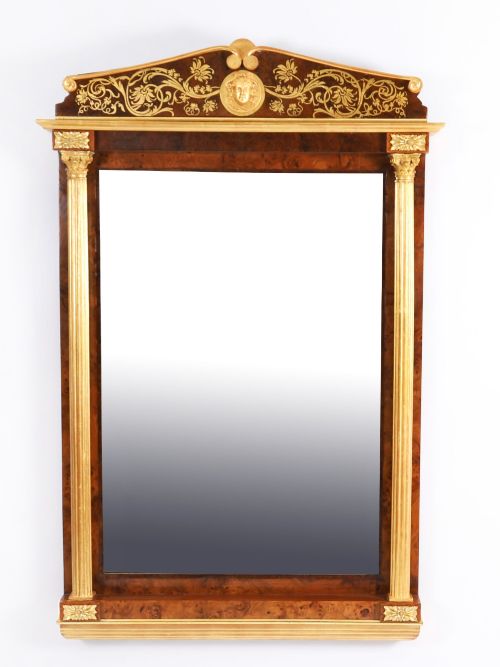
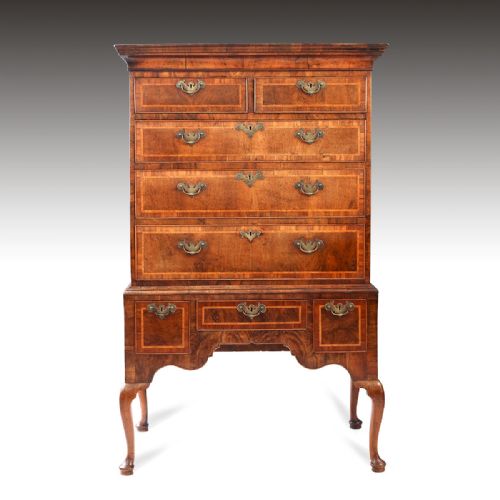
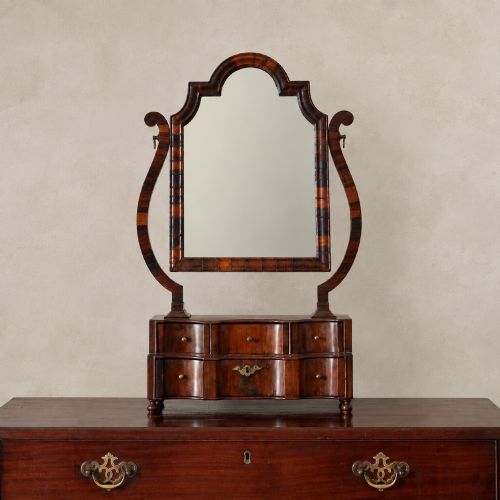
A walnut veneer frame sits around mirrors, beds, and cabinet pieces, showcasing the natural patterns of the wood across different eras. When searching for a walnut veneer frame, buyers encounter diverse forms ranging from 17th-century chests on stands to 1930s Art Deco bedroom suites.
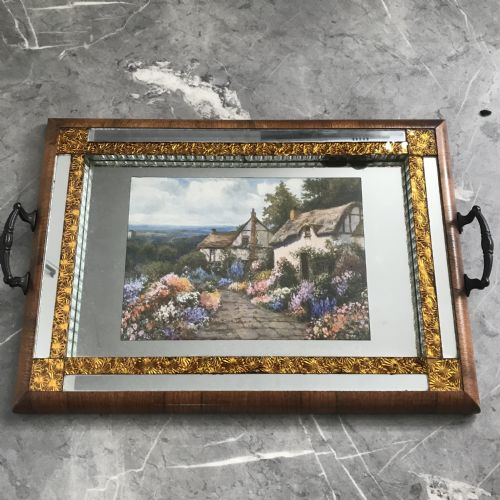
The selection on this page draws heavily from the 1930s Art Deco period, featuring curvaceous and figured walnut double beds alongside mirrored glass trays. Earlier examples stretch back through the Victorian era and 18th century, including Queen Anne toilet mirrors and French parcel gilt wall mirrors.
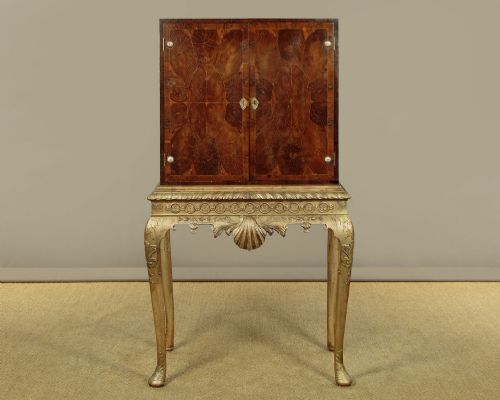
Beyond bedroom furniture and mirrors, the form extends to cabinets on stands and decorative trays. These pieces utilise distinctive timber layers to create visual depth on flat surfaces and structural surrounds.
What varies in quality
The sophistication of the timber selection dictates much of the visual standard, with highly figured burr walnut and balanced quarter veneering marking superior examples. The alignment of the grain across complex curves and corners demonstrates the cabinet-maker's precision.
The integrity of the underlying structure and the preservation of the original surface finish determine the lasting value of each piece. Finer items retain their original brass hardware, glass plates, and gilding without heavy restoration masking the age of the materials.
Walnut Veneer Frame Retail Price Guide 2026
Typical asking prices for walnut veneer frame among the pieces listed under this phrase on Sellingantiques today, from the lower quarter to the upper quarter. They describe what is for sale here now, not the wider market.
Materials paired with walnut veneer include laburnum, satinwood, brass, silver gilt, and mirrored glass.
The Walnut Veneer Frame Glossary
- Walnut veneer
- Thin sheets of walnut timber applied to a base wood surface to display decorative grain patterns. This technique allows makers to utilise striking patterns without relying entirely on solid timber.
- Burr walnut
- A growth deformity in the tree that produces intricate, swirling patterns when sliced into veneer. Cabinet-makers prize this material for its dense and complex visual texture.
- Quarter veneering
- The practice of slicing timber and arranging four matching pieces symmetrically to create a mirrored pattern. This geometric layout is common on grander cabinet doors and bed panels.
- Marquetry
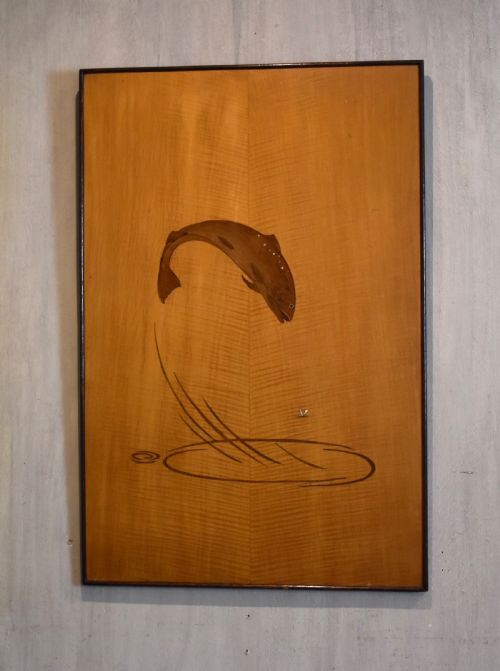
- The art of forming decorative pictures or patterns using fitted pieces of various wood veneers. Pickets and panels display detailed imagery such as animals or floral motifs through this method.
Walnut Veneer Frame: Frequently Asked Questions
How do I clean walnut veneer?
Dust the surface regularly with a soft, dry cloth to prevent dirt accumulation. Avoid harsh chemical cleaners and excessive moisture, which can lift the delicate veneer from its base.
Apply a quality beeswax periodically to nourish the wood and maintain its natural sheen. Buff gently along the direction of the grain.
Are Art Deco beds standard sizes?
Art Deco double beds and single beds often measure differently from modern standard mattress sizes. They frequently reflect historical dimensions that require careful checking before purchasing replacement bedding.
Consult the specific measurements listed for each bedstead to ensure compatibility with modern mattresses. Custom mattress makers can also accommodate unusual historical frame proportions.
What is a chest on stand?
A chest on stand combines an upper chest of drawers with a separate lower support structure featuring legs. This form elevates storage off the floor and lightens the visual weight of the furniture.
Originating in earlier centuries, these pieces often feature elaborate veneering and matching mirror surrounds. The base typically includes cabriole or turned supports joined by stretchers.
How do I date a walnut frame?
Examine the construction methods, secondary woods, and hardware styles to determine the likely period of manufacture. 17th and 18th-century pieces often display hand-cut joinery and dense carcase timbers, whereas 1930s items favour streamlined curves and figured veneers.
Stylistic cues such as Art Deco geometry or Queen Anne cabriole influences point directly to specific design movements. Compare the veneer patterning and finishing techniques against known historical examples.