

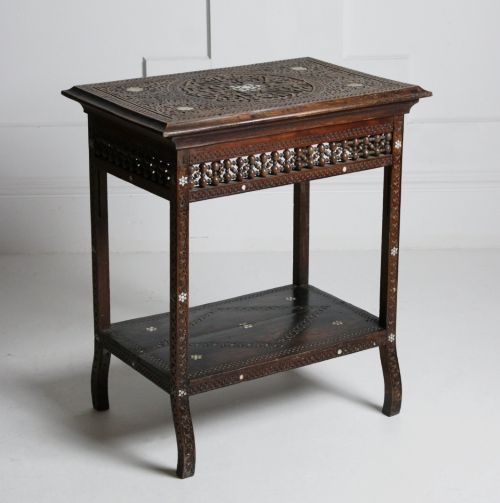
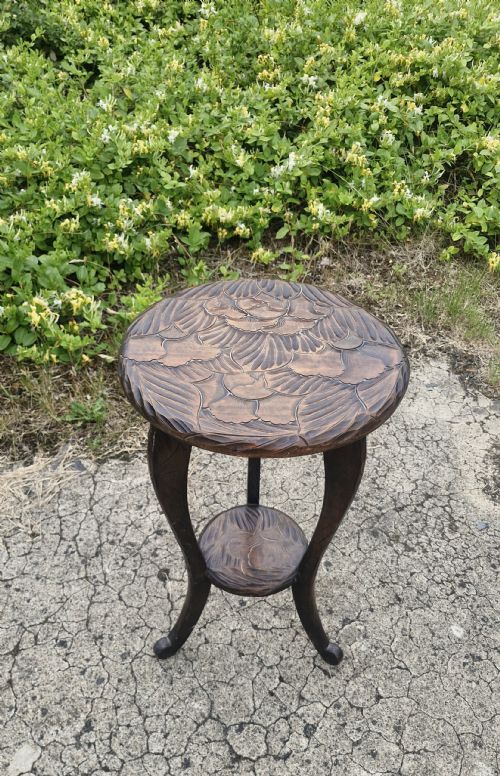


Walnut Two Tier Stand
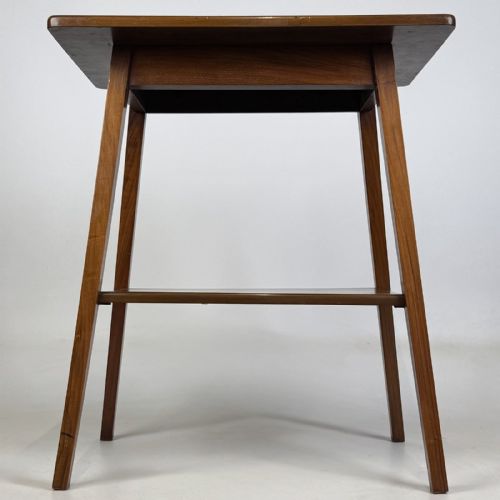
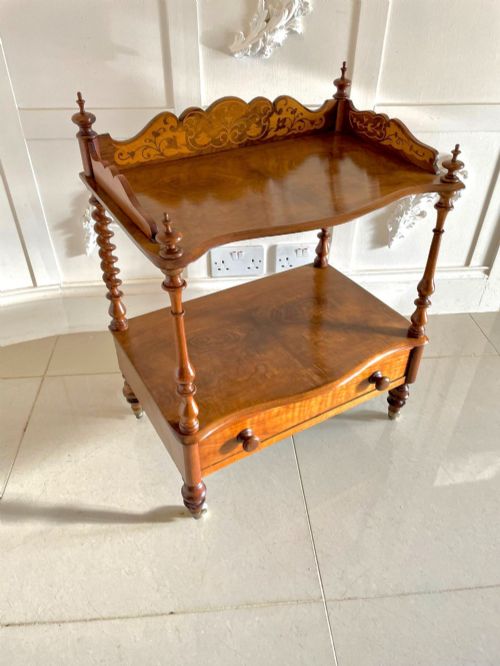
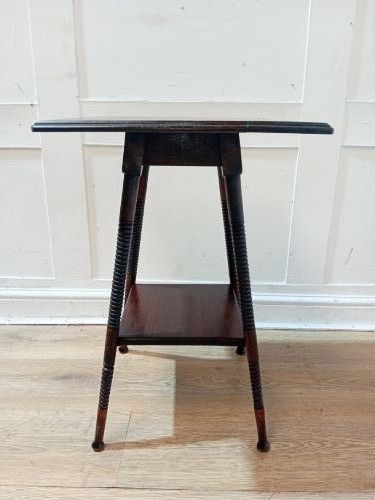
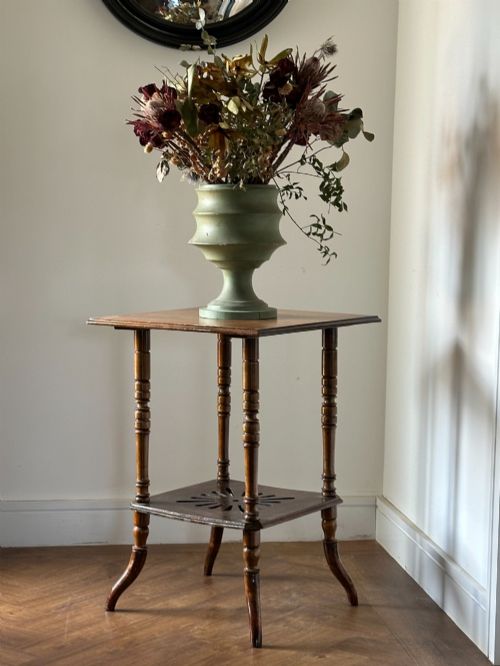
These walnut two tier stand examples are dual-level tables designed for display and utility, offering practical surface space with distinct period character.
Walnut Two Tier Stand
A walnut two tier stand functions primarily as an occasional table, side table, or etagere, utilising two levels to maximise display space in compact footprints. The pieces range from straightforward Victorian and Edwardian occasional tables to more elaborate Arts and Crafts and Syrian or Moorish revival designs.
Buyers frequently encounter these in Victorian and Edwardian iterations, often taking the form of tiered tables or small plant stands. Occasional tables and etageres dominate the selection, bringing warmth and varied surface levels to domestic interiors.
How They Were Made
Cabinetmakers utilised walnut and burr walnut as the primary timber, occasionally combining it with ebonised wood, mahogany, or oak to create visual contrast. Inlays of various decorative woods, along with brass and ormolu accents, appear across many of the pieces.
Construction techniques include parquetry and floral marquetry, where fine veneers are arranged to form intricate surface patterns on the tiers. Turned or carved supports connect the upper and lower platforms, frequently finished with galleried edges or brass details.
Walnut Two Tier Stand Retail Price Guide 2026
Typical asking prices for walnut two tier stand among the pieces listed under this phrase on Sellingantiques today, from the lower quarter to the upper quarter. They describe what is for sale here now, not the wider market.
Listings feature walnut alongside ebonised wood, mahogany, and oak across the nineteenth and twentieth centuries.
What Varies in Quality
The refinement of the timber selection distinguishes standard examples from exceptional ones, particularly the boldness and symmetry of burr walnut figuring. Finely executed marquetry and parquetry require considerable skill, elevating pieces beyond plain veneered surfaces.
Structural harmony and the crispness of carved details dictate the overall standard of craftsmanship. The integration of secondary materials like bone, brass, or ormolu demonstrates the ambition of the original workshop.
Liberty of London·William Birch·Liberty and Co·Donald Ross
The Walnut Two Tier Stand Glossary
- Burr walnut
- A highly figured timber harvested from walnut tree growths, prized for its swirling, organic grain patterns. It is frequently sliced into veneers for tabletops.
- Etagere
- A piece of furniture consisting of a set of open shelves or tiers for displaying small objects. The form gained significant popularity during the nineteenth century.
- Marquetry
- The art of applying pieces of veneer to a structure to form decorative patterns and pictures. Craftsmen often combine walnut with satinwood, rosewood, and kingwood.
- Galleried
- A raised decorative border surrounding the edge of a shelf or tabletop. This feature prevents small items from sliding off the upper tier.
- Parquetry
- A geometric mosaic of wood pieces used for decorative floors and tabletops. It relies on precise angular fitting to create repeating patterns.
Walnut Two Tier Stand: Frequently Asked Questions
What is a walnut two tier stand used for?
These pieces function as versatile surface furniture, traditionally placed beside seating or in corners to hold lamps, books, or decorative objects. The secondary lower tier provides additional display room without increasing the footprint of the table.
Historically, variations such as plant stands or etageres served to elevate decorative ornaments and botanical displays within Victorian and Edwardian parlours.
How do I identify a Victorian walnut stand?
Victorian examples often feature rich burr walnut veneers, turned wooden supports, and sometimes ebonised finishes or inlaid marquetry. Construction details typically reflect nineteenth-century cabinetmaking standards through solid timber frames and traditional joinery.
Stylistic cues such as Aesthetic Movement influences or heavy carving help anchor pieces to this broad nineteenth-century period.
Are these stands sturdy enough for daily use?
Most tiered stands are built to hold lamps, books, and decorative objects securely across their two levels. The structural stability depends on the tightness of the joints connecting the tiers to the upright supports.
While robust enough for standard domestic placement, their slender proportions mean they are unsuited to heavy weight or excessive downward pressure.
How do Arts and Crafts stands differ?
Arts and Crafts versions emphasise honest construction and visible craftsmanship over elaborate surface veneers. They often showcase simpler lines, exposed structural joins, and solid walnut rather than decorative burr walnut panels.
Makers associated with this movement favoured understated utility and natural wood textures above decorative marquetry or gilt metal mounts.