

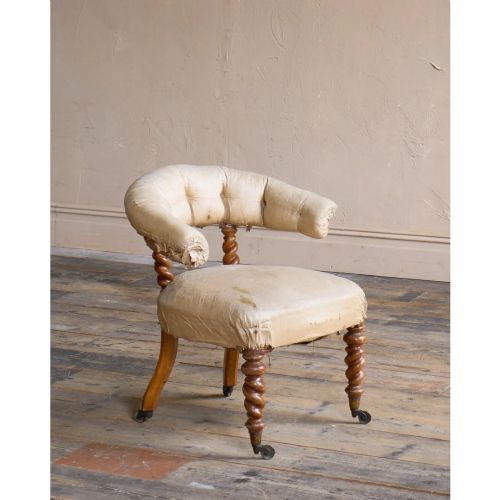


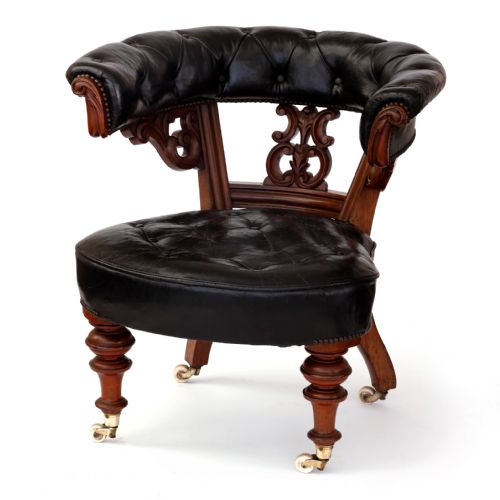


Walnut Tub Desk Chair
Walnut tub desk chair options combine warm timber tones with supportive curved backs, offering a practical seat for daily study and writing.
Walnut Tub Desk Chair
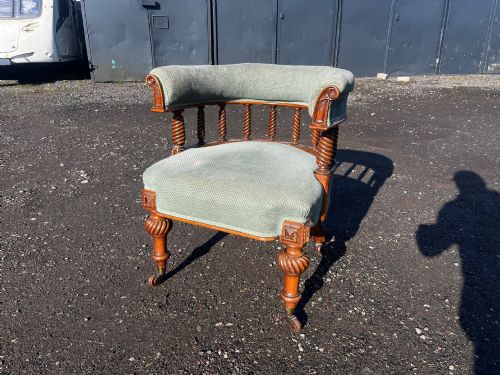
A walnut tub desk chair provides a rounded, enclosing backrest designed for long hours at a writing table or bureau. These items appear across several distinct eras, spanning from the seventeenth century through to the twentieth century.
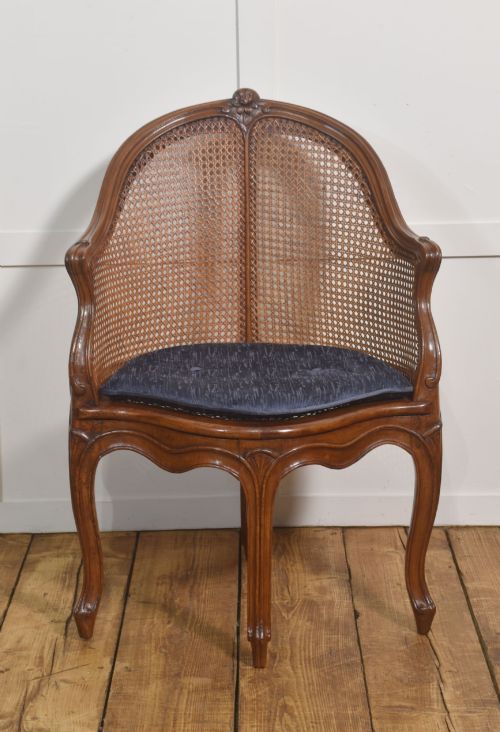
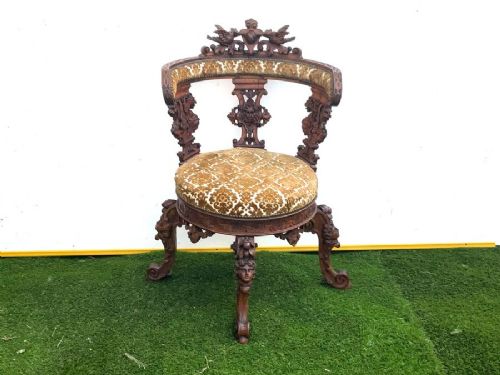
Buyers encounter diverse design revivals within this search phrase, including French Louis XV style, Italian Renaissance Revival, and substantial Victorian office variants. Forms range from low reading seats to wide bow back models equipped with swivel or fixed bases.
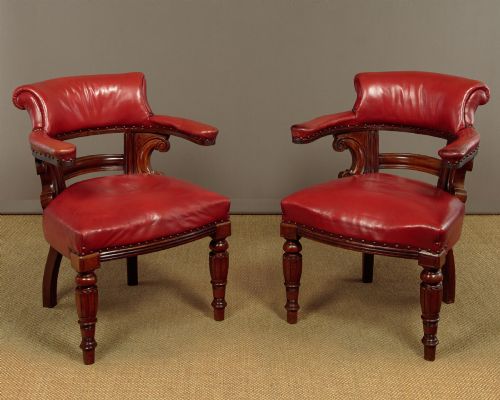
The materials paired with the timber framework include patinated leather, woven cane panels, and soft velvet upholstery. Such variety ensures that these desk chairs fit both period studies and modern workspaces.
How they were made
Cabinet makers utilised dense walnut timber for the structural framework, often carving intricate details into the crest rails and arms. Techniques varied from the hand-carved ornamentation seen on Italian noble seats to the steam-bent wooden curves of later Victorian captains chairs.
Upholstery methods involved securing supportive padding with calico before applying final coverings of leather, oil cloth, or velvet. Brass studs frequently fastened these outer materials to the wooden frame, whilst other examples incorporated woven cane backrests.
Walnut Tub Desk Chair Retail Price Guide 2026
Typical asking prices for walnut tub desk chair among the pieces listed under this phrase on Sellingantiques today, from the lower quarter to the upper quarter. They describe what is for sale here now, not the wider market.
An eighteenth-century Italian nobleman once sat in an audience armchair that somehow survived to share space with a sturdy Victorian captains chair.
What varies in quality
The standard of carving distinguishes standard commercial production from master craftsmanship, particularly where foliage and scrollwork define the arms and back. Timber selection also matters, as finely figured grain patterns elevate the visual presence of the piece.
Structural integrity depends on the tightness of the joinery around the curved tub back, which bears considerable pressure during daily use. Original surface patination on the walnut and the honest wear on leather or fabric upholstery contribute significantly to the enduring character of each seat.
C. Hindley & Sons
The Walnut Tub Desk Chair Glossary
- Tub chair
- An armchair featuring a continuous curved back and arms that form a single enclosing shell. This shape offers distinct side support for the sitter.
- Walnut
- A hard, dark brown timber favoured for furniture due to its rich grain and capacity for fine carving. It remains stable and robust over centuries of use.
- Caning
- A method of weaving thin strips of rattan to form light, flexible panels for chair backs and seats. It provides a decorative texture alongside the solid timber.
- Oil cloth
- A sturdy canvas fabric treated with boiled linseed oil to create a waterproof and durable surface. This material often appears on practical nineteenth-century office seating.
Walnut Tub Desk Chair: Frequently Asked Questions
What is a walnut tub desk chair used for?
These pieces function primarily as seating for desks, libraries, and studies where a supportive back is beneficial. The curved design encourages an upright posture during writing or reading tasks.
They also serve as occasional chairs in living spaces, adding warmth through the dark walnut timber and tactile leather or fabric upholstery.
How do I identify a Victorian tub desk chair?
Victorian examples often feature robust proportions, bow backs, and specific upholstery details such as leather covers or oil cloth cushions. They frequently date from the mid to late nineteenth century.
Makers of this era combined traditional joinery with practical office designs, resulting in sturdy armchairs built for daily administrative work.
Are these chairs comfortable for long periods?
The enclosing tub shape provides natural lateral support, making them well-suited for extended sitting at a desk. Many period versions include padded leather or upholstered squab cushions for added softness.
Comfort varies depending on the specific padding materials used and the ergonomic angle of the curved wooden backrest.
How do I care for the leather and walnut?
Walnut benefits from occasional polishing with suitable wax to nourish the grain and preserve the surface sheen. Direct sunlight should be avoided to prevent the timber from fading.
Leather upholstery requires gentle cleaning and conditioning to maintain flexibility and prevent the material from drying out over time.