

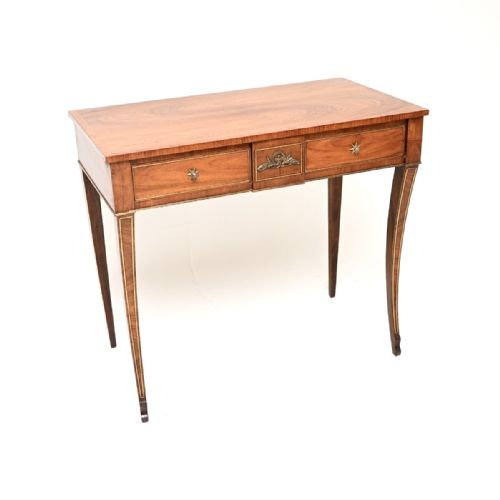
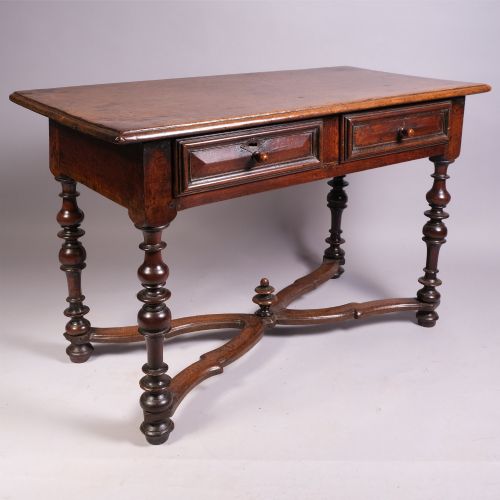
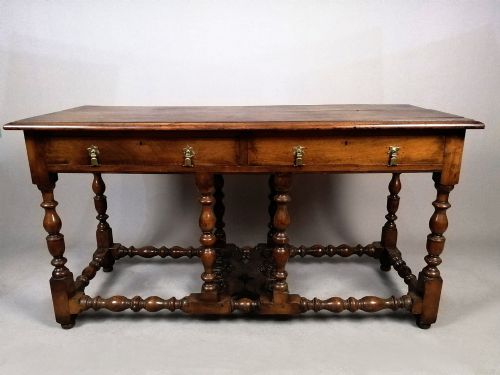
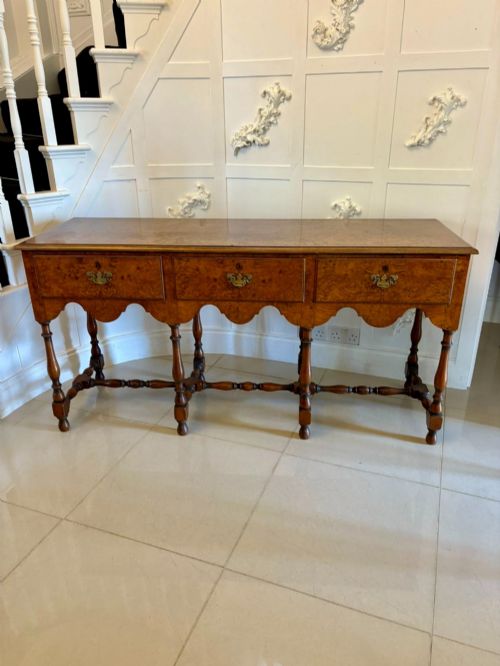
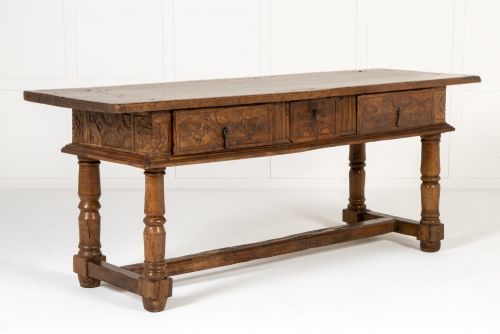
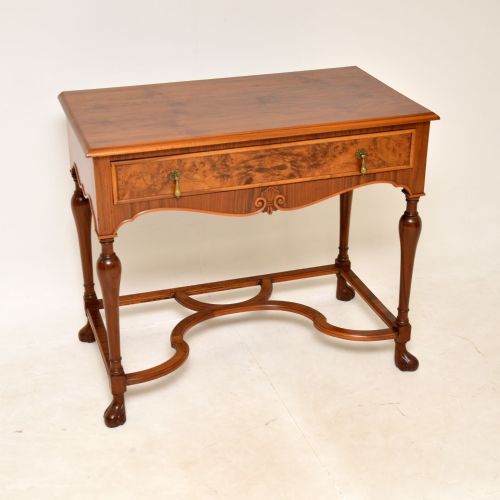
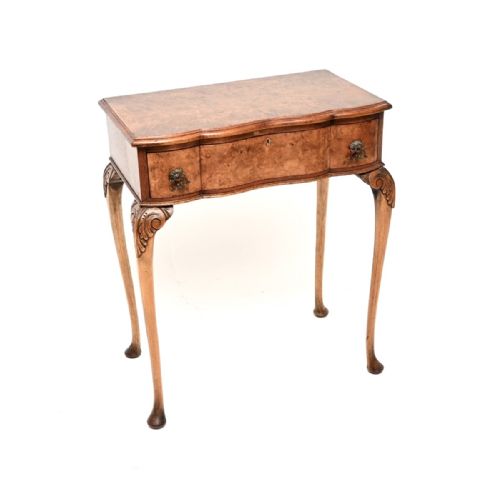


Walnut Server Console
A walnut server console provides a substantial yet elegant surface for hospitality, spanning centuries of cabinet-making from Spanish Baroque to Art Deco.
Walnut Server Console
When you search for a walnut server console, you encounter a varied group of serving tables, console tables, sideboards, and dresser bases. These forms function primarily as serving furniture or display surfaces in dining rooms and halls.
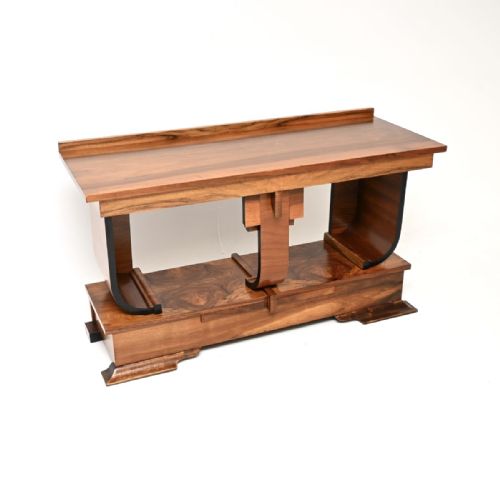
The pieces on this page originate from diverse eras, including the seventeenth century, the eighteenth century, and later revivals from the Victorian, Edwardian, and Art Deco periods. Early examples often display Spanish or French origins, while twentieth-century iterations lean toward streamline modernism.
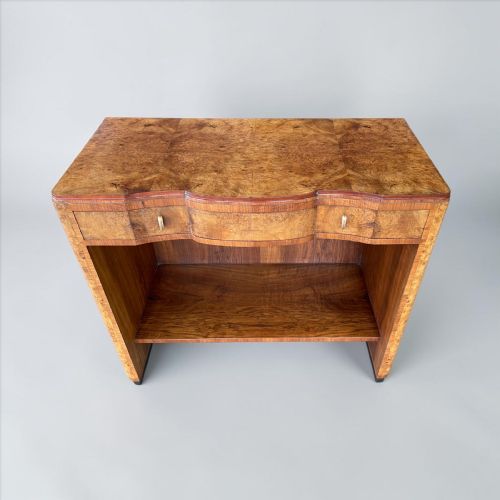
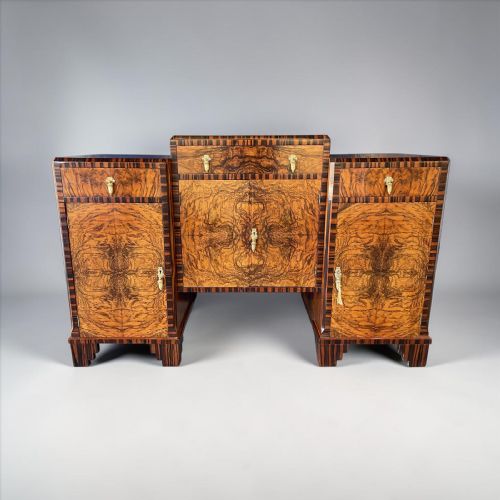
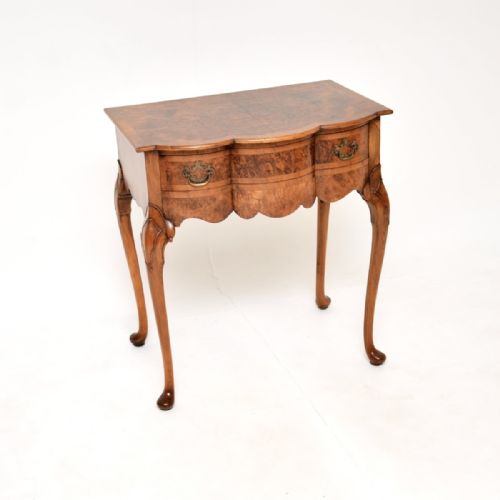
You are most likely to meet twentieth-century burr walnut console tables alongside eighteenth-century style side tables and dresser bases. These pieces utilise various configurations of drawers and timber figuring to achieve decorative impact.
Materials and construction
Makers construct these consoles using solid walnut and decorative walnut veneer, often selecting burr walnut sections for intense, swirling grain patterns. Structural elements may incorporate secondary timbers like oak, while hardware typically consists of brass handles and mounts.
Surfaces demonstrate cabinet-making techniques ranging from simple plank construction on seventeenth-century Spanish tables to precise veneering on Art Deco and Queen Anne revival pieces. Ebonised wood details and carved elements frequently accent the primary walnut surfaces.
Walnut Server Console Retail Price Guide 2026
Typical asking prices for walnut server console among the pieces listed under this phrase on Sellingantiques today, from the lower quarter to the upper quarter. They describe what is for sale here now, not the wider market.
The selection includes formal Georgian side tables, rustic Spanish examples, and streamline Art Deco forms.
Judging the pieces
Quality rests upon the selection of the timber veneer and the crispness of any carved ornamentation, such as barley twist legs or period mouldings. Uniformity in the burr figure across large surfaces indicates superior material selection by the maker.
Proportion and structural integrity distinguish exemplary furniture from standard workshop output. Well-balanced proportions, clean joinery, and appropriate patination on the walnut timber separate the finest historical examples from later reproductions.
Maurice Adams·Hille·Epstein·Whytock & Reid
The Walnut Server Console Glossary
- Burr walnut
- A decorative timber cut from the wart-like growths on walnut trees, yielding intricate, swirling grain patterns. Makers prize this wood for high-status cabinet-making.
- Console table
- A table designed to stand against a wall, frequently supported by wall brackets or distinct legs. These tables often serve as decorative display surfaces in entrance halls.
- Dresser base
- A low wooden storage unit featuring drawers and sometimes cupboards beneath a broad top surface. This form originated in country houses for storing and serving food.
- Lowboy
- A small eighteenth-century dressing or side table featuring one or more rows of drawers beneath the surface. These pieces typically stand on slender cabriole or straight legs.
- Barley twist
- A carved wooden furniture leg resembling a spiral or twisted rope. This decorative turning appears frequently on seventeenth-century and revival furniture.
Walnut Server Console: Frequently Asked Questions
What is a walnut server console?
A walnut server console is a functional furnishing designed for display and serving, combining the warm tones of walnut wood with practical surface space.
These pieces range from antique eighteenth-century side tables to twentieth-century Art Deco designs created by notable workshops.
How do I style a console?
Place your console against a prominent wall in a hallway, dining room, or living space to anchor the room visually. Style the top surface with lamps, ceramics, or mirrors while utilising any drawers for convenient storage.
Ensure the scale of the console complements the surrounding furniture and room proportions.
How do I identify burr walnut?
Burr walnut exhibits a distinctive, highly figured grain pattern filled with small knots and swirls, creating an organic puzzle-like visual texture. This veneer results from abnormal tree growth, making each cut entirely unique.
Cabinet makers use this timber on prominent surfaces like tabletops and drawer fronts to catch the eye.
Are these tables for dining rooms?
Historically, serving tables and buffets functioned in dining rooms to hold food and service items during meals. Today, their versatile proportions suit them equally well to hallways and living areas.
They provide a convenient surface for decorative objects while maintaining a slim profile against the wall.