




Walnut Parlor Sofa
These walnut parlor sofa options bring period elegance and comfortable seating into a room, shaped by Victorian and revival hands.
Walnut Parlor Sofa
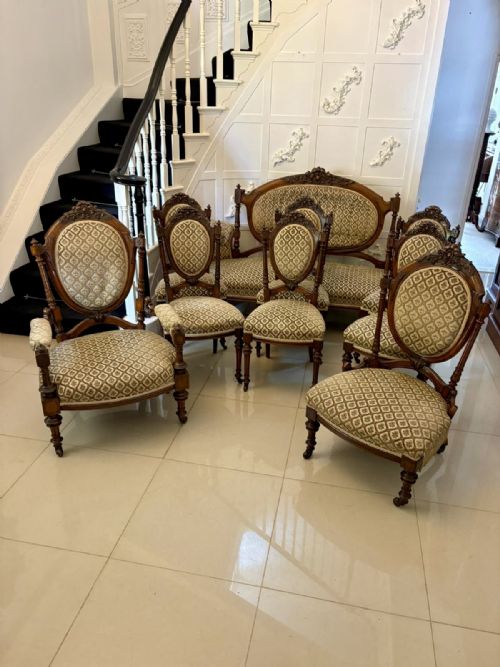
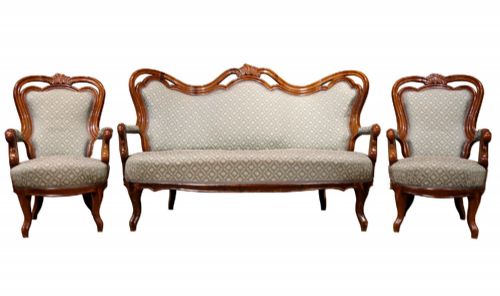
A walnut parlor sofa stands as the primary seating piece within formal nineteenth and early twentieth century drawing room and salon groups. These pieces arrive in various revivals, including Rococo and French Empire styles, showcasing shaped woodwork and upholstered frames.
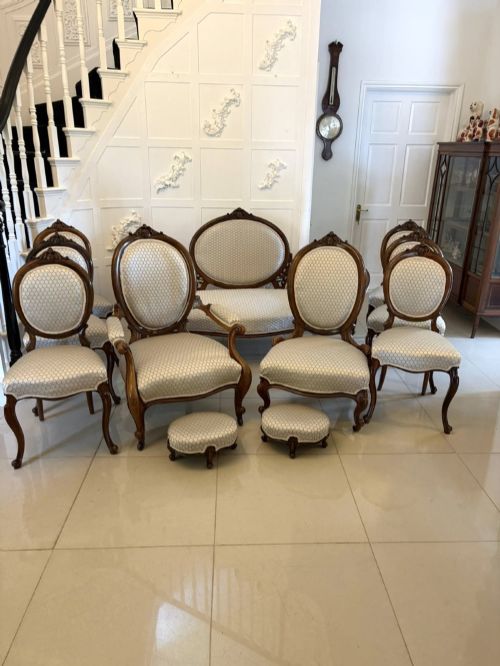
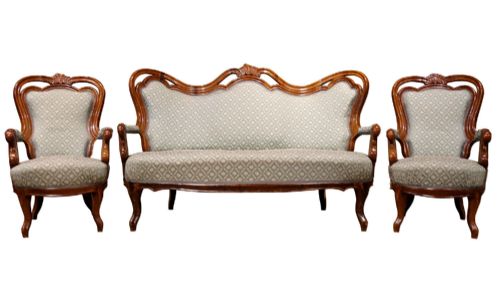
The pieces on this page span from the mid-nineteenth century Victorian era through to early twentieth century Edwardian examples. Buyers frequently encounter individual settees alongside larger salon suites that include matching armchairs and occasional tables.
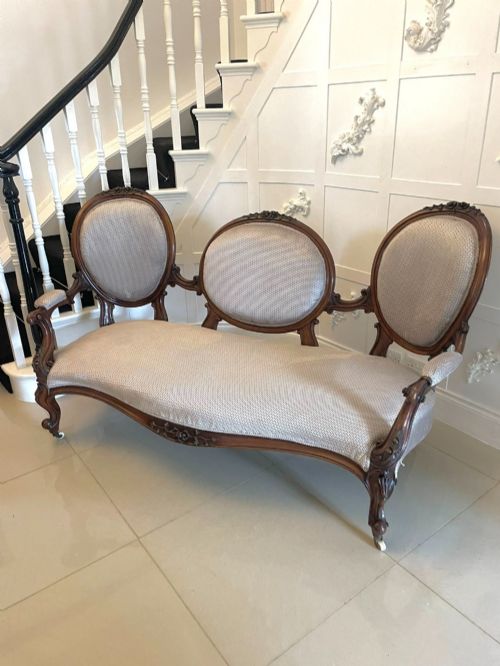
Makers shaped these sofas using solid timber and rich veneers, often incorporating decorative carved elements along the crest rail and cabriole legs. Each item reflects the formal interior tastes of its specific decade of production.
Materials and construction
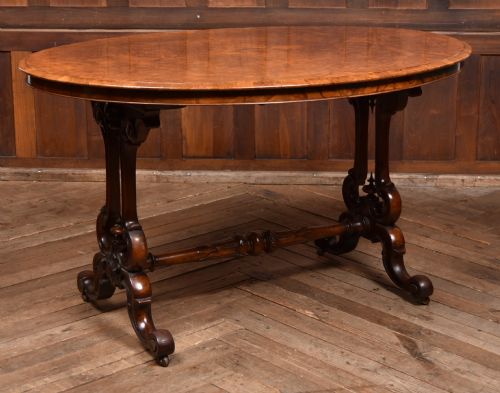
Craftsmen built these frames primarily using walnut and burr walnut timbers, sometimes selecting boxwood inlay to add fine contrasting detail along flat surfaces. The natural grain and rich warm tone of the wood remained a central visual feature.
Upholstery forms a major part of the construction, utilising traditional textiles such as velvet, damask fabric, and patterned fabrics stretched over supportive interior padding. Brass hardware occasionally appears on associated tables and structural mountings within larger suites.
Walnut Parlor Sofa Retail Price Guide 2026
Typical asking prices for walnut parlor sofa among the pieces listed under this phrase on Sellingantiques today, from the lower quarter to the upper quarter. They describe what is for sale here now, not the wider market.
Listings feature walnut and burr walnut timbers across Victorian and early twentieth century dates.
Assessing quality
The distinction between standard examples and exhibition quality pieces lies in the crispness and depth of the carved wooden ornamentation along the frame. Superior items demonstrate meticulous hand-carving on the crest and legs rather than simple, uniform machine shaping.
The selection and bookmatching of burr walnut veneers determine the visual impact of the polished surfaces, alongside the integrity of any boxwood inlay work. Higher grade items also maintain substantial framing timbers and more ambitious revival proportions.
The Walnut Parlor Sofa Glossary
- Burr walnut
- A figured wood veneer harvested from tree growths, prized for its swirling, organic patterns. It provides a highly decorative surface on table tops and cabinet panels.
- Rococo Revival
- A nineteenth-century design movement mimicking the curved, ornate forms of the French eighteenth century. It employs asymmetrical C-scrolls and naturalistic floral carvings.
- Salon suite
- A coordinated set of formal seating and tables designed for a drawing room. These groupings typically feature a matching settee, armchairs, and occasional tables.
- Cameo back
- A chair or sofa back design shaped like a classical carved gemstone profile. This oval or medallion frame focuses attention on the central upholstered panel.
- Boxwood inlay
- Contrasting pale wood inserted into dark timber channels to create geometric or floral patterns. This decorative technique highlights borders and table tops.
Walnut Parlor Sofa: Frequently Asked Questions
How do I clean the walnut frame?
Dust the carved woodwork regularly with a soft, dry cloth to prevent dirt buildup in the crevices. Avoid using modern silicone sprays or harsh chemical cleaners that can damage the antique French polish.
Apply a traditional beeswax polish sparingly once or twice a year to nourish the timber and maintain a soft sheen. Buff the surface gently after application using a clean cotton cloth.
What is a salon suite?
A salon suite is a matching collection of formal furniture created for nineteenth-century entertaining rooms. These groupings typically comprise a settee, several armchairs, and sometimes centre tables.
Purchasing a complete suite ensures stylistic and timber uniformity throughout your interior space. Individual pieces were often arranged symmetrically around the room's perimeter.
How can I tell a Victorian sofa apart from an Edwardian one?
Victorian walnut sofas generally feature heavier, more ornate carving, deep button-tufted upholstery, and distinct Rococo revival curves. Their frames show substantial timber presence with dark, rich finishes.
Edwardian pieces tend toward lighter proportions, simpler structural lines, and restrained decorative elements. They often reflect earlier Empire revivals with cleaner geometric profiles.
Can these sofas be used daily?
These historical seating pieces suit normal residential use provided they receive gentle treatment. Original internal webbing and springs may require professional reinforcement to support regular sitting comfortably.
Positioning the sofa away from direct sunlight and heat sources protects both the fragile textile upholstery and the underlying walnut timber from drying out.