
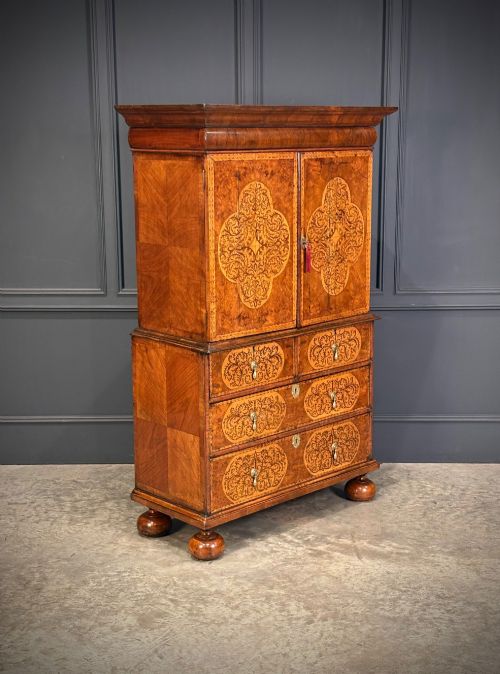
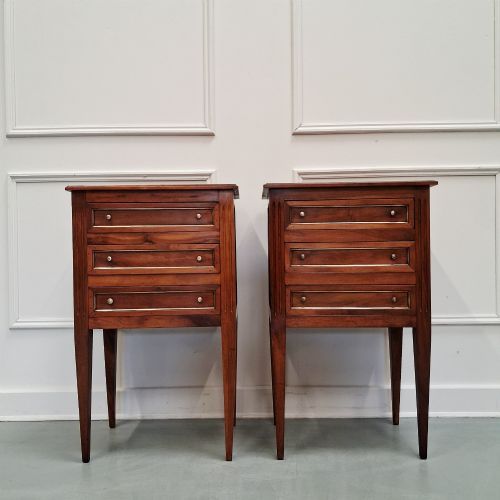
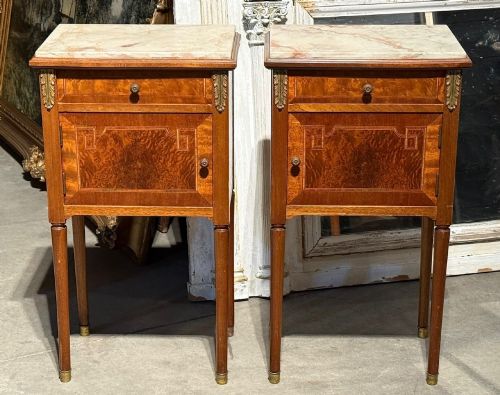
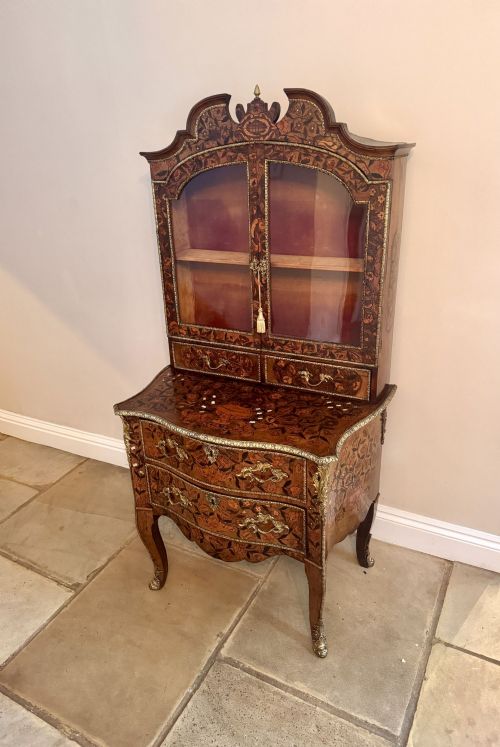
Walnut Drawer Cabinet
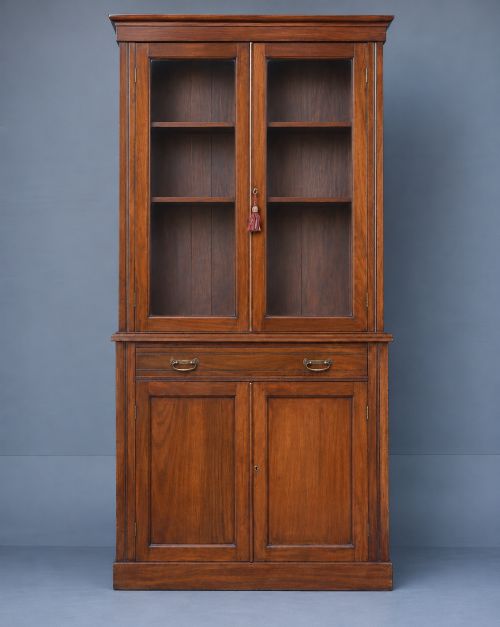
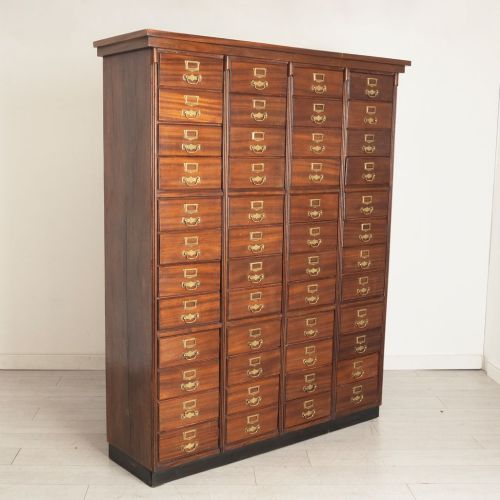
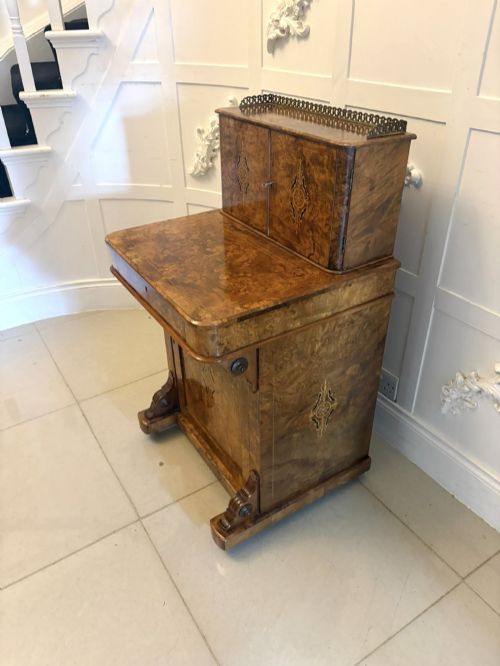
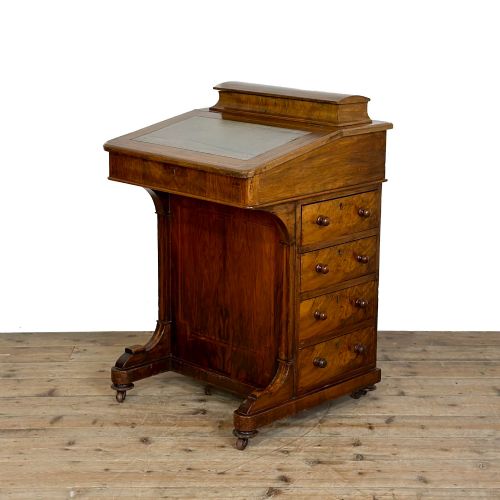
A walnut drawer cabinet provides practical storage whilst displaying the rich grain and deep colour characteristic of this classic timber.
Walnut Drawer Cabinet
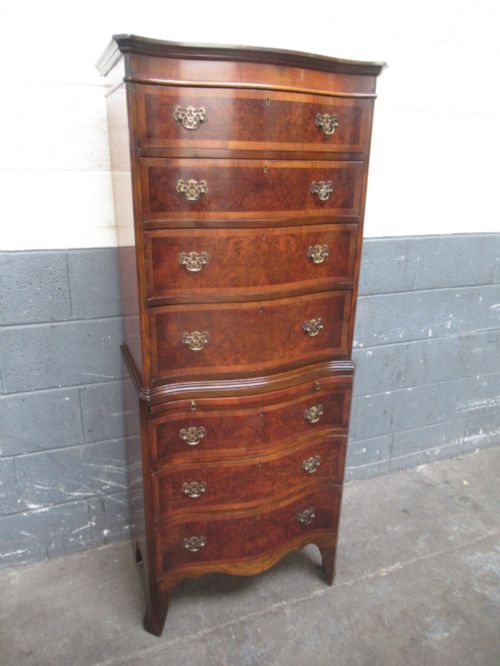
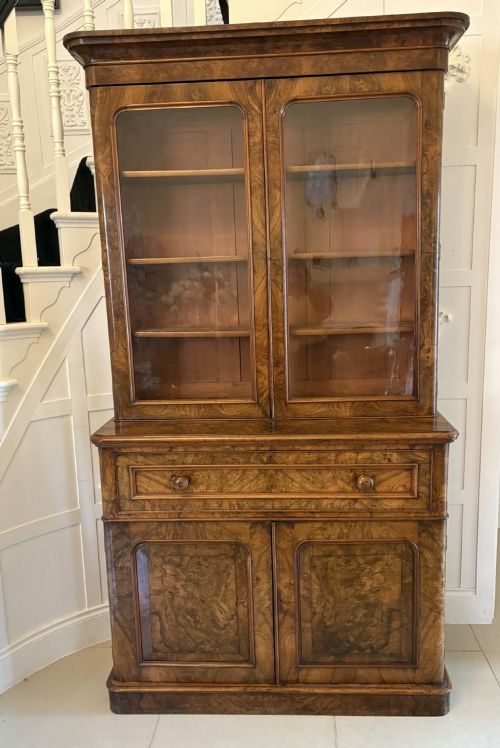
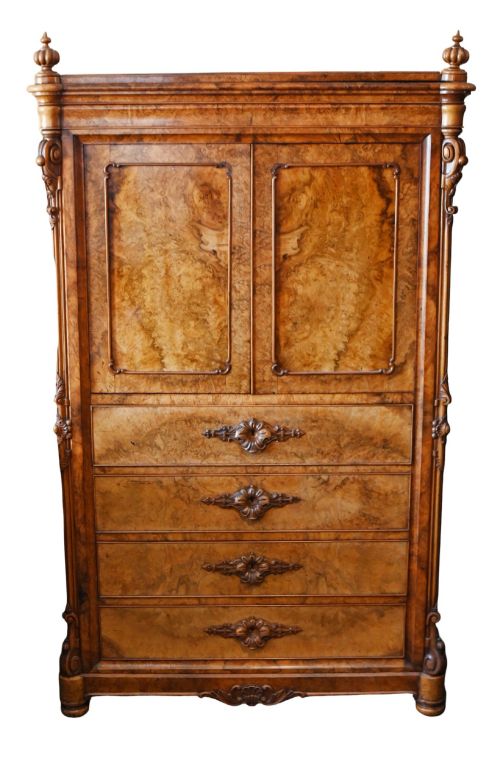
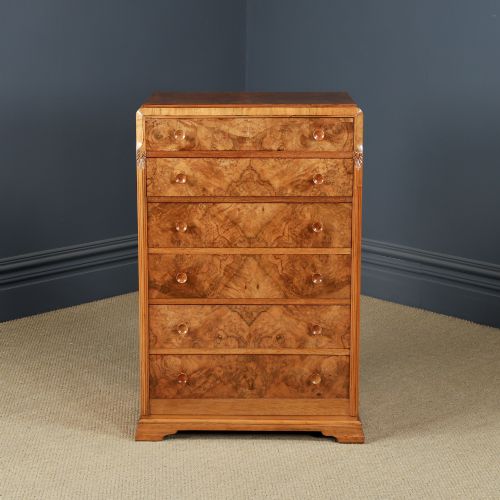
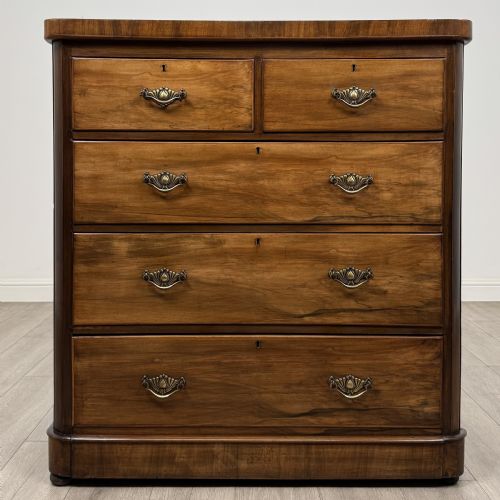
A walnut drawer cabinet combines enclosed shelving or compartments with functional pull-out drawers, appearing in forms ranging from compact bedside chests to grand bureau bookcases and tallboys. Buyers searching for a walnut drawer cabinet encounter diverse regional interpretations spanning the eighteenth century through to the Art Deco period.
Form and function merge in these pieces, offering dedicated compartments for writing desks, linen storage, and bedside organisation. Each version reflects the prevailing domestic requirements of its era while maintaining the core utility of a drawer cabinet.
How they were made
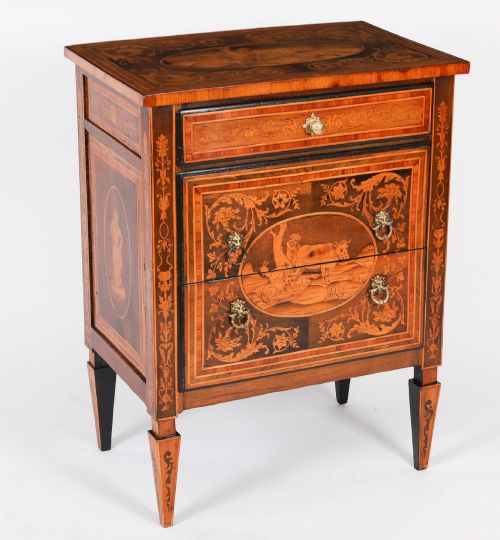
Cabinet makers utilised solid walnut for structural integrity and applied fine veneers, particularly burr and figured walnut, across large flat surfaces to create striking grain patterns. Marquetry inlay involving lighter and darker timbers added floral and geometric decoration to eighteenth-century Dutch and Italian pieces.
Secondary timbers such as oak frequently form the internal drawer linings and carcases of earlier pieces, while brass handles, keyplates, and occasional ormolu mounts provide functional and decorative hardware. Marble tops appear on several continental commodes and bedside cabinets, offering a durable and cool surface above the walnut structure.
The listings span multiple centuries, uniting Georgian and Victorian walnut drawer cabinets with Art Deco and Edwardian variations.
What varies in quality
The visual impact of a piece often depends on the selection and matching of veneer cuts, where book-matched burr walnut creates symmetrical patterns across drawer fronts. Superior execution shows in the crispness of marquetry inlay, the integration of brass or ormolu mounts, and the preservation of the original timber patina.
Structural refinement distinguishes finer examples, visible in hand-cut dovetail joints on drawers, the smooth movement of writing slides, and the proportional harmony between carcase and base. Maker expertise is further demonstrated in complex forms such as serpentine fronts, bombe shapes, and well-fitted secretaire drawers.
The Walnut Drawer Cabinet Glossary
- Burr walnut
- A prized timber harvested from the growth excrescences on walnut trees, yielding highly figured and swirling grain patterns. It is frequently sliced into veneers for prominent furniture surfaces.
- Marquetry
- The decorative technique of applying small pieces of veneer to a structure to form intricate pictorial or geometric designs. Craftsmen utilise various coloured woods to achieve tonal contrast.
- Tallboy
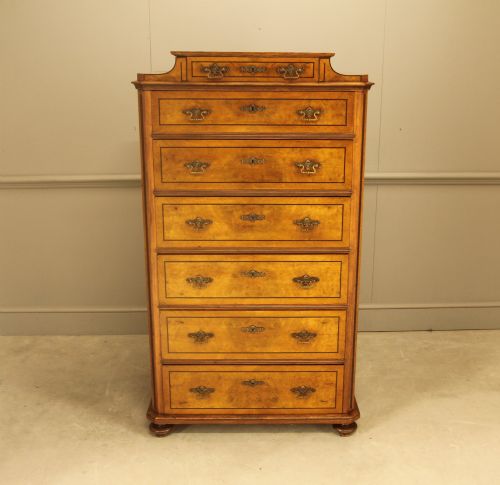
- A tall chest of drawers, often constructed as a chest on chest or a single elongated carcase. This form maximises vertical storage capacity while occupying a minimal floor footprint.
- Secretaire
- A cabinet or desk incorporating a fitted writing drawer with a drop-front or sliding surface. Internal compartments typically house small stationery drawers and pigeonholes.
- Ormolu
- Gilded bronze ornamentation applied to furniture as mounts, handles, or feet. This decorative technique gained widespread popularity in French cabinet making during the eighteenth and nineteenth centuries.
Walnut Drawer Cabinet: Frequently Asked Questions
What is a walnut drawer cabinet used for?
These cabinets serve multiple domestic purposes, providing surface display areas alongside enclosed storage for clothing, books, or writing materials.
Depending on the specific form, such as a bedside commode or a tall linen press, they organise personal items while acting as decorative focal points within a room.
How do I identify an 18th century walnut cabinet?
Eighteenth-century examples often feature cross-banded veneers, herringbone stringing, and hand-cut dovetails on oak drawer carcases. Styles from this period frequently align with Queen Anne or Georgian design canons.
Closer inspection of the timber reveals a softer, oxidised patina developed over centuries of exposure and careful polishing.
Where should I place a bedside cabinet?
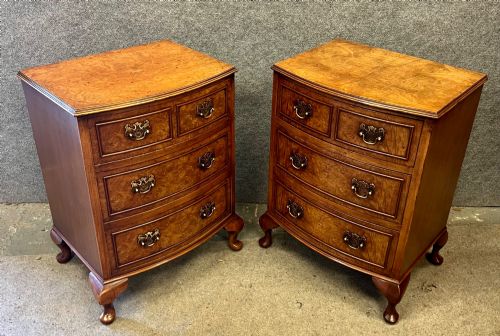
Bedside cabinets suit placement adjacent to a bed, offering surface space for a lamp and enclosed drawer storage for nighttime essentials. Their compact proportions allow them to fit comfortably within smaller guest rooms or principal suites.
Matching pairs provide visual symmetry on either side of the bed frame.
How do I care for walnut veneer furniture?
Maintenance involves dusting with a soft, dry cloth and avoiding placement near direct heat sources or strong sunlight that can dry out the timber. Applying traditional beeswax periodically helps nourish the wood and maintain its natural lustre.
Moisture should be kept away from the surface to protect the underlying veneer adhesives.