


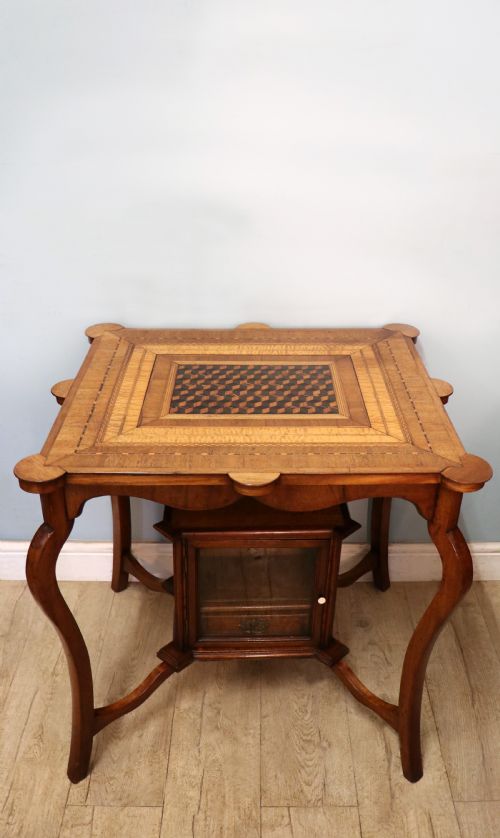


Vintage Wooden Tobacco Cabinet
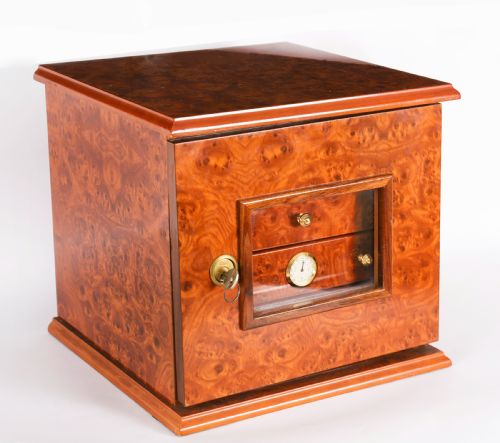
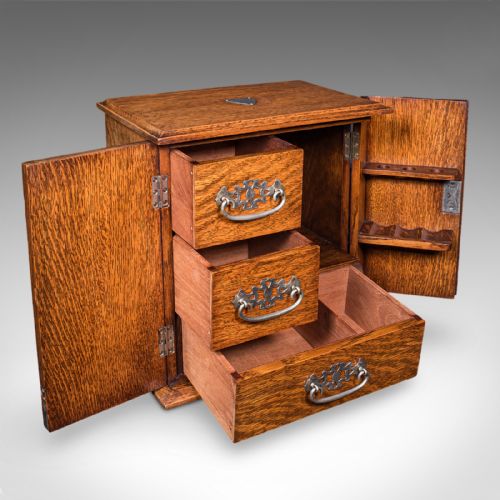
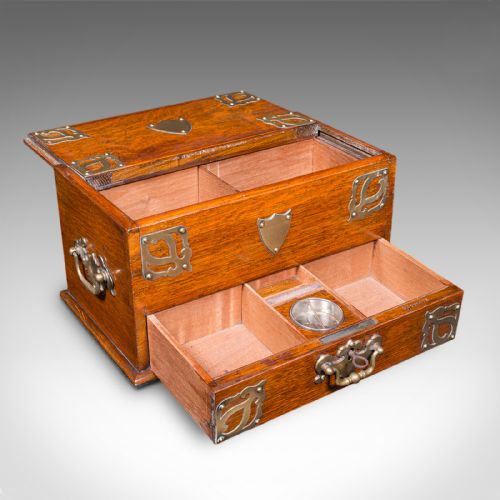
These vintage wooden tobacco cabinet pieces are purposeful tabletop containers for pipes, cigars, and smoking accessories that bring period character to any room.
Vintage Wooden Tobacco Cabinet
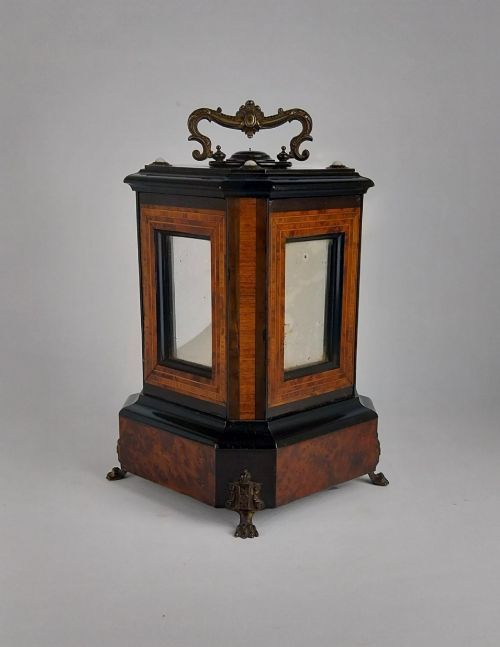
The objects span varied configurations, including tambour doors, multi-drawer chests, and humorous novelty designs like coal wagons. Materials range from solid oak and golden oak to burr walnut, burr elm, and ebonised wood.
Origins stretch across the nineteenth and twentieth centuries, encompassing domestic smoking cabinets alongside advertising shop displays. Collectors find everything from simple oak pipe cabinets to elaborate combination tables and musical boxes.
Materials and construction
Cabinet makers utilised dense hardwoods such as oak, walnut, and elm, often selecting burr veneers to create striking grain patterns on the exterior surfaces. These timbers were joined using traditional methods to withstand daily handling of heavy contents.
Metal components played a crucial functional role, with brass hinges, locks, handles, and strapwork securing the doors and drawers. Glass panels frequently appeared in doors to display the contents, while leather linings and internal humidifiers protected cigars and tobacco.
One exceptional cabinet doubles as a musical box, playing tunes while you select your evening cigar.
Assessing quality and craftsmanship
Quality rests upon the selection of timber and the precision of the joinery, particularly in veneered surfaces where burr walnut or elm requires careful alignment. Superior examples display thoughtful detailing in brass hardware and smooth operation in drawers, tambour doors, and locking mechanisms.
The presence of specialised internal fittings, such as dedicated pipe racks, humidor compartments, or advertising elements, elevates a piece beyond standard utility. The highest tier includes novelties and combination furniture that demonstrate ambitious design alongside straightforward storage.
H. Upmann Habana·Alfred Dunhill·Wills Capstan Navy Cut
The Vintage Wooden Tobacco Cabinet Glossary
- Humidor
- A moisture-controlled box designed to keep cigars fresh and properly conditioned. These interiors often incorporate cedar linings and humidifiers.
- Burr walnut
- A highly figured wood veneer taken from the wart or burl growths of walnut trees. It yields swirling, organic patterns prized by cabinet makers.
- Tambour
- A flexible door constructed from narrow strips of wood glued to a fabric backing. It slides smoothly along tracks to conceal cabinet compartments.
- Ebonised wood
- Timber treated with a dark finish to imitate the appearance of ebony. This technique was popular for nineteenth-century decorative accents.
- Combination table
- A dual-purpose piece of furniture merging a smoking cabinet with a functional table. These often feature inlaid surfaces and drop leaves.
Vintage Wooden Tobacco Cabinet: Frequently Asked Questions
How do I date a tobacco cabinet?
Dating relies on combining stylistic clues with construction methods and materials. Victorian examples often feature heavy carvings and dark oak, while Edwardian pieces lean towards lighter golden oak and simpler arts and crafts influences.
Hardware offers further clues, as machine-made screws and mass-produced brass locks typically point to the late nineteenth or early twentieth century. Examining the secondary timbers inside drawers helps confirm the period of manufacture.
Can I store cigars in these cabinets?
Many vintage cabinets were built specifically as humidors, featuring tight seals, cedar linings, and internal humidifiers. However, seals on older wood can degrade over time due to fluctuating humidity in modern homes.
If you plan to store cigars rather than pipes and tobacco accessories, check the interior lining and test the door closure. Some pieces function better as display items or dry storage unless fitted with modern humidification elements.
Where were these cabinets placed?
These cabinets primarily sat on tabletops, desks, or sideboards in gentlemen's clubs, libraries, and smoking rooms. Wall-mounted versions hung within easy reach of seating areas to keep pipes and tobacco tidy.
Some elaborate designs stood independently or integrated directly into combination tables. Their placement reflected the social habits of the period when smoking was an indoor ritual.
What is the difference between a smoker's box and a humidor?
A smoker's box generally refers to a general-purpose container holding pipes, tobacco jars, matches, and tampers. These prioritize compartments for loose leaf tobacco and pipe cleaning tools.
A humidor focuses specifically on cigar preservation, incorporating tight closures and specialised wood linings like Spanish cedar to maintain humidity. Cabinets often blurred these lines by combining pipe racks with cigar storage drawers.