




Vintage Wooden Spice Cabinet
A vintage wooden spice cabinet brings small-scale, domestic storage into modern rooms with centuries of timber character.
Vintage Wooden Spice Cabinet
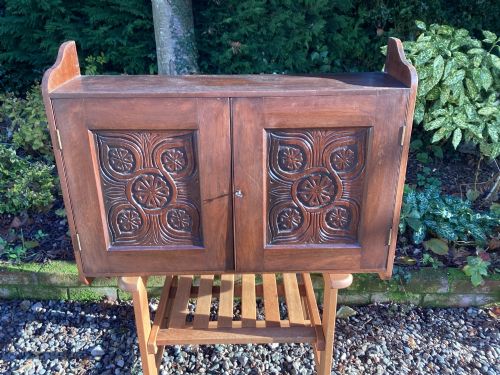
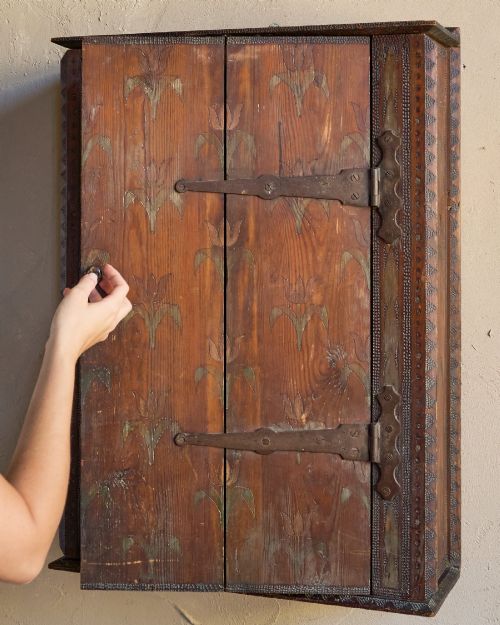
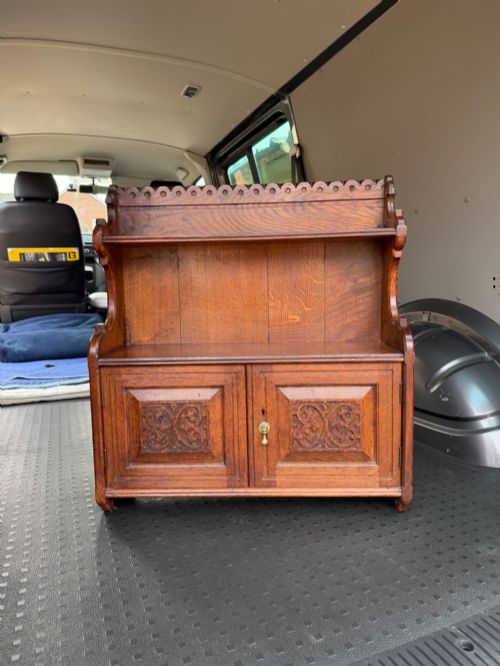
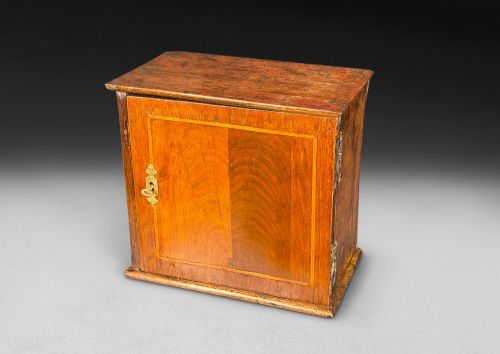
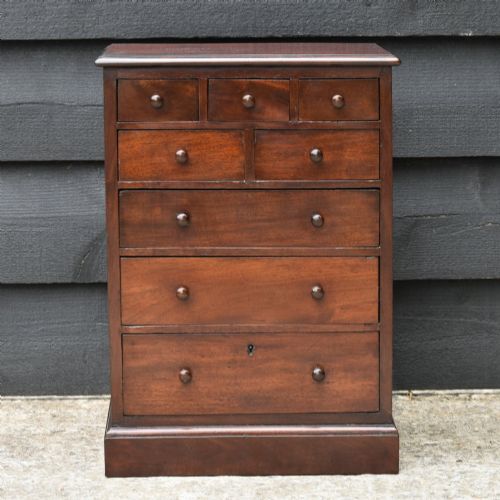
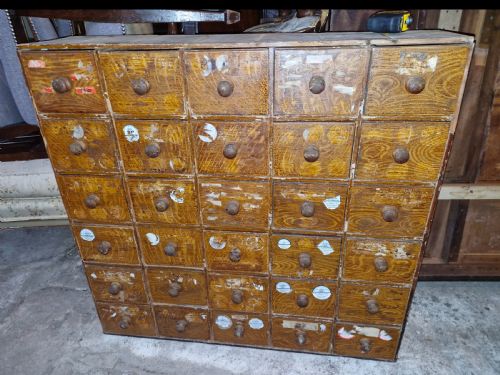
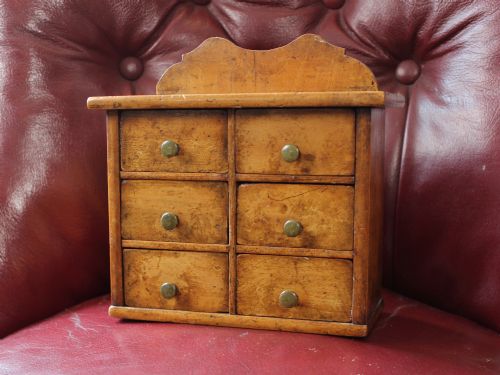
A vintage wooden spice cabinet encompasses small tabletop storage, wall-hanging spice boxes, miniature chests of drawers, and apothecary cabinets spanning from the 18th century through to the 1930s. Buyers searching this phrase typically encounter practical domestic containers designed to organise dry goods or medicines in compact spaces.
The material palette of these pieces relies heavily on pine, oak, mahogany, and fruitwood, sometimes finished with historic paint or complemented by brass hardware. Origins stretch from English Georgian and Victorian workshops to Scandinavian country traditions and Edwardian design rooms.
Forms vary from simple hanging spice boxes with small doors to banks of miniature drawers and apothecary chests with multiple compartments. Each variation reflects the specific domestic or commercial storage needs of its original period, from rural kitchens to chemist shops.
Materials and construction
Cabinet makers utilised solid timbers such as oak, mahogany, fruitwood, and pine, selecting woods based on regional availability and the intended utility of the furniture. Joints were constructed to endure regular daily access to small drawers and miniature cupboard doors.
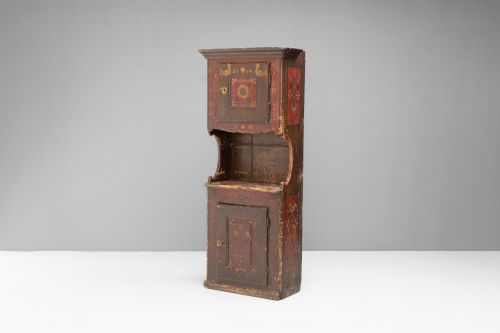
Surfaces frequently show the natural grain of the wood, though several regional pieces, particularly Scandinavian examples, employ historic paint finishes. Metal elements like brass handles and hinges serve both functional and structural roles on doors and drawer fronts.
Vintage Wooden Spice Cabinet Retail Price Guide 2026
Typical asking prices for vintage wooden spice cabinet among the pieces listed under this phrase on Sellingantiques today, from the lower quarter to the upper quarter. They describe what is for sale here now, not the wider market.
Judging quality in compact storage
Quality reveals itself in the integrity of the timber selection and the precision of the small-scale joinery used for miniature drawers and hanging frames. Superior examples maintain original backs, handles, and hinges without modern replacements compromising their structural honesty.
The depth of finish, whether a polished mahogany surface or an untouched painted Scandinavian skin, distinguishes standard utilitarian boxes from finer workshop pieces. Proportions and the careful handling of mouldings on small wall cabinets also separate simpler items from more considered designs.
The Vintage Wooden Spice Cabinet Glossary
- Apprentice piece
- A miniature furniture item created by a trainee to demonstrate proficiency in advanced cabinet making techniques. These small chests and cabinets mirror the joinery of full-sized furniture.
- Apothecary cabinet
- A small bank of drawers or compartmentalised chest originally utilised by chemists or apothecaries to store medicinal herbs, powders, and ingredients. They are prized for their numerous small drawers.
- Fruitwood
- Dense timber harvested from fruit-bearing trees such as pear or apple, chosen by cabinet makers for its fine grain and smooth working properties. It frequently appears in 19th-century small drawers.
- Wall hanging spice box
- A compact timber cabinet designed to be mounted on a kitchen wall to keep seasoning ingredients dry and accessible. These pieces typically combine small doors and internal shelving.
- Scandinavian folk art
- A regional decorative tradition involving painted timber surfaces, distinct colour palettes, and traditional motifs applied to domestic cupboards and wall cabinets.
Vintage Wooden Spice Cabinet: Frequently Asked Questions
Where were spice cabinets originally placed?
These compact pieces were traditionally mounted on kitchen walls or placed upon tabletops where culinary ingredients needed to remain dry and close to hand.
In larger houses, similar small chests sat in pantries or still rooms, while apothecary variations served in chemists' shops.
How do I mount a wall hanging cabinet safely?
Most wall hanging cabinets feature original fixing points or brackets designed for secure attachment to domestic walls. It is essential to match the fixings to the specific wall type to support the weight of the timber and contents.
Professional installation ensures the historic structure of the cabinet remains unstressed during hanging.
Can I use these cabinets for modern storage?
The small drawers and internal shelves adapt readily to organising modern items such as craft supplies, jewellery, desk accessories, or spices.
Their compact footprints make them suitable for adding character and organisation to contemporary kitchens, studies, or hallways.
How do I distinguish 18th-century pieces from Victorian ones?
Eighteenth-century examples often display simpler, heavier oak construction with hand-cut joinery and minimal external decoration. Victorian pieces frequently utilise mahogany or pine with more varied hardware and specific functional adaptations like apothecary labelling.
Examining the internal drawer construction and timber ageing provides clear clues to the period of manufacture.