



Vintage Wooden Ride on
These vintage wooden ride on items combine playful childhood mobility with traditional craftsmanship, offering a charming tactile history that collectors prize for display.
Vintage Wooden Ride on
When you search for vintage wooden ride on objects, you encounter tactile items designed for early movement, alongside related carousel pieces and pedal conveyances. The selection spans the nineteenth century through the mid twentieth century, featuring diverse regional origins from English country houses to French workshops.
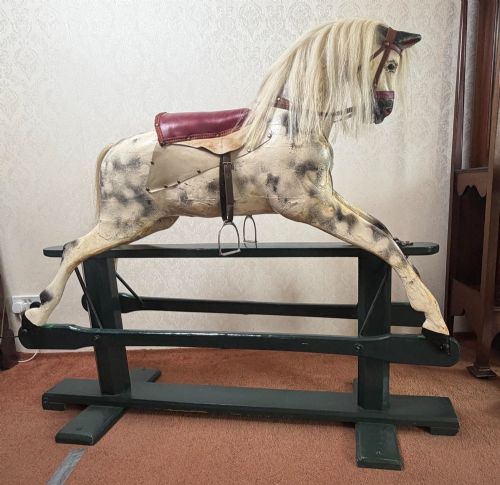
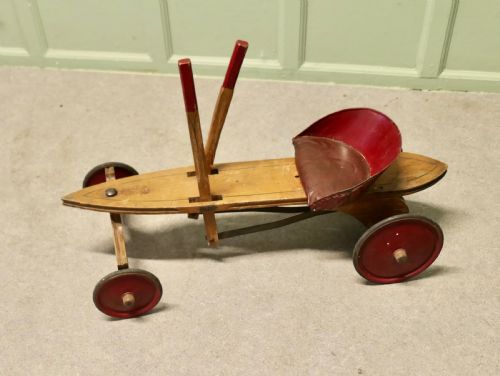
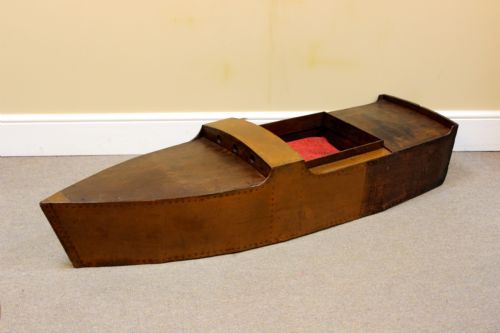
The most common forms you meet on this page include traditional rocking horses on original rockers, hand-operated children's cars, and chain-driven horse tricycles. These objects capture the ingenuity of early juvenile amusement and fairground design through substantial timber construction.
Materials and construction methods
Makers utilised dense hardwoods such as oak, mahogany, beech, and ash, often pairing the timber frames with iron and brass fixings for structural integrity. Painted surfaces and carved details bring character to the animal figures and mechanical bodies.
Joinery techniques relied on traditional hand carving and secure metal mounting, allowing these mobile toys to withstand active use. Leather elements occasionally appear on saddles or fittings, complementing the primary wooden structures.
Vintage Wooden Ride on Retail Price Guide 2026
Typical asking prices for vintage wooden ride on among the pieces listed under this phrase on Sellingantiques today, from the lower quarter to the upper quarter. They describe what is for sale here now, not the wider market.
Current listings span the nineteenth century through the mid twentieth century, utilising woods like oak, mahogany, and beech.
Distinctions in quality and execution
The distinction between standard pieces and exceptional examples rests upon the depth of the hand carving and the originality of the mounting hardware. Sculptural figures with expressive facial details and retainers on their original bases command greater appreciation.
Preservation of original painted surfaces and mechanical components also dictates the standing of a piece. Items retaining their authentic operating linkages and unpainted timber patination represent the pinnacle of surviving examples.
Periclès·Maxwell London
The Vintage Wooden Ride on Glossary
- Rocker
- The curved wooden beam upon which a rocking horse pivots during use. It provides the stabilising arc for movement.
- Velocipede
- An early human-powered land vehicle propelled by pedals or hand levers. This term covers nineteenth-century chain-driven horse tricycles.
- Fairground panel
- A decorative carved section removed from a vintage amusement ride. These often depict animals or mythical creatures in dynamic poses.
- Campaign equipment
- Portable gear designed for military officers or travel. In this context, it includes folding boot jacks and pull tools.
Vintage Wooden Ride on: Frequently Asked Questions
What is a vintage wooden ride on?
These items encompass historical children's pedal vehicles, hand-operated tricycles, and traditional carved rocking horses from the nineteenth and early twentieth centuries.
They served as early juvenile transport and amusement devices, constructed from durable timbers and metals to endure active play.
How do I date a wooden ride on?
Dating relies on examining the timber species, the style of the iron and brass fixings, and the complexity of the mechanical drive systems.
Victorian and Edwardian pieces typically exhibit hand carving and specific metal-working techniques that evolved into the twentieth century.
Were these toys used outdoors?
Most of these ride-on conveyances and rocking figures functioned primarily indoors on nursery floors or within covered fairground pavilions.
Their substantial timber and painted finishes required protection from harsh weather to preserve the structural integrity of the wood.
How do I care for wooden ride ons?
Maintenance involves keeping the pieces in stable environmental conditions away from direct heat sources that can dry out the timber.
Applying a gentle wax polish helps nourish the historic wooden surfaces without altering the original patina.