




Vintage Wooden Plan Chest
A vintage wooden plan chest is a heavy storage piece with shallow drawers designed for maps and blueprints, and you buy one for substantial industrial character.
Vintage Wooden Plan Chest
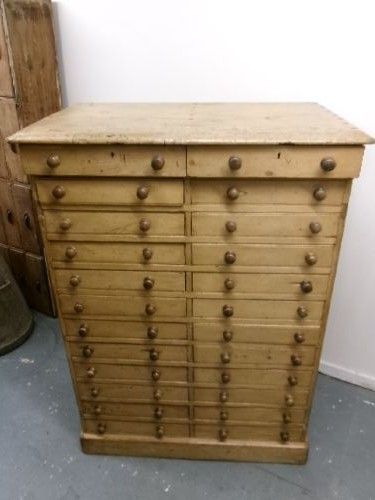
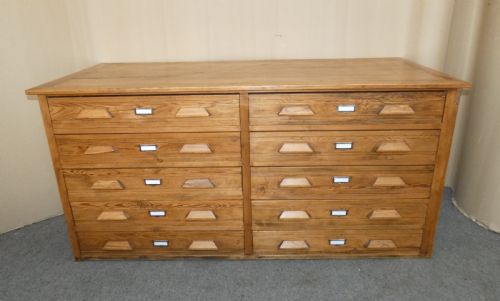
A vintage wooden plan chest provides wide, shallow storage originally built for architects, artists, and mapmakers to keep large sheets flat. On this page, you will encounter various forms ranging from simple banks of drawers and haberdashers cabinets to folio cabinets and collectors cabinets spanning the nineteenth and twentieth centuries.
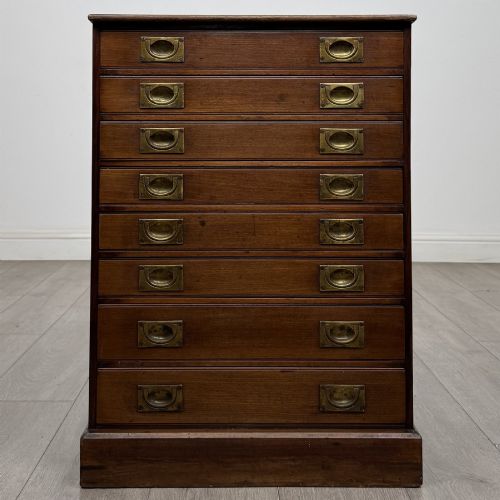
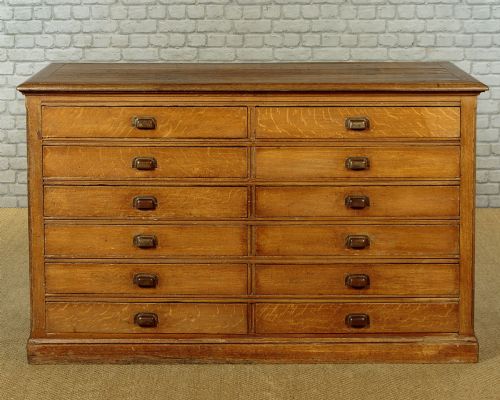
Makers constructed these sturdy pieces using materials such as oak, pine, mahogany, red walnut, and deal, often fitted with brass hardware. Styles stretch from Victorian and Edwardian Chippendale Revival to Arts and Crafts and industrial utility origins dating from eighteen sixty up through the nineteen fifties.
Materials and construction methods
Carpenters built these heavy drawer units using durable domestic and imported timbers including oak, pine, mahogany, and deal, sometimes combining fruitwood and red walnut. These sturdy woods provided the necessary structural integrity to support numerous wide drawers loaded with heavy paper documents.
Workshops added functional hardware such as brass pulls and handles to withstand daily use in offices, workshops, and studios. Surfaces received finishes like polish and stained treatments to protect the timber while highlighting the natural grain.
Vintage Wooden Plan Chest Retail Price Guide 2026
Typical asking prices for vintage wooden plan chest among the pieces listed under this phrase on Sellingantiques today, from the lower quarter to the upper quarter. They describe what is for sale here now, not the wider market.
Some of these drawers have held everything from secret blueprints to stray buttons since the days of top hats and steam trains.
What separates the finer examples
The choice of primary timber shifts the character and weight of the piece significantly, moving from utilitarian stained deal and substantial pine to finely figured mahogany and red walnut. Finer variations display more refined joinery and stylistic details, such as Edwardian Chippendale Revival elements or Arts and Crafts craftsmanship, rather than purely industrial utility.
Drawer capacity and configuration also alter the utility and scale, ranging from tall banks holding dozens of small compartments to wide chests designed for oversized sheets. The quality of the original brass hardware and the preservation of the polished wooden surfaces define the distinction between basic workshop furniture and distinguished folio cabinets.
The Vintage Wooden Plan Chest Glossary
- Plan chest
- A wide, low piece of furniture featuring multiple shallow drawers built specifically for storing large architectural plans, maps, and drawings flat. These utilitarian items now serve as striking storage statements in homes and studios.
- Deal
- A softwood timber derived from pine or fir, commonly utilised in nineteenth-century utilitarian furniture and workshop cabinetry. It provides a robust, plain surface that often takes stain and polish well.
- Collectors cabinet
- A multi-drawer unit traditionally used for storing specimens, coins, or small artefacts. These cabinets often feature numerous smaller compartments rather than the wide, shallow spans of a standard map chest.
- Haberdashers drawers
- Multi-drawer storage units originally designed for retail display and textile storage, featuring banks of shallow or medium drawers. They share a similar modular aesthetic with workshop banks of drawers.
Vintage Wooden Plan Chest: Frequently Asked Questions
What is a vintage wooden plan chest?
A vintage wooden plan chest is a large, sturdy piece of furniture designed with wide, shallow drawers specifically to keep architectural blueprints, maps, and artwork flat without folding them.
Today, collectors and homeowners utilise these substantial cabinets in studies, living rooms, and studios to store large items or serve as a dramatic focal point.
How do I date a wooden plan chest?
Dating involves examining the construction methods, timber choices, and hardware styles, which span from nineteenth-century deal and red walnut to mid-twentieth-century industrial utility designs.
Stylistic markers such as Victorian proportions, Edwardian Chippendale Revival details, or Arts and Crafts influence provide clear chronological clues regarding when the workshop manufactured the piece.
How were plan chests originally used?
Architects, cartographers, engineers, and artists originally relied on these heavy multi-drawer cabinets to organise and protect fragile, oversized paper documents from dust, light, and curling.
Workshops and offices depended on the wide, smooth-sliding shallow drawers to keep active projects neatly sorted and easily accessible throughout the working day.
Are these chests suitable for modern homes?
These pieces fit well in contemporary interiors because their generous proportions offer exceptional storage capacity for modern paperwork, linens, or art supplies.
The warm tones of oak, mahogany, and pine, paired with brass hardware, bring a strong industrial or traditional aesthetic to living spaces.