




Vintage Wooden Highback Chair
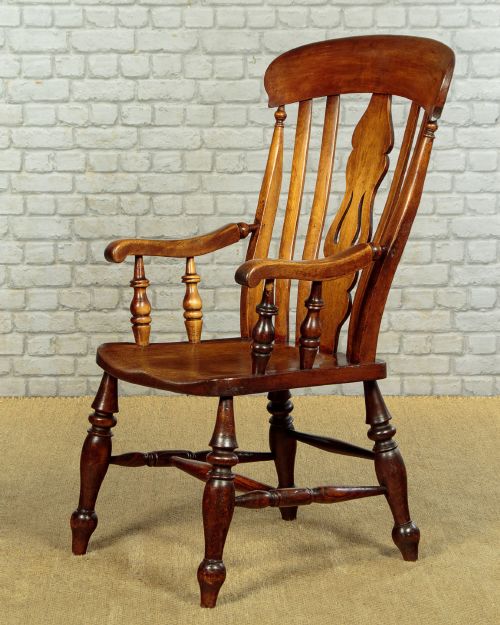
A vintage wooden highback chair brings architectural presence and robust timber framing to a room, offering tall support and time-worn character.
Vintage Wooden Highback Chair
A vintage wooden highback chair comprises tall-backed seating options ranging from robust kitchen armchairs and Windsor designs to formal dining suites and revival throne chairs. These pieces draw from periods spanning the eighteenth century through to the Edwardian era, capturing both vernacular country traditions and urban revival styles.
Forms divide practically between solitary fireside or desk armchairs and matched sets intended for formal dining rooms. The overarching design priority across all these pieces remains the elongated vertical backrest, which provides both physical support and strong visual lines.
Materials and construction methods
Makers utilised native hardwoods including oak, mahogany, elm, ash, beech, and yew, often selecting timber for both structural strength and natural grain pattern. Turnery and traditional joinery methods secured the tall uprights and framework, while rush seating and upholstered pads in wool or fabric provided comfort.
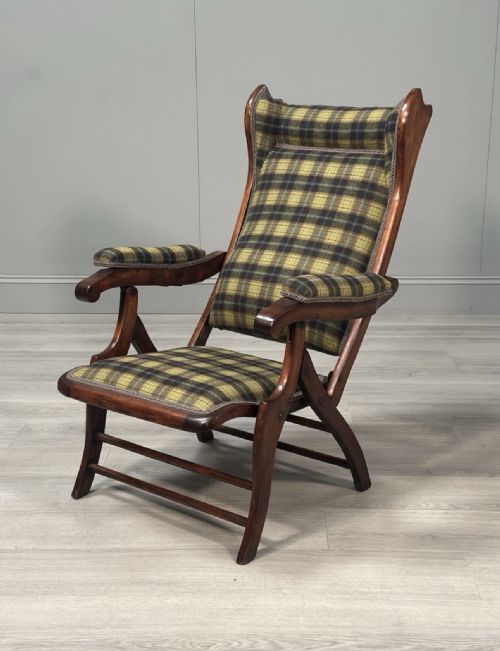
Provincial workshops relied on steam-bending and spindle-turning for Windsor and vernacular forms, whereas urban cabinetmakers employed finely carved mahogany and beech for revival dining suites. Folding campaign mechanisms also appear in the record, showing clever pivoting hardware integrated into wooden frames.
Vintage Wooden Highback Chair Retail Price Guide 2026
Typical asking prices for vintage wooden highback chair among the pieces listed under this phrase on Sellingantiques today, from the lower quarter to the upper quarter. They describe what is for sale here now, not the wider market.
Listings feature oak, mahogany, elm, ash, beech, and yew alongside rush and wool materials.
Factors that distinguish quality
Quality rests upon the integrity of the timber selection and the precision of the underlying joinery, particularly where tall backrests endure daily leverage. Pieces fashioned from dense native timbers like yew, oak, and figured mahogany exhibit superior structural stability compared to softer or secondary woods.
The sophistication of the turning, carving, and regional detailing separates standard utility furniture from pieces bearing distinct Arts and Crafts, Jacobean Revival, or Scottish vernacular character. Original woven rush seats and period upholstery textiles further elevate the integrity of surviving examples.
Liberty Morris and Co
The Vintage Wooden Highback Chair Glossary
- Highback
- A chair featuring an elongated backrest designed to rise well above the seat level, offering increased head and shoulder support.
- Windsor
- A traditional chair constructed with a solid wooden seat into which the legs and back spindles are directly wedged and bored.
- Rush
- A traditional seating material woven from dried marsh plants to form a durable, textured platform within a wooden frame.
- Campaign
- Portable furniture designed for easy dismantling or folding, historically utilised by military officers on active service.
- Vernacular
- Objects designed and built by local craftspeople using regional traditions and native materials, distinct from high-style urban furniture.
Vintage Wooden Highback Chair: Frequently Asked Questions
What defines a vintage wooden highback chair?
A vintage wooden highback chair is characterised by its extended vertical backrest, which reaches well above the seat level. These chairs utilise various timbers like oak, mahogany, and yew across different historical periods.
Such pieces range from utilitarian kitchen armchairs and Windsor designs to formal dining sets and elaborate revival throne chairs.
How were these tall chairs used historically?
Tall wooden chairs served multiple purposes depending on their specific form and domestic setting. Kitchen and Windsor armchairs provided sturdy, supportive seating by the hearth, while sets of highback dining chairs anchored formal dining tables.
Folding campaign versions accommodated mobile officers, and grander revival throne chairs added formal architectural presence to reception rooms.
How should I live with a highback chair?
Living with a highback chair involves placing it where the tall vertical frame can be appreciated without blocking light or sightlines. These pieces work well as standalone focal points in a hallway, library, or bedroom.
Maintenance requires standard care for antique timber and natural seating materials like rush or wool upholstery, keeping them away from direct heat sources.
How can I tell different periods apart?
Differentiating periods relies on observing stylistic revival cues, turning techniques, and timber choices. Eighteenth-century and early nineteenth-century pieces often display regional vernacular traits or sturdy yew construction.
Edwardian and later Arts and Crafts examples reveal specific design movements through simplified lines, exposed joinery, or distinctive branding from retailers like Liberty Morris and Co.