

Vintage Wooden Hall Chairs
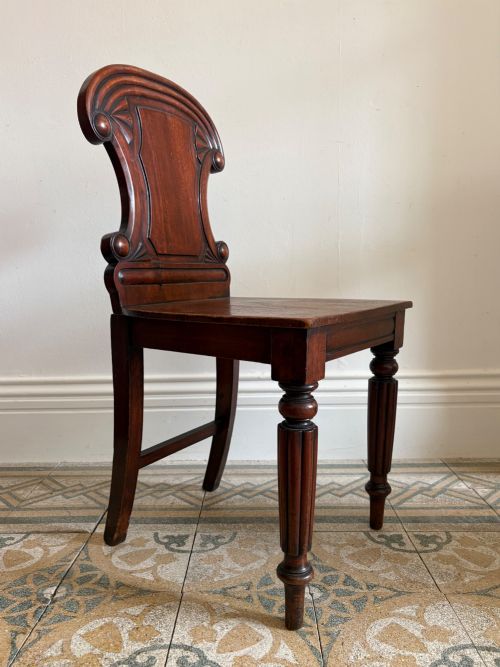
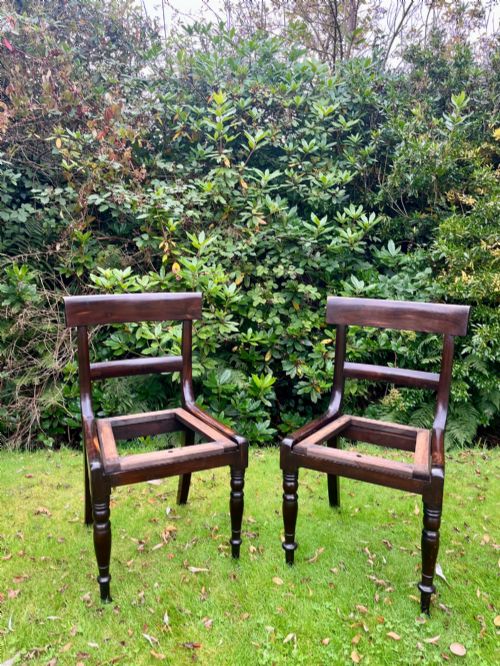
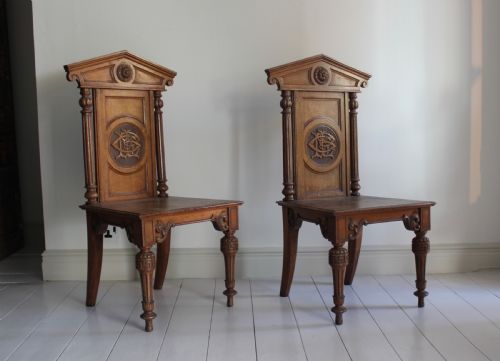
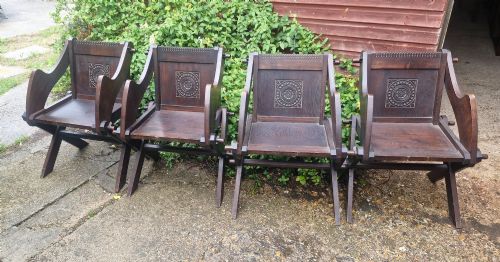
Vintage wooden hall chairs bring strong architectural form and historical presence directly into an entrance space.
Vintage Wooden Hall Chairs
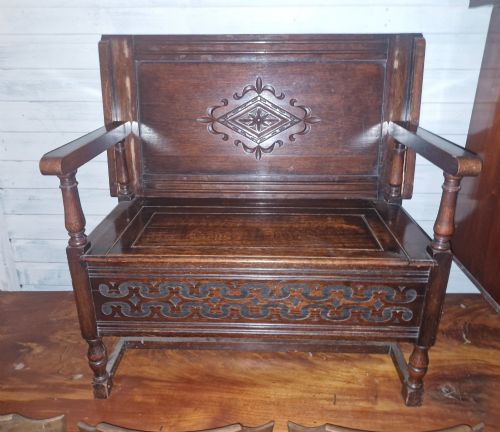
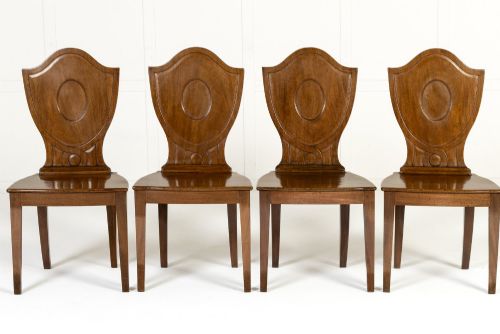
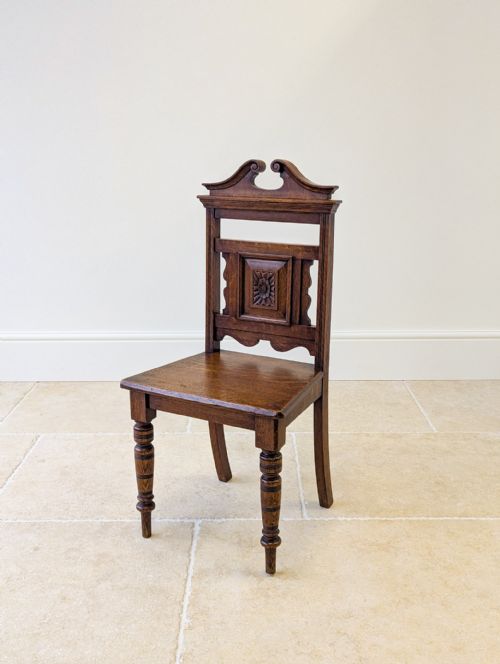
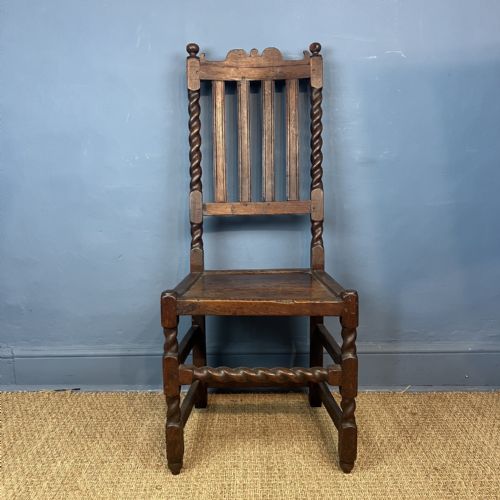
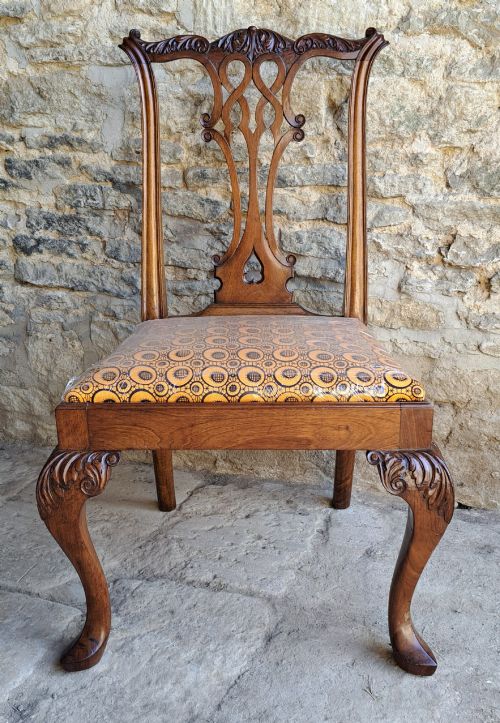
Vintage wooden hall chairs encompass sturdy seating designed historically for grand entryways, vestibules, and corridors. Buyers seeking vintage wooden hall chairs encounter forms ranging from strict Victorian mahogany shields to robust seventeenth-century carved oak designs.
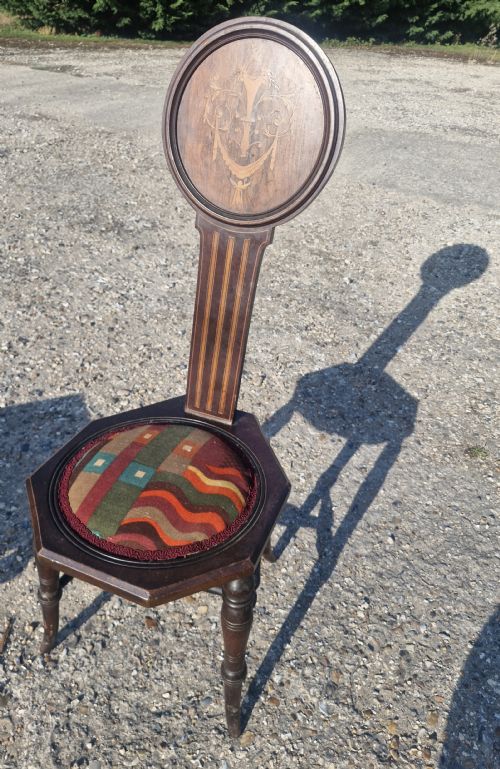
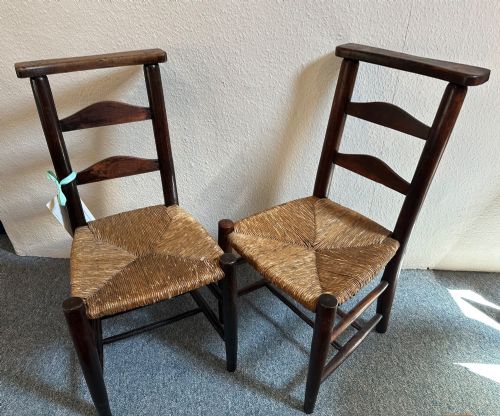
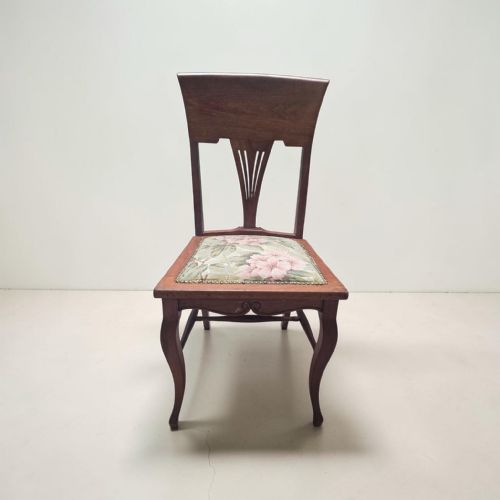
The selection on this page relies heavily on nineteenth-century craftsmanship, alongside earlier seventeenth-century survivals and early twentieth-century interpretations. These seats often feature rigid timber backs intended to encourage upright posture rather than lounging.
Materials and Construction
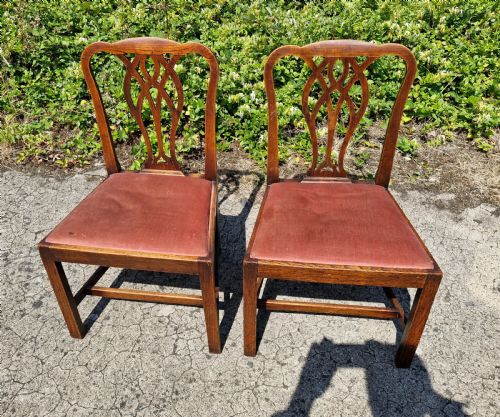
Cabinetmakers utilised dense hardwoods such as oak, mahogany, and walnut to construct these durable seats. Grain patterns and natural timber tones remain central to the visual identity of each piece.
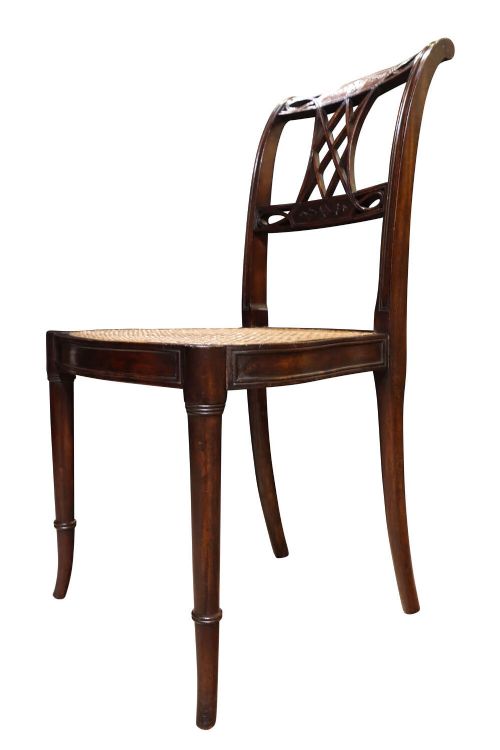
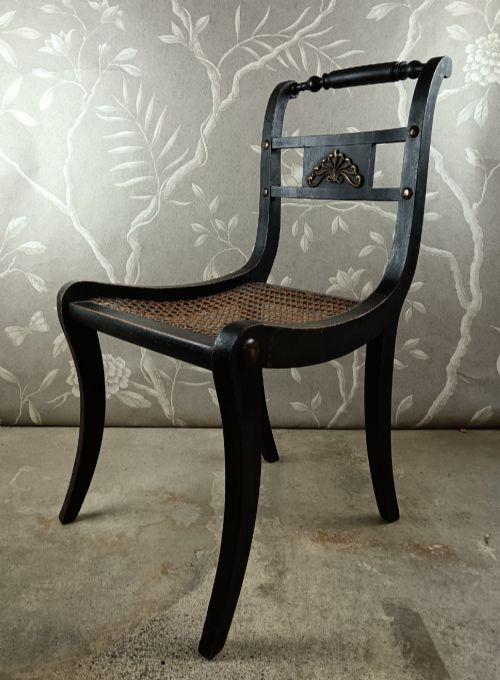
Joinery methods include traditional pegging, turning, and precise carving executed by hand. Supplementary elements such as brass accents, cane inserts, and painted finishes appear across various styles.
Listings feature timber varieties including oak, mahogany, walnut, elm, satinwood, and teak across multiple centuries.
Assessing Quality and Execution
Superior examples display crisp carving, well-figured timber selection, and structural integrity that survives centuries of daily use. Lesser versions often show softer detail in carved crests or replaced timber components that diminish historical cohesion.
The depth of the carving and the fidelity of revival styles to their original periods dictate the standing of an individual piece. Original surface patination also separates standard utility pieces from exceptional collector items.
White, Allom and Co·Whytock and Reid of Edinburgh
The Vintage Wooden Hall Chairs Glossary
- Hall chair
- A rigid wooden seat traditionally placed in an entrance hallway, often bearing a painted or carved family crest. These pieces prioritise display and brief seating over comfort.
- Side chair
- A chair without arms, designed for dining or placement against a wall. They form a large portion of seating found in period hallways.
- Bobbin turned
- A method of woodturning that creates a series of rounded, spool-like shapes along a stretch of timber. This technique appears frequently on seventeenth-century frames.
- Cane
- Woven rattan material used for seats and back panels. It offers a lightweight, flexible surface within a rigid wooden frame.
- Sabre leg
- A concave sweeping leg shape that tapers toward the foot, popular during the Regency period. It mimics the curve of a cavalry sword.
Vintage Wooden Hall Chairs: Frequently Asked Questions
What is a hall chair?
A hall chair is a rigid wooden seat historically positioned in a grand entrance hall or corridor. They were designed for short periods of sitting while waiting.
These chairs frequently feature wooden backs carved or painted with family crests or heraldic motifs. Their primary function was to impress visitors rather than provide domestic comfort.
How do I date a wooden chair?
Dating involves examining the timber species, joinery methods, and stylistic cues present in the design. Earlier pieces often utilise solid oak with pegged joints, while later examples incorporate mahogany or walnut.
Tool marks left by hand saws and the presence of natural wear patterns also help establish the approximate period of manufacture.
Were these chairs used for dining?
Most hall chairs were intended specifically for corridors and entrance spaces rather than the dining table. Their upright wooden construction makes them less suitable for long meals.
However, side chairs from similar periods share comparable forms and proportions, leading to some crossover in modern domestic placement.
How should I care for antique wood?
Maintaining antique timber requires stable indoor humidity levels and protection from direct sunlight. Excessive dryness causes wood to split, while moisture damages traditional polishes.
Occasional application of appropriate wax helps preserve the natural lustre and surface patination built up over centuries.