

Vintage Wooden Garden Seat
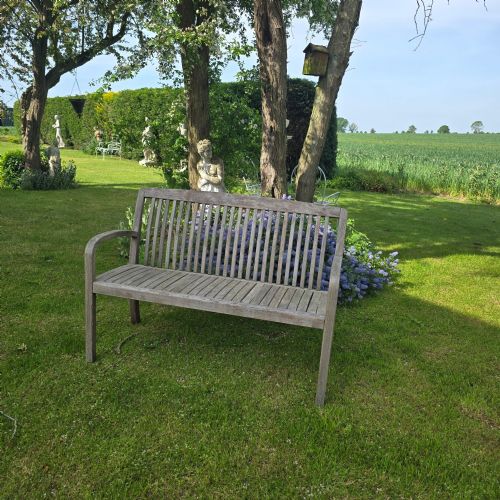
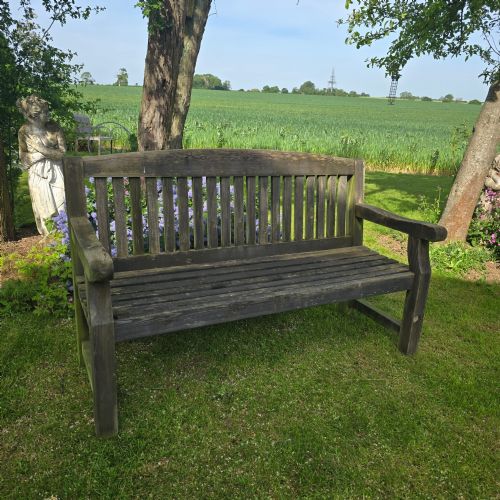
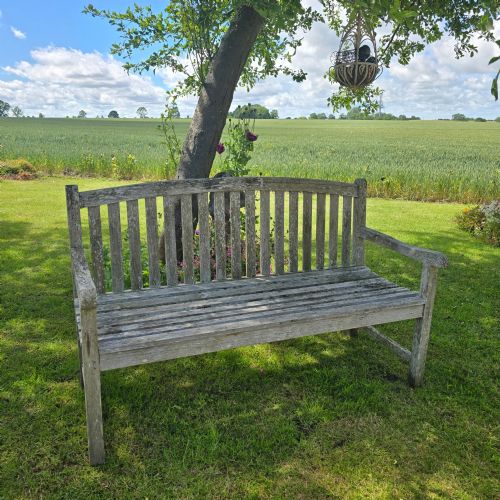
A vintage wooden garden seat brings character and structural weight to a lawn or terrace.
Vintage Wooden Garden Seat
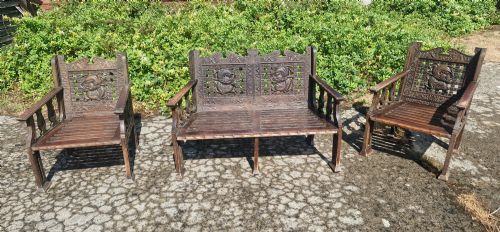
A vintage wooden garden seat encompasses outdoor benches, armchairs, and seating suites designed for domestic grounds and public platforms. The pieces span the nineteenth century, the Edwardian era, and the nineteen-thirties, reflecting diverse regional tastes from English country gardens to French country spaces.
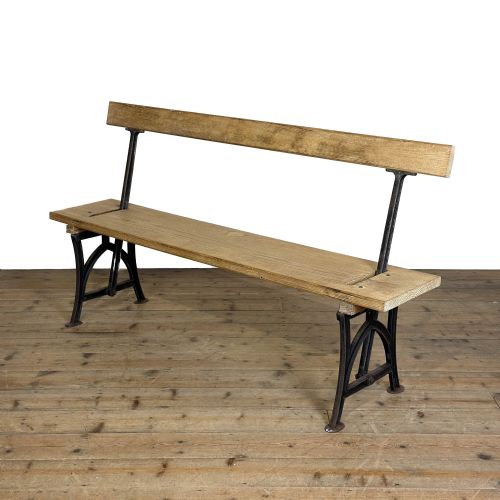
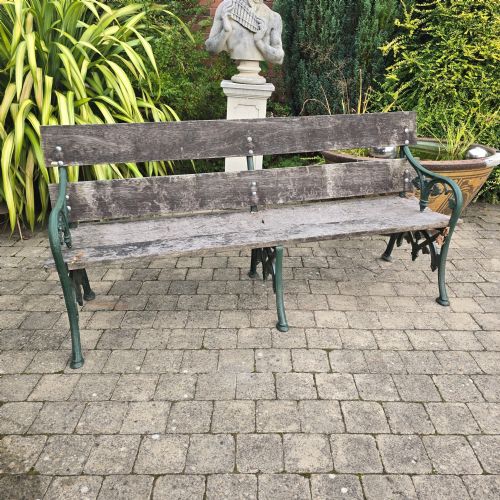
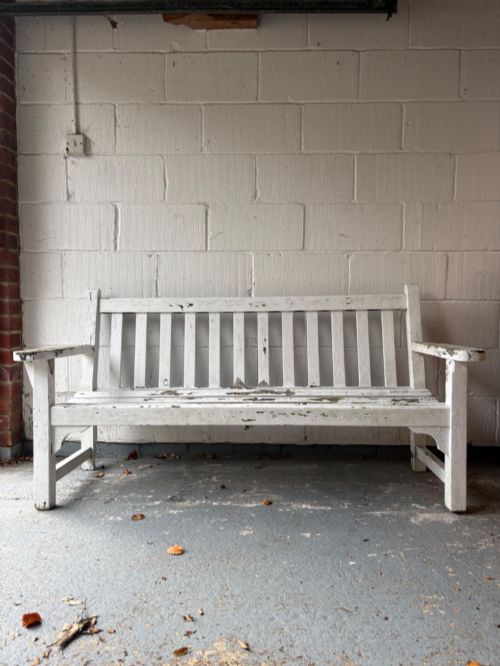
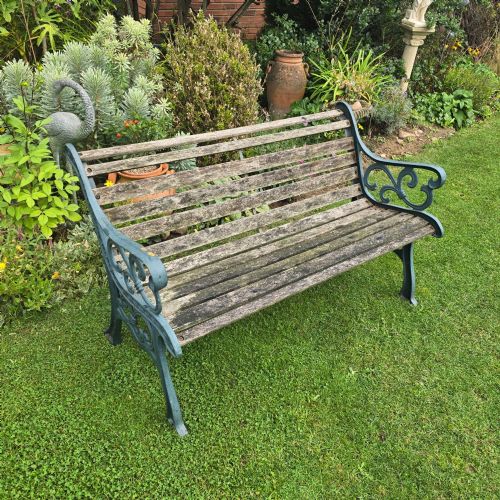
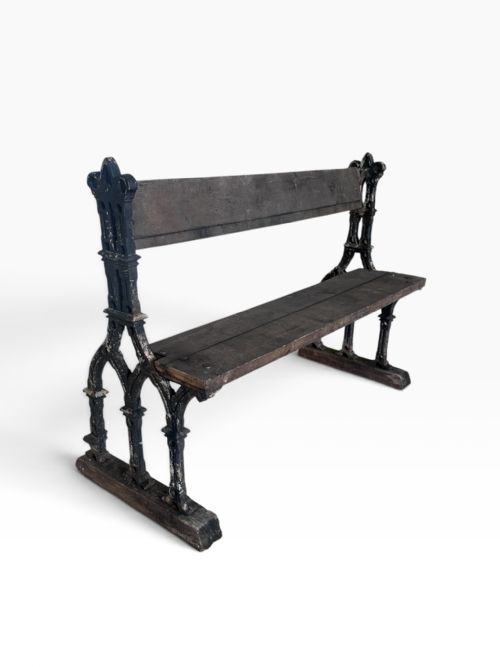
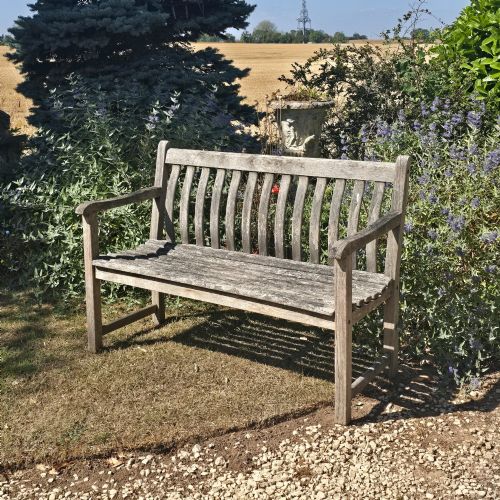
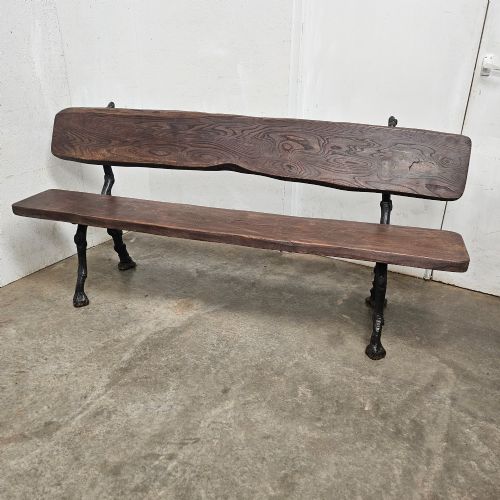
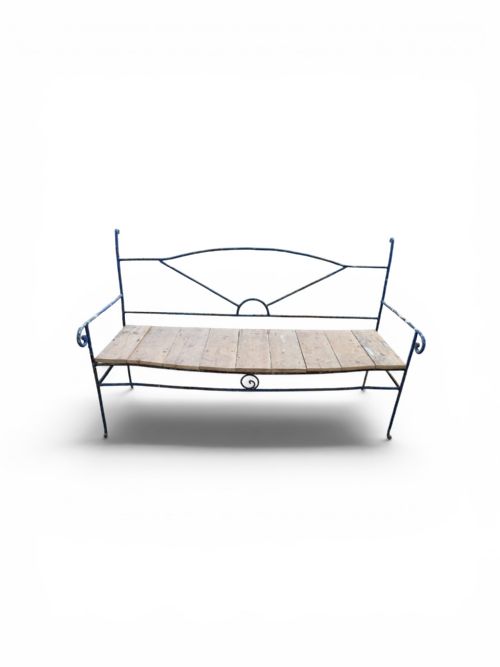
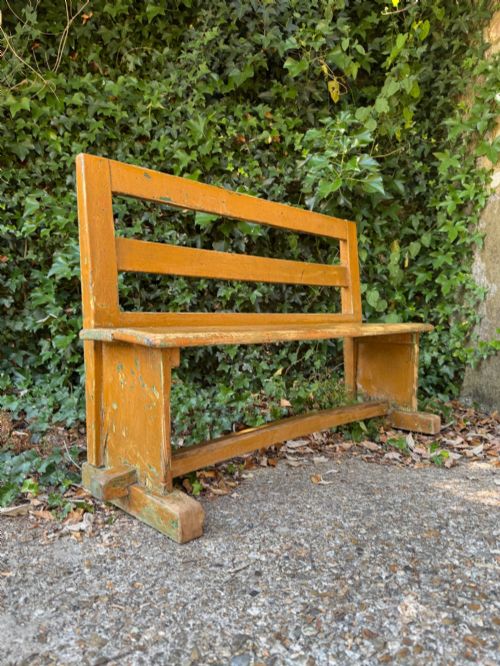
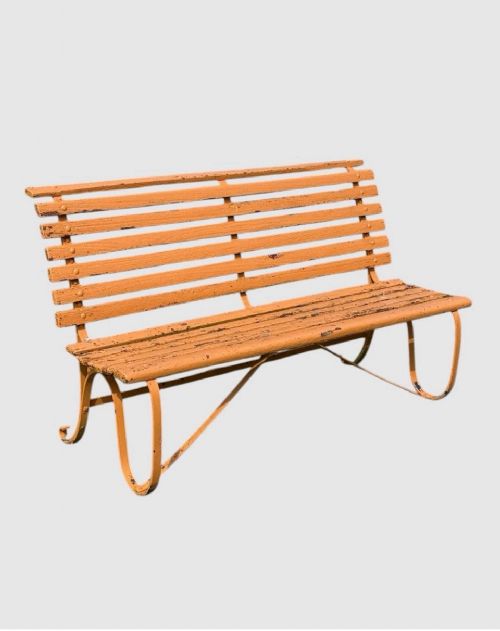
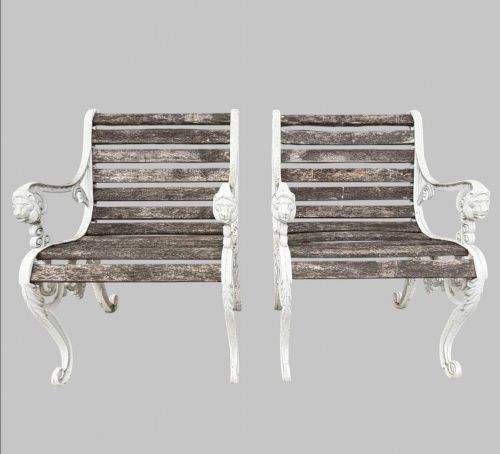
Buyers encounter sturdy teak benches, painted timber frames, and examples combining elm or pine with metal supports. Many forms incorporate cast iron ends with wooden slats, while others rely entirely on durable hardwoods suited to prolonged outdoor exposure.
The selection ranges from simple park benches and railway station seating to ornate Victorian Gothic designs and carved conservatory suites. Each piece shows the patination of age through weathered surfaces and silvered grain.
How they were made
Construction relies heavily on dense timbers such as teak and elm, selected for natural resistance to moisture and decay. Joinery typically involves robust framing techniques capable of withstanding heavy use and seasonal temperature shifts.
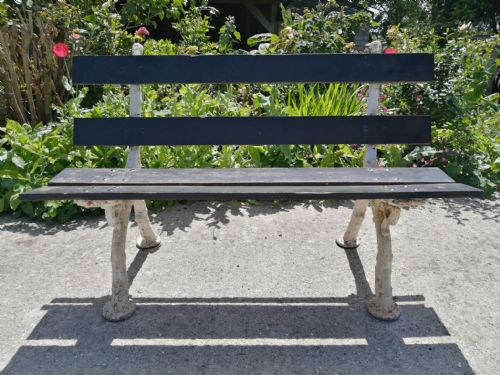
Metal components form an integral part of many designs, utilising durable cast iron for decorative ends, structural supports, and intricate faux bois framing. Paint finishes, when present, provide an additional layer of surface protection over pine or mixed timber components.
Vintage Wooden Garden Seat Retail Price Guide 2026
Typical asking prices for vintage wooden garden seat among the pieces listed under this phrase on Sellingantiques today, from the lower quarter to the upper quarter. They describe what is for sale here now, not the wider market.
Materials span cast iron, teak, pine, elm, and painted timber across various garden seating formats.
What varies in quality
Quality separates simple utility furniture from masterwork designs through the crispness of iron casting detail and the selection of primary timbers. Dense hardwoods like teak maintain structural integrity far longer than softer pine alternatives subjected to weathering.
The sophistication of the design dictates the standing of a piece, with standard park forms differing significantly from intricate Victorian Gothic patterns, faux bois ornamentation, or specialised railway station seating bearing specific provenance.
Coalbrookdale
The Vintage Wooden Garden Seat Glossary
- Faux bois
- Imitation wood. This decorative technique mimics natural branches and timber grain using cast iron or concrete.
- Teak
- A dense tropical hardwood. It contains natural oils that resist moisture and weathering, making it ideal for outdoor furniture.
- Cast iron
- An iron-carbon alloy poured into moulds. It provides sturdy, ornate structural ends for garden benches.
- Conservatory suite
- Matching indoor or semi-outdoor seating. These groupings furnish glasshouses and protected garden rooms.
Vintage Wooden Garden Seat: Frequently Asked Questions
How do I identify a Victorian garden bench?
Victorian examples often feature heavy cast iron frames with gothic motifs or elaborate botanical scrollwork.
Construction details and traditional fastening methods help distinguish these nineteenth-century pieces from later reproductions.
What is faux bois furniture?
Faux bois translates to false wood, representing a style where iron is cast to resemble rustic branches.
This technique was popular during the nineteenth century for garden seating designed to blend with natural surroundings.
How do I clean weathered teak wood?
Washing with mild soapy water and a soft brush removes surface dirt without damaging the timber.
Applying specialised oils is optional, though many collectors prefer allowing the natural silvered finish to remain.