






Vintage Wooden Deity
These vintage wooden deity carvings bring character and sacred presence into a room, spanning traditional styles from across Asia.
Vintage Wooden Deity
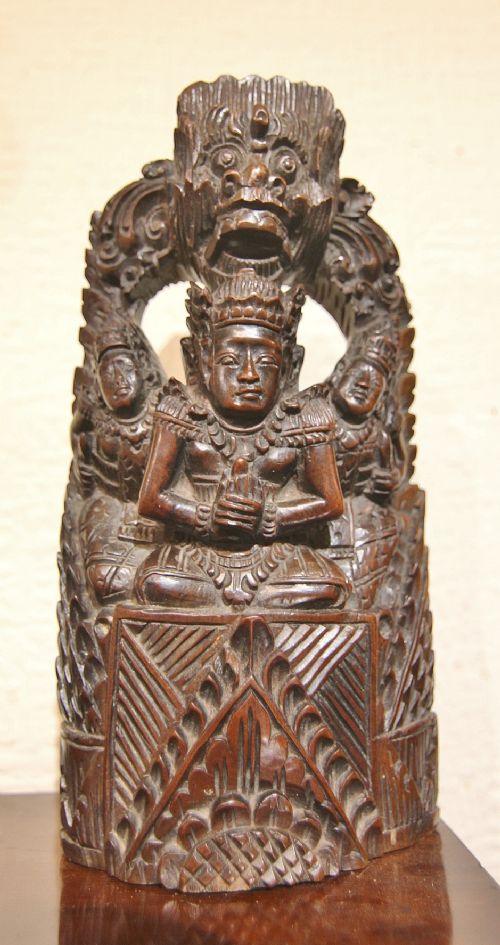
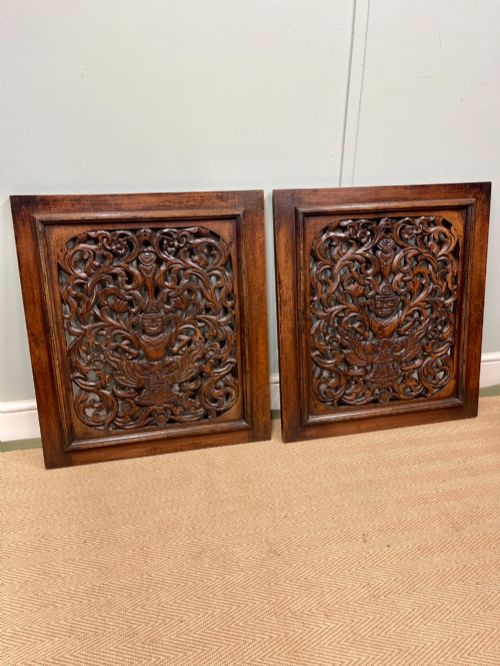
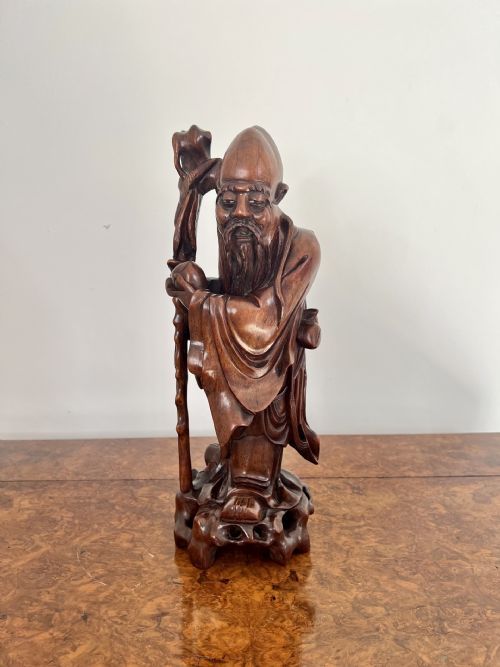
When you search for vintage wooden deity pieces, you find carved figures, wall panels and architectural elements drawn from various traditions across the nineteenth and early twentieth centuries. These objects represent religious and mythological figures such as the Goddess Parvati with Ganesha, Rama and Sita, Buddha, and Vishnu accompanied by Garuda and dragons.
The pieces listed on this page originate from diverse cultural contexts including China, Burma, Bali, India and Indonesia. Forms range from freestanding sculptures and religious statues to large decorative panels and architectural carvings made during periods like the Qing Dynasty.
Buyers most frequently meet nineteenth-century and early twentieth-century examples rendered in various regional aesthetic traditions. Each piece reflects the specific spiritual iconography and artistic conventions of its place of origin, whether Chinese, Southeast Asian, Balinese or Anglo-Indian.
How they were made
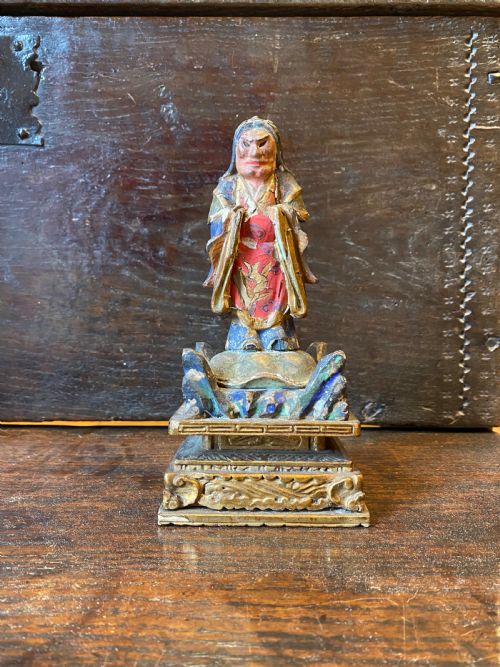
Artisans carved these sculptures and panels from dense timbers such as teak, rosewood and general hardwood, often applying surface treatments like lacquer, stain or gilt wood. Selected pieces incorporate delicate details through glass inlay work to accentuate the decorative scheme.
The manufacturing technique relies entirely on hand carving, utilising the natural grain and durability of the wood to achieve intricate drapery, facial expressions and ornamental motifs. Regional workshops employed traditional chiselling and finishing methods handed down through generations.
Vintage Wooden Deity Retail Price Guide 2026
Typical asking prices for vintage wooden deity among the pieces listed under this phrase on Sellingantiques today, from the lower quarter to the upper quarter. They describe what is for sale here now, not the wider market.
Keep an eye out for dragons keeping company with Vishnu and Garuda.
What varies in quality
The choice of material and preservation of original surface finishes, such as gilding or lacquer, heavily influence the visual impact of a carving. Pieces demonstrating careful integration of wood grain with the sculpted subject command greater attention.
The Vintage Wooden Deity Glossary
- Hardwood
- Dense timber derived from broad-leaved trees, offering durability and a fine grain suitable for intricate carving. Rosewood and teak are common examples found in these pieces.
- Gilt wood
- Wood that has been coated with a thin layer of gold leaf or gilt paint. This treatment highlights sacred figures and adds reflective brilliance.
- Glass inlay
- Small pieces of coloured or mirrored glass embedded into the wooden surface to adorn jewellery, clothing or architectural elements. It creates sparkling points of light across the sculpture.
- Qing Dynasty
- The final imperial dynasty of China, lasting from the seventeenth to the early twentieth century. Objects from this period often display refined traditional artistry.
- Relief
- Sculptural technique where the figures project from a flat background. Wall panels rely heavily on this method to create depth and narrative scenes.
Vintage Wooden Deity: Frequently Asked Questions
What materials are used for these deity carvings?
The pieces are constructed primarily from various hardwoods, including teak and rosewood, selected for their stability and fine grain.
Additional surface materials frequently include lacquer, gilt wood finishes and decorative glass inlay.
How can I tell the age of a wooden deity?
Dating relies on stylistic markers associated with specific periods like the nineteenth century or the Qing Dynasty, along with the natural patina of the wood.
Construction methods and regional carving conventions also provide reliable indicators of age.
Where do these vintage carvings originate?
The inventory encompasses works from China, Burma, Bali, India and Indonesia, reflecting distinct regional spiritual traditions.
Styles span traditional Chinese art, Balinese craftsmanship and nineteenth-century Burmese and Indian aesthetics.
How should I display a wooden deity at home?
These sculptures and wall panels work well as focal points in living spaces, studies or entryways where their intricate detail can be appreciated.
Placement should avoid direct sunlight and extreme humidity changes to protect the timber and any gilt or lacquer surfaces.