





Vintage Wooden Daybed
These vintage wooden daybed examples span diverse global traditions, offering flexible seating and sleeping surfaces shaped by centuries of woodworking craft.
Vintage Wooden Daybed
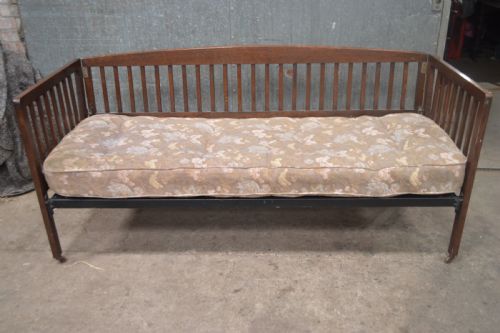
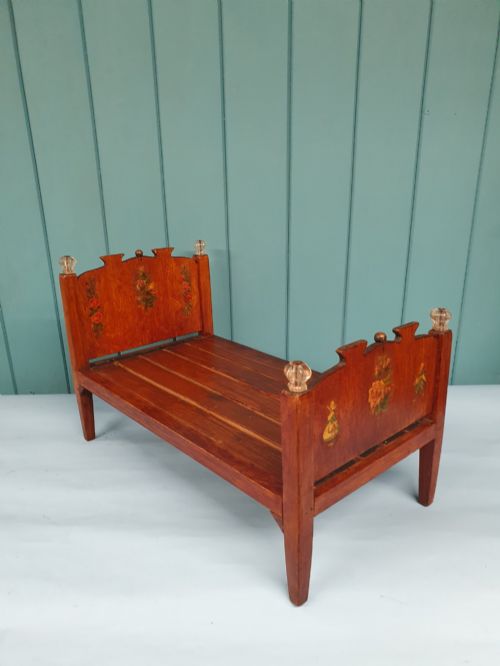
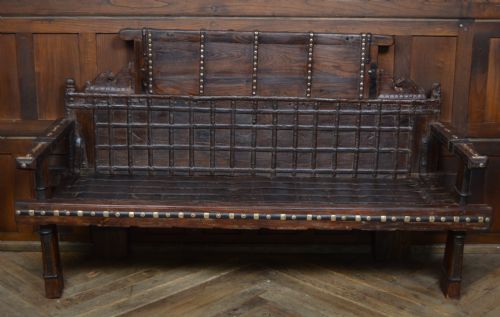
When searching for a vintage wooden daybed, collectors encounter a diverse group of seating and resting forms originating from multiple stylistic traditions. The pieces recorded here range from formal Regency and Victorian campaign frames to Northern Indian takhat tables, Anglo-Indian hardwood sofas, and Chinese hardwood day beds. Buyers most frequently meet nineteenth-century examples alongside early twentieth-century variations, encompassing both full-scale furniture and miniature dolls' beds.
The functional typology of these items extends across daybeds, chaise longues, settees, and settle benches. Structural configurations vary from folding camp frames to fixed platforms and bergere cane sofas, reflecting global domestic habits. Whether formed as a colonial plantation chaise or an Edwardian miniature, each piece serves a dual purpose for lounging and display.
How they were made
Makers constructed these frames predominantly from dense hardwoods and mahogany, frequently integrating natural cane panels and rattan for seating surfaces. Joinery methods relied on traditional woodworking techniques suited to each regional style, from British campaign folding mechanisms to heavy Indian and Chinese timber framing. Secondary materials such as brass fittings, iron accents, and fabric upholstery appear across the inventory to support structural joints and comfort.
Surface treatments range from painted finishes and bleached wood to polished mahogany and rustic patinas. Turned legs, original castors, and hand-carved details emerge directly from the physical evidence, demonstrating distinct regional tool use and workshop practises across the nineteenth and early twentieth centuries.
Vintage Wooden Daybed Retail Price Guide 2026
Typical asking prices for vintage wooden daybed among the pieces listed under this phrase on Sellingantiques today, from the lower quarter to the upper quarter. They describe what is for sale here now, not the wider market.
The recorded inventory includes pieces made from mahogany, teak, hardwood, iron, brass, cane, and fabric.
What varies in quality
The distinction between tiers of quality rests upon the integrity of the original timber frame and the refinement of its joinery. Superior examples maintain intact cane work, original castors, and cohesive structural elements without intrusive later alterations. Lesser pieces often exhibit mismatched components or compromised structural stability resulting from heavy domestic use over time.
Artistic execution in carved ornament and the purity of regional stylistic details further separate standard utility items from exceptional workshop output. The harmony of proportions, the preservation of original surface finishes, and the grade of selected hardwood determine the overall standing of an individual piece within its period.
The Vintage Wooden Daybed Glossary
- Bergere
- A closed-arm French armchair or sofa style featuring upholstered elements or cane panels set into a wooden frame.
- Campaign style
- Portable furniture designed for military officers, typically featuring folding frames, hardwood construction, and brass hardware.
- Caning
- A weaving technique utilising rattan or cane strips to create porous, flexible panels for seat backs and bases.
- Takhat
- A low, heavy wooden platform or table originating in India, traditionally used for sitting or sleeping.
- Settle bench
- A wooden bench featuring a high back to block drafts, often incorporating enclosed seating or storage beneath.
Vintage Wooden Daybed: Frequently Asked Questions
How were antique daybeds used originally?
These pieces served multiple domestic functions throughout the day and night, functioning as casual seating, lounging platforms, and auxiliary sleeping spaces in homes across different cultures.
Portable variants also travelled with military officers or colonial officials on campaign, providing familiar comfort in temporary quarters.
Can I use a vintage daybed for sleeping?
Many historical daybeds accommodate standard resting use, though dimensions vary significantly compared to modern mattress sizes, particularly on nineteenth-century or regional variants.
Buyers should verify internal frame measurements carefully before selecting cushions or pads for daily sleeping purposes.
How do I identify a campaign day bed?
Campaign styles generally incorporate clever folding mechanisms, removable parts, and robust brass fittings designed for rapid dismantling and transport by travellers.
Their timber frames rely on durable hardwoods like mahogany to withstand rigorous movement across long distances.
What is an Anglo-Indian daybed?
These hybrid pieces combine British furniture forms with traditional Indian woodworking techniques and native hardwood materials, produced during the colonial period.
They frequently feature elaborate turned supports, expansive cane panels, and deep seating platforms suited to warmer climates.