




Vintage Wooden Clothes Rack
A vintage wooden clothes rack brings practical utility and warmth to a room, offering a sturdy frame for garments and textiles.
Vintage Wooden Clothes Rack
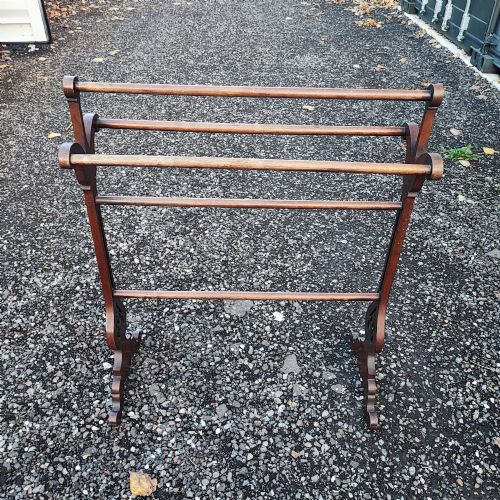
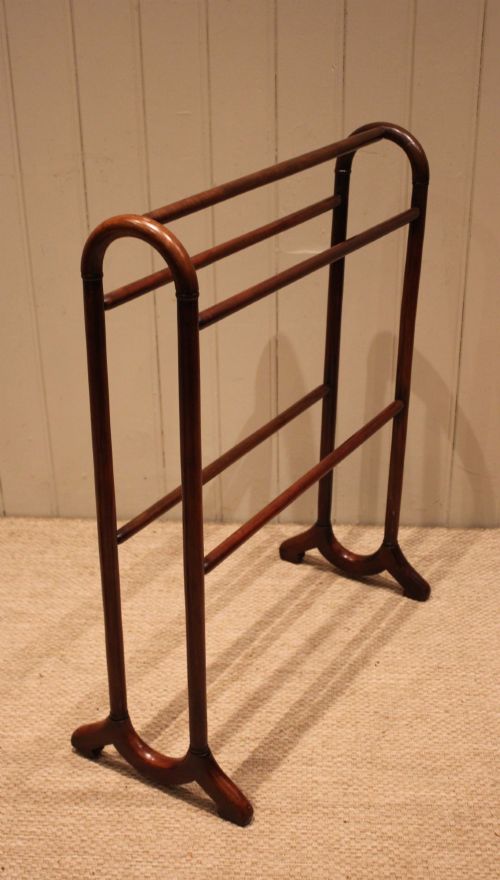
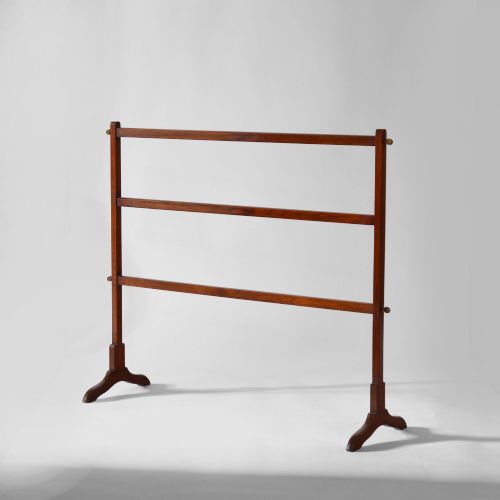
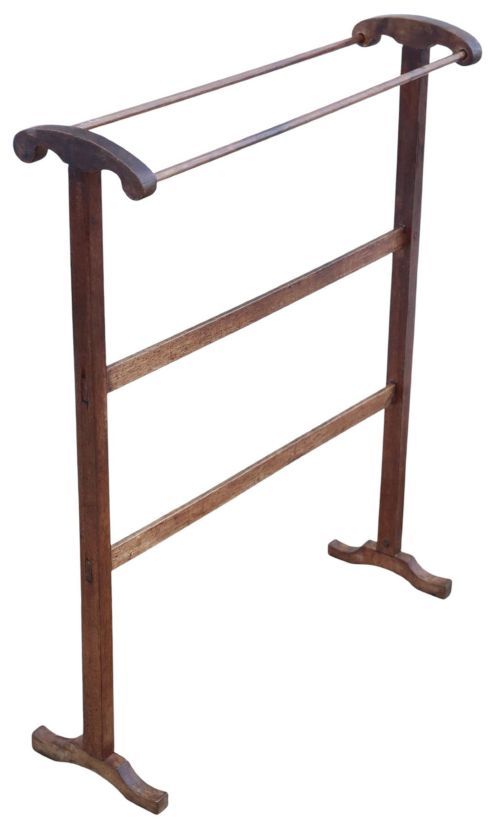
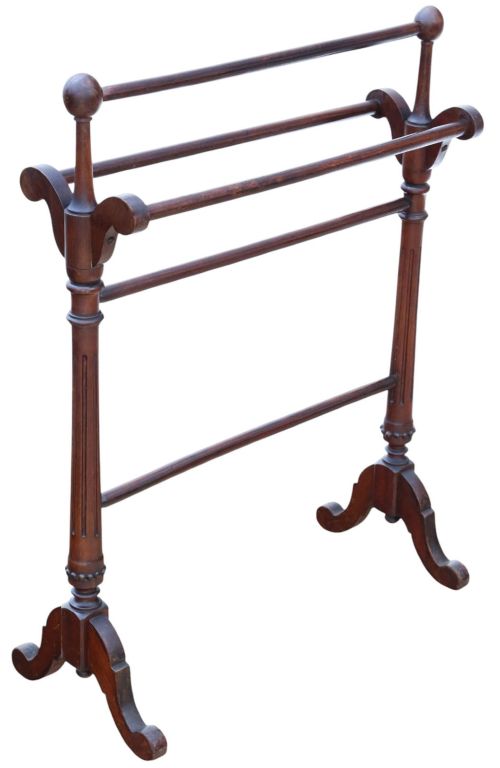
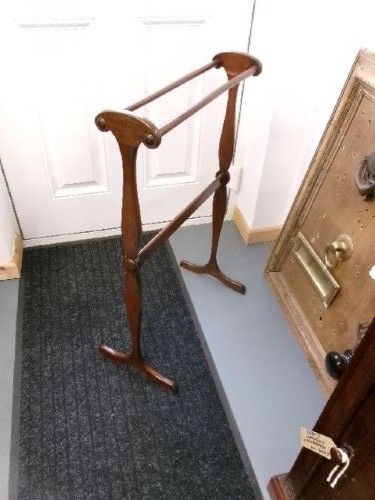
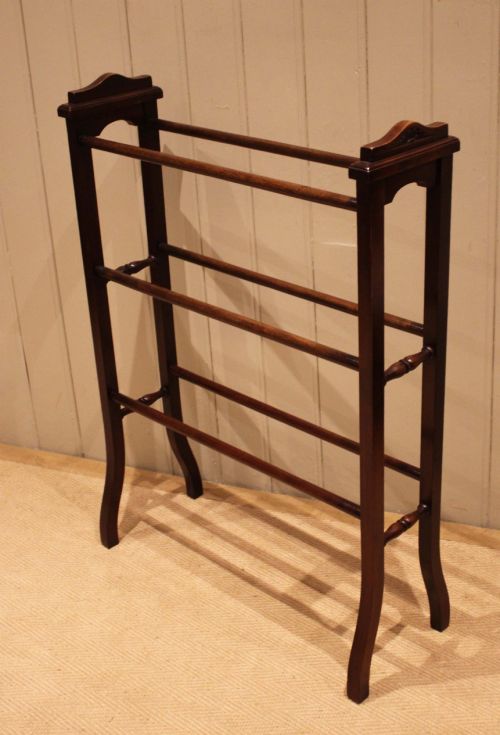
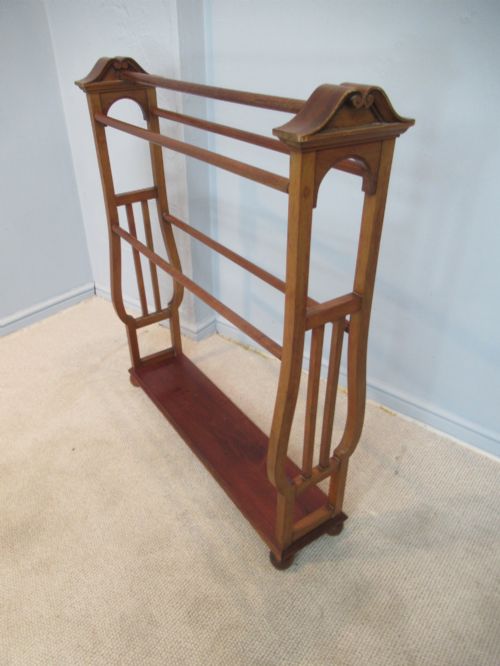
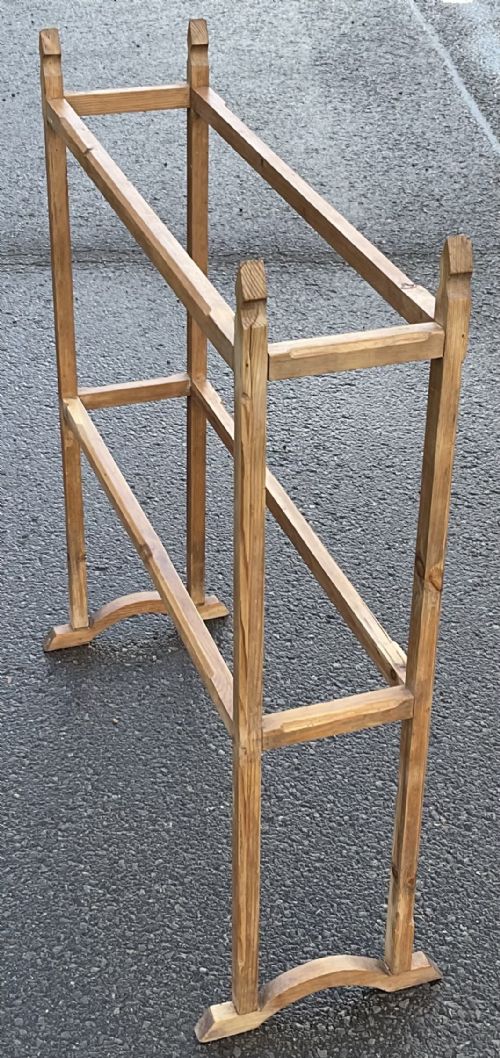
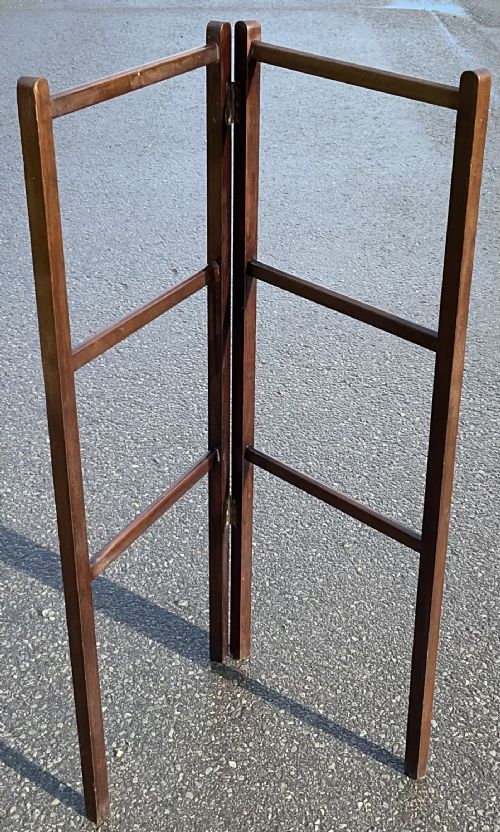
A vintage wooden clothes rack serves as a functional furnishing for garments and textiles, encompassing various forms from the nineteenth and early twentieth centuries. These pieces frequently appear in formats such as standing towel rails, airers, hall stands, and clothes horses designed for domestic spaces.
The selection on this page leans heavily towards freestanding and folding timber towel rails and airers originating from the Victorian, Edwardian, and Regency periods. Mahogany, oak, and pine dominate these utilitarian objects, which were originally built for bedrooms, dressing rooms, and kitchens.
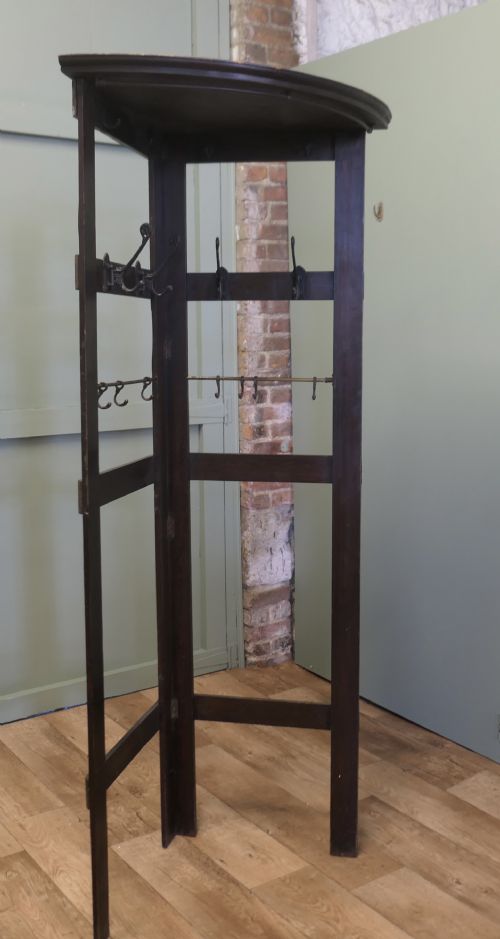
Buyers will also encounter specialised items such as campaign folding wardrobes, wall-mounted airers, and large robe stands influenced by Arts & Crafts or Gothic Revival styles. Each version reflects the domestic routines of its era, utilising native and exotic hardwoods to support daily household management.
Materials and construction methods
Cabinetmakers constructed these racks using solid timbers such as mahogany, oak, walnut, pine, and teak, often selecting denser woods to withstand regular weight and handling. Joinery techniques varied from simple pegged frames to sophisticated folding hinges and brass hardware designed for portability in campaign pieces.
Surfaces received traditional finishes including clear wax, dark polish, or black ebonisation, while select examples incorporated carved details, turned spindles, or inlaid wood. Metal components like iron and brass served structural and decorative roles, securing moving joints and hanging points on multi-bar airers and hall stands.
Vintage Wooden Clothes Rack Retail Price Guide 2026
Typical asking prices for vintage wooden clothes rack among the pieces listed under this phrase on Sellingantiques today, from the lower quarter to the upper quarter. They describe what is for sale here now, not the wider market.
Listings feature timbers including mahogany, pine, oak, walnut, teak, and elm, spanning periods from the Regency era through the Edwardian period.
Indicators of quality
Quality in these pieces rests upon the selection of timber and the integrity of the joinery rather than ornamental excess. Dense hardwoods like mahogany and oak, combined with robust framing, distinguish superior utilitarian items from simpler pine workshop pieces.
Proportion and execution also mark the higher tier of the range, visible in finely turned rails, well-fitted folding hinges, and balanced proportions. Generous scale and thoughtful detailing, such as multi-bar configurations or inlaid decoration, separate standard domestic items from substantial country house examples.
The Vintage Wooden Clothes Rack Glossary
- Cheval towel rail
- A freestanding floor model featuring a pivoting frame or multiple hinged sections that swing open. This design allows garments or linens to catch the air from multiple angles.
- Campaign piece
- Portable furniture originally constructed for travel, featuring folding mechanisms and brass corners or mounts. These items combined durability with ease of transport.
- Gothic Revival
- A nineteenth-century design style drawing inspiration from medieval architecture. Pieces in this aesthetic often feature pointed arches, heavy timber, and dark finishes.
- Arts & Crafts
- A movement prioritising traditional craftsmanship and honest construction over mass production. Objects from this style emphasise simple forms and the natural grain of woods like oak and pine.
Vintage Wooden Clothes Rack: Frequently Asked Questions
How were these racks originally used?
These wooden frames served primarily in bedrooms, nurseries, and kitchens for airing laundry, drying towels, and hanging garments. Families relied on them to warm clothes near fires or keep daily wear organised before built-in closets became standard.
Portable folding designs allowed servants to move the racks easily between rooms as household tasks required. Larger standing versions accommodated multiple garments simultaneously in busy Victorian and Edwardian homes.
Where do these pieces fit in a modern home?
A vintage rack integrates smoothly into bathrooms for towel storage, bedrooms for organising daily wear, or laundry rooms for air-drying garments. Their slender wooden profiles utilise vertical space efficiently without dominating a room.
Placing one in an entryway provides practical hanging space for coats and scarves while introducing historic warmth. The variety of woods allows them to complement both traditional and contemporary interiors.
How do I distinguish Victorian from Edwardian pieces?
Victorian examples generally feature darker timbers, heavier proportions, and more robust turned elements or Gothic Revival influences. Mahogany and walnut dominate this earlier era, often paired with deep polished finishes.
Edwardian pieces tend to display lighter construction, frequently utilising pine, inlaid mahogany, or simpler Arts & Crafts lines. The later period brought increased functionality through flexible folding mechanisms and wall-mounted formats.