


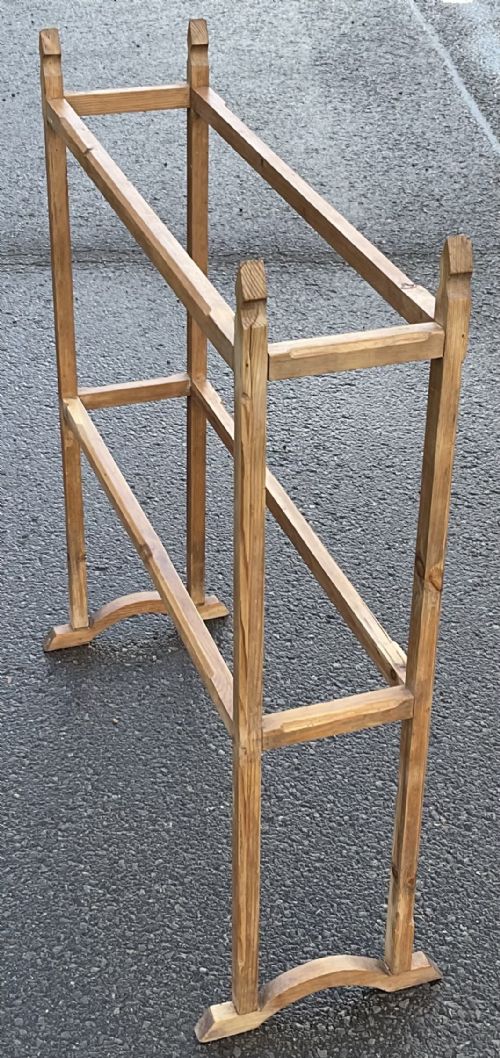


Vintage Wooden Clothes Horse
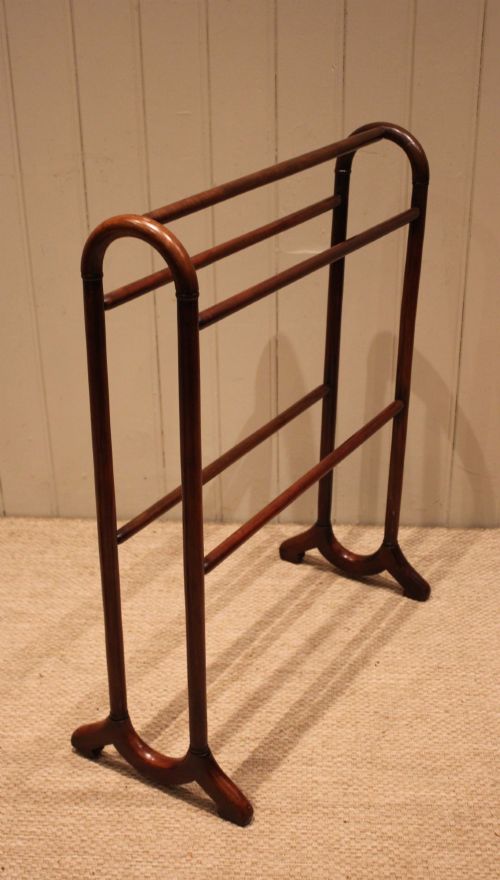
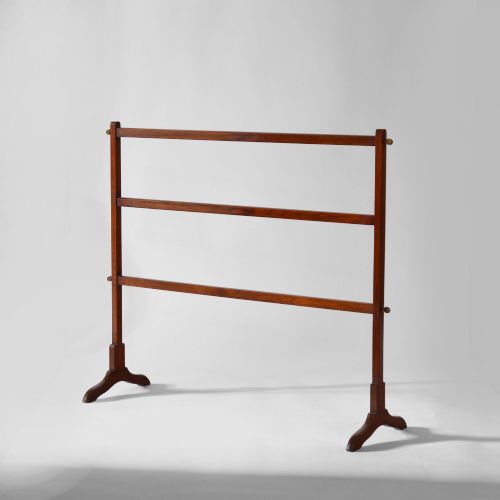
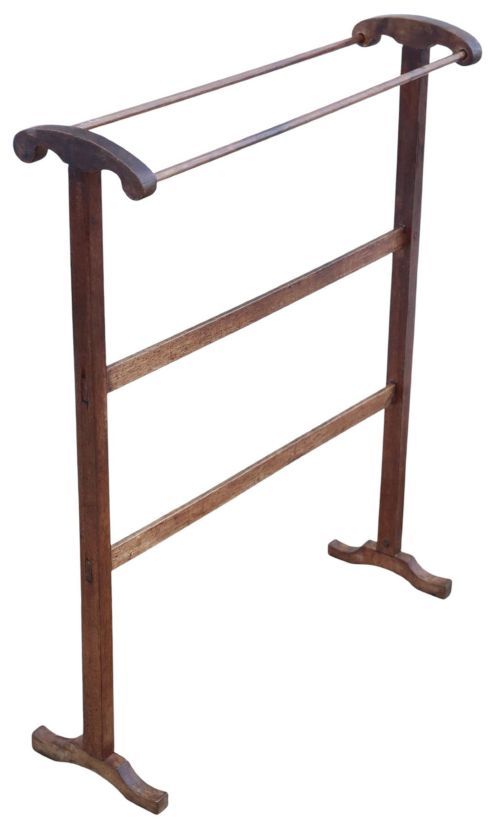
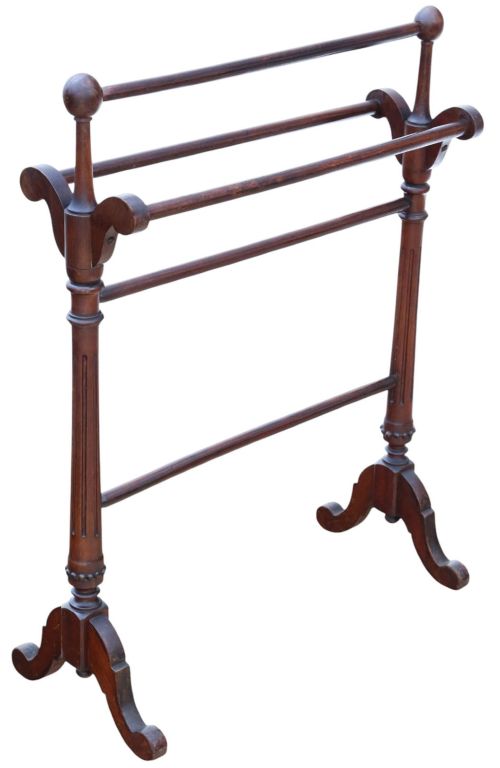
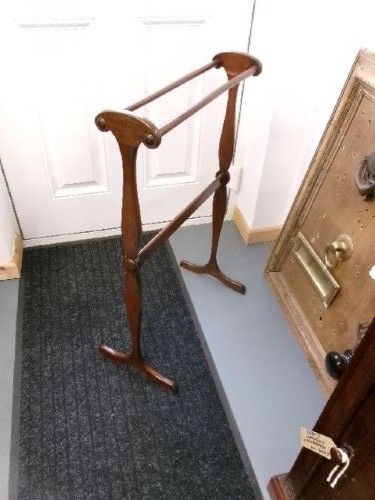
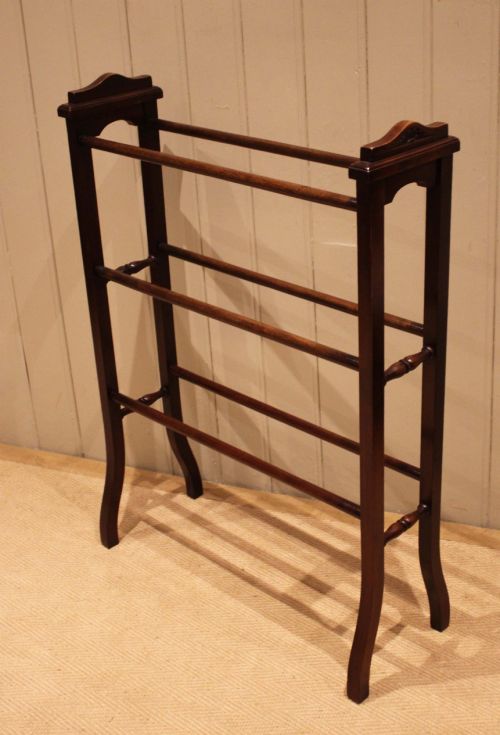
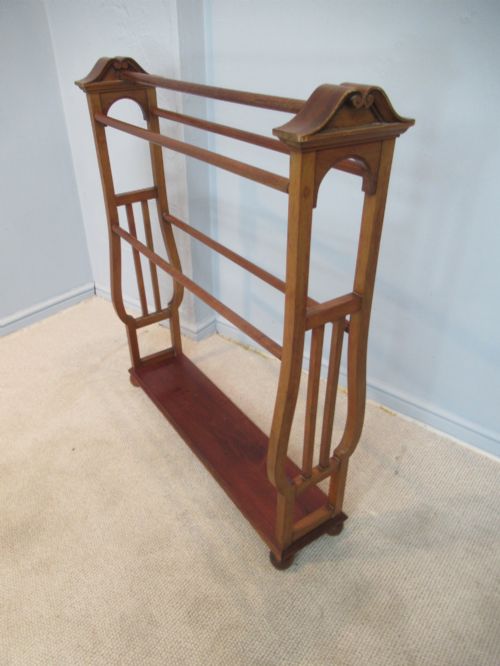
A vintage wooden clothes horse offers practical utility and warm interior character, functioning primarily as a traditional towel rail or clothes airer.
Vintage Wooden Clothes Horse
When you search for a vintage wooden clothes horse, you encounter practical laundry and bathroom accessories originating from periods spanning the nineteenth century through the Edwardian era. These pieces frequently manifest as standing towel rails, clothes racks, and folding airers designed for domestic utility.
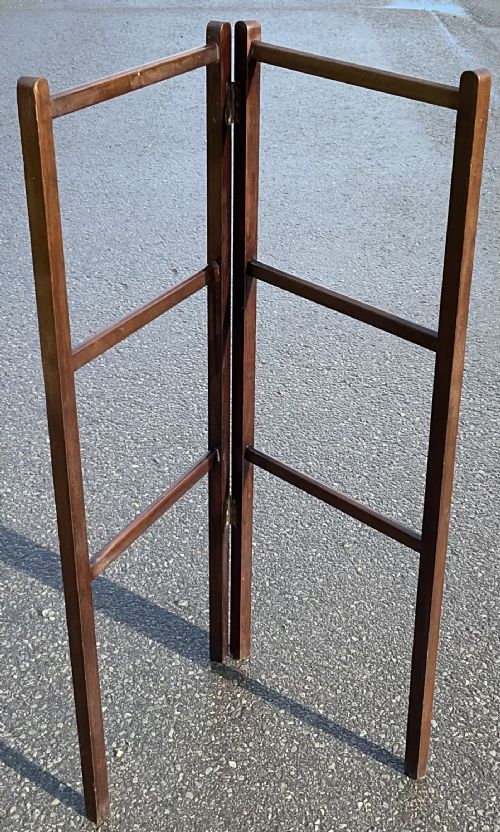
The selections on this page are dominated by mahogany, pine, and oak examples, often constructed as folding frames with multiple rails. Styles range from simple Edwardian and Victorian utility items to elaborate Regency, Gothic Revival, and Arts and Crafts interpretations.
Originating from British domestic spaces and campaign contexts, alongside occasional larger imported forms like Chinese lacquered robe stands, these items demonstrate historical versatility. The most common format met here is the freestanding timber towel rail with three or five rails.
Materials and construction methods
Makers utilised dense hardwoods such as mahogany, walnut, teak, and oak alongside resilient softwoods like pine, often applying ebonised or lacquered finishes to achieve specific aesthetic qualities. Brass hardware occasionally appears on campaign pieces and folding mechanisms to provide structural reinforcement.
Joinery techniques focus on creating stable folding or standing frames capable of supporting textiles without tipping. Frame construction incorporates multi-rail layouts, inlaid details, and robust silhouettes tailored to daily domestic demands.
Vintage Wooden Clothes Horse Retail Price Guide 2026
Typical asking prices for vintage wooden clothes horse among the pieces listed under this phrase on Sellingantiques today, from the lower quarter to the upper quarter. They describe what is for sale here now, not the wider market.
Object forms span standing towel rails, folding cheval rails, wall-mounted airers, and large Chinese lacquered robe stands.
Distinctions in construction and design
Quality varies significantly between standard domestic pine utilities and finer cabinet-made mahogany or oak pieces featuring decorative inlay, robust timber selection, or specific stylistic lineage such as Arts and Crafts or Gothic Revival. The presence of sophisticated folding mechanisms and superior joinery elevates the distinction of a piece.
Proportions and scale also dictate quality, moving from modest small rails to impressive large country house stands or generous Regency proportions that require skilled timber selection and balanced engineering to remain stable.
The Vintage Wooden Clothes Horse Glossary
- Towel Rail
- A freestanding or wall-mounted wooden frame featuring multiple horizontal bars designed for airing textiles and garments. These items form the core of the selection.
- Cheval Towel Rail
- A pivoting or standing frame design that allows the rail section to rotate within upright supports. This style provides adjustable positioning for hanging items.
- Campaign Towel Rail
- A portable furniture form designed for easy dismantling or folding, historically utilised during military travel. They often incorporate brass fittings.
- Ebonised Wood
- Timber treated with a dark stain or finish to imitate expensive ebony. This technique appears frequently on nineteenth-century stands.
- Arts and Crafts
- A design movement emphasising honest construction, plain materials, and local craftsmanship. Pieces from this style exhibit robust oak construction.
Vintage Wooden Clothes Horse: Frequently Asked Questions
What is a wooden clothes horse used for?
These items serve primarily for drying laundry, airing garments, and hanging towels within domestic rooms. They provide a practical alternative to modern drying appliances while adding traditional character.
Historically, households relied on these folding frames near heat sources to manage daily textiles. Today, they function effectively in bathrooms, utility spaces, and bedrooms.
How do I identify a Victorian towel rail?
Victorian examples often utilise dark timbers like mahogany or walnut, sometimes featuring Gothic Revival details or robust proportions. They reflect the heavier joinery methods of the nineteenth century.
Looking at the wood grain, turned supports, and structural joints helps distinguish these pieces from lighter Edwardian alternatives.
Are these rails suitable for modern bathrooms?
Yes, freestanding wooden rails fit well in contemporary interiors by introducing natural texture and practical hanging space. They require minimal installation and move easily between rooms.
Care should be taken with continuous moisture exposure, ensuring the timber is appropriately maintained in humid environments.
What is the difference between an airer and a horse?
The terms are frequently used interchangeably to describe folding wooden frames designed for hanging laundry. Historically, clothes horses often denoted larger standing structures for drying multiple garments.
Both categories encompass the multi-bar timber stands and wall-mounted airers found across the nineteenth and early twentieth centuries.