




Vintage Wooden Centrepiece
A vintage wooden centrepiece commands the middle of a dining table, combining practical service with rich material character.
Vintage Wooden Centrepiece
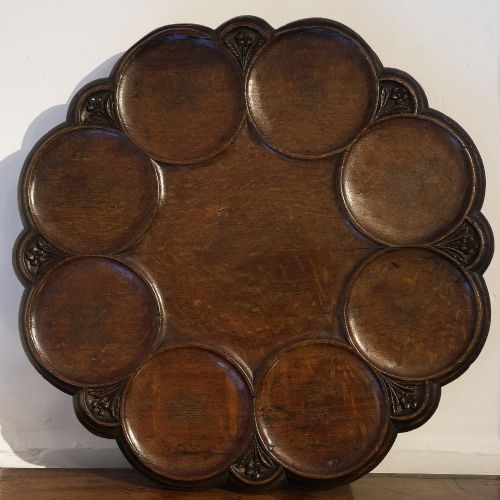
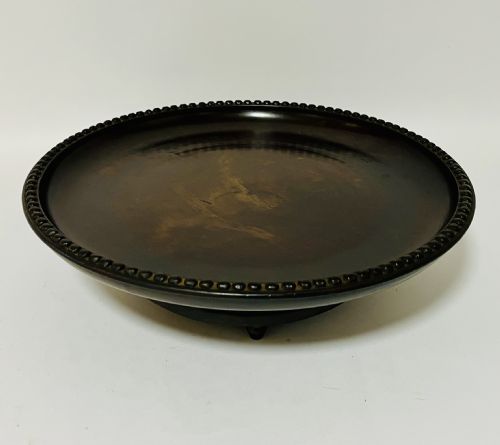
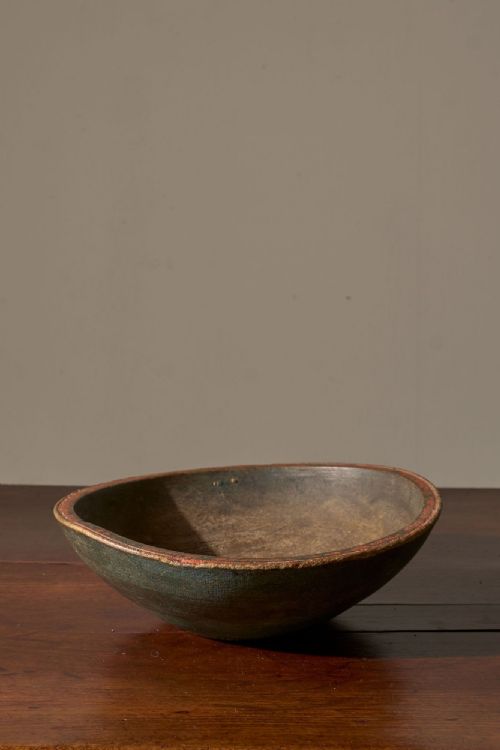
A vintage wooden centrepiece spans several practical and decorative forms, most frequently appearing as fruit bowls, lazy susans, and serving dishes. These items bring warmth and function to table settings, drawing the eye with their substantial timber presence.
The selection here encompasses pieces from the Georgian, Victorian, and Edwardian eras, alongside works from the 1920s and 1930s. Buyers will frequently encounter oak and mahogany bowls, rotating lazy susans, and carved wooden tableware.
Regional styles range from English country and Swiss folk art to Swedish country traditions. Each object serves either to display fruit, present cakes, or rotate condiments and dishes across the surface of a dining table.
How they were made
Makers utilised solid wood, timber, mahogany, and oak as the primary structural materials for these items. Turning on a lathe formed the circular profile of bowls and lazy susans, while hand carving added ornamental detail such as fruiting vines.
Some pieces incorporate contrasting metals like brass fittings or silver plate mounts to secure the wooden elements. Hand polishing brought out the natural grain of dark stained wood and polished yew, protecting the surface during daily use.
Vintage Wooden Centrepiece Retail Price Guide 2026
Typical asking prices for vintage wooden centrepiece among the pieces listed under this phrase on Sellingantiques today, from the lower quarter to the upper quarter. They describe what is for sale here now, not the wider market.
The listings span the eighteenth, nineteenth, and twentieth centuries, featuring oak, mahogany, silver plate, and solid timber.
What varies in quality
Quality rests in the depth and execution of the carving, particularly where floral or foliate motifs adorn the rim. Crisp chisel work on an oak fruit bowl demonstrates a higher standard of craftsmanship than plain, unadorned turning.
The selection of timber dictates the visual weight of the piece, with richly figured mahogany and polished yew sitting above standard domestic woods. Smooth rotation in mechanical items like lazy susans and egg cup stands also separates standard utility pieces from finer examples.
The Vintage Wooden Centrepiece Glossary
- Lazy Susan
- A rotating tray placed on a table to assist in moving food easily between diners. These items typically rely on a central pivot or ball bearing mechanism hidden beneath the timber top.
- Treen ware
- Small domestic wooden objects made by turning or carving. This category includes utilitarian and decorative household items shaped from dense hardwoods.
- Presentation bowl
- A decorative vessel intended for display or ceremonial use rather than heavy daily service. These often feature enhanced carving or silver plate additions.
- Swiss Folk Art
- Regional decorative carving characterised by stylised natural motifs and distinct local woodworking traditions. Pieces often utilise native Alpine timbers.
- Yew wood
- A dense softwood with a highly figured, contrasting grain that takes a fine polish. Makers selected this material for items requiring visual depth and interesting form.
Vintage Wooden Centrepiece: Frequently Asked Questions
What is a wooden centrepiece used for?
These items serve primarily to hold fruit, display cakes, or present dishes in the middle of a dining table. Rotating versions assist with passing food across large surfaces during meals.
Many examples also function purely as decorative sculptures or deep containers for nuts and small items.
How do I clean a wooden bowl?
Wipe the surface gently with a damp cloth rather than submerging the timber in water. Harsh detergents strip the natural finish and dry out the grain.
Apply occasional beeswax to maintain the lustre and protect the wood from moisture.
How do I date a wooden centrepiece?
Examine the tool marks, timber selection, and style of any carved ornamentation. Georgian and Victorian pieces often show hand-turned irregularities and darker patination.
Twentieth-century examples may display different finish types and machine-assisted turning techniques.
Are lazy susans antique?
Some rotating stands date back to the Georgian and nineteenth-century periods, whilst others originate from the Edwardian era. These early versions rely on traditional timber pivots and manual engineering.
Construction methods and wear patterns help distinguish older rotating mechanisms from modern reproductions.