

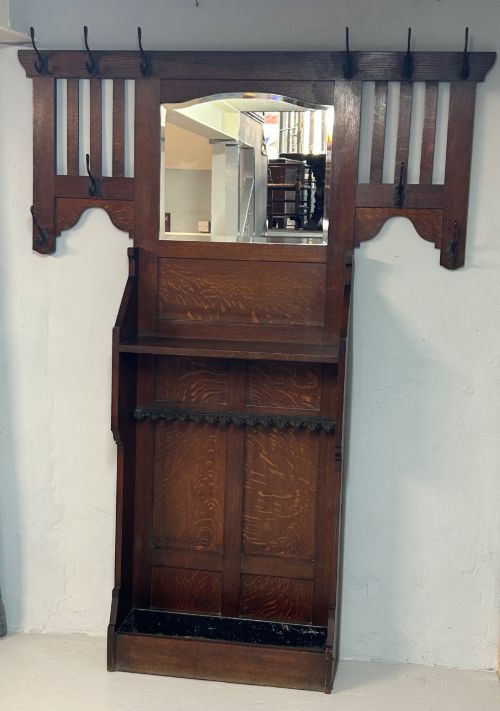
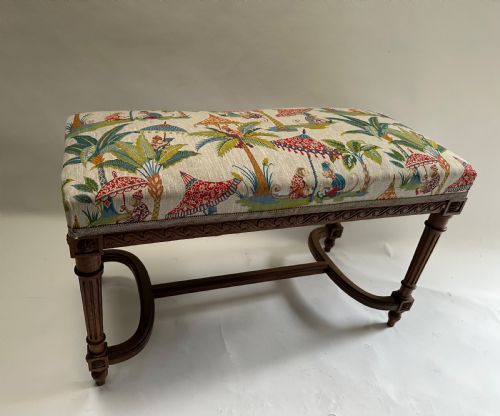

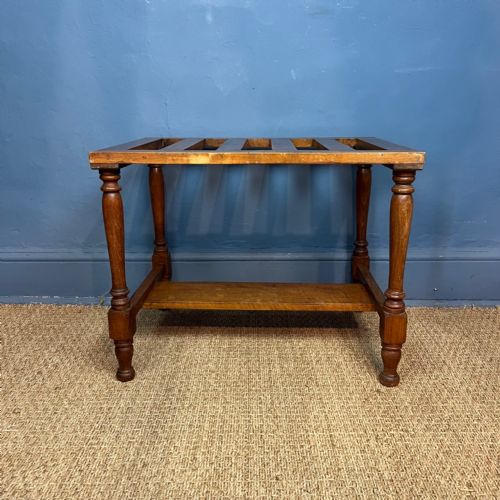
Vintage Wooden Benches
These vintage wooden benches bring honest craftsmanship and enduring utility to any interior.
Vintage Wooden Benches
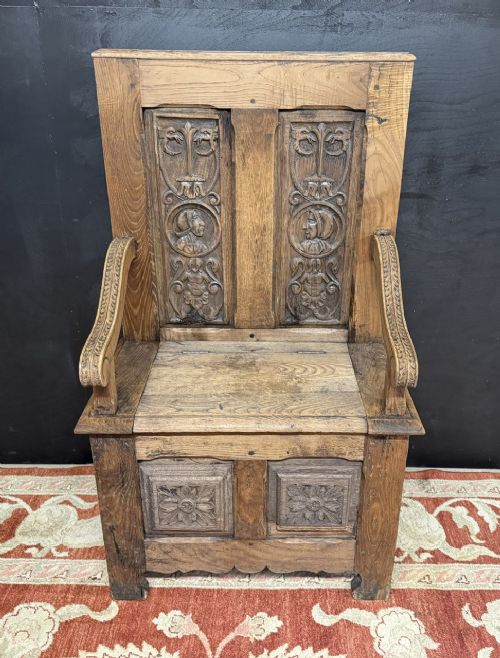
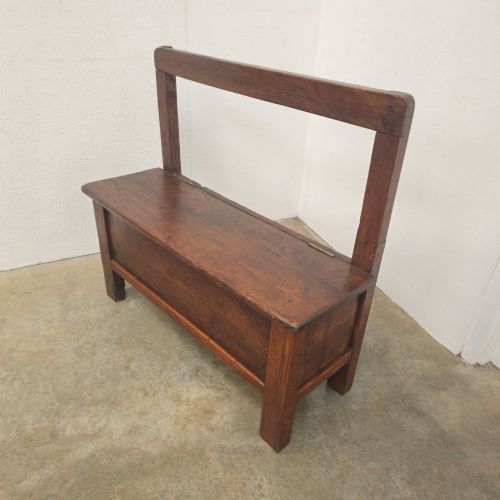
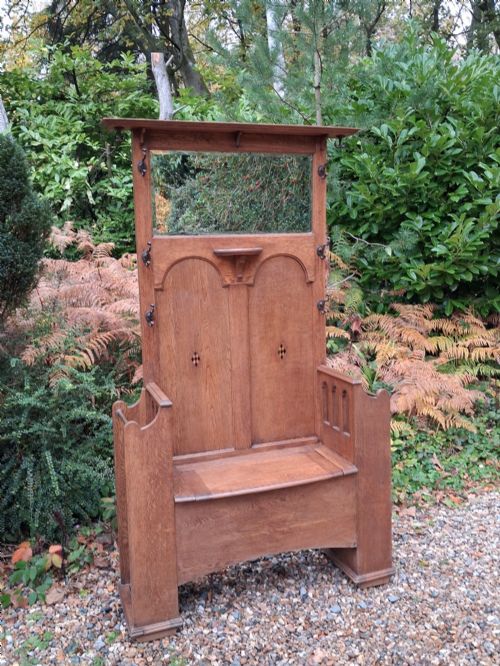
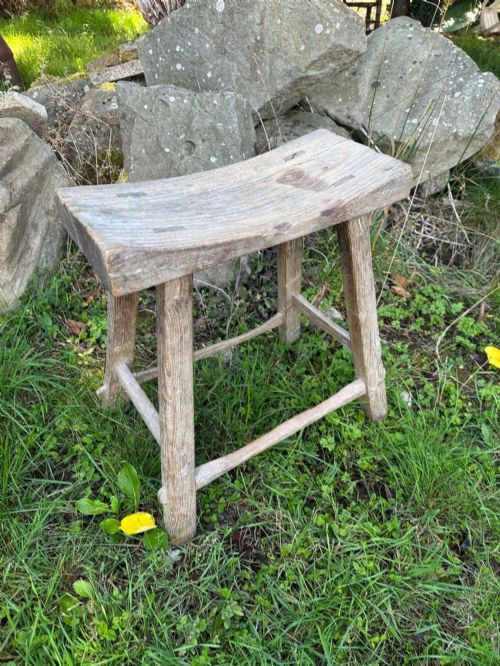
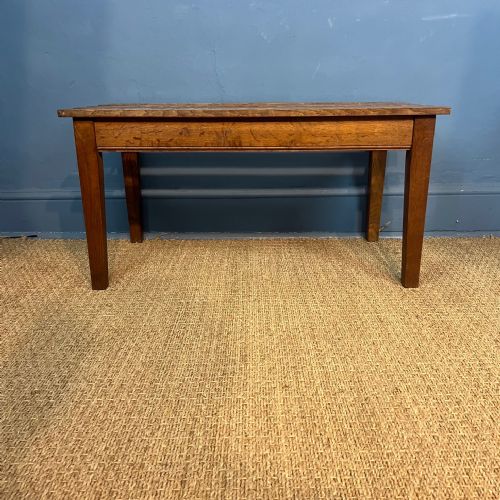
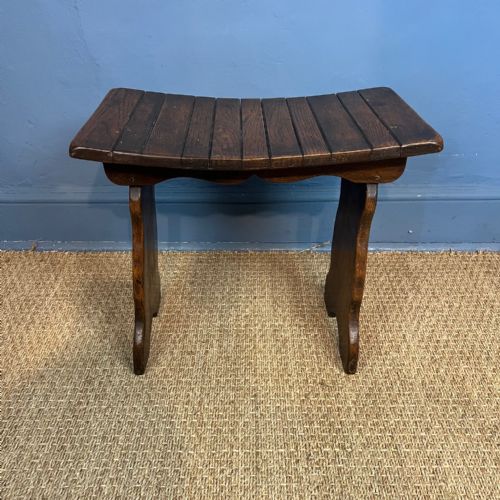
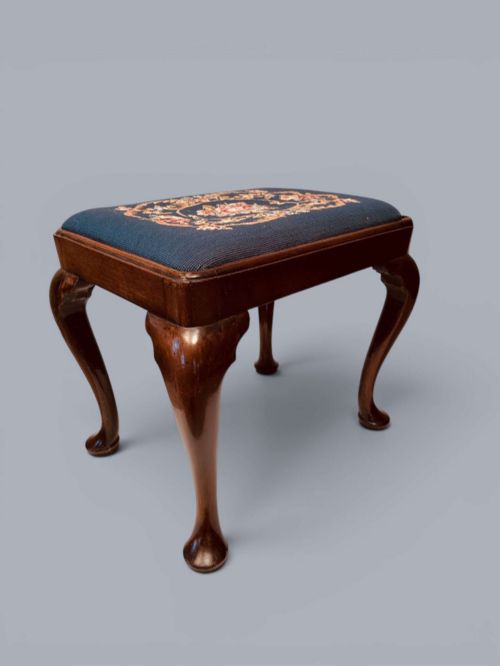
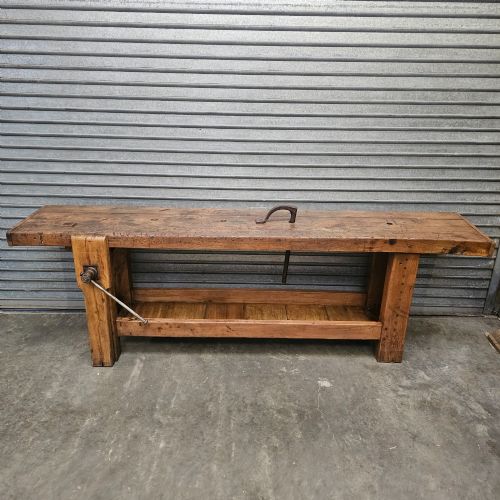
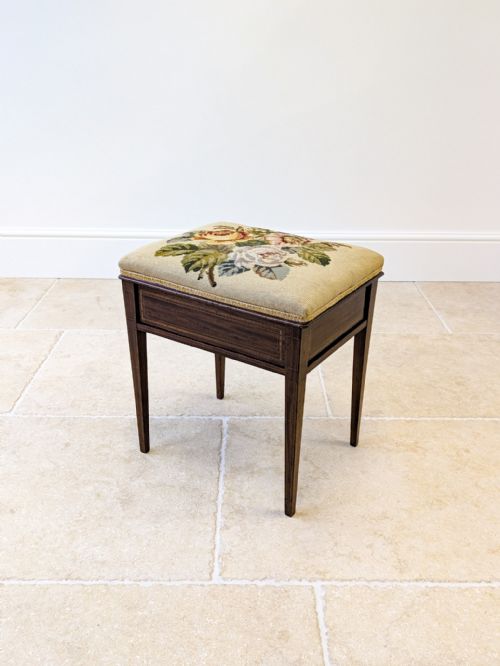
Vintage wooden benches encompass everything from robust oak hall settles and pine railway seats to church pews and garden benches spanning multiple centuries. When searching for vintage wooden benches, buyers encounter diverse forms ranging from high-backed settle benches with storage to simple plank benches and folding chapel seats.
The selections originate from domestic, ecclesiastical and industrial contexts across England, France, Ireland and beyond. Pieces date from the eighteenth century through the Victorian era and into the early twentieth century, showing substantial variety in scale and purpose.
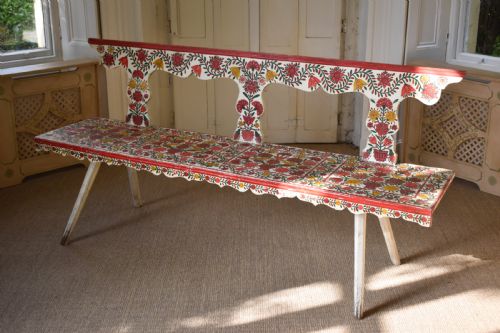
Many examples utilise sturdy hardwoods like oak and walnut, whilst others employ practical pine or mixed timbers with painted finishes. Buyers frequently find variants incorporating cast iron, brass studs or hinged seats designed for daily utility.
How they were made
Carpenters and joiners constructed these pieces using solid timbers such as oak, pine, walnut, elm and teak, often joining boards with traditional pegged mortise and tenon joints. Many examples combine heavy wooden frames with structural iron or brass elements to ensure stability under heavy daily use.
Surface treatments range from waxed and polished natural grains to weathered painted finishes and intricate hand carvings. Elements like floral motifs, poppy head finials and brass studding demonstrate specific regional and period joinery techniques.
Vintage Wooden Benches Retail Price Guide 2026
Typical asking prices for vintage wooden benches among the pieces listed under this phrase on Sellingantiques today, from the lower quarter to the upper quarter. They describe what is for sale here now, not the wider market.
Listings feature oak, pine, walnut, elm, teak, iron, brass and paint across the eighteenth, nineteenth and early twentieth centuries.
What varies in quality
The distinction between ordinary utility items and superior examples lies in the selection of solid timber stock and the integrity of the joinery. Pieces retaining their original uncompromised structure and untouched surface patination demonstrate higher craftsmanship.
Detailing such as deep relief floral carving, period hardware and thoughtful proportions elevate certain settle and hall benches above standard workshop production.
Brown & Lamont
The Vintage Wooden Benches Glossary
- Settle
- A wooden bench with a high back, solid arms, and often a storage box beneath the seat. This form protected sitters from draughts in older hallways and kitchens.
- Refectory bench
- A long, narrow seating form traditionally paired with a large dining table. These pieces prioritize length and sturdy underframes.
- Flip-over bench
- A dual-purpose seating design featuring a pivoting backrest that converts a bench into a table surface. These clever mechanisms appear in institutional and domestic settings.
- Poppy head finial
- An architectural ornament carved into the upright ends of church pews or benches, resembling a budding poppy seed capsule.
- Hall seat
- A compact timber bench positioned in an entranceway for putting on boots or waiting.
Vintage Wooden Benches: Frequently Asked Questions
Where were vintage wooden benches used?
These benches served in diverse environments including country houses, churches, railway stations, and institutional halls. Their placement depended on whether they were built for communal gathering or private entryways.
Domestic versions typically stood in hallways or kitchens, while institutional examples furnished chapels and waiting rooms.
How do I style a wooden bench at home?
A vintage bench fits naturally into an entrance hallway, at the foot of a bed, or paired with a dining table. Their narrow footprint makes them practical for tight spaces.
Layering cushions or textiles softens the solid timber seat while introducing texture to living spaces.
How do I identify an eighteenth century bench?
Earlier eighteenth century examples often feature heavier solid elm or oak construction, hand-carved panels, and pegged joinery. Settles from this period frequently include integrated storage cupboards beneath the seat.
Examining the underside and tool marks reveals the manual woodworking methods characteristic of the era.
Are painted benches original?
Many pine and garden benches received protective coats of paint during their working lives, which now forms a weathered patina. French and country pieces frequently showcase layered historic paint finishes.
Evaluating the wear patterns helps distinguish original or early surface treatments from later decorative painting.