
Vintage Wood Storage
Vintage wood storage pieces keep spaces ordered, offering sturdy utility in oak, mahogany, and walnut across centuries of craftsmanship.
Vintage Wood Storage
Vintage wood storage covers a broad spectrum of practical containers and furniture designed to organise domestic spaces, from chests of drawers and blanket boxes to fitted cupboards and sideboards. These items serve daily storage needs while displaying the grain and warmth of traditional timbers.
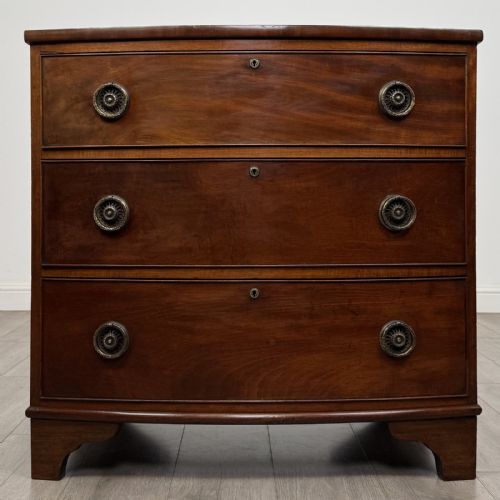
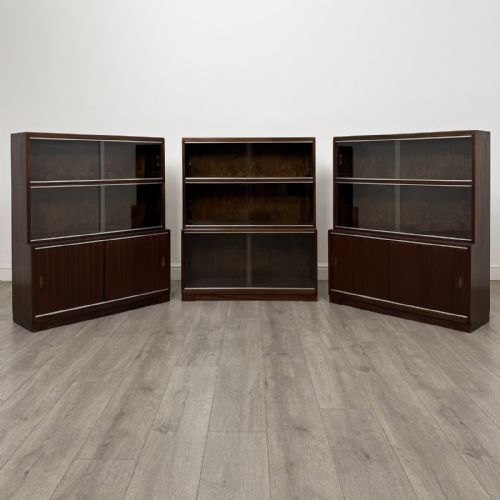
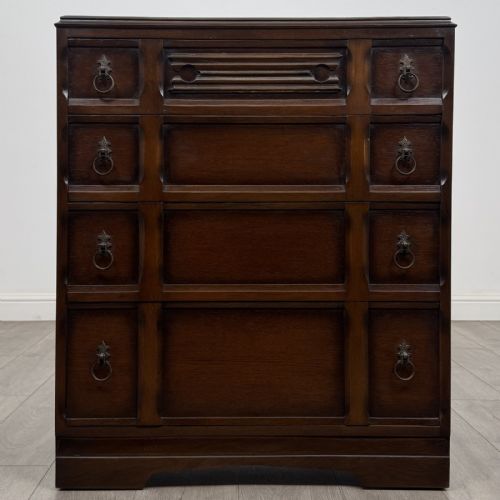
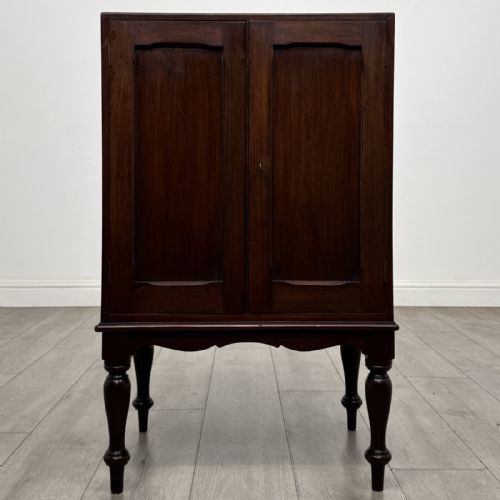
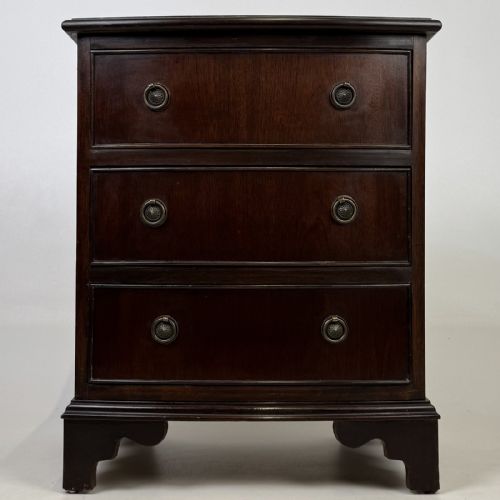
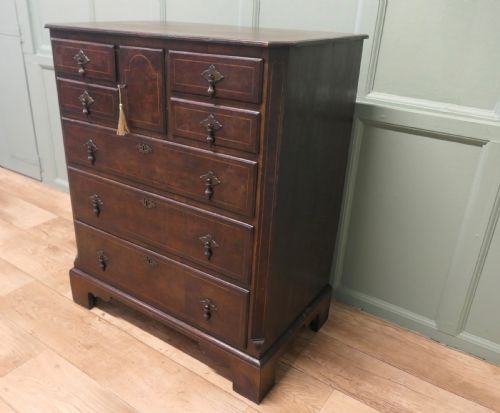
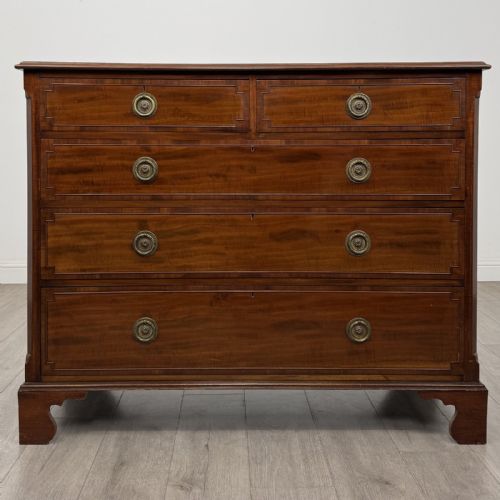
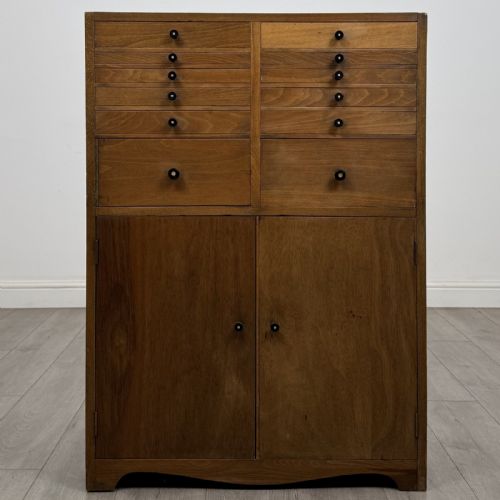
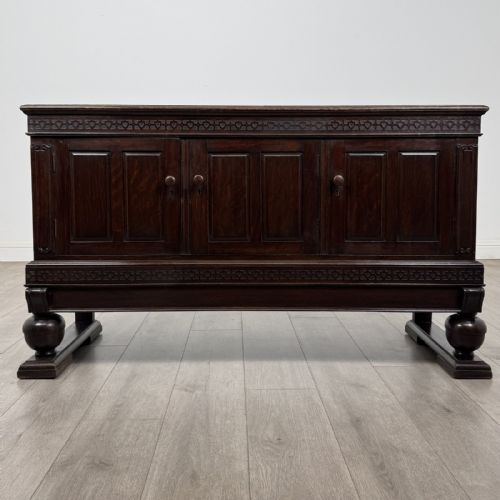
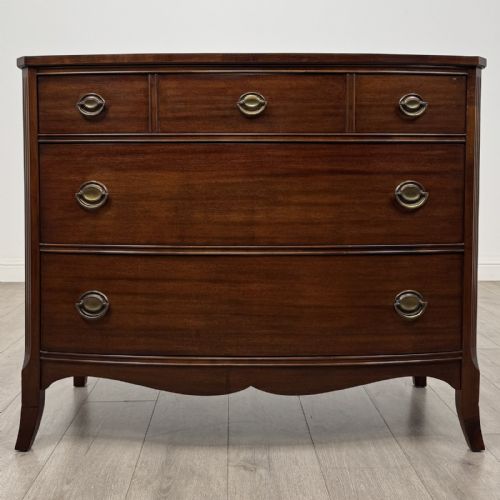
Buyers searching for vintage wood storage frequently encounter robust chests of drawers and cabinets originating from the Georgian, Victorian, and Edwardian periods. Pieces such as mahogany bow-front chests and oak fitted storage cabinets appear regularly among the selections.
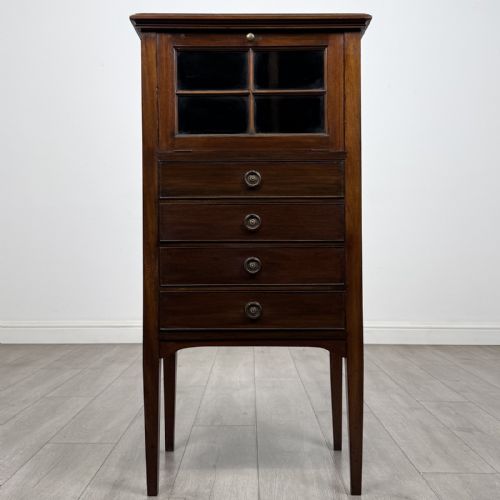
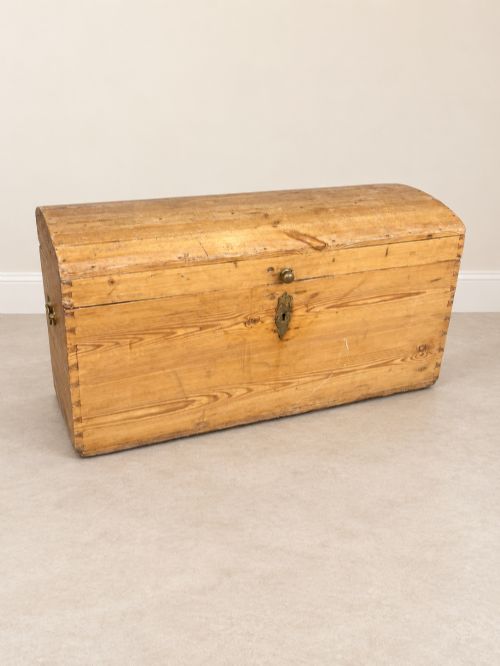
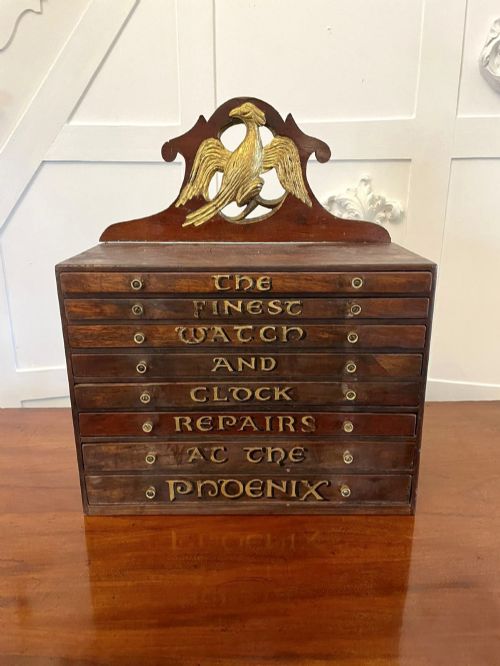
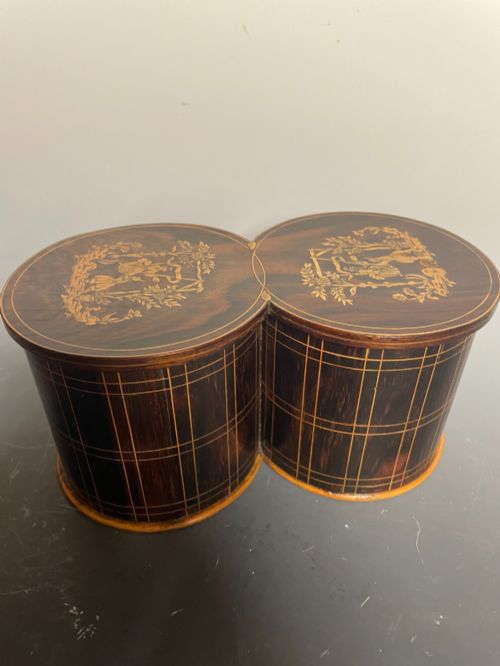
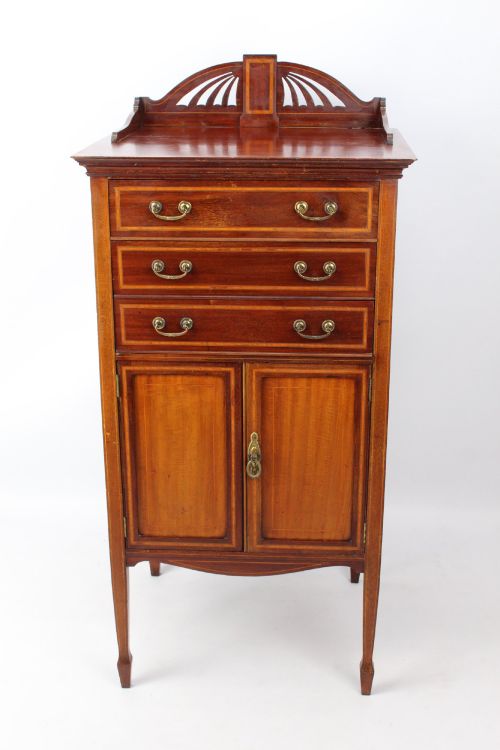
The assortment spans utilitarian pine boxes and camphor wood chests alongside refined walnut side cabinets and inlaid music cabinets. Each form reflects the domestic requirements of its era, utilising accessible timbers to build durable containers.
Materials and construction methods
Carpenters constructed these storage pieces primarily from solid hardwoods such as mahogany, oak, and walnut, frequently incorporating pine for internal framing and drawer linings. Brass handles, corner brackets, and hinges provided functional reinforcement and decorative contrast against the dark wood surfaces.
Joinery techniques relied on precise dovetailing for drawers and mortise and tenon joints for frames to ensure structural longevity under heavy domestic use. Surfaces were finished with polished veneers, carved details, or simple waxed coatings that protected the timber while highlighting natural grain patterns.
The inventory encompasses diverse forms, including military travelling chests, music cabinets, blanket boxes, and kitchen dressers.
Factors influencing quality
Quality in these storage pieces rests upon the selection of timber and the precision of the construction. Dense, well-figured mahogany or quarter-sawn oak combined with tight dovetail joints and original brass hardware distinguishes superior examples from standard utility items.
Proportion and detailing also dictate distinction, evident in pieces that integrate raised galleries, tambour fronts, or subtle inlay work. Refined secondary woods and intact internal fittings like pigeon holes or multi-drawer configurations separate utilitarian boxes from finer cabinetry.
Shapland and Petter
The Vintage Wood Storage Glossary
- Bow front
- A convex curved cabinet front popular in furniture design, particularly on mahogany chests from the Georgian and Regency periods. This curved profile requires skilled carpentry to shape timber accurately.
- Dovetail
- A joint formed by interlocking wedge-shaped fingers, used primarily in drawer construction to resist pulling forces. Hand-cut dovetails indicate traditional craftsmanship prior to mass industrial manufacturing.
- Purdonium
- A specialised cabinet designed to store coal near a fireplace, typically featuring a sloping lid and an interior metal liner. These items originated during the Arts and Crafts era and incorporated decorative brass fittings.
- Tambour
- Flexible strips of wood glued to a canvas backing that slide within tracks to conceal cabinet interiors. This technique allowed makers to build smooth roll-top and enclosed file cabinets.
- Gallery
- A raised decorative border along the top edge of a chest of drawers or side table. This ledge prevented items from sliding off the surface.
Vintage Wood Storage: Frequently Asked Questions
How do I clean vintage wood storage?
Dust surfaces regularly with a soft cloth and apply natural beeswax periodically to maintain the moisture and sheen of the timber. Avoid modern silicone sprays or excessive water, which can degrade traditional French polish or waxed finishes.
Keep wooden furniture away from direct heat sources and strong sunlight to prevent the timber from warping or splitting over time.
Are these pieces suitable for modern homes?
These items provide practical storage solutions for contemporary living spaces while introducing historical character and warmth. Cabinets, chests, and cupboards adapt easily to bedrooms, living rooms, and hallways.
The sturdy construction of oak and mahogany ensures that these storage units handle daily modern use reliably.
How do I identify a Georgian chest?
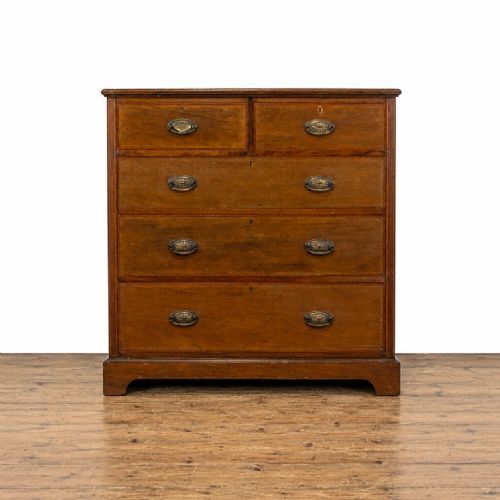
Georgian chests typically feature solid mahogany or oak construction with hand-cut dovetails and proportions arranged as two small drawers over three graduated larger drawers. Brass bail handles mounted on backplates are standard for this period.
The overall aesthetic prioritises architectural symmetry, understated mouldings, and substantial bracket feet or simple plinth bases.