

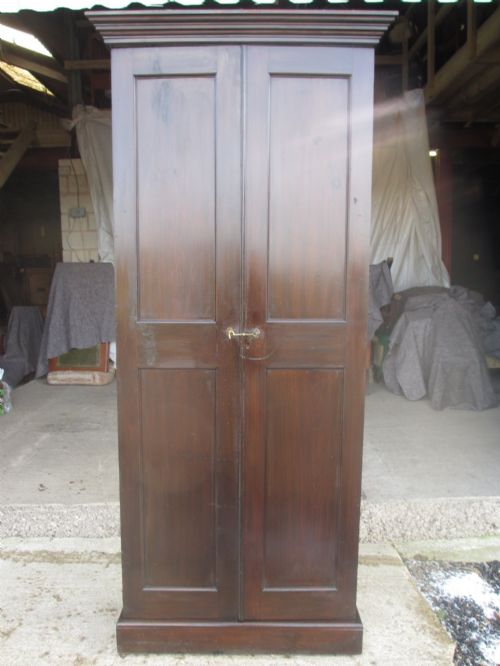
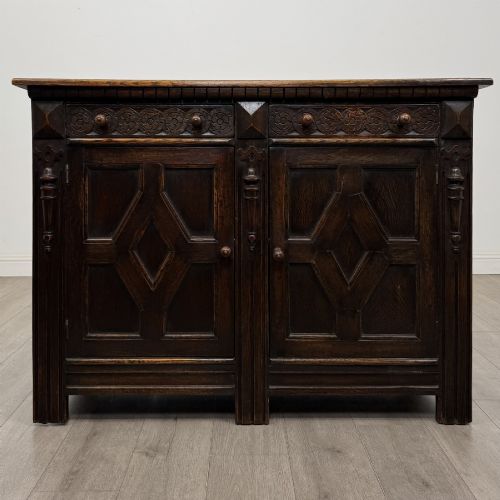
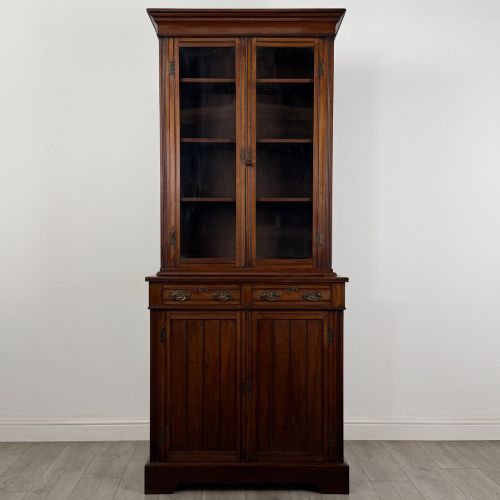
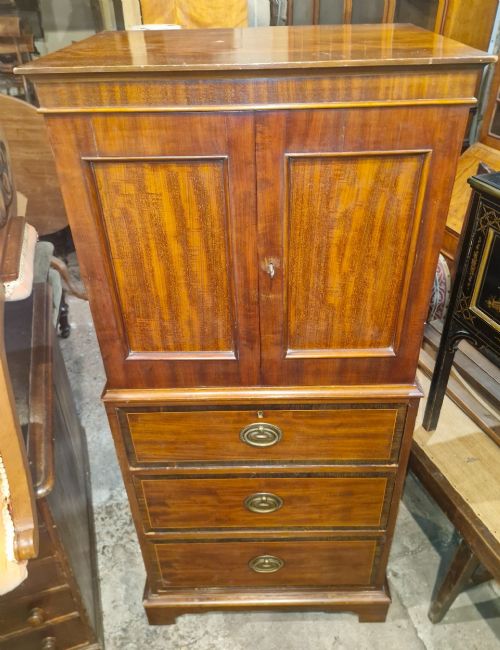
Vintage Wood Storage Cabinet
A vintage wood storage cabinet brings utility and character to a room, offering compartments tailored for records, music, linen or everyday items.
Vintage Wood Storage Cabinet
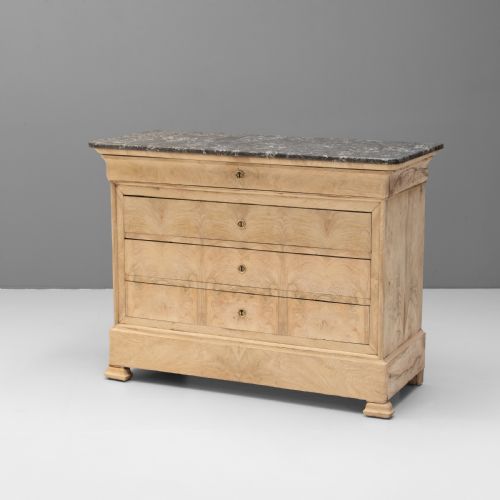
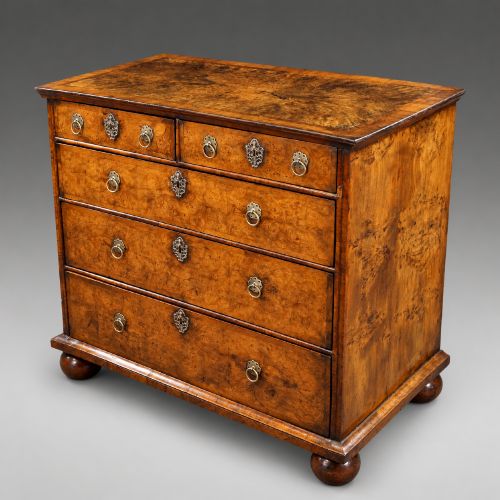
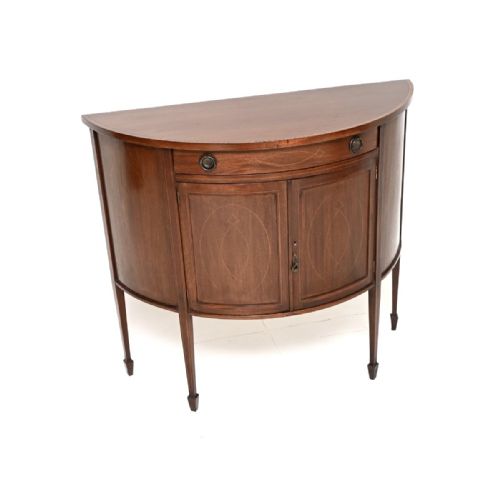
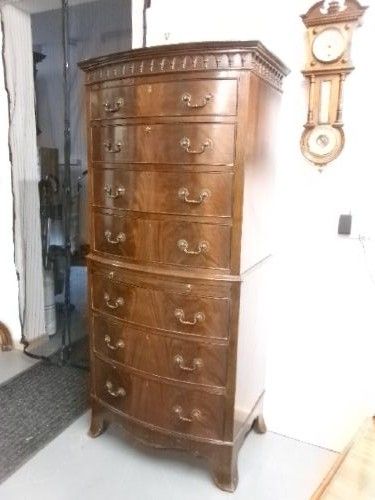
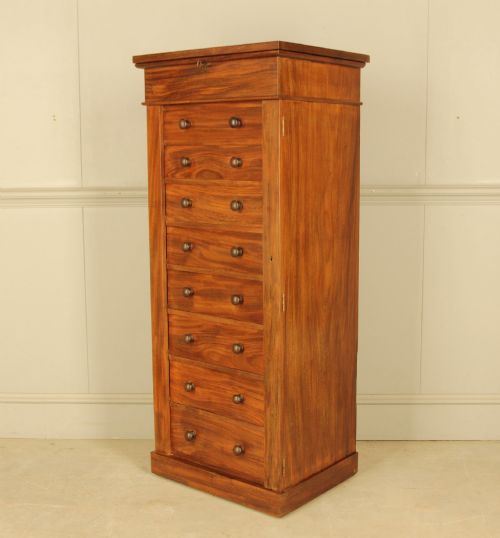
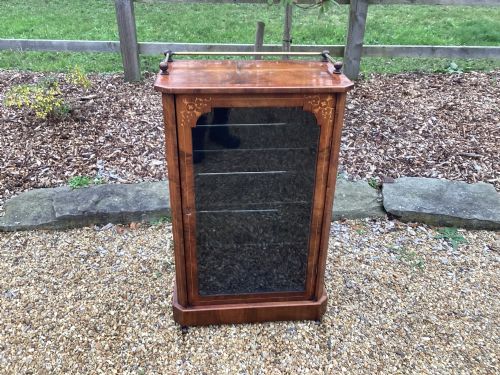
A vintage wood storage cabinet encompasses diverse forms designed to hold domestic possessions, from music cabinets and record holders to chests of drawers and sideboards. Buyers searching for a vintage wood storage cabinet encounter pieces originating from the nineteenth century through the mid-twentieth century, with strong representation from the Edwardian era and the 1920s and 1930s.
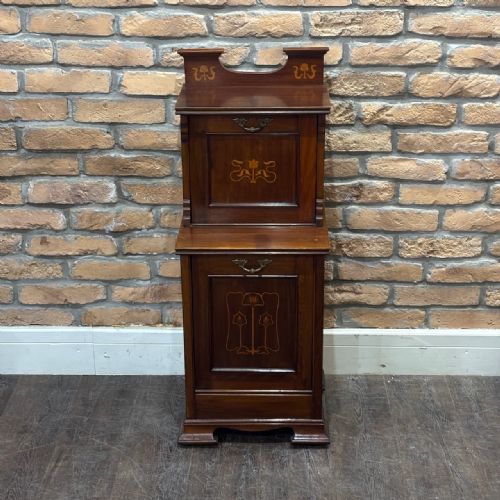
The selection includes specialised items such as purdoniums, tambour front file cabinets, and fitted cupboards with pigeon holes or eleven drawers. Oak and mahogany dominate the offerings, often complemented by walnut, pine, maple, and rosewood.
Makers and designers span traditional firms and named workshops, while styles range from Victorian and Georgian to Art Deco, Arts and Crafts, and Jacobean Revival.
Materials and construction
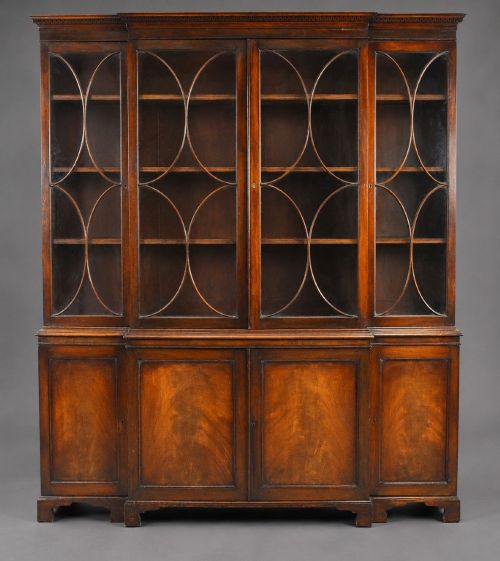
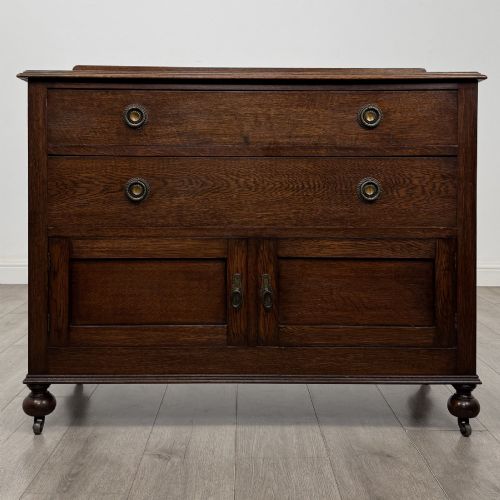
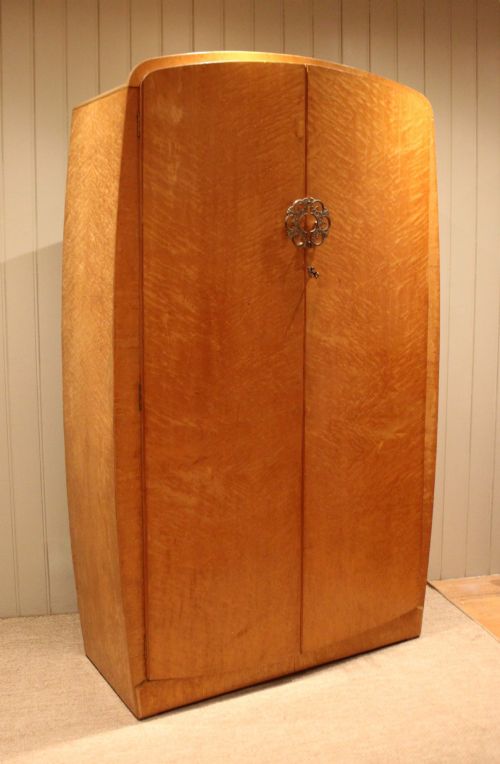
Cabinet makers relied primarily on solid timbers and veneers of oak, mahogany, and walnut, frequently selecting pine for secondary framing and drawer linings. Surface decoration involved geometric panels, carved details, raised galleries, and delicate inlay work using contrasting woods.
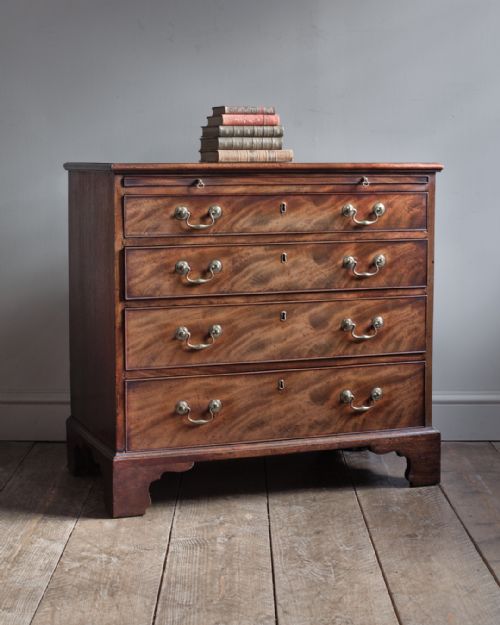
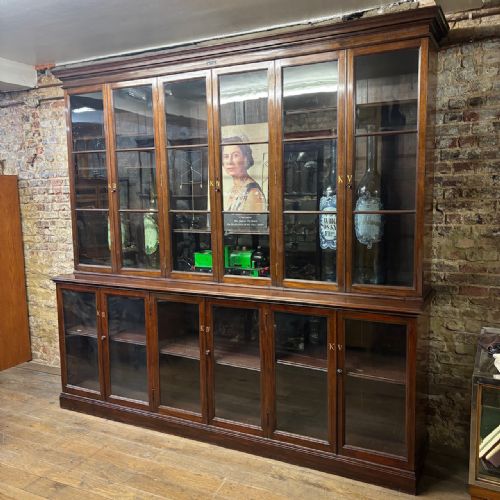
Functional hardware utilised brass for handles, hinges, and drawer pulls, while glazed doors incorporated glass panes to protect display items like china or books. Structural supports varied from bracket feet and baluster turned legs to traditional plinths.
Vintage Wood Storage Cabinet Retail Price Guide 2026
Typical asking prices for vintage wood storage cabinet among the pieces listed under this phrase on Sellingantiques today, from the lower quarter to the upper quarter. They describe what is for sale here now, not the wider market.
Listings feature storage pieces spanning the nineteenth and twentieth centuries, utilising oak, mahogany, walnut, pine, and rosewood.
Distinctions in standard
Quality rests upon the selection of timber, such as flame mahogany or burr walnut, and the precision of the joinery used in drawer construction and internal fittings. Superior examples display thoughtful detailing like inlaid stringing, carved cherubs, or specialised storage interiors including pigeon holes and eleven distinct drawers.
The integrity of the original hardware, glass panels, and mechanical elements like tambour fronts or lift-up lids further separates standard production items from workshop pieces bearing attribution to notable makers.
Bath Cabinet Makers·Heals·Charles Dudouyt
The Vintage Wood Storage Cabinet Glossary
- Purdonium
- A specialised cabinet designed to hold coal, typically featuring a sloping front and a small interior shovel.
- Tambour
- A flexible sliding door formed of narrow strips of wood glued to canvas or leather backing, allowing access to narrow compartments.
- Bow front
- A convex curved cabinet or drawer front that swells outward in the centre, popular during the Georgian and Edwardian periods.
- Pigeon hole
- A small, open compartment within a cabinet or desk used for sorting letters and documents.
- Gallery
- A raised ornamental border running along the top edge of a cabinet or chest to prevent items from sliding off.
Vintage Wood Storage Cabinet: Frequently Asked Questions
What fits inside a vintage wood storage cabinet?
These cabinets accommodate varied domestic items depending on their original purpose, such as sheet music, vinyl records, linen, or general household storage. Specialised interiors feature shelves, pigeon holes, or multiple small drawers.
Buyers often select them to organise modern items while maintaining a traditional aesthetic in living spaces or bedrooms.
How do I identify an Edwardian cabinet?
Edwardian pieces typically date from the early twentieth century and frequently employ mahogany with inlaid decorative banding. They often feature lighter proportions than their Victorian predecessors.
Common forms from this era include music cabinets with internal slides, small bow front chests, and glazed display cupboards.
What is the difference between a sideboard and a cabinet?
Sideboards traditionally function as dining room furniture designed for serving food and storing tableware, often combining cupboards and drawers. Cabinets generally offer vertical storage with doors or drawers suited for display or general organisation.
Both forms appear across multiple periods, utilising timbers such as oak, walnut, and mahogany.
How should I care for a wood storage cabinet?
Maintain the wood by keeping the cabinet away from direct heat sources and fluctuating humidity to prevent timber movement. Regular dusting with a dry cloth preserves the finish.
Periodical application of appropriate furniture wax helps nourish unvarnished wooden surfaces without building up heavy residues.