
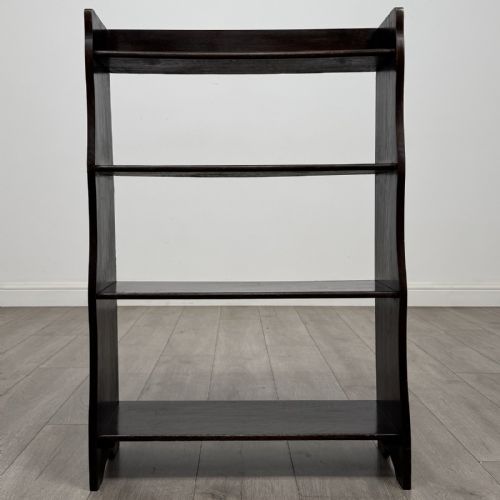
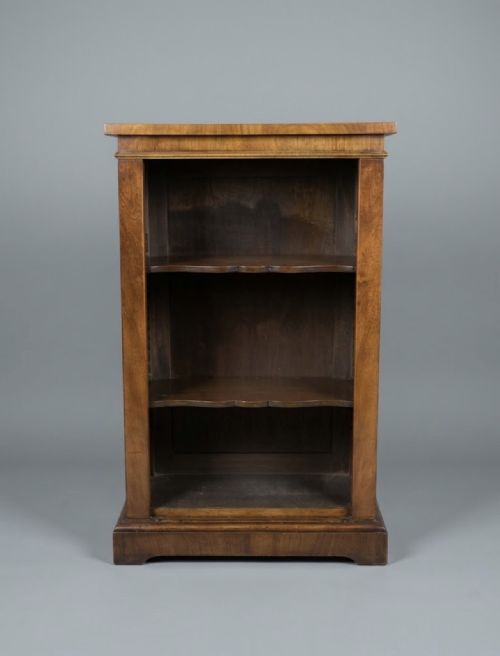
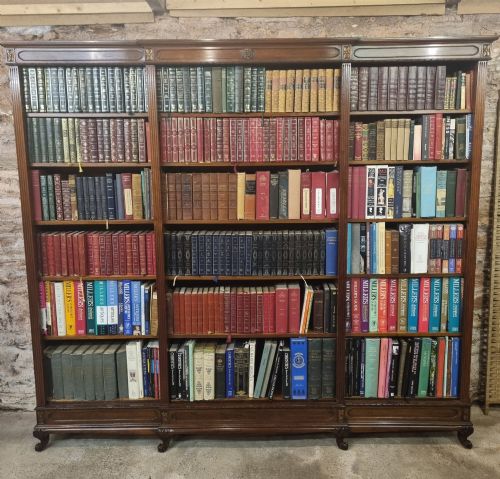
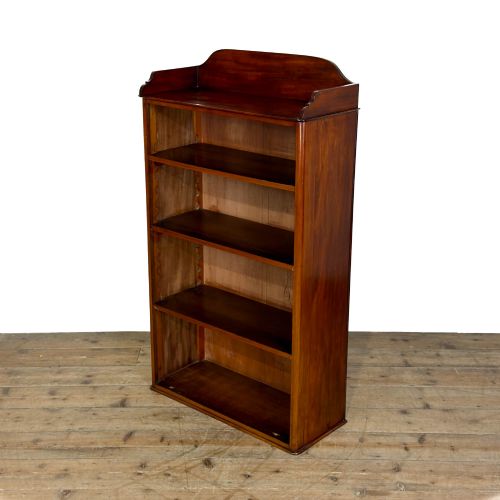
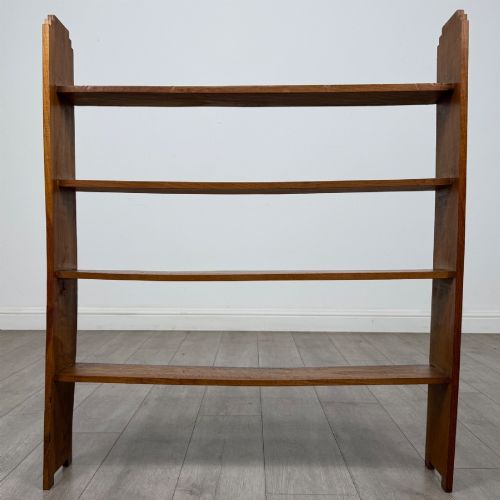
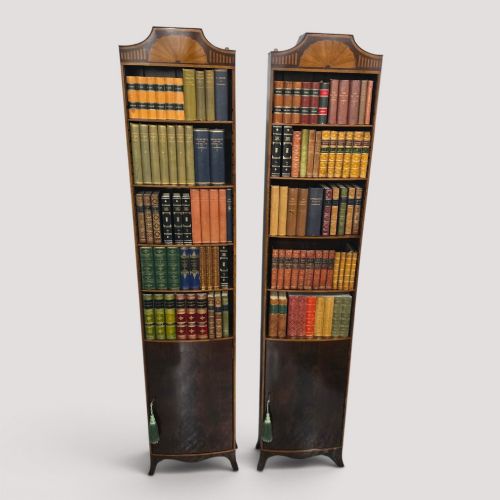
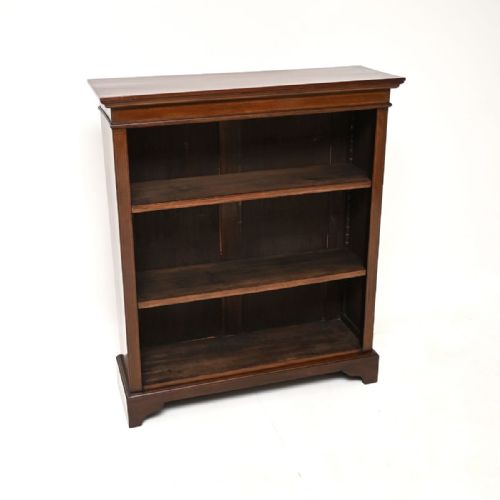
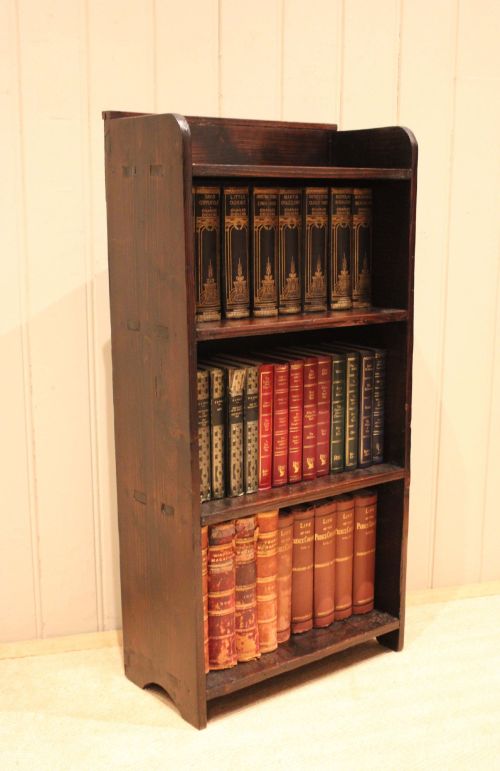
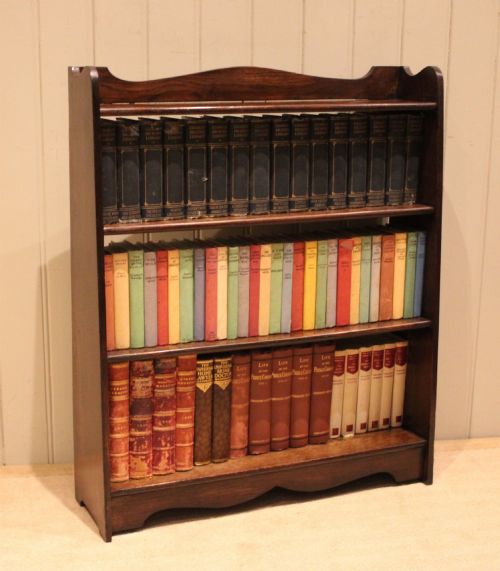
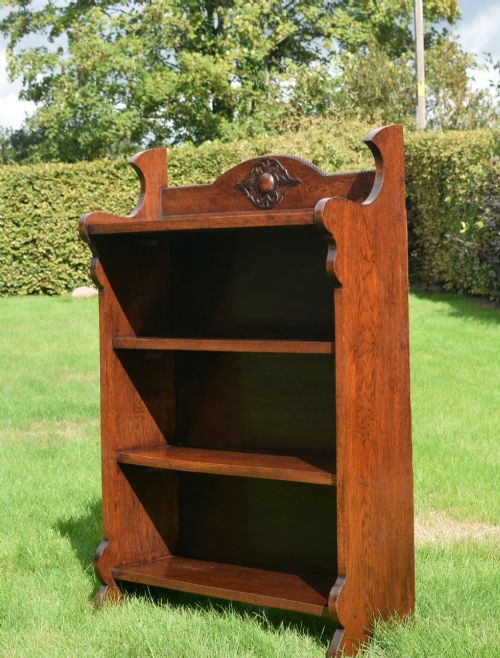
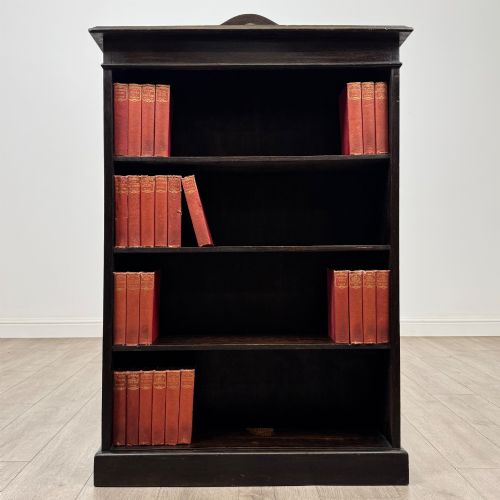
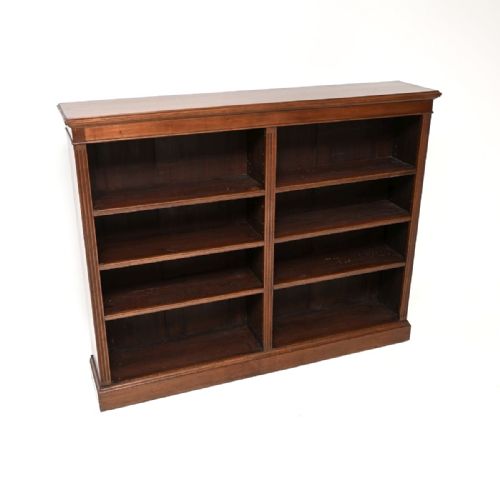
Vintage Wood Shelving Unit
These vintage wood shelving unit options bring practical display space to a room, spanning periods from the Regency era through to Art Deco.
Vintage Wood Shelving Unit
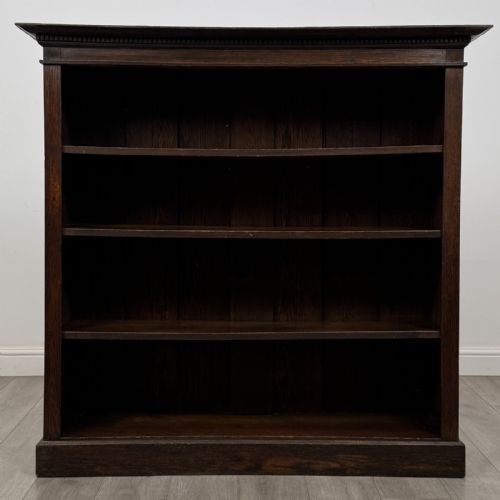
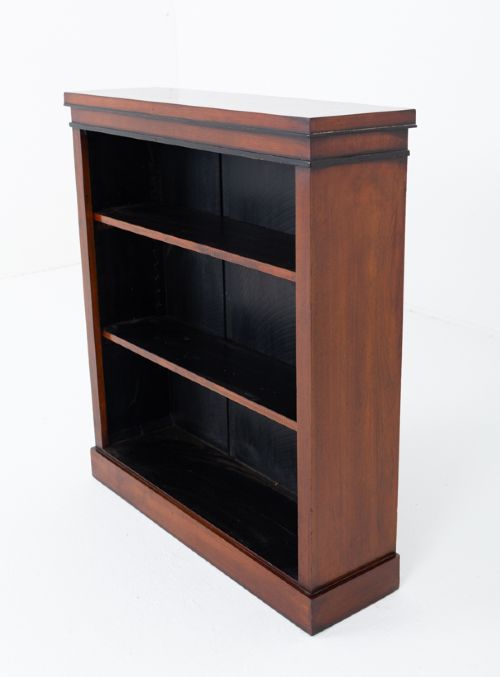
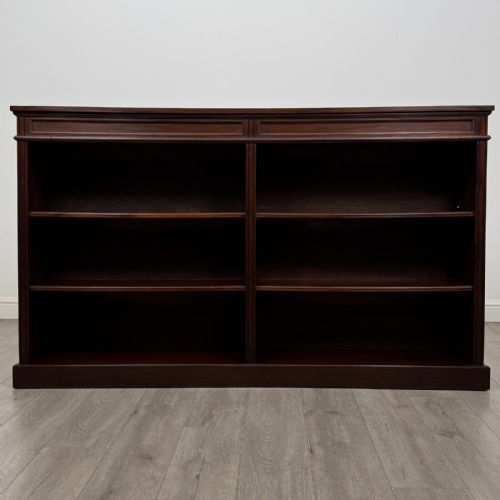
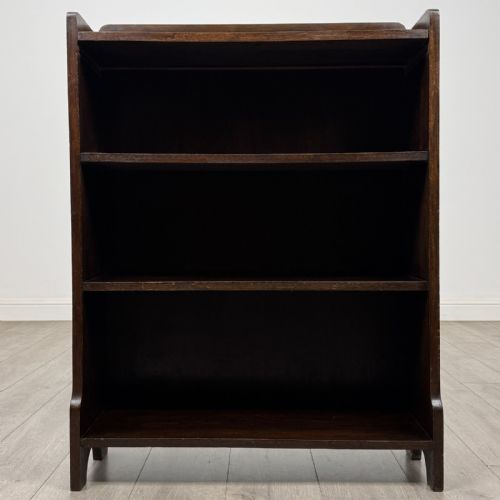
A vintage wood shelving unit serves as an open storage piece for books and decorative items, drawing on forms such as bookcases, wall shelves, whatnots, and etageres. You will frequently encounter open bookcases and multi-tiered whatnots originating from the Victorian and Edwardian periods.
The selection ranges from slim oak and walnut pieces to larger mahogany and rosewood variants designed for specific display purposes. These items reflect traditional craftsmanship adapted to domestic use across the nineteenth and twentieth centuries.
Materials and construction methods
Cabinet makers utilised timbers such as mahogany, oak, walnut, and pine, occasionally incorporating decorative elements in rosewood, satinwood, and brass. Surfaces display varied finishes including inlaid details, painted highlights, and beaded edges.
Construction techniques involve sturdy joinery suitable for supporting book collections and display items, with specific pieces featuring adjustable shelving or tiered platforms like barley twist whatnots.
Listings feature woods including mahogany, oak, walnut, pine, rosewood, and satinwood across Victorian, Edwardian, Regency, and Art Deco periods.
Factors influencing quality
Quality rests upon the selection of timber, such as burr walnut or figured mahogany, and the precision of inlaid details or carved accents. Superior examples demonstrate balanced proportions, refined edge treatments, and stable architectural forms.
The sophistication of the design, whether a Regency waterfall configuration or an Arts and Crafts oak structure, dictates the level of finish and overall architectural presence.
The Vintage Wood Shelving Unit Glossary
- Whatnot
- A set of open shelves for displaying small objects, typically featuring three or four tiers supported by slender columns or turned posts.
- Etagere
- A piece of furniture consisting of a set of open shelves for holding ornaments, often sharing similarities with the whatnot.
- Waterfall bookcase
- A tiered shelving unit where each lower shelf is deeper than the one above, creating a stepped profile.
- Inlay
- A decorative technique where contrasting woods or materials are set into the surface timber to form patterns.
Vintage Wood Shelving Unit: Frequently Asked Questions
What is a whatnot?
A whatnot is a multi-tiered open shelving unit designed to display small ornaments and decorative objects in a principal room.
These pieces typically feature three to four tiers supported by turned columns or uprights, appearing in woods like mahogany and walnut during the Victorian era.
How do I use a wall shelf?
Wall shelves mount directly to a partition to provide elevated display space without occupying floor area. They suit smaller collections of books or decorative items.
Period examples in walnut or painted finishes add architectural interest while keeping surfaces clear.
What defines an etagere?
An etagere is an open shelving furniture form intended specifically for the display of ornaments and curiosities. The design emphasises visual lightness.
Edwardian versions often incorporate brass details and rosewood construction to enhance their decorative appeal.
How do I identify a Regency bookcase?
Regency bookcases often display classical proportions, dark mahogany timbers, and sometimes stepped or waterfall shelving profiles. They reflect the neoclassical taste of the early nineteenth century.
Details may include subtle brass mounts or graduated shelves designed to hold books of varying heights.