
Vintage Wood Shelf
A vintage wood shelf brings warmth and utility to any room, offering a practical surface for display or storage.
Vintage Wood Shelf
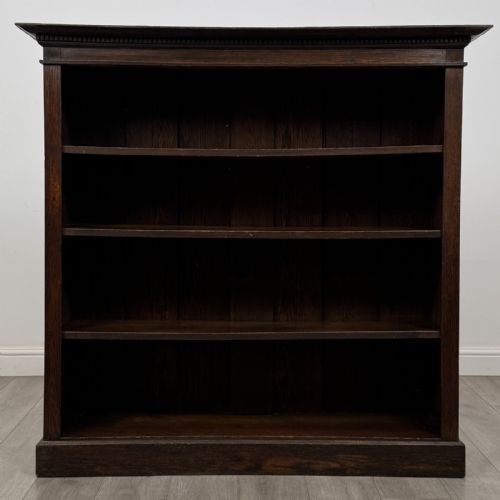
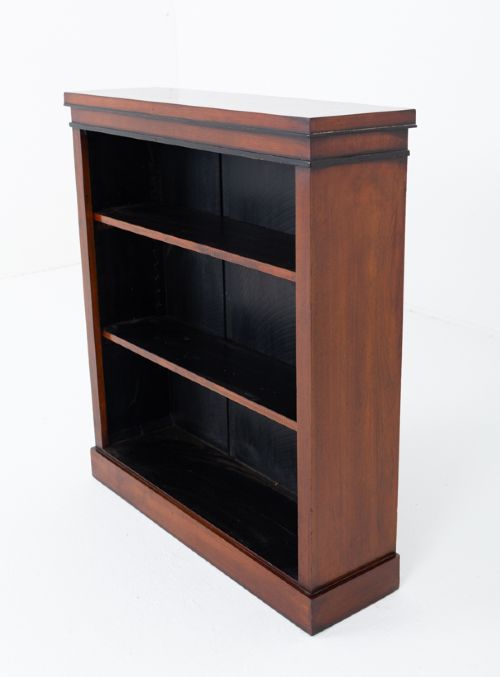
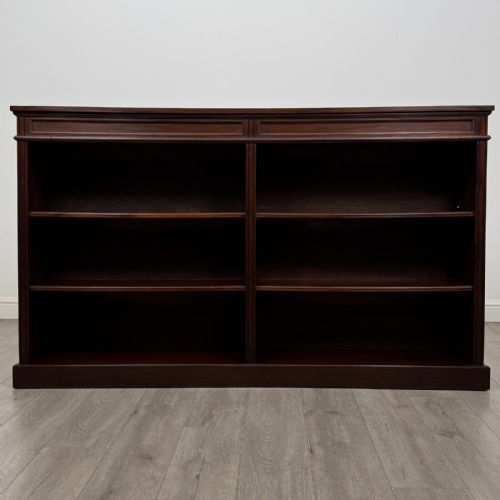
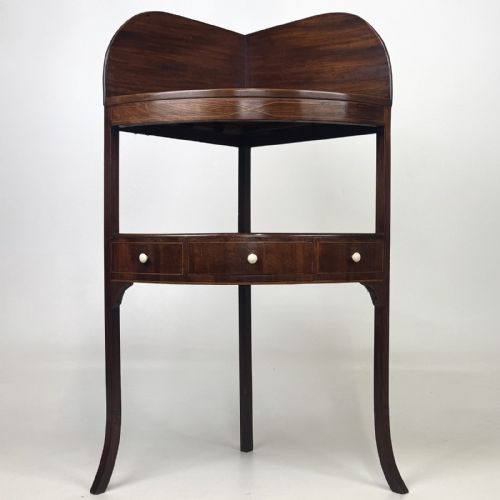
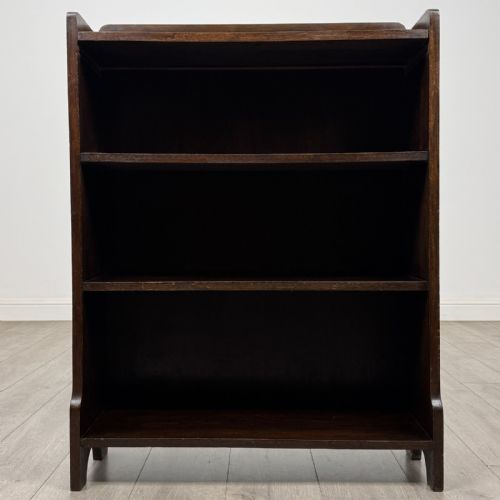
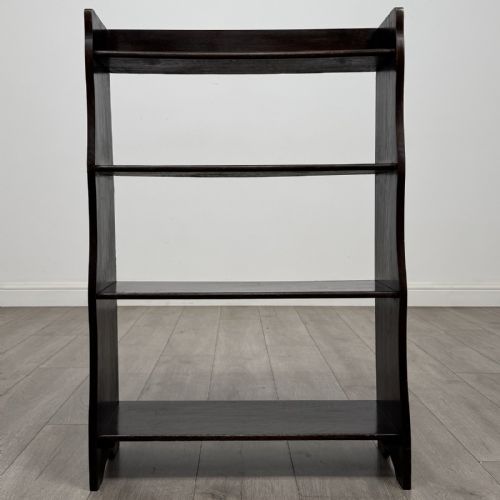
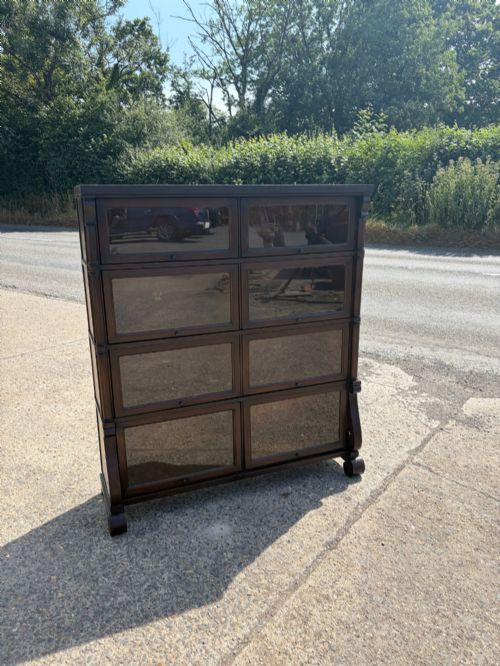
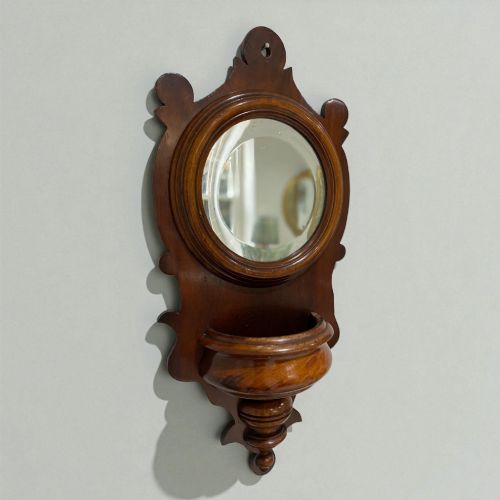
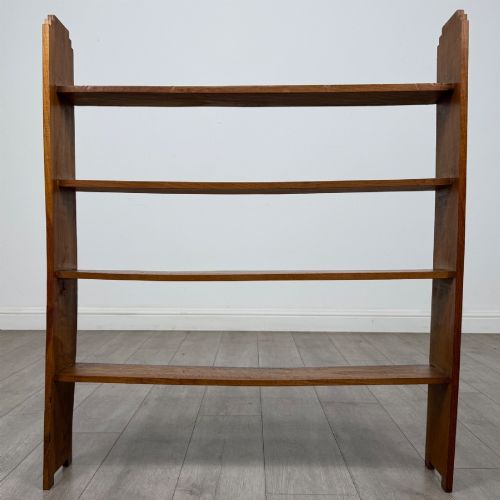
A vintage wood shelf gathers pieces from across the nineteenth and twentieth centuries, spanning Victorian, Edwardian, and later periods. The selection encompasses open bookcases, wall hanging shelves, and tiered what-nots designed to hold books or display objects.
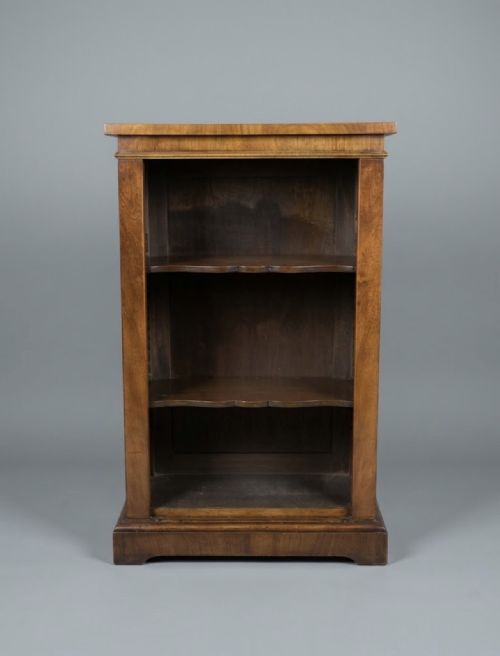
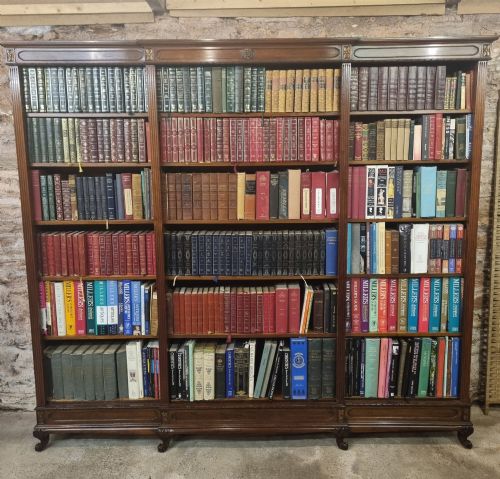
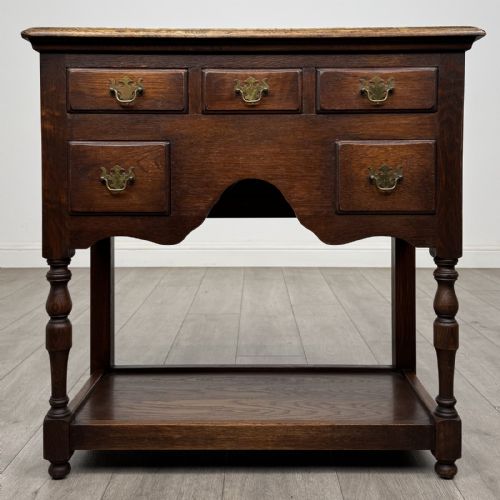
Most examples found here utilise traditional timbers such as mahogany, oak, and walnut, frequently finished with brass details or satinwood inlay. Forms range from compact corner stands to large breakfront bookcases fitted with adjustable shelving.
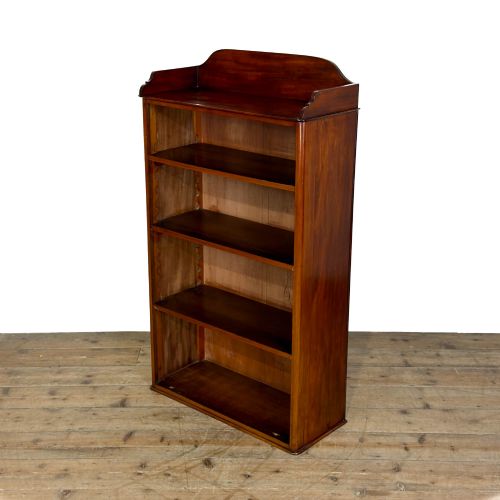
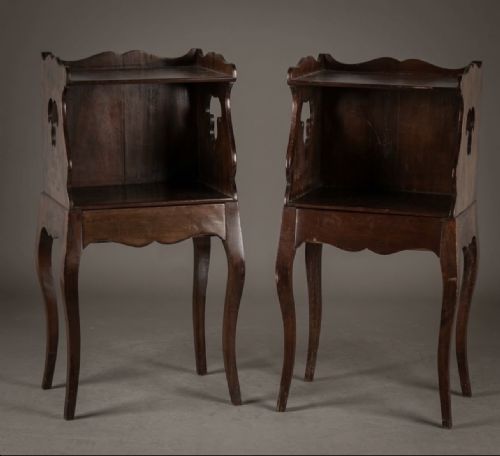
Buyers often encounter Edwardian and Victorian designs featuring raised galleries, bracket feet, or carved woodwork. These variations reflect the domestic needs of their original eras, from parlour display to functional bedside storage.
Materials and construction methods
Makers relied on durable hardwoods like mahogany and oak, often selecting walnut or pine for specific regional styles and domestic furniture. Timber selection governed both the structural integrity and the grain pattern visible across each piece.
Construction techniques combined traditional joinery with decorative elements such as boxwood stringing, brass mounts, and turned barley twist supports. Surviving examples demonstrate how carpenters built sturdy shelving units and bookcases designed for daily utility.
Some shelves come with tiny galleries designed to keep rogue tea services from sliding into the rug.
Assessing quality and craftsmanship
Quality rests in the selection of timber and the precision of the joinery, distinguishing sturdy bookcases from lighter decorative wall brackets. Finer pieces display carefully matched wood veneers, subtle inlay work, and robust internal shelving supports.
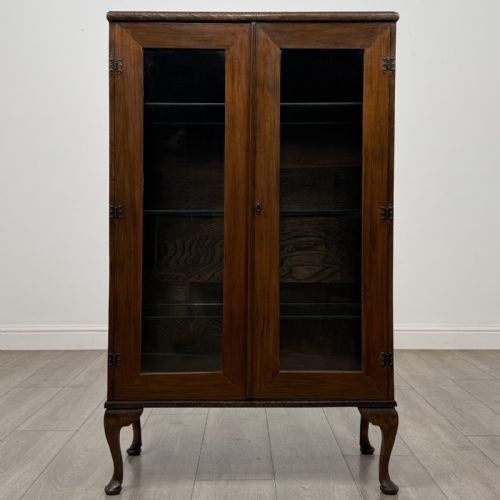
The integration of functional hardware, such as brass brackets or operable glazed doors, marks a higher standard of manufacture. Well-proportioned mouldings and balanced proportions separate utilitarian items from more ambitious cabinet work.
Macey·German H.A.C.
The Vintage Wood Shelf Glossary
- What-Not
- An open tiered piece of furniture designed for displaying ornaments, books, or bric-a-brac. These stands became popular during the Regency and Victorian periods.
- Inlay
- A decorative technique where contrasting materials such as satinwood or boxwood are inserted into recesses within the primary wood surface. This creates geometric or floral patterns.
- Bracket Feet
- Short architectural supports attached to the base corners of a cabinet or bookcase. They lift the main body slightly off the floor.
- Breakfront
- A large piece of furniture where the central section projects forward from the flanking wings. This architectural layout creates depth in bookcases and sideboards.
Vintage Wood Shelf: Frequently Asked Questions
How do I choose the right size shelf?
Measure your available wall space carefully and consider the depth required for your books or display items. Taller bookcases require adequate clearance, while wall hanging shelves suit compact rooms.
Take into account the weight capacity needed for heavier volumes versus lighter decorative objects before selecting a specific format.
Where were these shelves typically used?
These wooden shelves and bookcases served various rooms in period homes, from studies and libraries to parlours and bedrooms. Hanging shelves kept smaller volumes accessible above desks or seating areas.
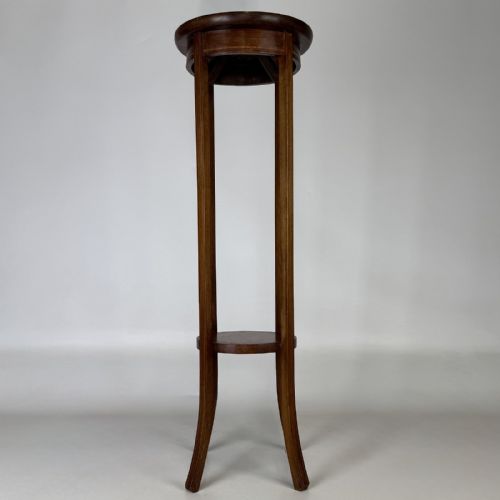
Tiered what-nots and plant stands occupied corners or hallways to display ceramics and decorative ornaments.
How should I care for vintage wood?
Maintain the finish by keeping wooden furniture away from direct sunlight and steady sources of heat. Dust regularly with a soft cloth to prevent particle buildup on carved details and mouldings.
Apply a suitable wax polish occasionally to nourish the timber grain and preserve the natural sheen of the wood.
Can I adjust the shelf heights?
Many nineteenth and twentieth-century bookcases feature adjustable shelving supported by wooden ratchets or metal tracks. This allows you to customise the interior layout for different book sizes.
Fixed shelves are more common in smaller wall units and specific cabinet designs where structural rigidity depends on permanent vertical partitions.