





Vintage Wood Plaque
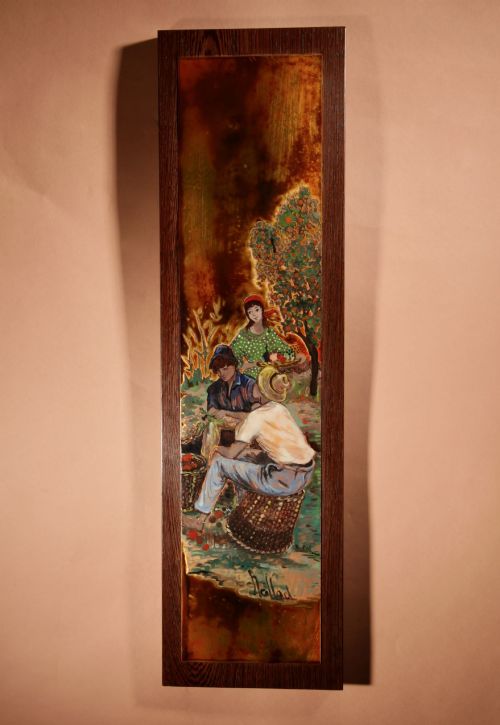
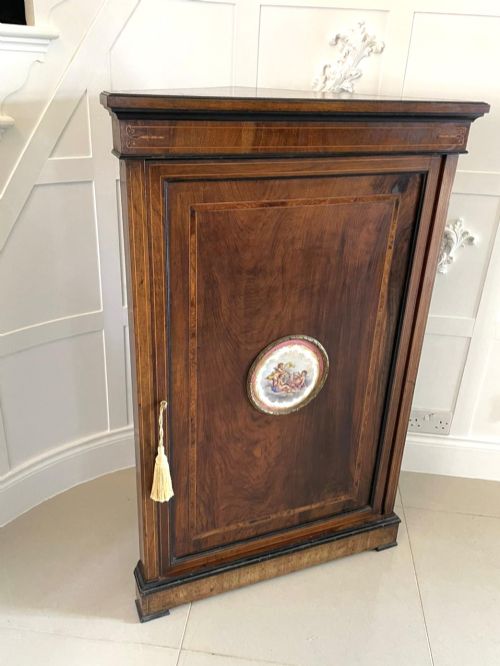
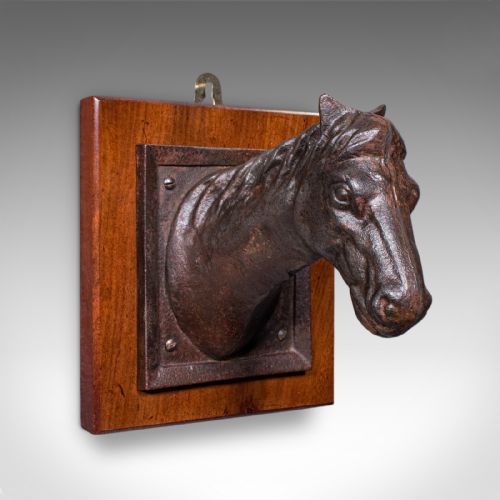
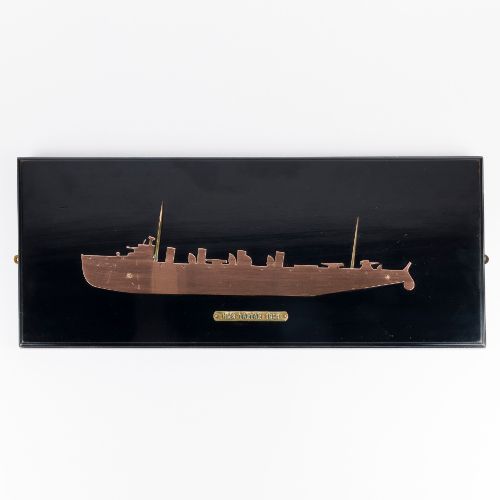
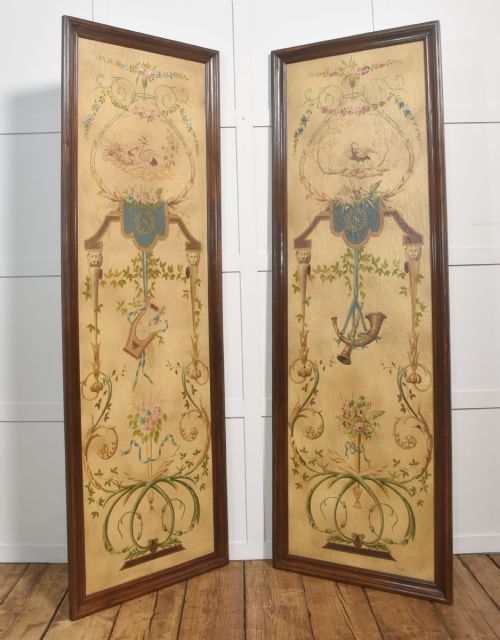
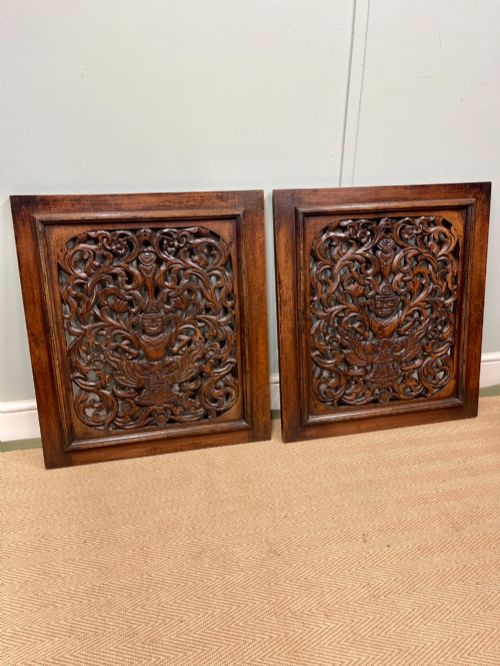
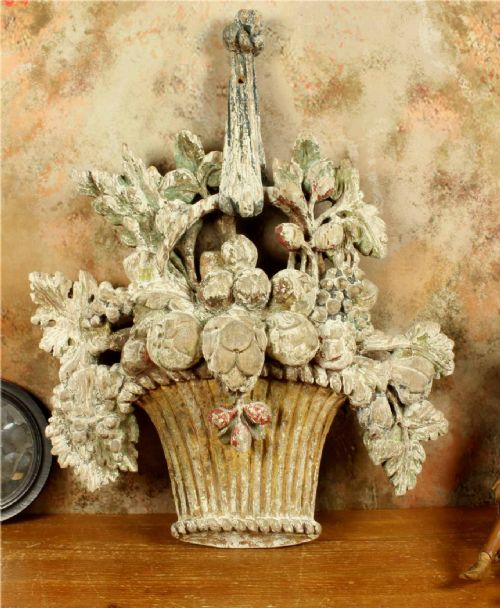
These vintage wood plaque examples range from nineteenth-century Black Forest carvings to early twentieth-century painted panels, offering distinct wall display options for collectors.
Vintage Wood Plaque
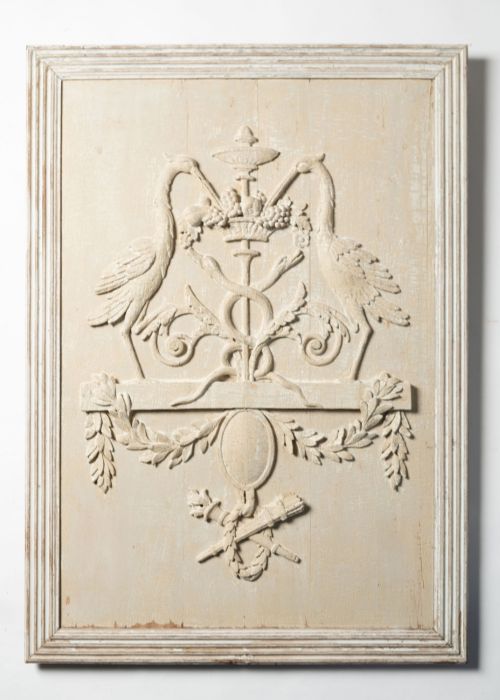
When you search for a vintage wood plaque, you encounter wall panels, carved reliefs, and architectural fragments spanning the eighteenth to the twentieth centuries. The selection includes Victorian oak panels, Edwardian commemorative pieces, and folk art carvings originating from Britain, Europe, Asia, and America.
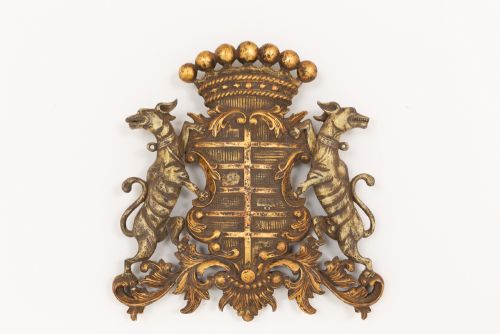
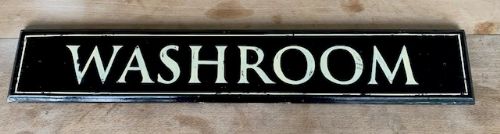
The objects take diverse forms, from carved armorial shields and hunting trophies to marquetry panels depicting wildlife, floral reliefs, and painted signs. Walnut, oak, teak, and timber form the primary support for intricate hand-carved motifs, inlaid details, and painted or lacquered surfaces.
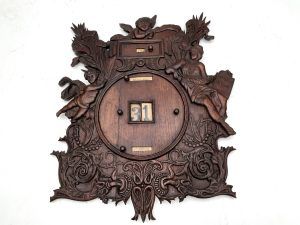
Buyers meet variations influenced by specific regional traditions, such as Swiss Black Forest animal carvings, Japanese lacquerwork, and intricate Kashmiri walnut trays. These pieces serve primarily as wall art, architectural salvage, and decorative wall sculptures.
How they were made
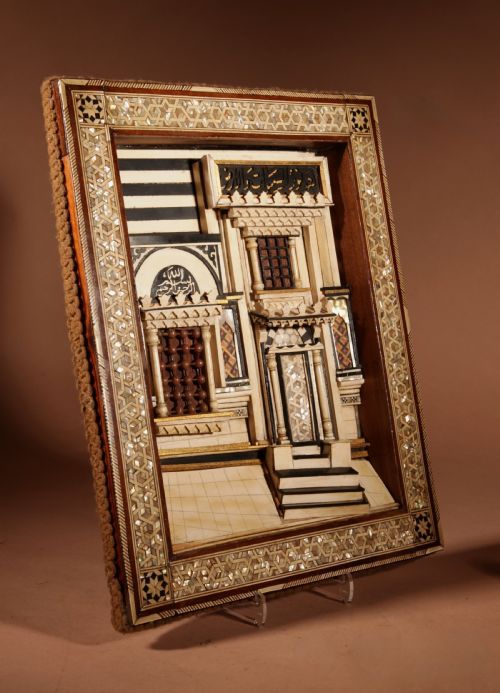
Carvers shaped these pieces using solid timbers like oak, walnut, teak, and mahogany, applying chisels and gouges to create deep relief carvings and architectural dioramas. Many items combine multiple techniques, pairing carved wood panels with applied paint, inlaid marquetry, or brass and ormolu mounts.
Surface finishing involved hand-painting, staining, and clear varnishing to protect the timber while accentuating the natural grain and intricate details of the carving. Specialised methods such as pyrography, pokerwork, and lacquer application appear on specific pieces from the nineteenth and early twentieth centuries.
Vintage Wood Plaque Retail Price Guide 2026
Typical asking prices for vintage wood plaque among the pieces listed under this phrase on Sellingantiques today, from the lower quarter to the upper quarter. They describe what is for sale here now, not the wider market.
Carved wooden falcons, leaping salmon, and fierce tiger heads keep quiet watch over these timber walls.
What varies in quality
Depth and precision of the hand-carving distinguish standard decorative items from exceptional examples, with superior pieces showing crisp undercutting, anatomical accuracy in figures, and balanced composition. The selection of timber also dictates quality, where dense, well-seasoned walnut or quarter-sawn oak retains sharper edges over centuries.
The integrity of the original surface finish, whether hand-applied paint, aged lacquer, or polished timber patina, influences the aesthetic merit of each piece. Intricate subsidiary elements, such as inlaid marquetry details or coordinated pairs, demonstrate higher workshop proficiency.
The Vintage Wood Plaque Glossary
- Marquetry
- The art and craft of applying small pieces of veneer to a structure to form decorative patterns. This technique frequently appears on flat panels depicting animals or geometric scenes.
- Black Forest
- A style of wood carving originating from the Swiss-German border region during the nineteenth century. These items typically feature realistic depictions of wildlife, hunting trophies, and forest foliage.
- Pyrography
- The art of decorating wood or other materials with burn marks using a heated tool. Examples from the nineteenth century demonstrate detailed tonal shading through controlled burning.
- Architectural Salvage
- Building elements rescued from older structures for decorative reuse. Pieces in this category include carved door panels, wall friezes, and decorative mouldings.
- Armorial Shield
- A decorative plaque shaped like a shield displaying heraldic bearings or coats of arms. Carved timber versions were often mounted on walls to signify lineage or institutional identity.
Vintage Wood Plaque: Frequently Asked Questions
What is a vintage wood plaque?
A vintage wood plaque is a decorative wall-mounted item carved, painted, or inlaid from timber during periods such as the Victorian and Edwardian eras. These objects include architectural panels, armorial shields, and pictorial carvings.
They function primarily as wall art and interior display pieces, showcasing regional woodworking traditions from Europe, Asia, and America.
How do I hang a heavy wood plaque?
Heavy carved wood plaques require secure wall fixings suited to the specific weight of the timber and the wall construction. Professionals recommend using mirror plates or heavy-duty D-rings screwed firmly into the structural frame of the panel.
Ensure the wall anchors match the weight capacity to prevent the plaque from shifting or pulling away from the plaster.
How do I date a wooden wall plaque?
Dating a wooden wall plaque involves examining the tool marks, timber selection, fixing methods, and stylistic motifs present on the piece. Eighteenth and nineteenth-century items often display hand-sawn board marks and traditional joinery.
Comparing the decorative style, such as Neoclassical motifs or Arts and Crafts lettering, against known historical periods helps narrow down the decade of production.
How do I care for antique carved wood?
Antique carved wood requires stable indoor humidity levels away from direct heat sources and sunlight to prevent the timber from drying and splitting. Dust the carved recesses gently using a soft, dry brush rather than a cloth that might catch on raised details.
Avoid applying modern silicone polishes, relying instead on traditional wax formulations sparingly if the surface appears dry.