



Vintage Wood Planter
These vintage wood planter pieces range from coopered oak buckets to Edwardian mahogany plant stands, bringing natural texture and historic form to any room.
Vintage Wood Planter
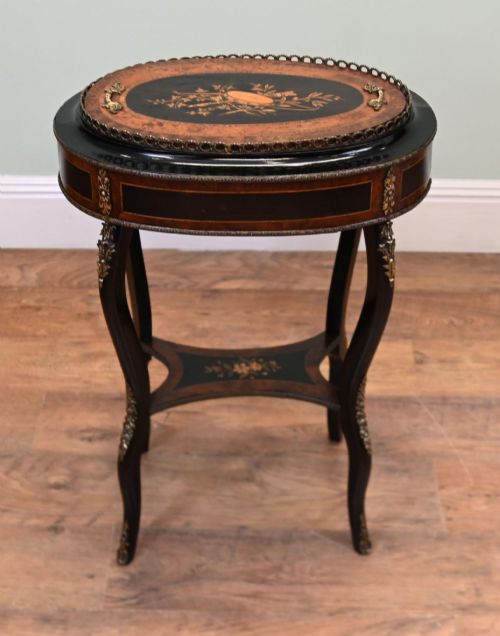
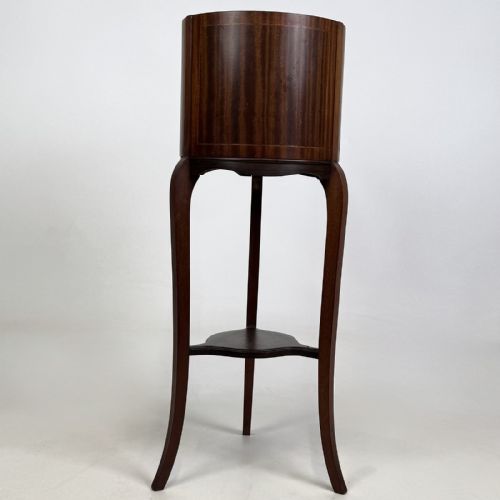
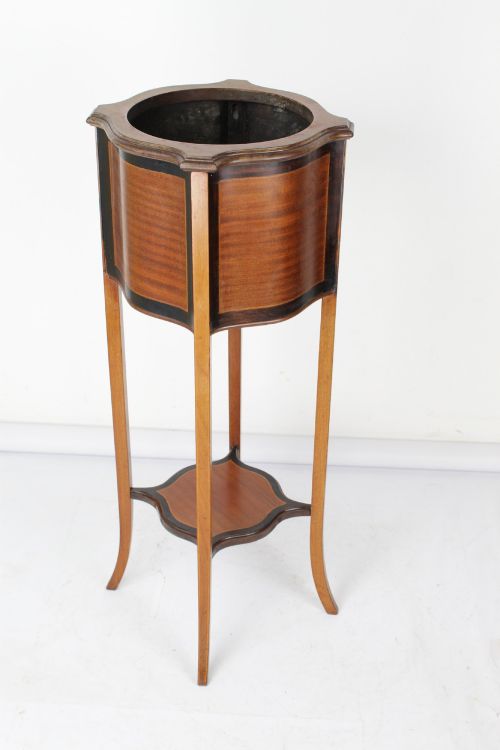
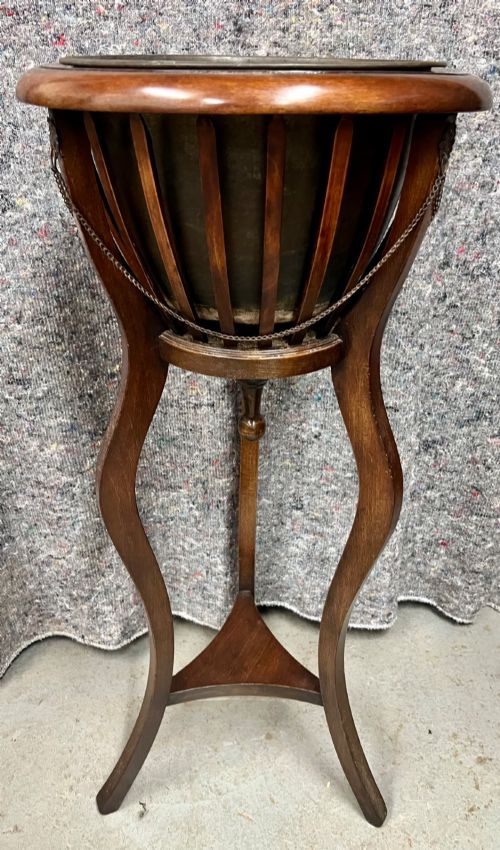
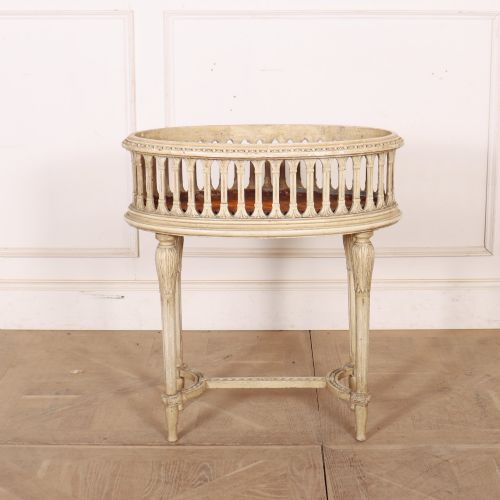
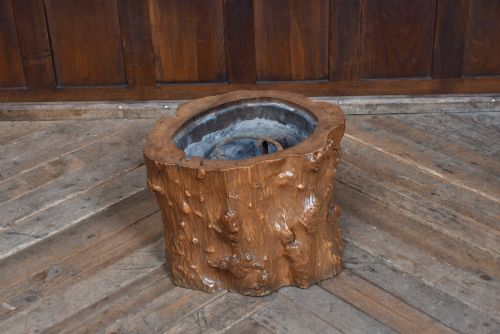
A vintage wood planter encompasses a diverse group of wooden vessels, stands, and containers designed to hold plants or manage fireside fuel. When browsing this selection, buyers encounter everything from coopered oak barrels and rustic pine storage vessels to refined Edwardian mahogany plant stands and inlaid satinwood jardinières.
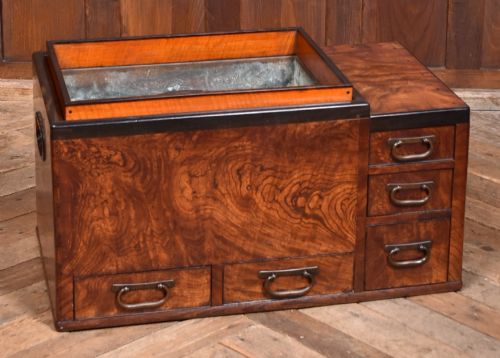
The assortment draws from periods spanning the seventeenth century through to the early twentieth century, incorporating regional forms like Dutch teestoofs, Japanese hibachis, and Chinese elm mortars. Plant stands and tall jardinière tables sit alongside floor-standing log bins and small tabletop bowls.
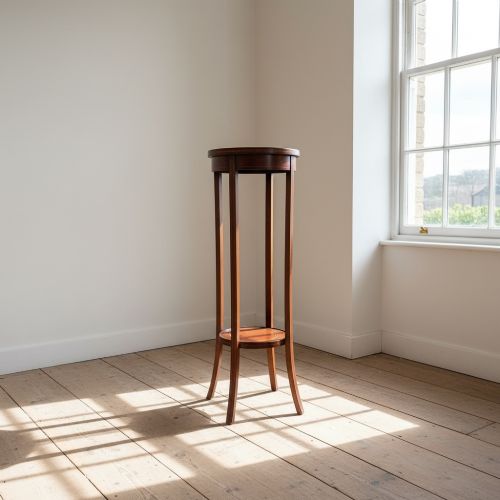
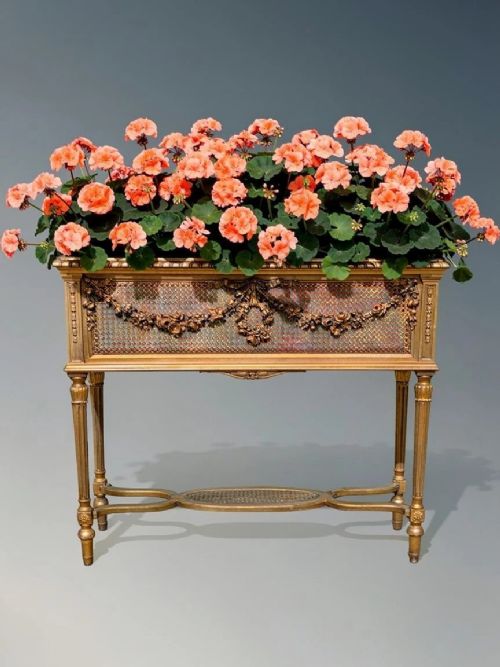
Most items on this page lean towards traditional British, French, and Scandinavian vernacular or formal cabinet-making. A buyer might select a tall columnar plant stand to elevate foliage in a corner or choose a robust coopered oak bucket for hearthside logs.
Materials and construction
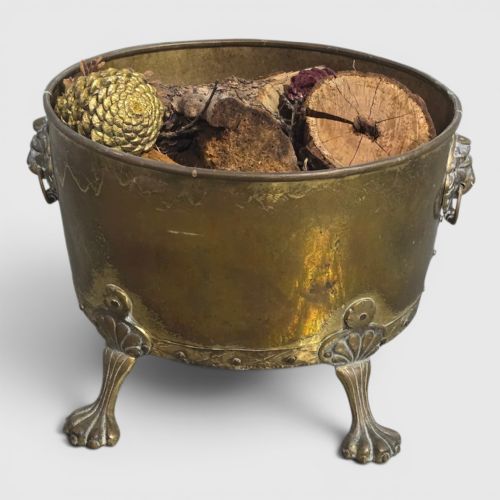
Construction relies heavily on traditional carpentry and cooperage, utilising timbers such as mahogany, oak, satinwood, walnut, elm, and pine. Coopered pieces employ curved wooden staves bound tightly with iron or brass bands to hold moisture without splitting.
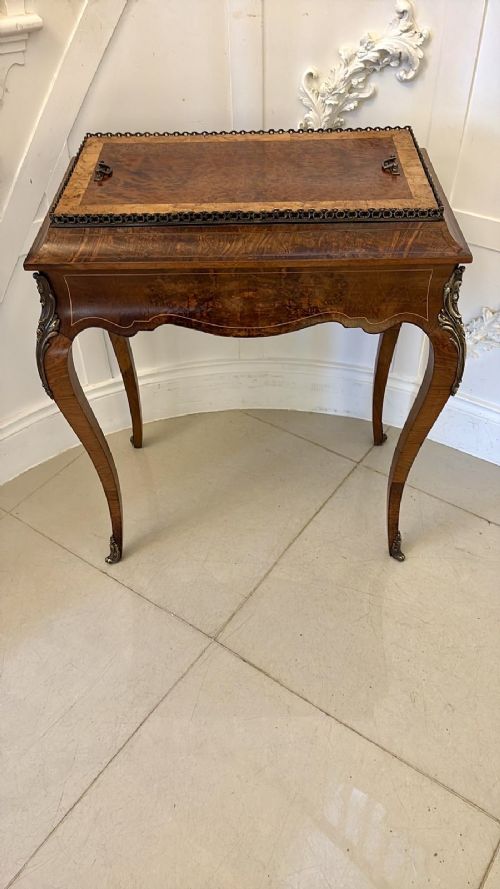
Cabinet-built items feature fine joinery, decorative wood veneers, and marquetry inlay, frequently paired with fitted metal liners in copper or brass to protect the timber from damp soil. Surface finishes range from simple wax polish on rustic pine to intricate giltwood detailing and hand-carved relief work.
Vintage Wood Planter Retail Price Guide 2026
Typical asking prices for vintage wood planter among the pieces listed under this phrase on Sellingantiques today, from the lower quarter to the upper quarter. They describe what is for sale here now, not the wider market.
Listings feature woods including mahogany, oak, satinwood, walnut, and pine, paired with metal mounts in brass, copper, and iron.
Distinguishing quality
Quality rests upon the integrity of the timber, the skill of the original joinery or cooperage, and the survival of original metal liners and mounts. Superior examples display tight, stable stave construction in coopered vessels and crisp, precise inlay or carving on formal stands.
The presence of secondary materials, such as heavy brass handles, original metal bands, and intact interior liners, elevates a piece from a utilitarian container to a finished decorative object. Proportion and balance also divide standard vernacular items from exceptional cabinet-maker pieces.
Enoch Wood And Sons
The Vintage Wood Planter Glossary
- Coopered
- A method of construction where curved wooden staves are joined side by side and bound with metal hoops to form a round or oval vessel. This technique is typical for buckets, barrels, and log bins.
- Jardiniere
- A large ornamental pot or stand designed to hold flowers or growing plants. These often feature interior metal liners to catch drainage water.
- Teestoof
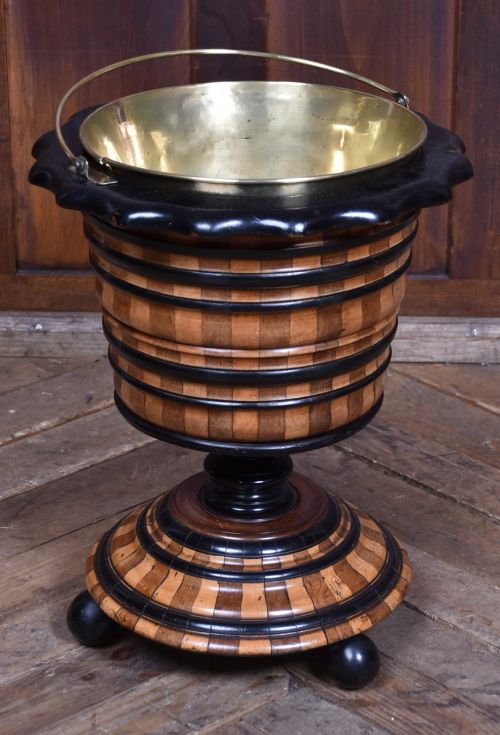
- A traditional Dutch warming vessel, frequently coopered with a brass liner, historically used with hot embers but repurposed as a planter. They reflect domestic utilitarian design from the nineteenth century.
- Torchere
- A tall, slender standing pedestal or column designed to support a lamp or a plant. They showcase turned woodwork and stable pillar bases.
Vintage Wood Planter: Frequently Asked Questions
Can I plant directly inside these wooden containers?
Most antique wooden vessels lack modern drainage systems and risk water damage to aged timber if soil is placed directly inside. Using a separate plastic pot or ensuring an intact metal liner is present protects the antique wood.
Moisture control remains essential for preserving coopered staves and polished veneers. Placing a saucer beneath inner pots prevents standing water from rotting the base.
How do I care for the wooden surface?
Maintaining these pieces involves regular dusting with a soft cloth and occasional application of appropriate beeswax to nourish the dry timber. Avoiding direct sunlight and damp environments prevents the wood from warping or cracking.
Harsh chemical cleaners strip historic finishes and dry out the grain. Gentle, natural wax preserves the patina accumulated over decades.
What is the difference between a plant stand and a jardiniere?
A plant stand is a tall piece of furniture designed to elevate a single pot off the floor, often featuring a slender column or tripod base. A jardiniere is typically the vessel itself, though the two terms merge when a stand incorporates a fixed planter top.
Tall stands suit corners and empty wall spaces, while table-top jardinieres sit on surfaces as decorative centrepieces. Both forms utilise materials like mahogany, brass, and satinwood.
Where were coopered barrels traditionally used?
Coopered wooden barrels and buckets served utilitarian roles in farmhouses, firesides, and sculleries for holding water, grain, or peat. Heavy metal banding ensured the wooden staves remained secure under heavy loads.
Today, these robust items transition easily into living spaces as log bins or floor-standing plant holders. Their practical origins give them a sturdy, grounded aesthetic.