




Vintage Wood Mortar
A vintage wood mortar brings tactile warmth and centuries of domestic utility straight to a modern kitchen surface.
Vintage Wood Mortar
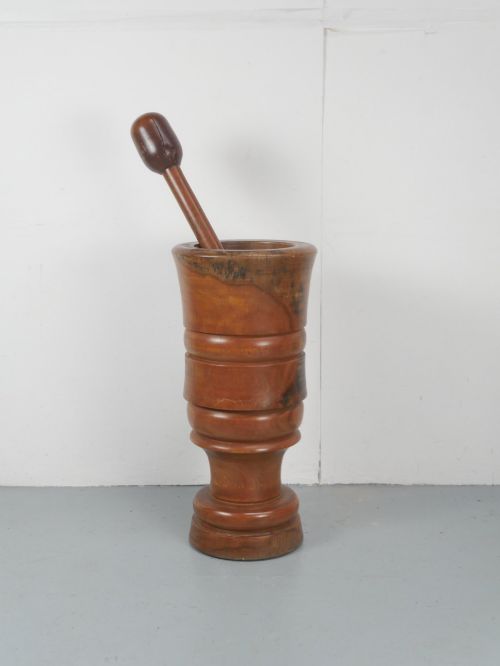
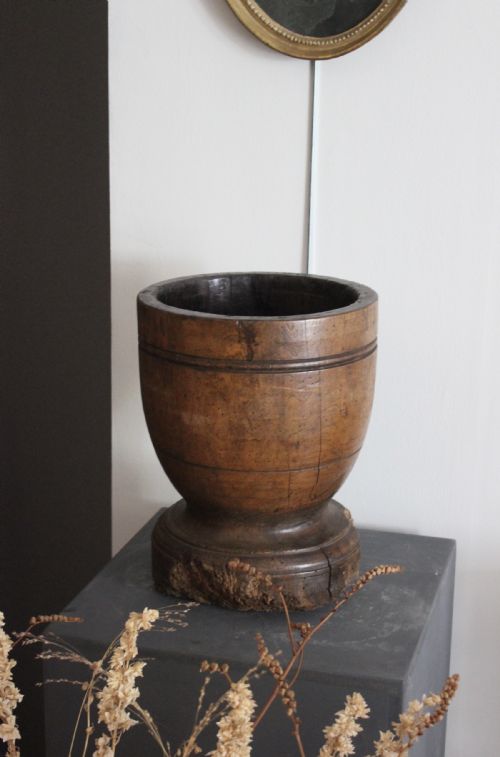
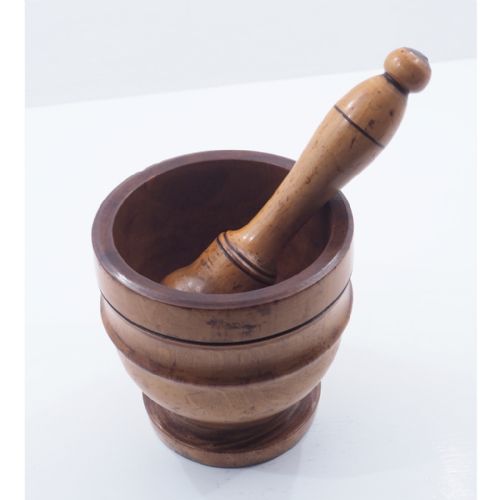
A vintage wood mortar represents a longstanding tradition of domestic and apothecary kitchenware designed for grinding spices, herbs, and roots. When searching for a vintage wood mortar, buyers encounter an array of turned vessels spanning the seventeenth century through to the twentieth century.
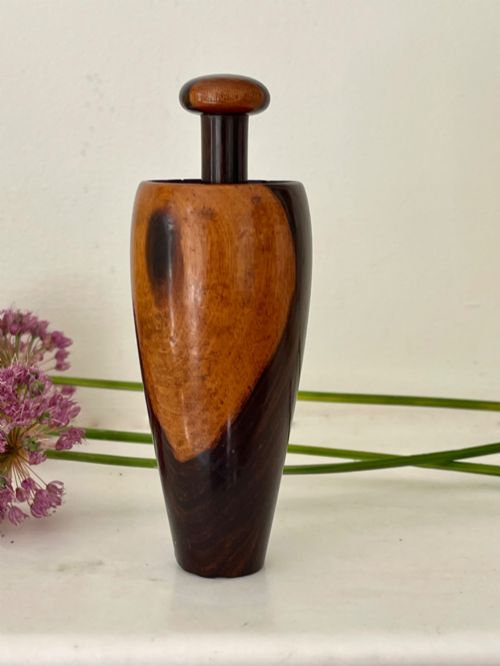
The pieces listed here showcase forms such as apothecary mortars, snuff grinders, and rustic vessels originating from English, European, and Chinese traditions. These utilitarian objects bridge the gap between functional kitchenalia and tactile folk art.
Visitors to this selection are most likely to meet nineteenth-century examples and robust treen items, alongside earlier seventeenth-century turned pieces. Each specimen carries the distinct marks of hand-carving and active use in historical kitchens.
Materials and construction
The construction of these vessels relies on dense timbers capable of withstanding heavy pestle impacts, notably lignum vitae, beech, walnut, and fruitwood. Craftsmen shaped these materials on a lathe or through hand-carving to achieve stable, thick-walled bowls.
Makers utilised native and exotic hardwoods, including olive wood and Chinese elm, selecting each log for its grain pattern and weight. The exterior surfaces often display crisp turning rings or smooth patination accumulated from decades of handling.
Vintage Wood Mortar Retail Price Guide 2026
Typical asking prices for vintage wood mortar among the pieces listed under this phrase on Sellingantiques today, from the lower quarter to the upper quarter. They describe what is for sale here now, not the wider market.
Geographic origins span English, European, and Chinese traditions, encompassing kitchenware, treen, and apothecary vessels.
Evaluating the standard
Quality in these vessels rests upon the integrity of the timber and the balance of the turning. Heavy, dense hardwoods like lignum vitae command attention for their substantial heft and durability.
The aesthetic appeal is further defined by the depth of the patina and the clarity of the turned profiles. Pieces exhibiting untouched surface wear and synchronous pestles elevate the character of the object.
The Vintage Wood Mortar Glossary
- Treen
- Small handmade wooden domestic objects. This term encompasses everything from mortars and spoons to bowls carved for everyday household tasks.
- Lignum vitae
- An extremely dense and heavy wood derived from tropical trees. It was traditionally chosen for mortars due to its resistance to splitting under heavy impact.
- Apothecary mortar
- A heavy grinding vessel used by chemists and pharmacists. These often feature pronounced exterior flanges and robust proportions.
- Fruitwood
- Timber sourced from fruit-bearing trees such as apple or pear. It offers a tight grain that holds fine turned details exceptionally well.
Vintage Wood Mortar: Frequently Asked Questions
What were old wooden mortars used for?
These vessels served chemists, cooks, and herbalists for pounding spices, grinding medicinal powders, and crushing dry ingredients before the widespread adoption of metal machinery.
The thick wooden walls and matching pestles allowed users to exert considerable force without shattering the grinding bowl.
Can I still use these mortars for cooking?
Many sturdy hardwood examples remain fully functional for grinding dry spices and herbs in a modern kitchen setting.
Buyers should inspect the interior bowl condition to ensure the timber remains clean and free from harmful historical residues.
How can I tell a seventeenth-century mortar apart from a nineteenth-century one?
Earlier seventeenth-century pieces frequently display heavier proportions, distinct folk art turning styles, and dense timbers like lignum vitae or fruitwood.
Later nineteenth-century examples often show more standardised Victorian or Edwardian turning patterns and a wider variety of domestic hardwoods.