





Vintage Wood Ladder
These vintage wood ladder pieces range from sturdy library steps to folding country stepladders, bringing honest utility and warm timber tones into modern interiors.
Vintage Wood Ladder
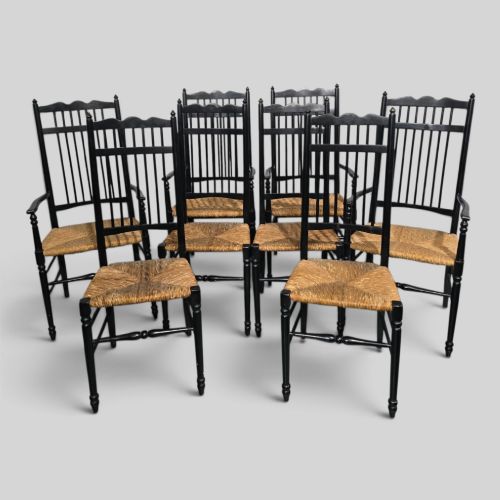
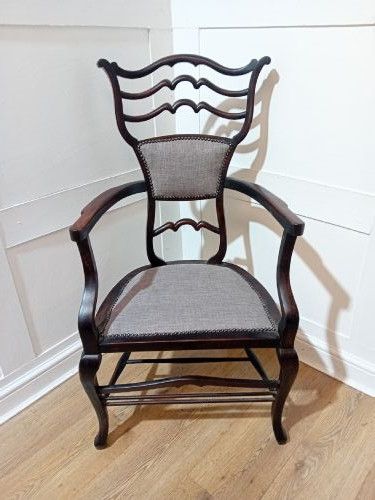
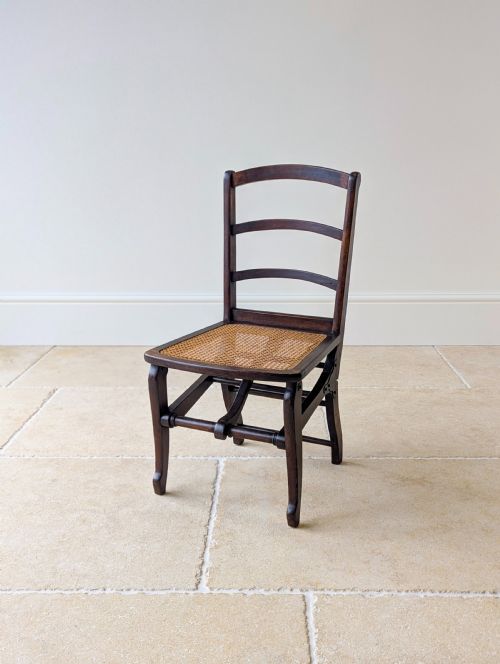
A vintage wood ladder serves practical functions in the home or library, spanning utilitarian folding steps, domestic stepladders, and specialised library designs. When searching for a vintage wood ladder, you encounter pieces designed for climbing as well as seating forms utilising ladderbacks.
The selection extends from 19th century and Victorian iterations through Edwardian and 1930s utilitarian pieces. Materials range from humble pine and ash to refined mahogany.
Domestic library steps offer compact climbing solutions, often featuring multiple treads and leather details. Country vernacular styles bring rustic charm through simpler construction.
How they were made
Construction relies on solid timbers like mahogany, oak, pine, ash, and elm, joined to bear weight safely during everyday use. Joinery techniques vary from utilitarian metal hinges on folding steps to traditional pegged joints on earlier wooden frames.
Surface treatments include polished mahogany finishes, natural waxed oak and pine, and painted or scrubbed surfaces reflecting domestic or industrial utility. Details such as turned supports, rush seating, and leather treads enhance function and tactile appeal.
Vintage Wood Ladder Retail Price Guide 2026
Typical asking prices for vintage wood ladder among the pieces listed under this phrase on Sellingantiques today, from the lower quarter to the upper quarter. They describe what is for sale here now, not the wider market.
Some library steps incorporate secret spiral designs that let you climb upward while spinning in circles.
What varies in quality
Structural integrity sets exceptional pieces apart, distinguishing items built for daily service from those intended purely for display. The choice of timber dictates durability, with dense hardwoods like mahogany and oak outlasting softer domestic pine.
The sophistication of the mechanism on folding library steps or campaign designs dictates mechanical execution. Refined decorative elements, such as turned wooden supports or leather-topped treads, elevate standard utility pieces into masterworks of craftsmanship.
Liberty and Co
The Vintage Wood Ladder Glossary
- Ladderback
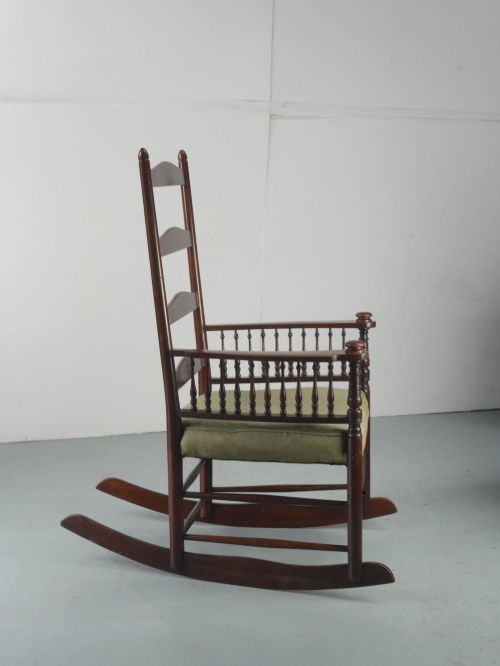
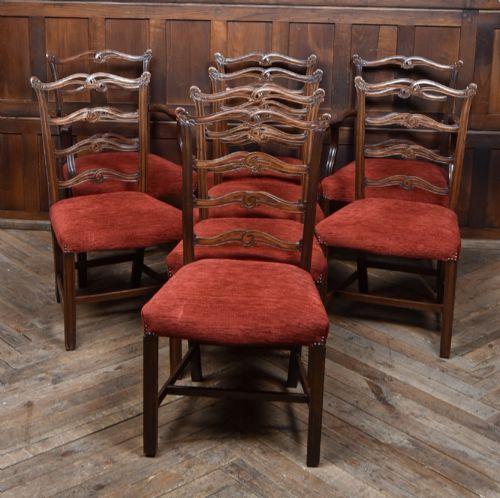
- A chair back featuring multiple horizontal wooden slats resembling the rungs of a ladder. This traditional form appears across country dining chairs and rocking chairs.
- Campaign chair
- A portable folding chair designed for travel and military use during the nineteenth century. These pieces combine compact mechanics with durable folding wooden frames.
- Rush seat
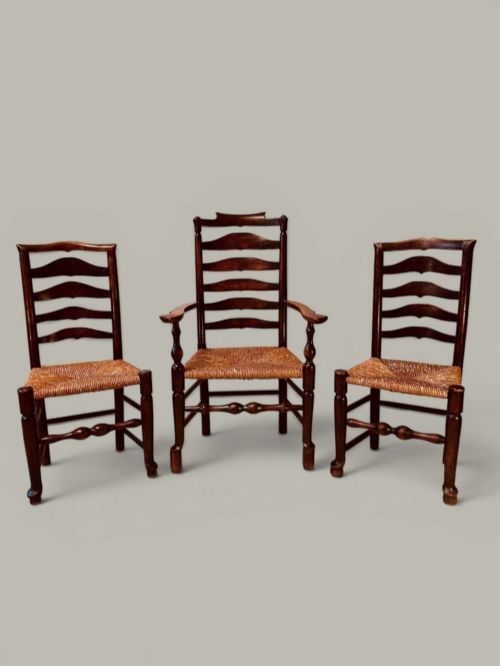
- A woven seat made from marsh grasses twisted into cords and threaded across a wooden frame. This technique is typical of Arts and Crafts and country vernacular seating.
- Vernacular
- Everyday objects built by local makers to satisfy regional and practical needs rather than following strict high-style architectural or furniture fashions.
Vintage Wood Ladder: Frequently Asked Questions
Are vintage library steps safe to use?
Most vintage library steps retain solid structural integrity if constructed from dense hardwoods like mahogany or oak. Checking the joints and hinges ensures they remain stable for climbing.
Heavier nineteenth-century examples often provide robust platforms, though lightweight folding steps benefit from cautious weight testing before regular domestic use.
How do I style a wooden stepladder at home?
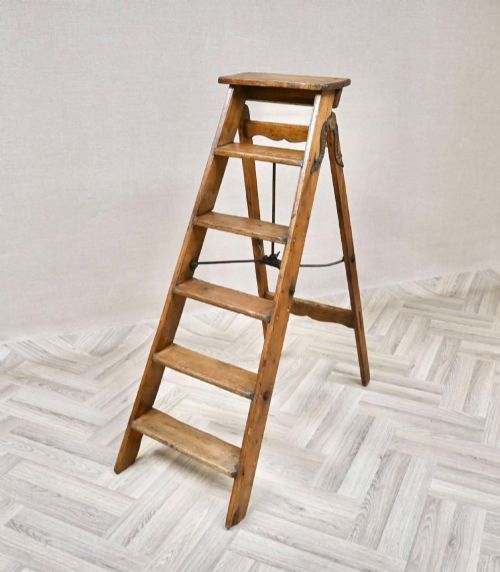
Wooden stepladders function well as shelving units for books, plants, or decorative objects in living spaces and bedrooms. Their vertical profiles utilise compact floor areas efficiently.
Folding versions can stand partially open against a wall to display textiles or magazines without requiring permanent wall fixings.
What is the difference between library steps and step ladders?
Library steps typically feature refined joinery, turned supports, and leather or fabric-inlaid treads suited for domestic reading rooms. They prioritize a polished appearance alongside climbing utility.
Step ladders generally emerge from industrial or agricultural contexts, displaying robust pine, iron hardware, and plain utilitarian construction intended for workshop or kitchen tasks.
How do I care for antique wood steps?
Maintaining wooden steps involves applying occasional applications of natural beeswax to nourish the timber and preserve the polished finish. Avoid placing them in direct sunlight or damp environments to prevent wood splitting.
Regular dusting with a soft cloth keeps the surface clean without stripping historical patinas built up over decades of use.