

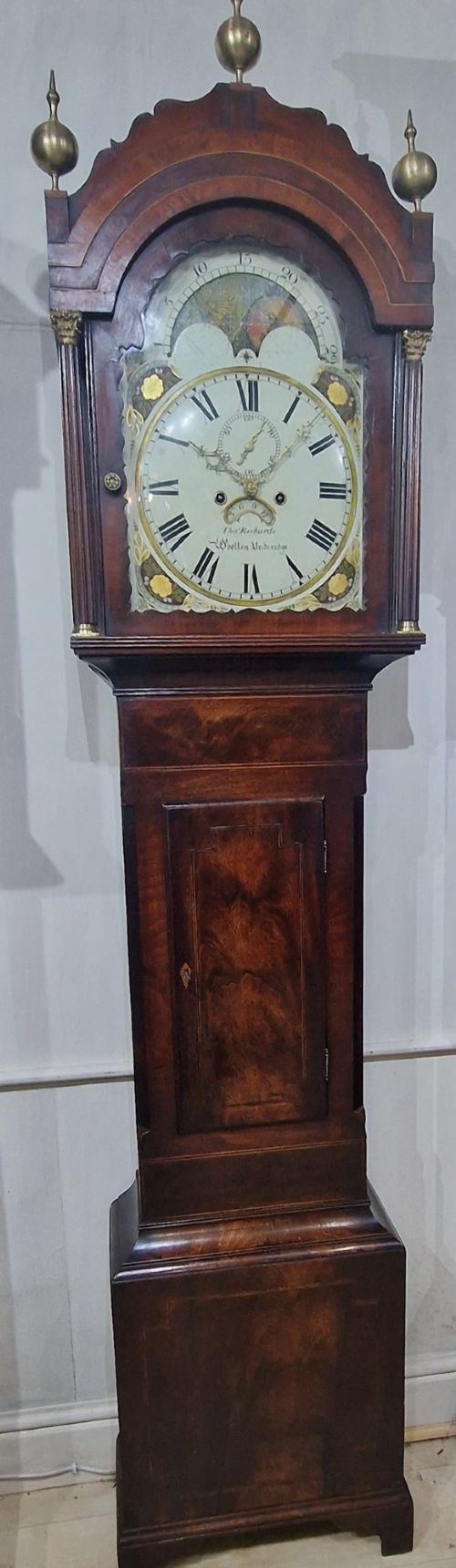
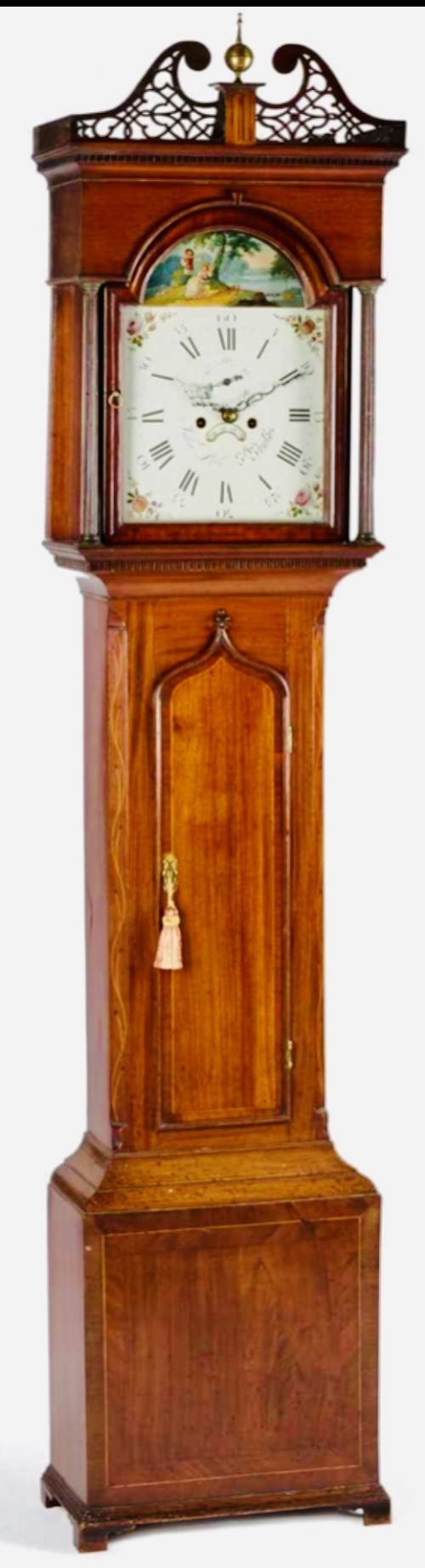
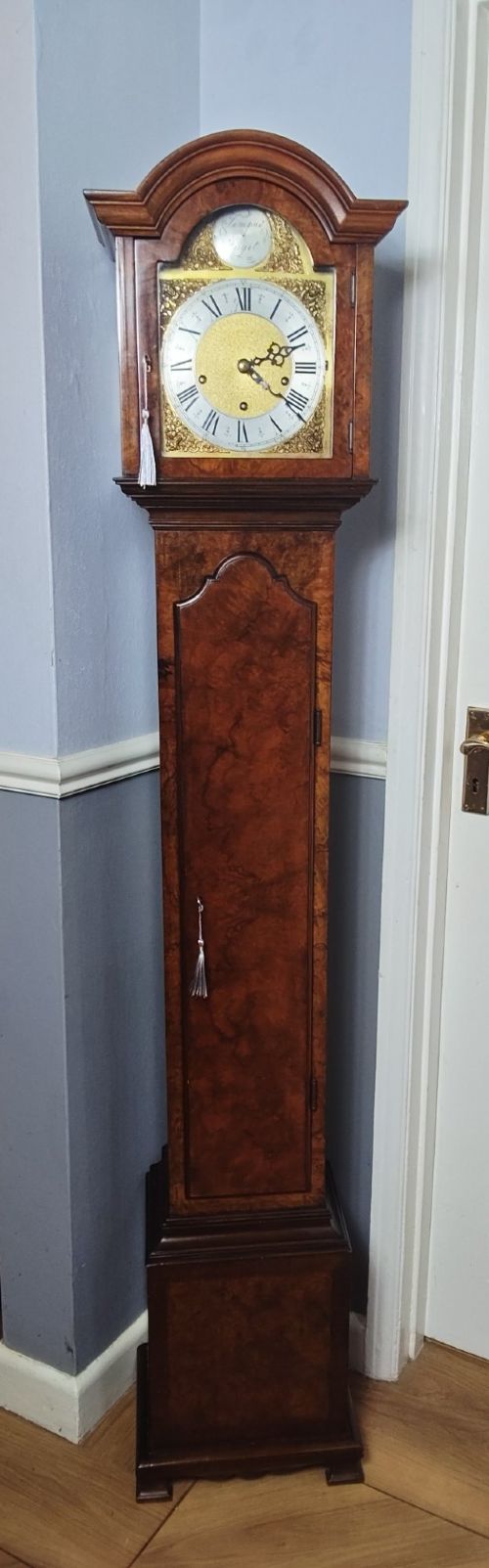

Vintage Wood Grandfather Clock
A vintage wood grandfather clock anchors a room with mechanical gravity, bringing centuries of skilled joinery and ticking precision into a domestic space.
Vintage Wood Grandfather Clock
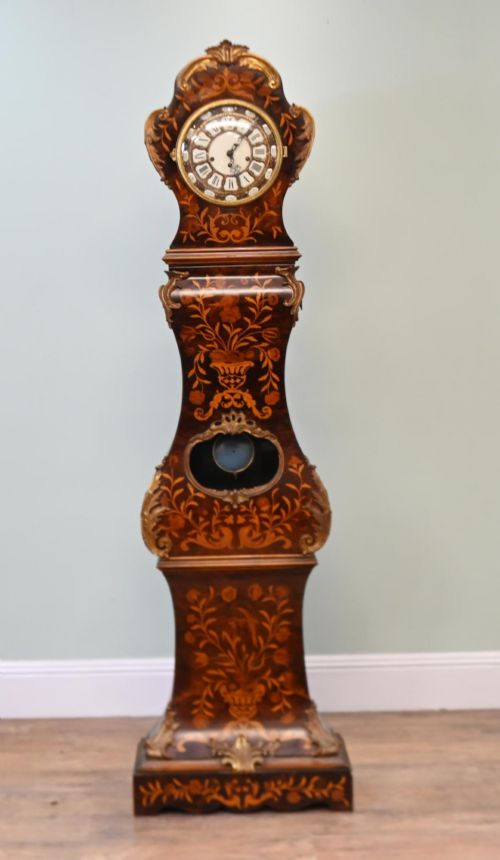
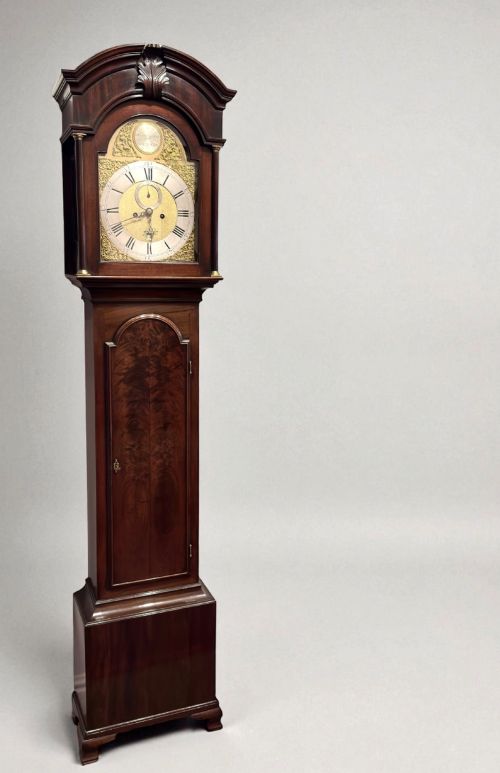
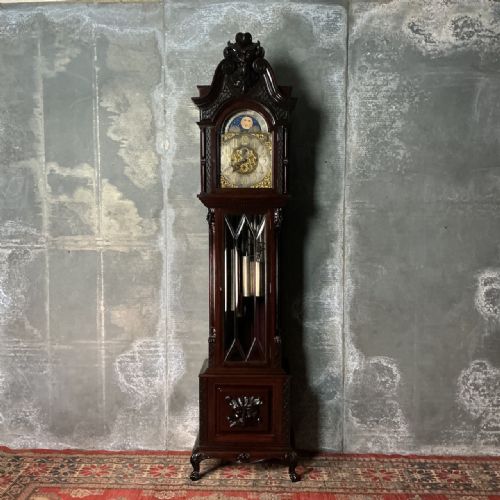
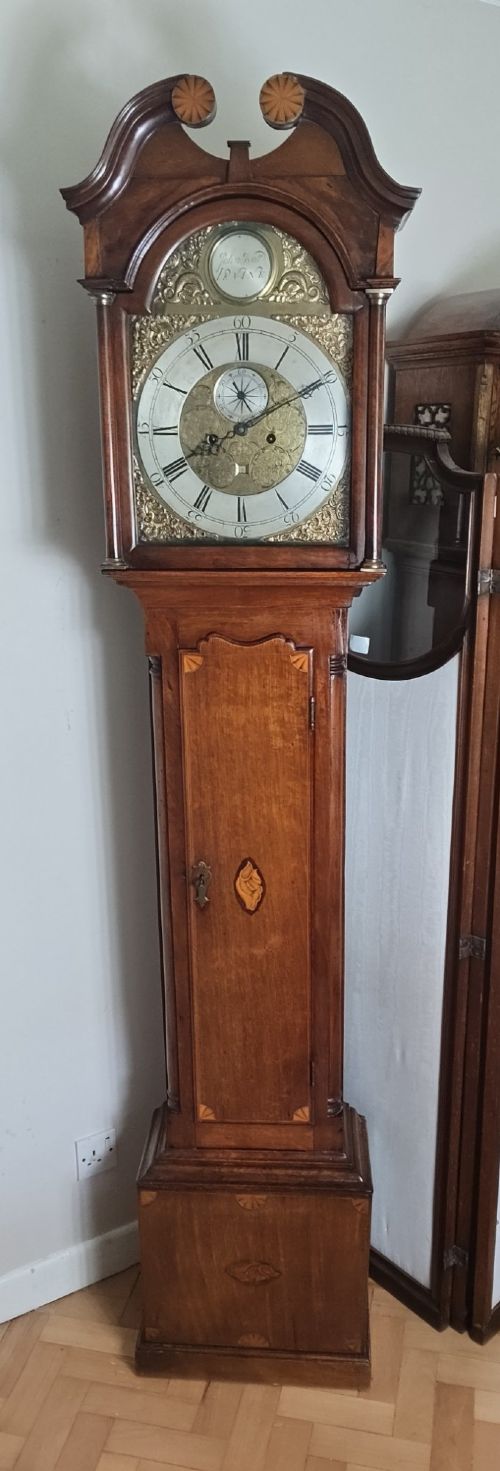
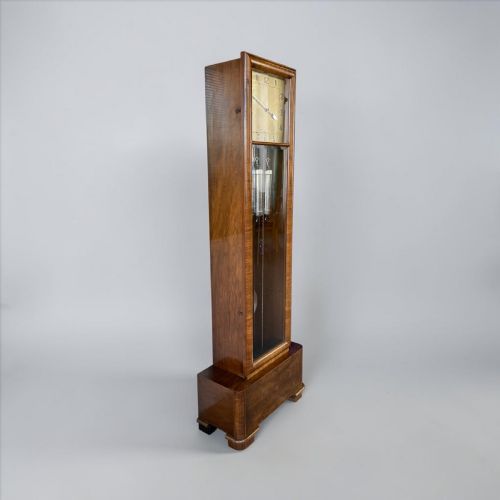
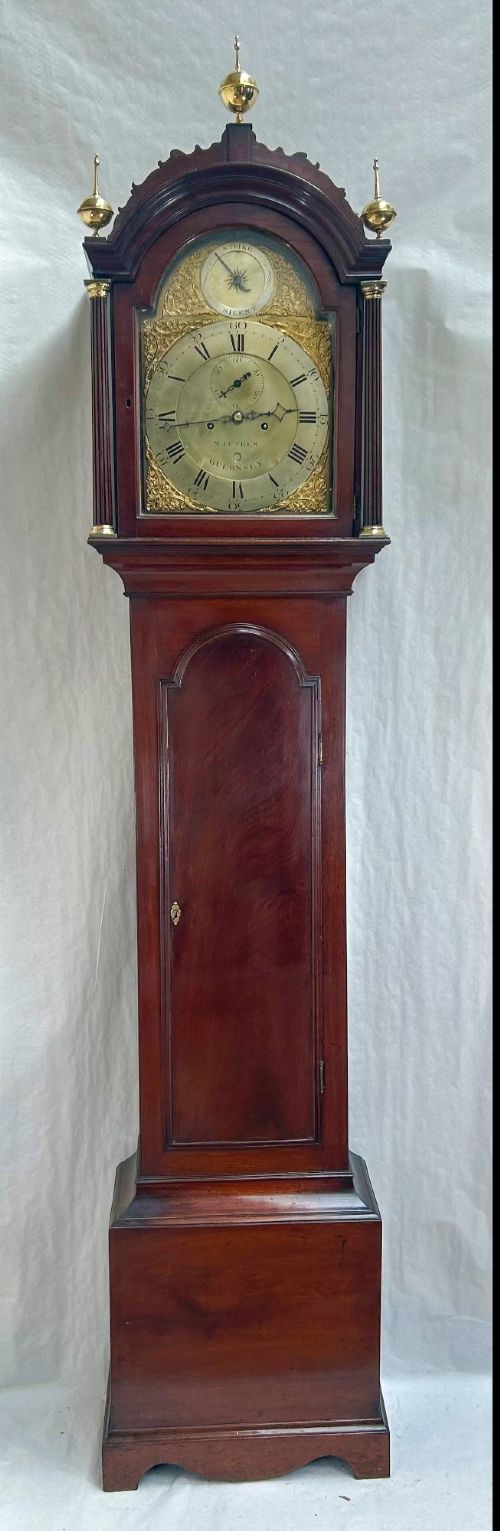
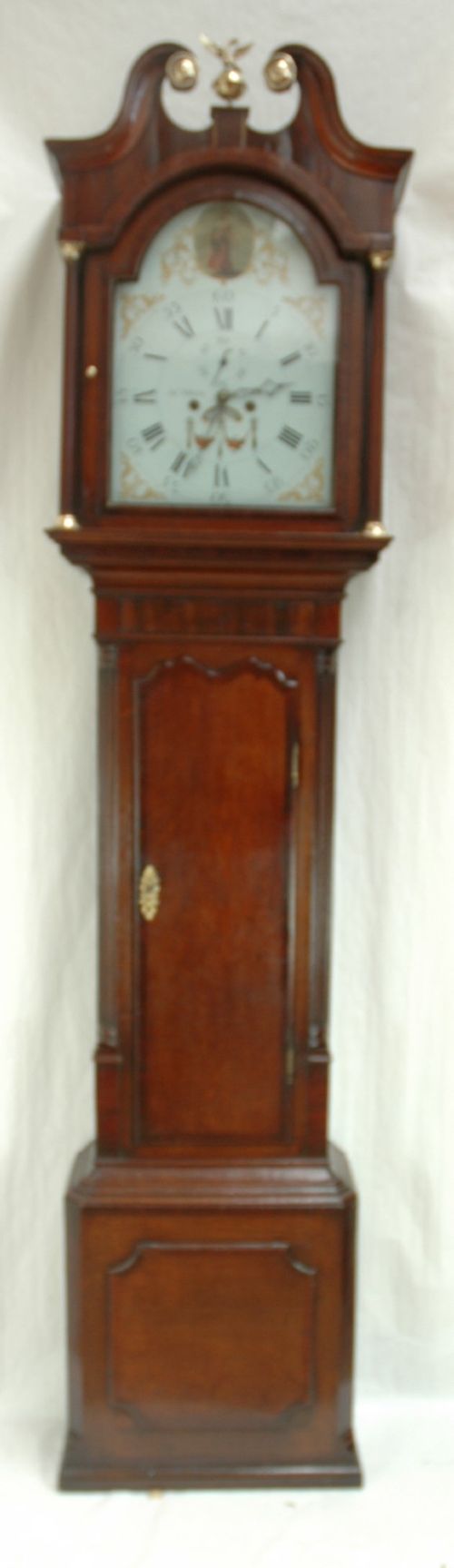
A vintage wood grandfather clock, often recorded in these listings as a longcase clock or grandmother clock, stands as a tall case housing a pendulum-driven movement. Buyers seeking these items encounter a range of forms spanning from robust eighteenth-century examples to more compact twentieth-century interpretations.
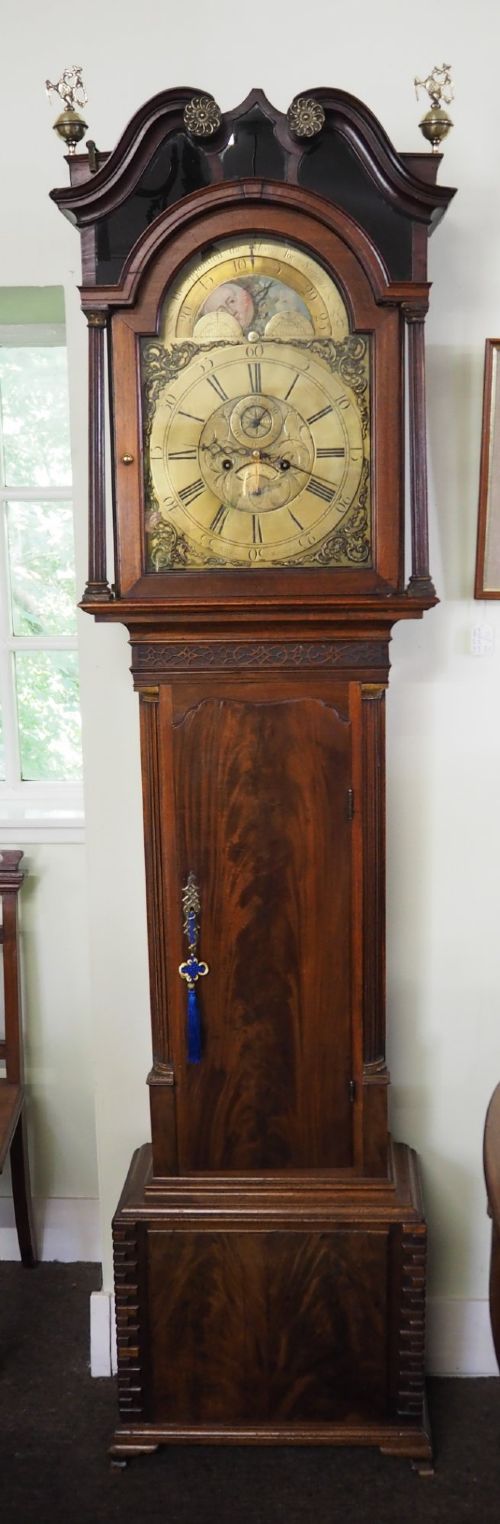
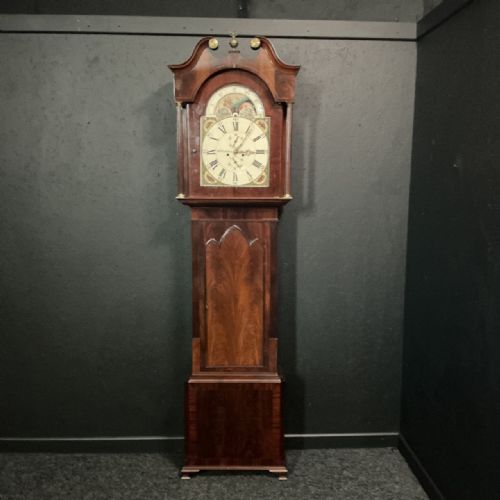
The material palette is predominantly timber, with mahogany, oak and walnut forming the structural bodies that enclose brass dials and iron or steel mechanisms. Stylistic variations follow historical periods closely, moving from Georgian and Victorian formality into Edwardian and revival designs.
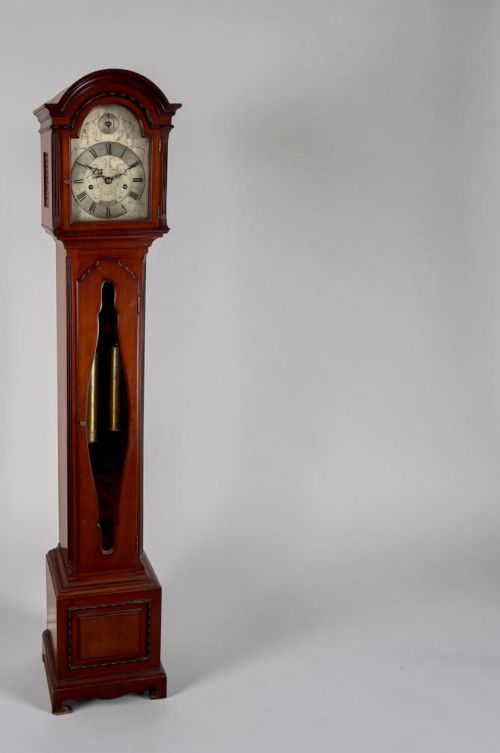
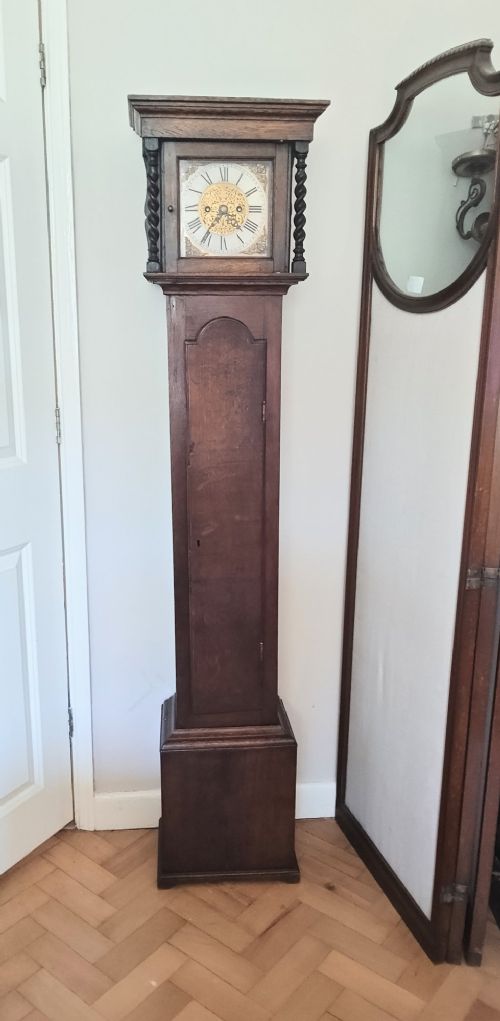
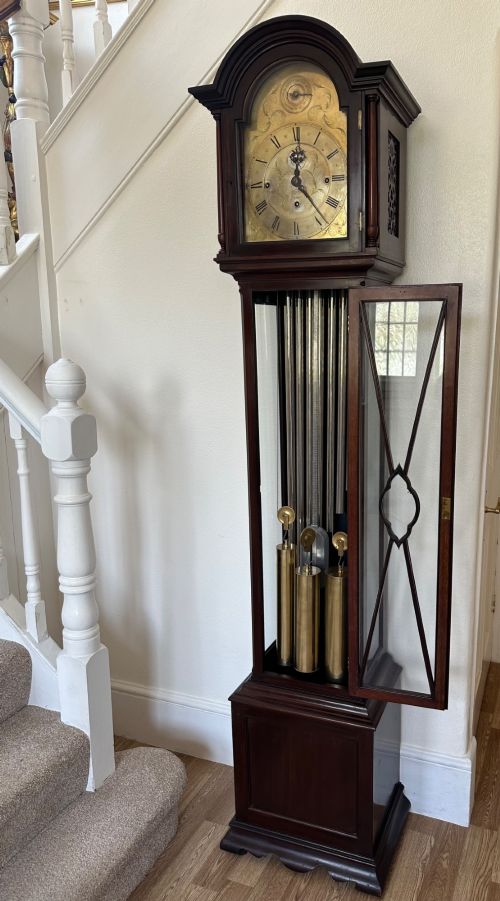
Smaller variants, specifically grandmother clocks, appear alongside taller full-sized pieces to accommodate lower ceilings or tighter floor spaces. Regional variations emerge clearly in the evidence, with Scottish, London and provincial makers each contributing distinct proportions and dial layouts to the selection.
Materials and construction methods
Cabinet makers utilised dense hardwoods such as mahogany, oak and walnut, often selecting figured veneers to create patterned grain across the tall door and hood. Timber frames were joined with traditional cabinetry techniques to support the considerable weight of the heavy movements and lead weights.
Clockmakers fitted brass dials, sometimes incorporating silvered chapters and moon roller mechanisms, driven by intricate trains of brass wheels, iron arbors and steel springs. Glass panels protected the dial face within the hood, while enamel frequently appeared on later nineteenth and twentieth-century dial iterations.
Vintage Wood Grandfather Clock Retail Price Guide 2026
Typical asking prices for vintage wood grandfather clock among the pieces listed under this phrase on Sellingantiques today, from the lower quarter to the upper quarter. They describe what is for sale here now, not the wider market.
The listings span multiple centuries, incorporating periods from Georgian and Victorian eras through to Edwardian and Art Deco decades.
Judging the quality of a longcase clock
Quality rests significantly on the depth of the cabinet work, where the selection of flame mahogany or figured walnut separates standard utility pieces from superior commissions. The crispness of dial engraving and the complexity of the internal movement, such as musical chimes or tubular bell systems, further elevate a piece.
Proportion and architectural harmony between the hood, trunk and base dictate the visual success of the clock. Originality of components and the integration of dial signatures from known provincial or metropolitan makers mark the distinction at the upper end of the scale.
Gordon of Aberdeen·Gillett and Johnston of Croydon·Rickards Wotton Under Edge·George Hallifax of Doncaster·Edward Shepley of Manchester·Charles Dowsett of Canterbury·John Denbigh Merton Park·Richard Alexander Devizes·James Coster of Henley·Lister and Sons
The Vintage Wood Grandfather Clock Glossary
- Longcase clock
- A tall pendulum clock enclosed in a wooden case, commonly known as a grandfather clock. These towers protect the delicate weight-driven mechanism while serving as substantial items of furniture.
- Grandmother clock
- A smaller, more slender version of the traditional longcase clock. They emerged in later periods to suit more intimate domestic interiors.
- Moonphase
- A dial mechanism that tracks the phases of the lunar cycle through a rotating painted disc. It adds significant visual animation to the face of the clock.
- Three train
- A clock movement featuring three separate gear trains to drive the timekeeping, the hour strike and the musical chimes or quarters. This complex setup requires advanced horological engineering.
- Paterae
- Small circular decorative reliefs carved or applied onto furniture surfaces. They appear frequently on neoclassical cabinetry.
Vintage Wood Grandfather Clock: Frequently Asked Questions
How do I wind an eight day grandfather clock?
An eight day clock requires winding approximately once a week by inserting a key into the winding holes on the dial face to draw the weights back up.
Care must be taken not to overwind the mechanism, stopping as soon as resistance is felt to protect the internal cords and springs.
What is the difference between a grandfather and grandmother clock?
A grandfather clock is the standard full-sized tall case clock, usually standing well over six feet high with substantial proportions.
A grandmother clock is a scaled-down, shorter variant produced predominantly in the twentieth century for smaller rooms.
How can I tell a Georgian longcase clock from a later one?
Georgian examples often feature solid oak or mahogany construction with simpler architectural lines, square dials or arched brass faces, and substantial hand-built movements.
Later Victorian and Edwardian pieces frequently incorporate figured veneers, alternative dial materials like enamel, and sometimes more complex musical or chiming trains.
Where should I place a longcase clock in my home?
A longcase clock requires a stable, vibration-free interior wall or corner away from direct sunlight, drafts and major heat sources to protect the wood and keep the pendulum swinging truly.
Sufficient vertical clearance is essential, as these tall wooden cases cannot accommodate low ceilings without modification.