


Vintage Wood Framing
Vintage wood framing encompasses timber surrounds, architectural mirrors, and painted beds shaped across several centuries.
Vintage Wood Framing
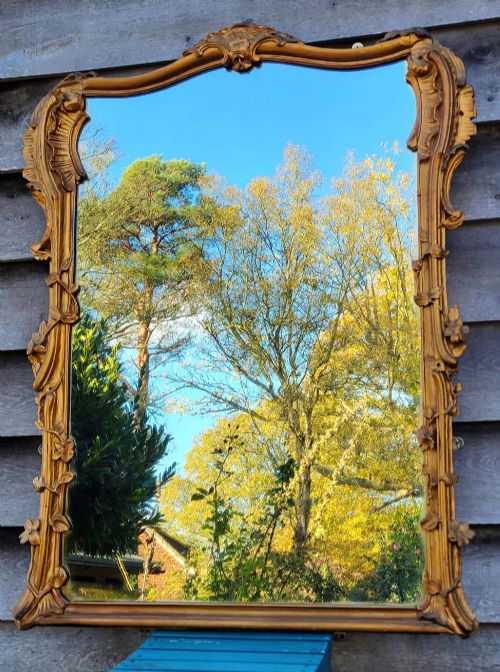
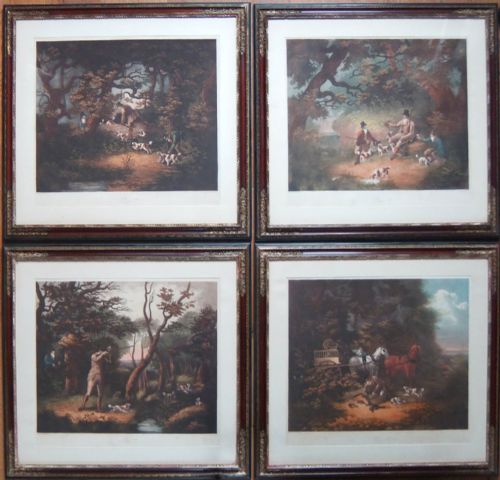
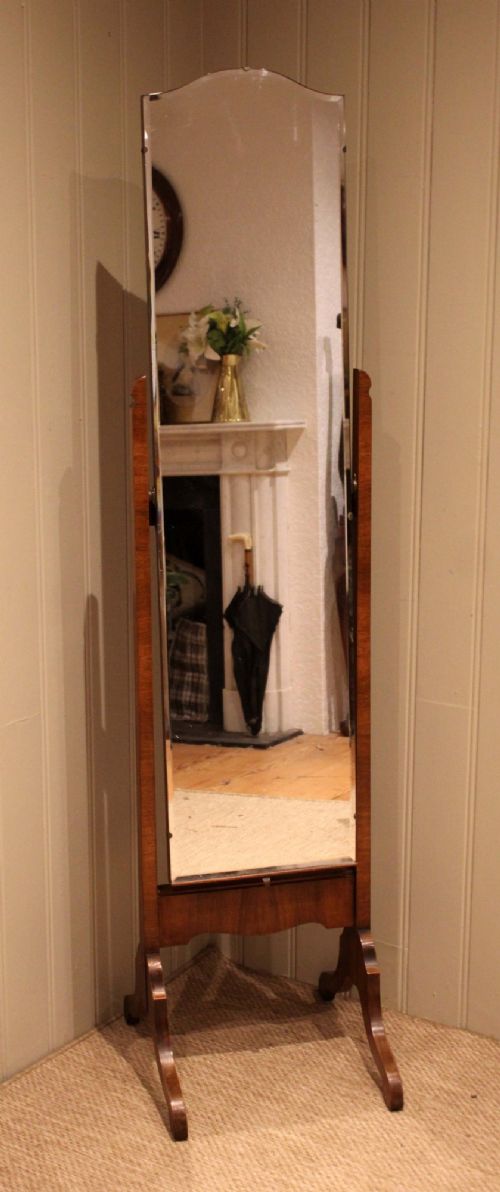
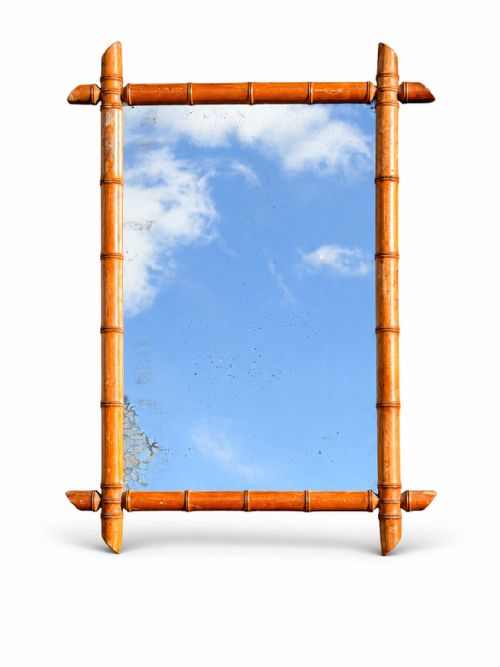
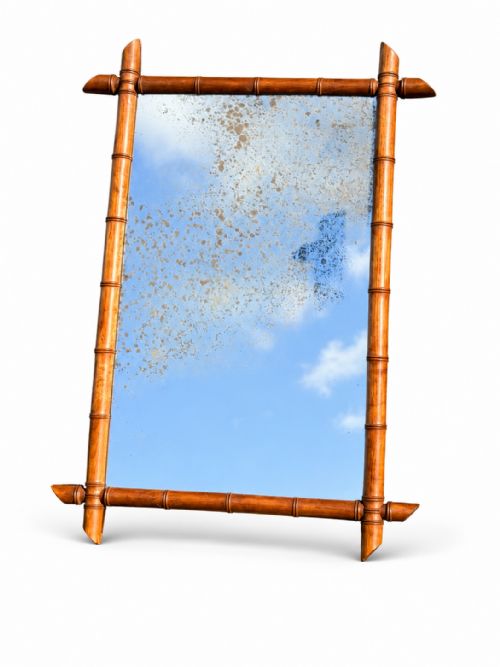
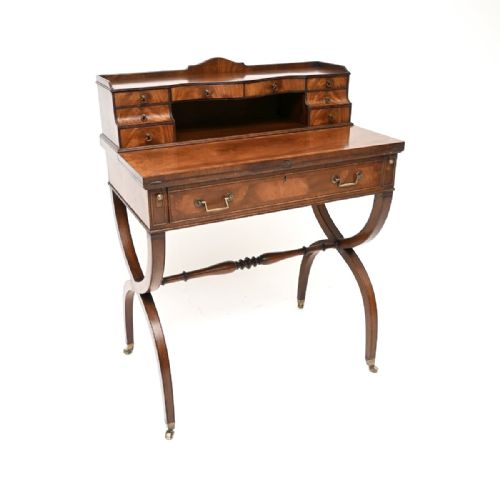
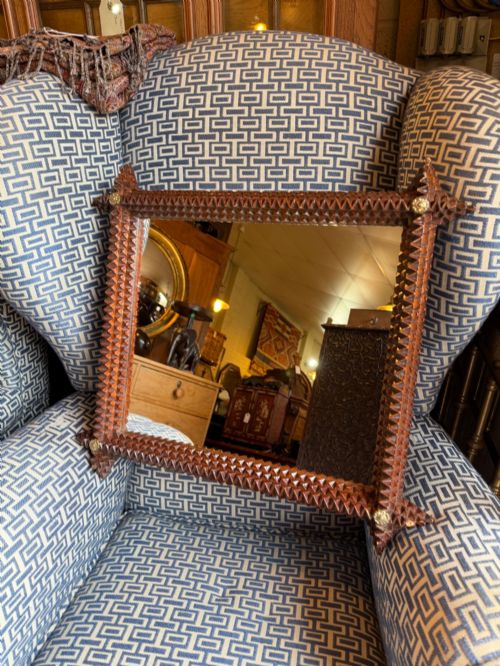
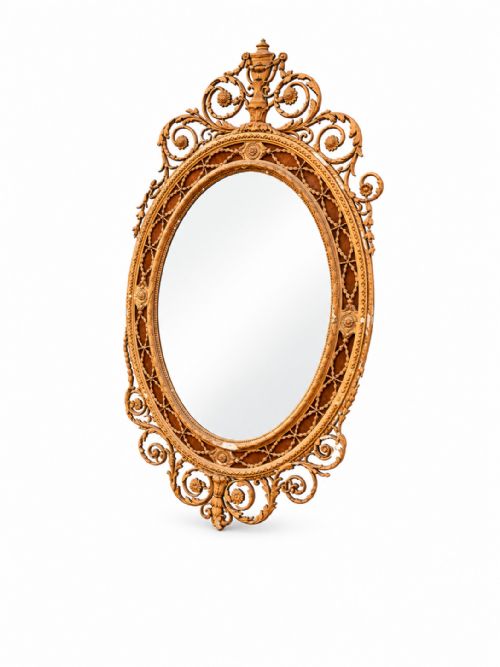
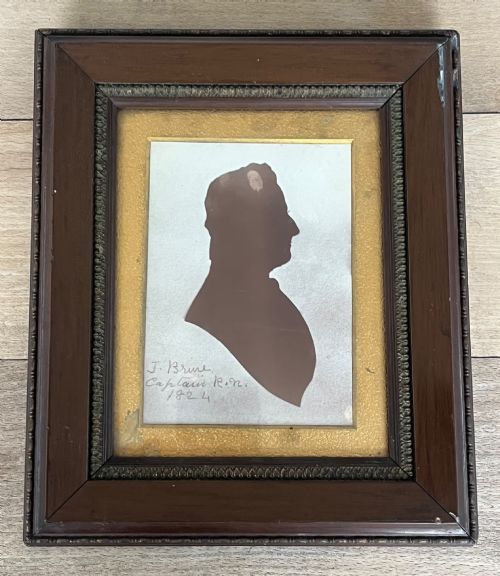
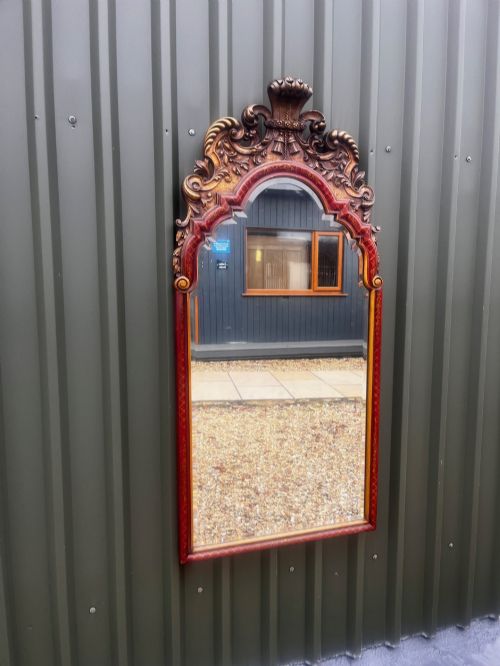
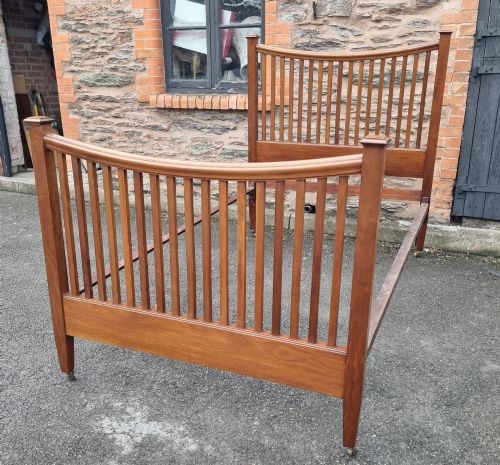
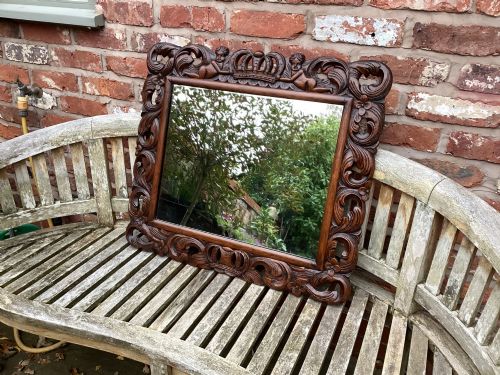
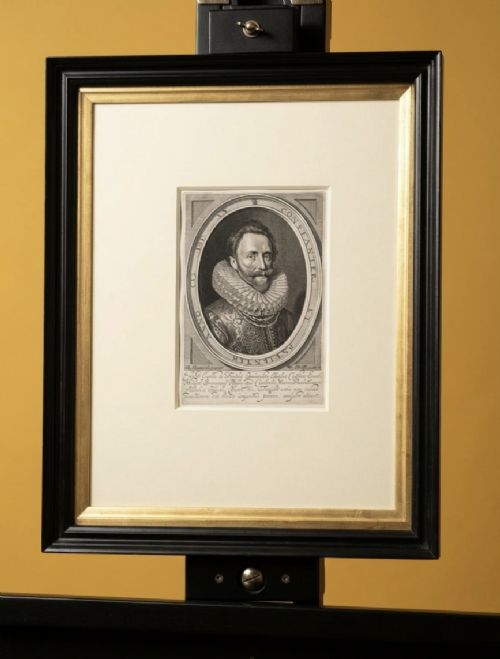
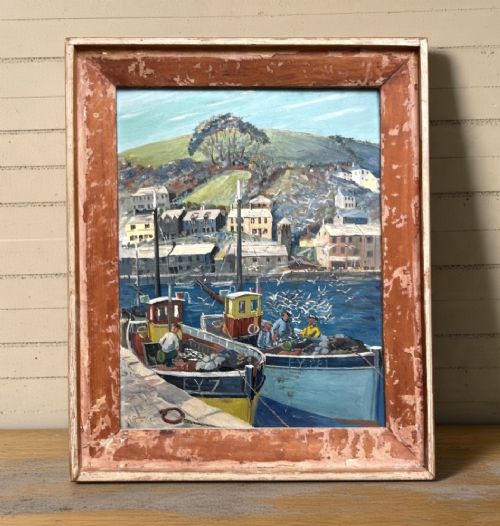
Vintage wood framing covers a diverse selection of wooden surrounds, mirrors, and structural pieces originating from the eighteenth, nineteenth, and early twentieth centuries. When searching for vintage wood framing, buyers encounter everything from Georgian fretwork wall mirrors to Edwardian mahogany bedsteads and carved Victorian overmantels.
The objects span multiple styles, including French Rococo, Anglo-Indian, and Mid-Century Modern designs constructed from timbers such as mahogany, walnut, oak, and satinwood. Many items combine exposed natural grain with carved or gilded elements, reflecting the distinct decorative tastes of their respective periods.
How they were made
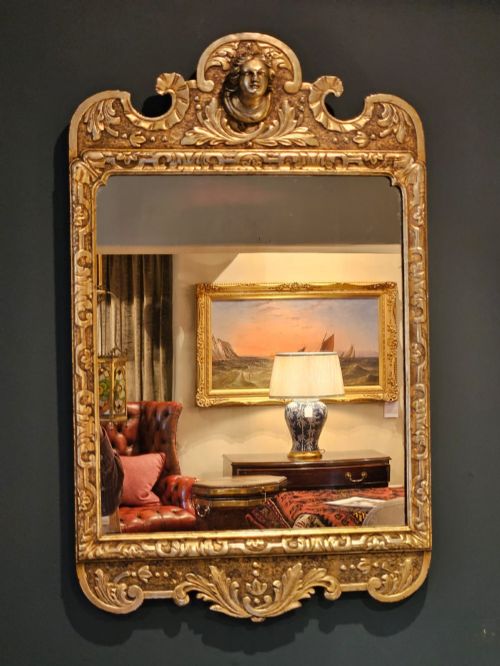
Craftsmen utilised traditional joinery methods, combining solid woods like mahogany, oak, and walnut with applied gesso and carved details. Giltwood and gold leaf finishes were frequently layered over timber bases to create ornate gilded frames and mirrors.
Makers integrated brass inlays, glass plates, and fabric accents into wooden structures, particularly in Anglo-Indian and Edwardian pieces. Surface decoration ranged from simple polished grain to complex fluted hollow mouldings and hand-carved crests.
Vintage Wood Framing Retail Price Guide 2026
Typical asking prices for vintage wood framing among the pieces listed under this phrase on Sellingantiques today, from the lower quarter to the upper quarter. They describe what is for sale here now, not the wider market.
Materials recorded across the inventory include mahogany, walnut, oak, satinwood, glass, gesso, giltwood, and brass.
What varies in quality
Quality depends on the depth and crispness of the carving, particularly where gesso meets the wooden substrate in gilt mirrors and frames. Pieces exhibiting sharp hand-carved details and well-preserved original gilding stand apart from simpler or later reproductions.
The choice and stability of timber dictate the integrity of beds, mirrors, and wall art. Dense hardwoods like mahogany and walnut maintain their structural form better over centuries than softer woods, while retaining the depth of finish expected from period items.
The Vintage Wood Framing Glossary
- Giltwood
- Wood that has been coated with gold leaf or gold paint. This technique was extensively utilised on ornate mirrors and decorative frames.
- Gesso
- A plaster-like mixture applied to wood surfaces as a base for painting or gilding. It allows craftsmen to model intricate low-relief ornamentation.
- Fretwork
- Ornamental design created by cutting patterns through wood using a scroll saw or piercing tools. Georgian wall mirrors frequently employ this technique.
- Birds Eye Maple
- Figured timber characterised by tiny swirling patterns resembling small birds' eyes. It appears on nineteenth-century mirror frames.
- Overmantel
- A large mirror or painting designed to be hung specifically above a fireplace mantel. These pieces dominate nineteenth-century interior layouts.
Vintage Wood Framing: Frequently Asked Questions
How do I date a wooden frame?
Dating relies upon examining the timber species, joinery techniques, and applied surface finishes such as gesso or gold leaf. Earlier pieces often display hand-cut joinery and specific regional stylistic traits.
Changes in moulding profiles and decorative motifs from the Georgian era through to Edwardian and later periods help narrow down the decade of manufacture.
Are these frames suitable for modern art?
Period frames accommodate contemporary artworks effectively, provided the internal dimensions match the canvas or print. Deep profiles and gilded surfaces create a striking contrast with modern imagery.
Ensuring the structural rebate of the frame supports the depth of the new artwork is the main consideration for framing modern pieces.
How should I clean antique wood framing?
Maintenance requires dry dusting with a soft, lint-free cloth to remove surface particles without disturbing fragile gesso or gilding. Moisture should be strictly avoided on gilt surfaces.
Heavily carved areas benefit from gentle attention with a soft-bristled brush to clear dust from intricate recesses without applying pressure.