
Vintage Wood Framed Mirror
A vintage wood framed mirror brings character to a room through centuries of craftsmanship, ranging from simple oak frames to elaborate gilded overmantels.
Vintage Wood Framed Mirror
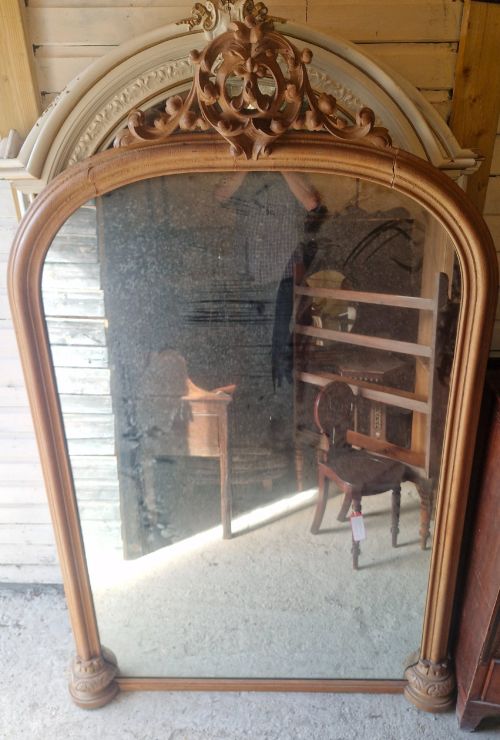
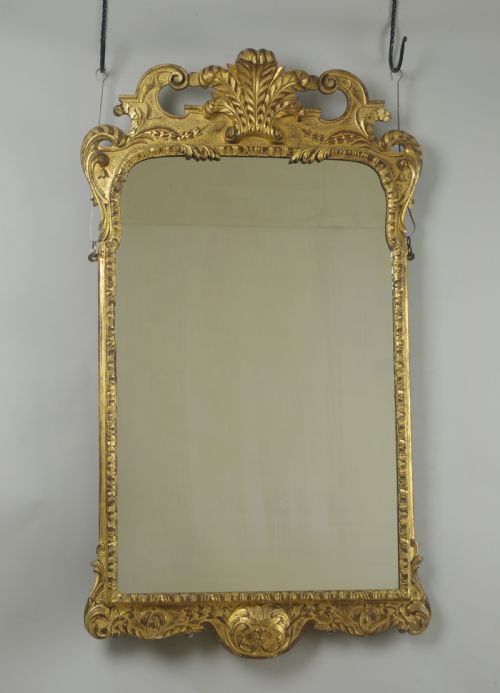
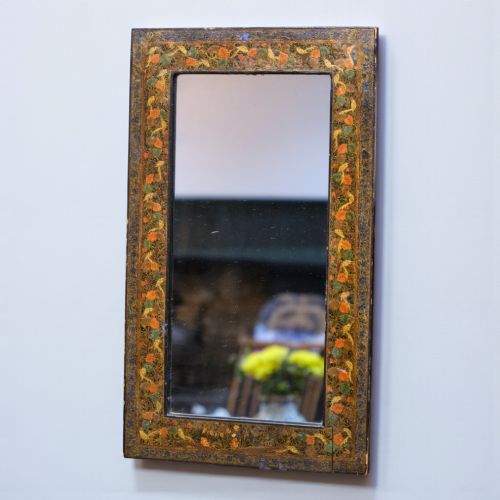
A vintage wood framed mirror encompasses wall mirrors, overmantels, dressing table mirrors, and girandoles drawn from the eighteenth, nineteenth, and early twentieth centuries. Buyers searching this phrase encounter English, French, Italian, and Anglo-Indian pieces shaped by Georgian, Victorian, Edwardian, and Regency aesthetic traditions.
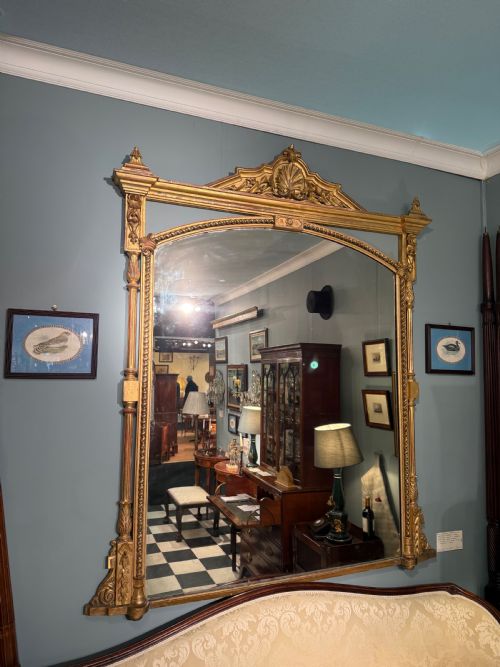
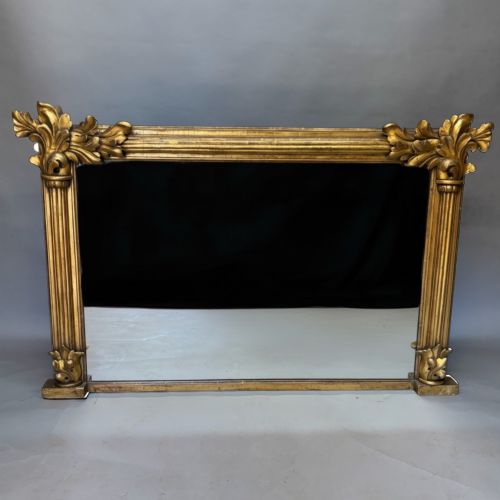
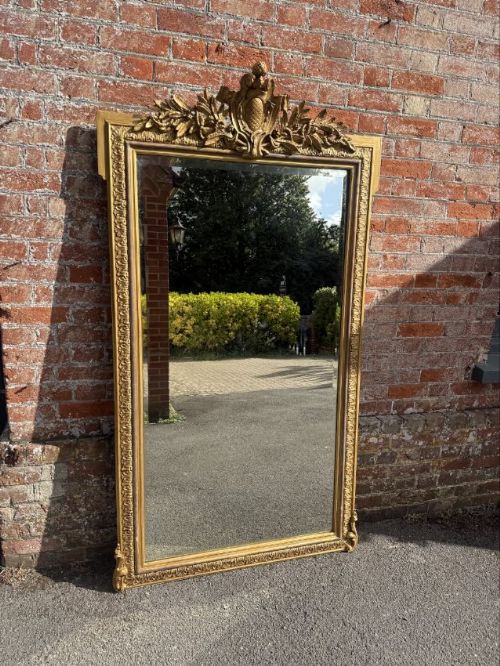
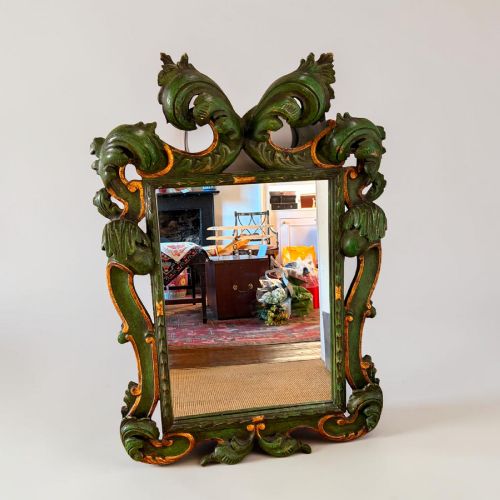
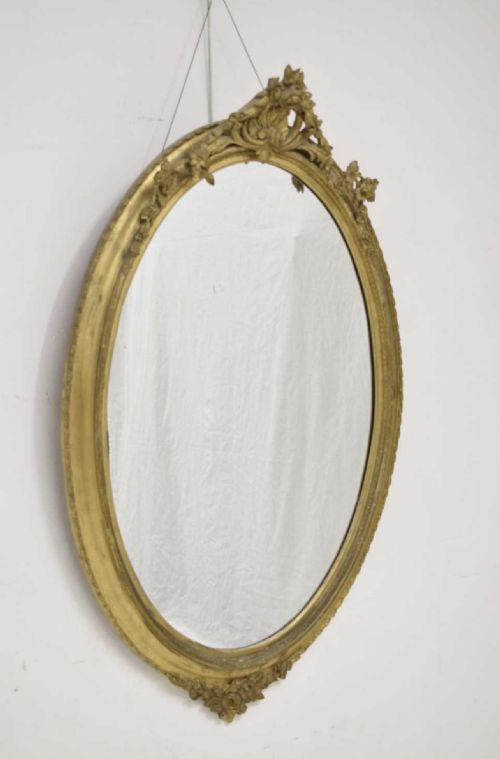
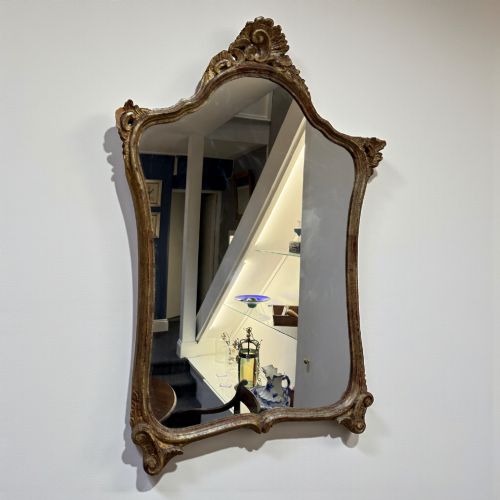
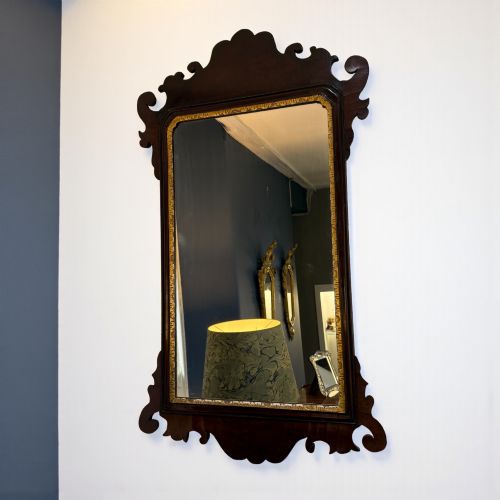
The most common forms on this page include large nineteenth-century giltwood overmantels, carved walnut and mahogany wall pieces, and smaller dressing table mirrors. These objects range from restrained country house mahogany frames to ornate French rococo revival designs.
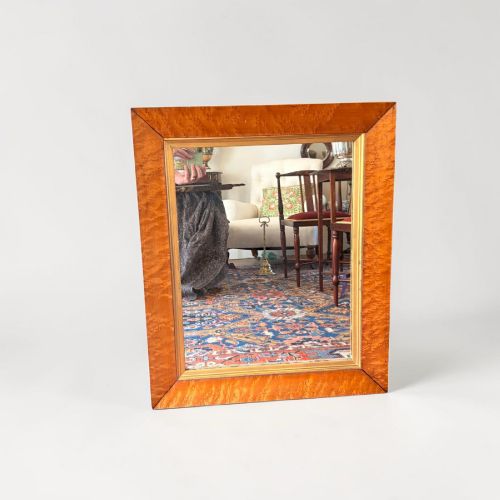
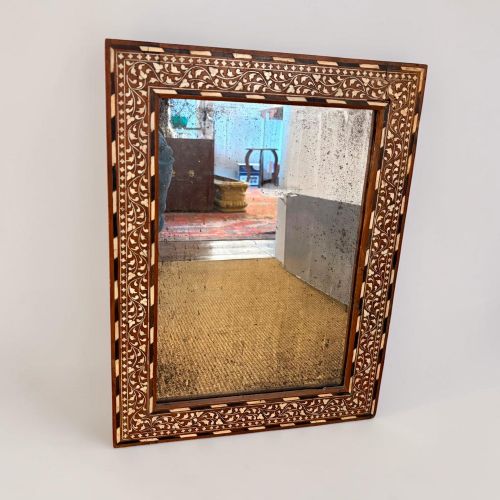
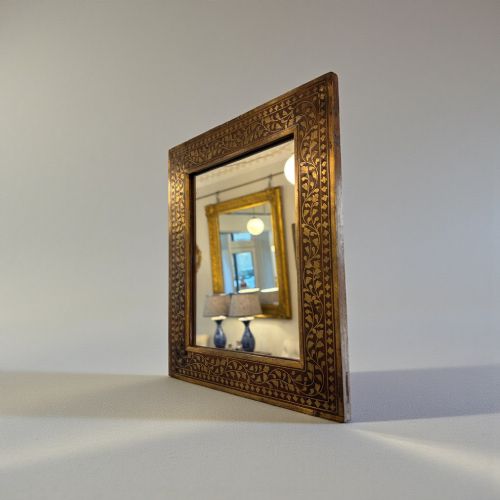
Regional variations span from provincial oak and satinwood to exotic Kashmiri brass inlaid pieces and Italian Florentine giltwood carvings. Each period brings distinct proportions and timber choices to the domestic interior.
Materials and construction
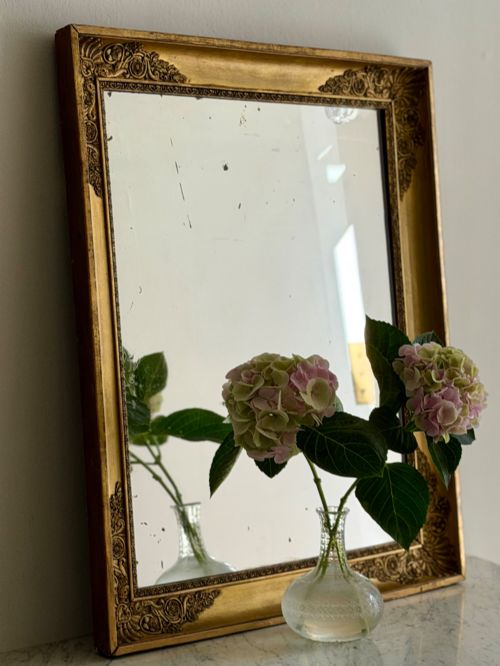
Makers utilised solid timbers such as oak, mahogany, walnut, maple, and satinwood to construct the structural frames, often employing traditional joinery techniques like mortise and tenon. Giltwood and gesso pieces combine carved wooden carcases with layers of plaster and gold leaf.
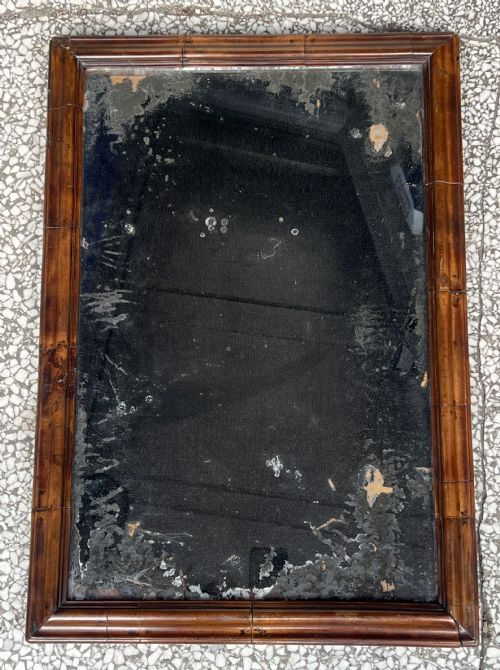
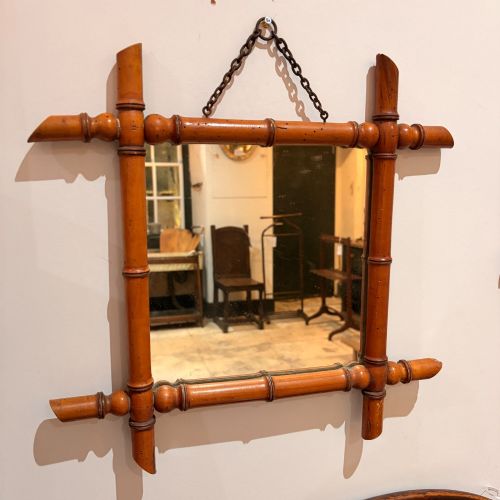
Surface ornamentation relies on hand-carved details, parcel-gilding, faux bamboo shaping, and brass inlay. Many examples retain their original glass plates, which display the slight imperfections and silvering variations characteristic of older manufacture.
Listings feature four centuries of design, spanning 18th Century Georgian mahogany, 19th Century Victorian giltwood, and early 20th Century Edwardian satinwood.
Markers of distinction
Quality rests in the crispness of the hand-carved woodwork and the depth of the gilding on the gesso. Superior examples maintain integrity in their original framing joints and retain authentic glass plates rather than modern replacements.
Design complexity also separates standard pieces from exceptional ones, seen in balanced fretwork, refined proportions on mahogany shield mirrors, and intricate crests featuring carved cherubs or ribbons.
Waring and Gillow
The Vintage Wood Framed Mirror Glossary
- Giltwood
- Wood that has been coated with gold leaf or gold paint. This technique was widely utilised on decorative frames from the eighteenth century onward.
- Gesso
- A plaster mixture applied to wood frames as a base for gilding. It allows for intricate moulded and carved relief ornamentation.
- Overmantel mirror
- A large mirror designed to hang specifically above a fireplace mantel. These pieces often dominate a room and reflect light across the interior.
- Fretwork
- Ornamental woodwork executed in patterns with a fretsaw. It appears frequently on Georgian style mahogany wall mirrors.
- Girandole
- A branched wall mirror holding candles or lights. The reflective glass magnifies the illumination from the tapers.
Vintage Wood Framed Mirror: Frequently Asked Questions
How do I hang a heavy overmantel mirror safely?
Large overmantel mirrors require secure wall fixings anchored directly into masonry or heavy timber studs to support the substantial weight of the timber and glass.
Professional mirror hangers often utilise specialised brackets or split battens to distribute the load evenly across the wall.
Are the mirror plates original?
Many older pieces retain their original glass plates, which can be identified by minor foxing, tiny dark spots, and slight distortions in the reflection.
Replacement glass is sometimes fitted during restoration, so checking the backboards and fixings helps determine the age of the plate.
How do I clean a gilded wood frame?
Gilded surfaces require gentle dusting with a soft, dry brush to prevent damage to the delicate gold leaf and gesso layers.
Water and chemical cleaning agents should be avoided entirely, as moisture strips the historic finish from the wood.