





Vintage Wood Fish
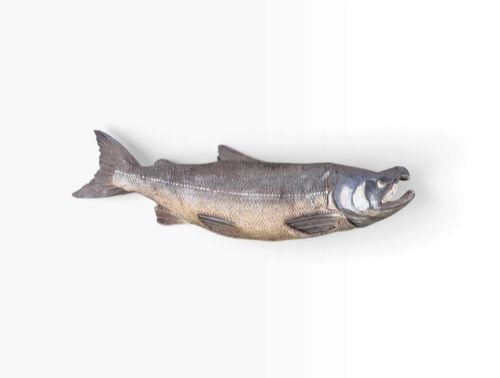
These vintage wood fish pieces bring character to a room through traditional hand carving and maritime subject matter.
Vintage Wood Fish
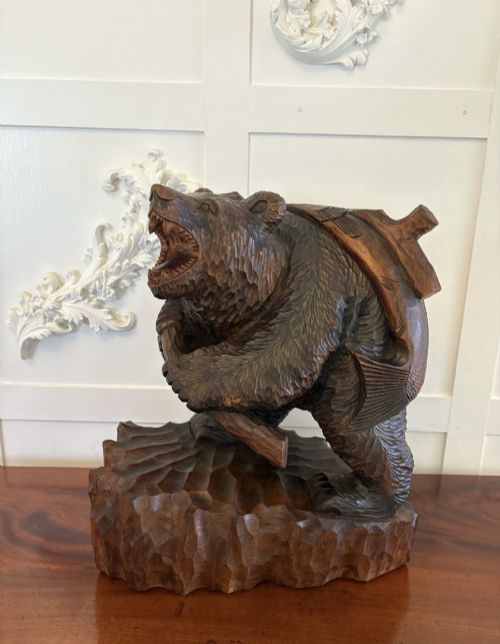
Vintage wood fish encompass carved figures, shop signs, bookends, and functional items shaped from timber. Collectors look for these pieces to add texture and maritime interest to interior spaces.
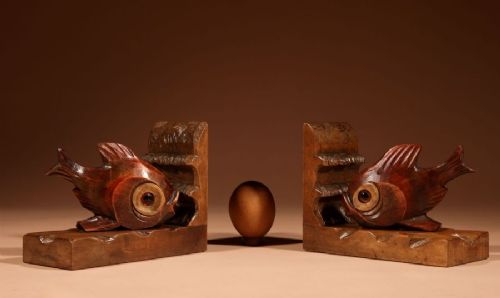
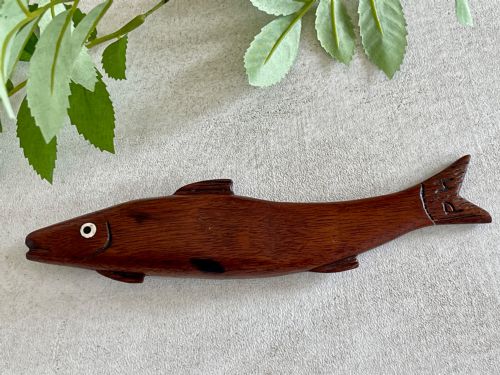
The selections on this page draw from nineteenth-century folk art traditions, Edwardian decorative objects, and mid-century interpretations. Visitors encounter carved salmon, goldfish pairs, and trout forms among the offerings.
Makers shaped these items from pine, linden wood, cedar, and hardwood using traditional woodworking tools. Many pieces reflect regional folk traditions from Britain, Japan, and European workshops.
How they were made
Carvers shaped these forms using solid timber such as pine, cedar, and linden wood, relying on hand chisels and gouges to define scales, fins, and body contours. Some objects incorporate applied oil paint or subtle surface staining to emulate natural colouration.
Joinery and shaping methods vary according to the specific object type, ranging from wall-mounted shop signs to freestanding bookends and intricate okimono sculptures. Artisans occasionally combined carved wooden elements with brass or glass components.
Vintage Wood Fish Retail Price Guide 2026
Typical asking prices for vintage wood fish among the pieces listed under this phrase on Sellingantiques today, from the lower quarter to the upper quarter. They describe what is for sale here now, not the wider market.
Current listings feature wood as the primary material alongside brass, glass, and oil paint across nineteenth-century and mid-century periods.
What varies in quality
The definition of the carving determines visual success, separating pieces with sharp, anatomically observant detailing from simpler decorative items. Surface preservation also plays a part, as original painted finishes and untouched patinas carry more integrity than later restorations.
Proportion and stance contribute to the overall appeal, particularly in sculptural forms where balance and movement dictate the piece's presence. Material selection matters, with denser hardwoods and well-seasoned timbers maintaining their structural stability over time.
Shuho Nakahara·Florence Adelina Hess·James Jones·John Bell·Hendrik Yan Wolter
The Vintage Wood Fish Glossary
- Treen
- Small handmade wooden domestic objects produced before the widespread use of plastic. These items often display utilitarian origins and patinated surfaces.
- Okimono
- A Japanese decorative carved object designed for display on a shelf or cabinet. These figures showcase meticulous attention to natural forms.
- Folk art
- Utilitarian or decorative items created by self-taught or traditional artisans. Such pieces prioritise direct expression over academic convention.
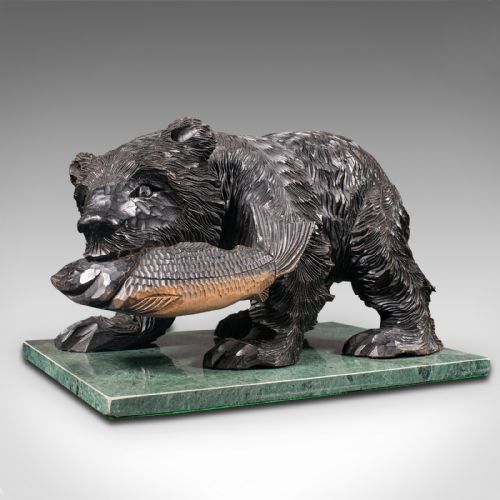
- Black Forest
- Carved wooden animal and decorative items originating from Central Europe during the nineteenth and early twentieth centuries. The style is known for naturalistic depiction.
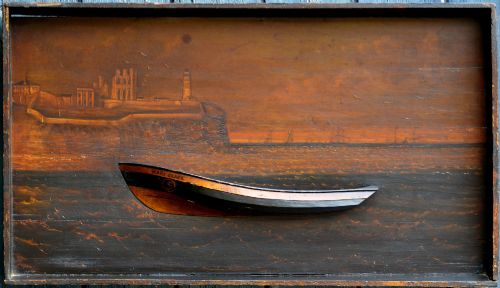
- Half model
- A three-dimensional representation of a watercraft hull built for design purposes or wall display. These objects combine naval architecture with woodworking skill.
Vintage Wood Fish: Frequently Asked Questions
What materials make up these fish?
Carpenters and carvers utilised various timbers including pine, linden wood, cedar, and cherry wood to shape these items. Some pieces also feature oil paint, brass, or glass elements.
Makers selected specific woods based on availability and the intended function of the object, whether for a shop sign or a small desk accessory.
How do I date a carved fish?
Dating relies on tool marks, timber type, surface wear, and stylistic context associated with periods like the nineteenth century or the Edwardian era. Comparing construction methods with documented pieces helps narrow down the decade.
Original paint finishes and patination accumulated through handling provide further clues regarding the age of the woodwork.
Where were these pieces displayed?
Historical uses ranged from trade signage outside commercial premises to decorative bookends on library shelves and ornamental figures within domestic interiors. Maritime communities and angling enthusiasts utilised many of these items in everyday life.
Today, collectors place them on walls, mantelpieces, and tabletops as focal points in coastal or traditional interiors.
Are all the items hand-carved?
The listings feature hand-carved wooden sculptures, shop signs, and functional items shaped individually by artisans using traditional hand tools. Each piece reflects the specific hand of the maker through tool marks and subtle variations in form.
Some objects incorporate marquetry or painted panels rather than fully three-dimensional carving.