

Vintage Wood Columns
Vintage wood columns bring architectural presence into a room, offering sturdy vertical supports or repurposed display stands rooted in past centuries.
Vintage Wood Columns
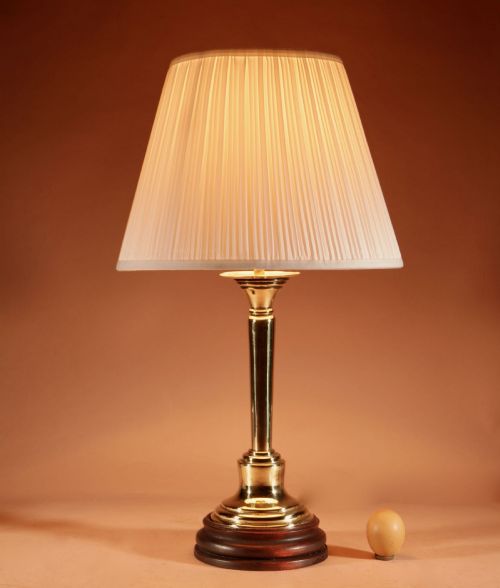
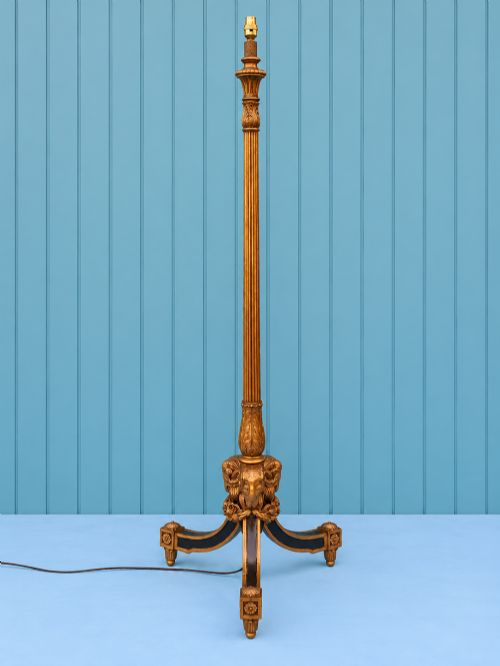
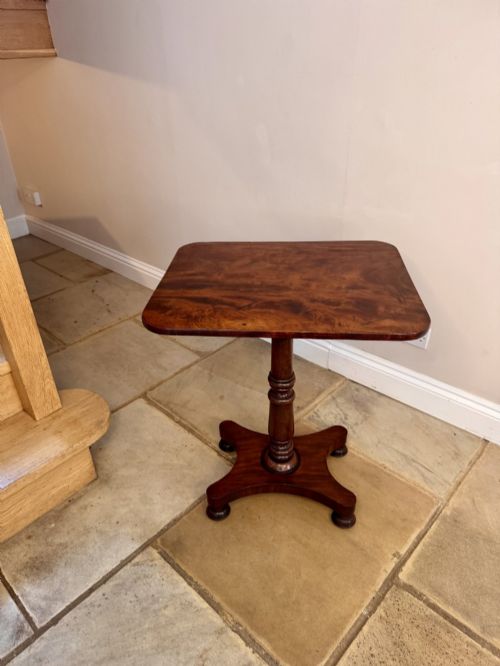
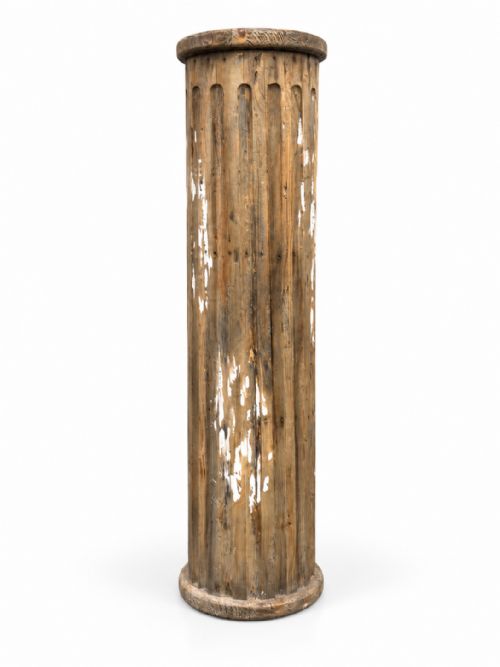
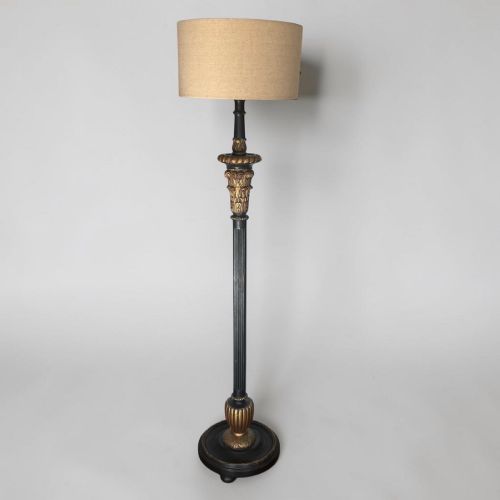
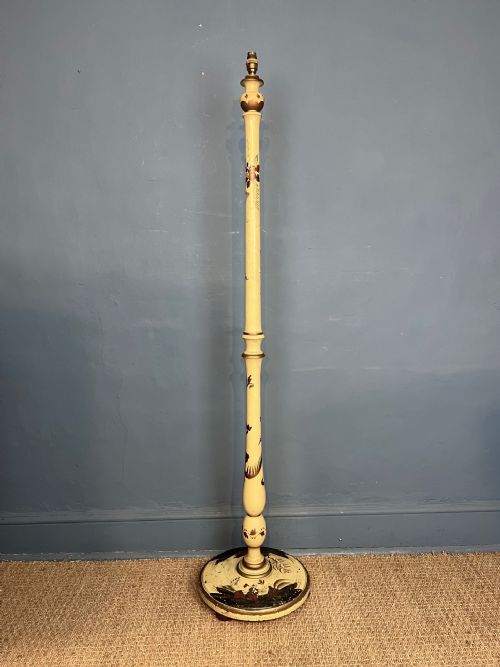
When you search for vintage wood columns, you encounter architectural salvage, turned plant stands, torcheres, and repurposed lamp bases drawn from periods spanning the seventeenth through the early twentieth centuries. These pieces translate structural building elements or traditional furniture uprights into decorative interior focal points.
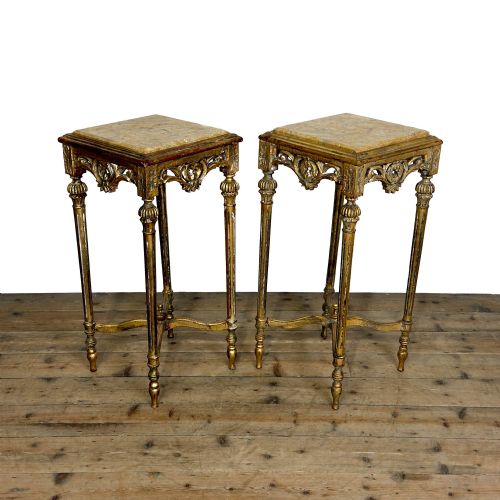
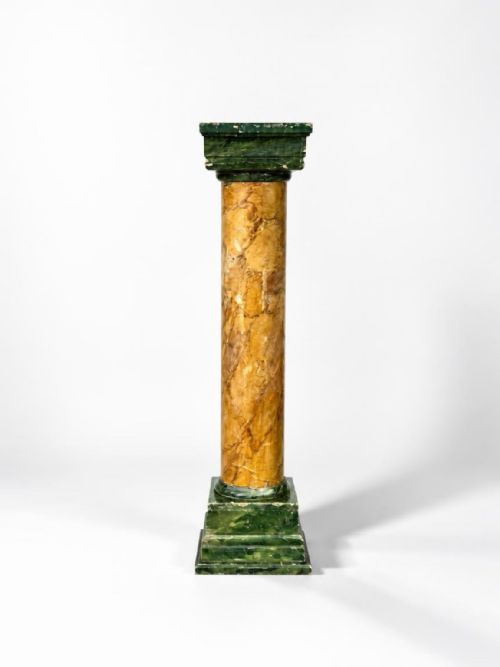
The selections recorded here lean heavily toward nineteenth-century production, alongside Edwardian and 1920s examples, reflecting how older timber elements were continually adapted for domestic display. You find standalone display plinths, carved newel posts, and floor-standing torcheres sharing similar turned or column-like profiles.
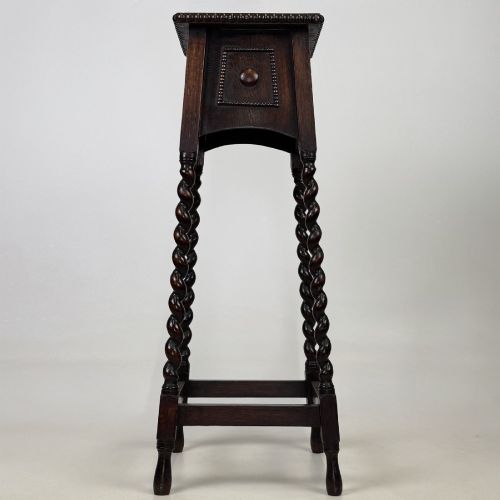
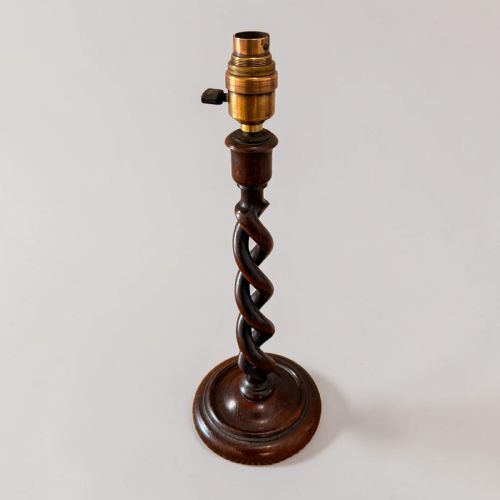
Makers and craftsmen utilised dense native and exotic timbers to construct these supports, shaping them into classical orders, barley twists, or simpler cylindrical forms suited to domestic interiors. Each item retains the patina of its original architectural or furniture context, whether salvaged from a larger structure or made as a dedicated stand.
Materials and construction
The material evidence demonstrates a clear preference for robust hardwoods, predominantly mahogany, oak, and walnut, chosen for their structural integrity and capacity to hold fine carved detail. Artisans also employed specialised timbers like rosewood and exotic hardwoods for specific display stands and étagères.
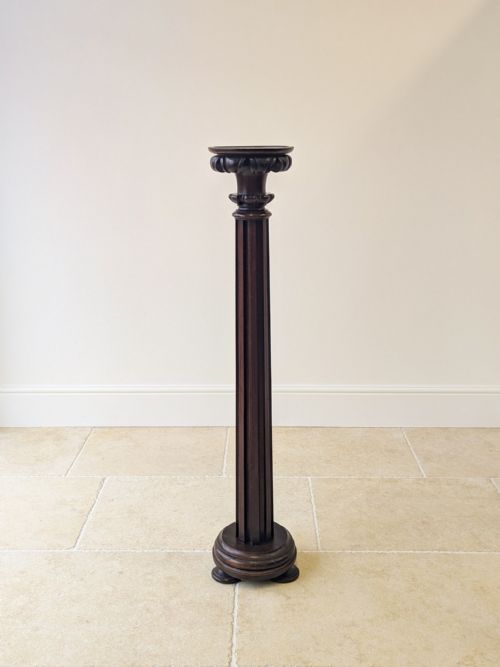
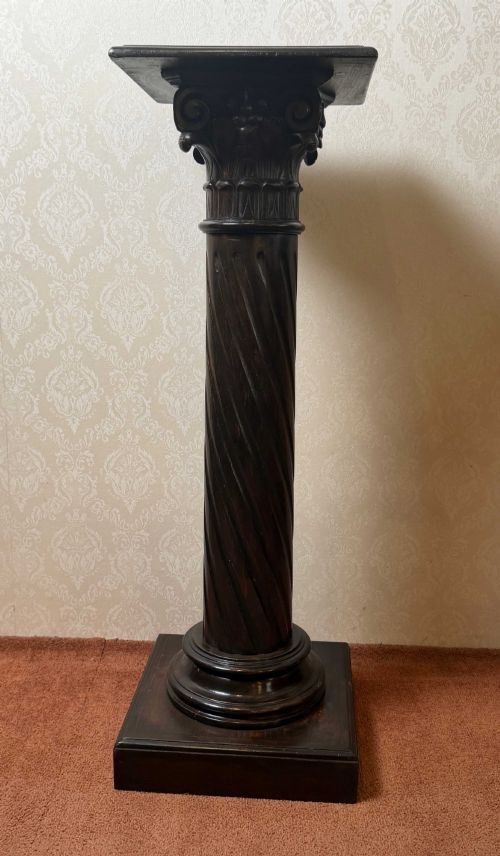
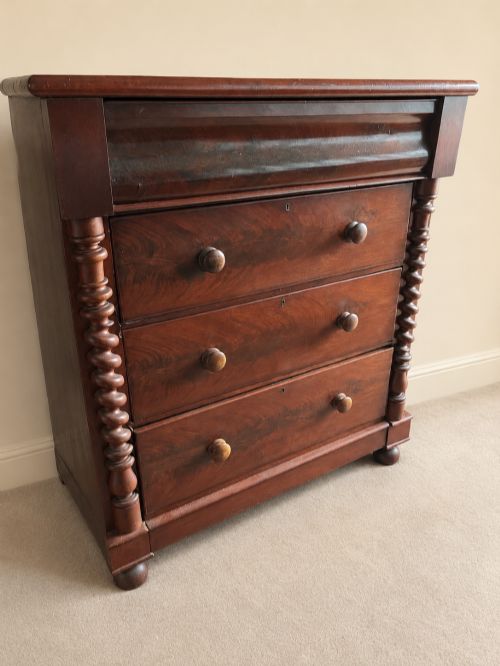
Turning on a lathe and hand carving represent the primary techniques used to shape these wooden supports, creating fluted shafts, spiral twists, and classical Corinthian capitals. Surviving surfaces display original treatments ranging from polished mahogany and rich oak to decorative green paint and layered lacquers.
Vintage Wood Columns Retail Price Guide 2026
Typical asking prices for vintage wood columns among the pieces listed under this phrase on Sellingantiques today, from the lower quarter to the upper quarter. They describe what is for sale here now, not the wider market.
Listings span from the seventeenth-century Baroque era through Georgian, Victorian, and Edwardian revivals up to the 1920s.
Judging quality in turned and carved timber
Quality in these vertical timber supports rests on the crispness of the hand carving, the selection of the wood grain, and the overall architectural proportion. Superior examples exhibit deeply undercut foliage, sharp fluting, and harmonious proportions derived from classical design principles rather than hasty mass production.
The integrity of the timber and the honesty of the conversion matter immensely, distinguishing items carved from solid hardwoods from those relying on heavy applied composition. Better pieces retain their original mounting surfaces, stable bases, and authentic surface patination accumulated over generations of use.
The Vintage Wood Columns Glossary
- Torchiere
- A tall stand designed to support a light fixture or decorative object. These slender wooden pillars elevate lamps or ornaments to eye level.
- Plinth
- A heavy rectangular or square base supporting a column, statue, or vase. They provide visual weight and stability to vertical display items.
- Newel post
- The principal vertical post at the junction or end of a staircase flight. Salvaged examples often find new life as standalone sculptural columns.
- Barley twist
- A spiral turning resembling a twisted rope. This popular decorative woodworking technique appears frequently on nineteenth-century supports and table legs.
Vintage Wood Columns: Frequently Asked Questions
How were antique columns originally used?
These items served various structural and decorative functions in historic interiors, ranging from building supports to furniture components.
Over time, many architectural elements were salvaged and repurposed as lamp bases, display pedestals, or sculptural room accents.
What woods are most common?
Mahogany, oak, and walnut dominate the surviving record, valued for their durability and rich grain patterns.
Craftsmen also utilised rosewood and various painted or lacquered surfaces depending on the prevailing style of the period.
How do I style a column at home?
Columns work effectively as standalone sculptural objects in corners, or as functional pedestals for plants, urns, and table lamps.
Their vertical lines draw the eye upward, adding architectural interest and height variation to contemporary living spaces.
How do I date a wooden column?
Dating relies on identifying the characteristic turning patterns, carving styles, and timber species associated with specific eras like the Victorian or Edwardian periods.
Tool marks, construction methods, and the nature of the surface finish provide further clues to an item's age.