


Vintage Wood Chiffonier
A vintage wood chiffonier brings grounded utility and rich grain to a room, offering practical surface space and enclosed storage.
Vintage Wood Chiffonier
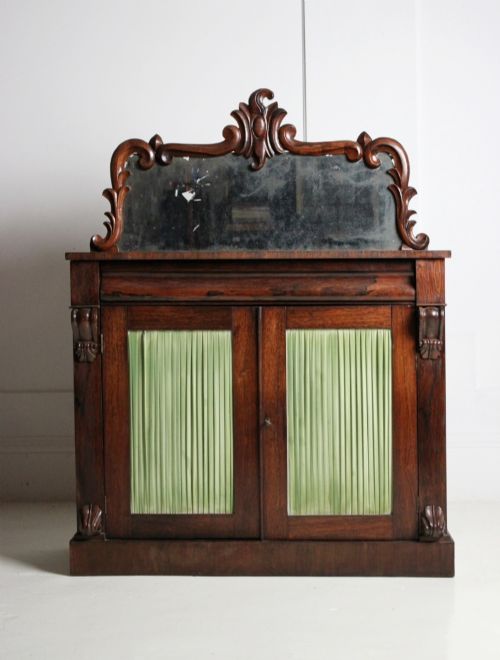
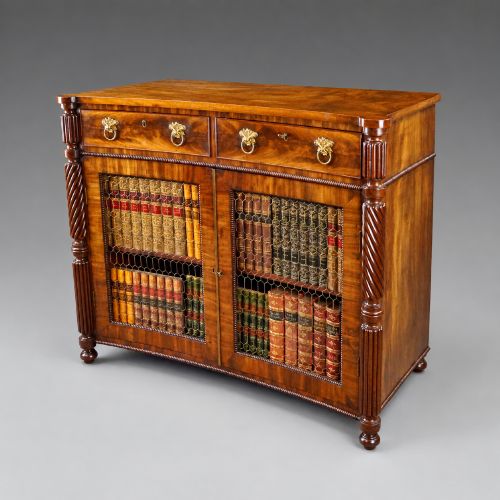
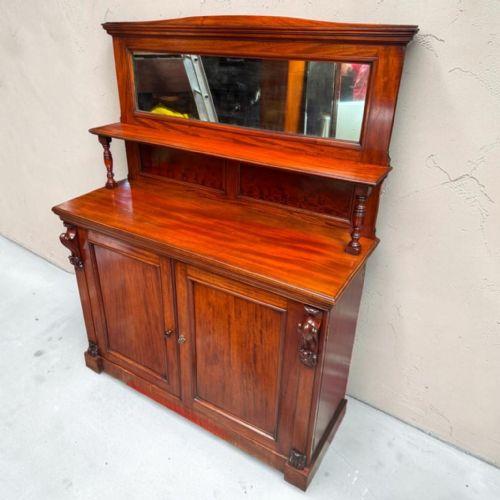
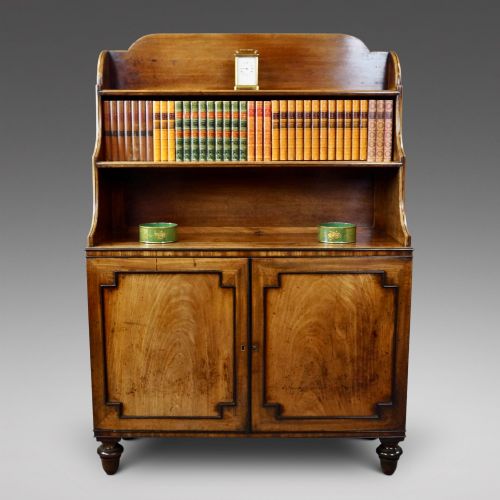
A vintage wood chiffonier is fundamentally a low sideboard or cabinet developed to hold dining china, linens, or books, frequently topped with a tier of shelves or a mirrored back. These pieces emerge predominantly from the nineteenth century, including the Regency and Victorian eras, alongside later Edwardian iterations.
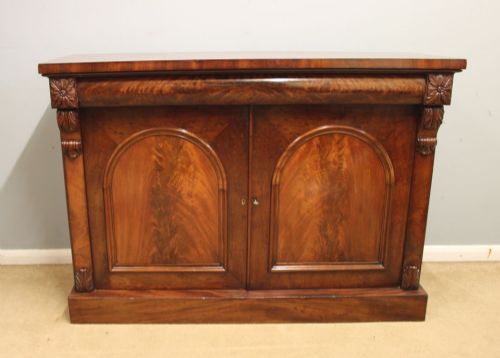
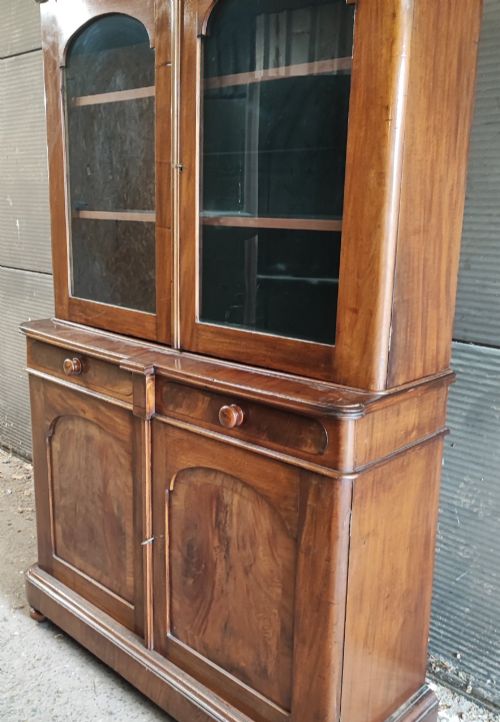
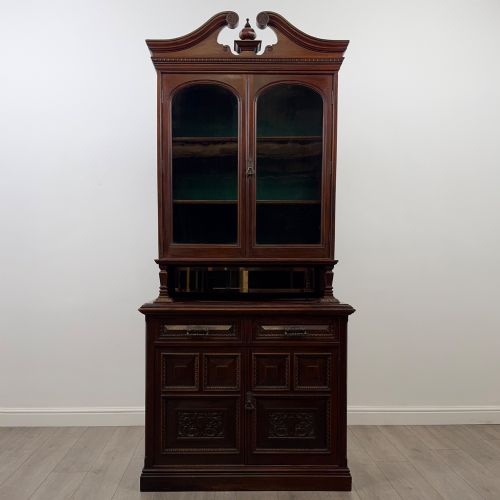
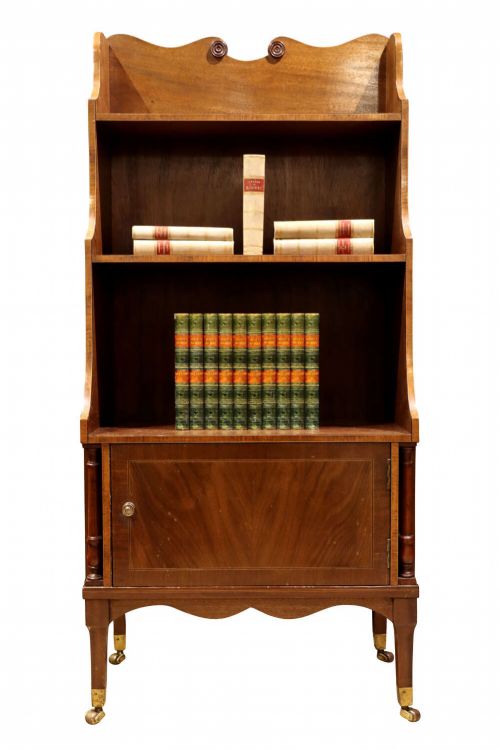
The version you are most likely to encounter on this page is constructed from mahogany or rosewood, often featuring a two-door lower cupboard beneath a drawer. Forms range from compact side cabinets and waterfall bookcases to taller sideboard servers and display units.
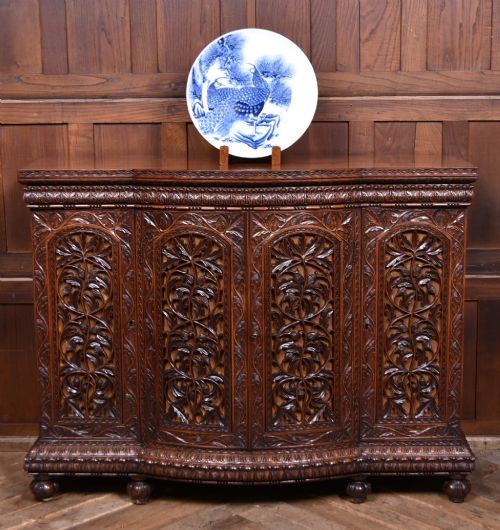
Origins stretch across British workshops, French provincial makers, and colonial outposts, yielding varied proportions from small bedside cupboards to broad breakfront servers. The shared characteristic remains a low-slung, substantial timber body designed to anchor a principal living space or dining room.
Materials and construction methods
Construction relies heavily on dense hardwoods such as mahogany, rosewood, and walnut, frequently enhanced by flame mahogany veneer or satinwood stringing to create patterned surfaces. Carpenters utilised solid timbers for structural frames and drawer linings, applying fine veneers to large flat expanses to display intricate wood grain.
Hardware details typically include brass handles, hinges, and occasionally brass castors on the feet to assist movement across heavy carpets. Glass panels appear on upper bookcase doors, while mirror plates are fitted into Victorian mirrorback frames using traditional backing techniques.
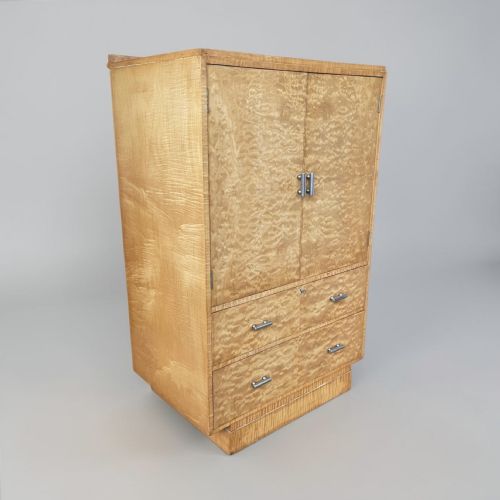
Listings feature woods spanning mahogany, rosewood, satinwood, and pine across periods from the eighteenth century to the Art Deco era.
Distinctions in craftsmanship and condition
Quality separates through the selection and matching of timber veneers, where symmetrical flame figures and continuous grain patterns indicate superior cabinet-making. Lesser examples utilise plain or hastily patched timbers with less attention given to the visual rhythm across doors and drawer fronts.
Structural integrity reveals itself in the smoothness of drawer operations, the true hanging of doors, and the solidity of internal shelving. Pieces retaining original brass castors, locks, and keys demonstrate a higher degree of preservation than those altered with replacement hardware.
The Vintage Wood Chiffonier Glossary
- Chiffonier
- A low cabinet or sideboard, typically featuring a drawer above a two-door cupboard, occasionally surmounted by shelves or a mirror. This form evolved during the Regency period to serve dining and drawing rooms.
- Flame Mahogany
- A veneer cut from the branch junction of the mahogany tree to produce a distinctive, flickering flame-like grain pattern. Cabinet makers reserved this figured wood for principal display surfaces.
- Waterfall Bookcase
- A piece of furniture featuring open stepped shelves that recede in depth from bottom to top, resembling cascading water. These units frequently incorporate a cupboard base.
- Pediment
- The decorative architectural crowning element situated at the top of a cabinet or bookcase. Swan neck pediments feature sweeping, curved scrolls terminating in central rosettes.
- Credenza
- A low sideboard or cabinet without legs, designed to stand directly on the floor. Victorian examples frequently incorporate carved walnut and glass doors.
Vintage Wood Chiffonier: Frequently Asked Questions
How do I date a wooden chiffonier?
Dating relies on observing timber choices, construction methods, and stylistic cues such as Regency brass inlay or heavy Victorian carving. Secondary woods inside drawers, such as pine or oak, also help confirm the period of manufacture.
Examining backboards and screw types provides further clues, as machine-cut screws and plywood indicate later twentieth-century interventions rather than original nineteenth-century work.
Where should I place a chiffonier at home?
These low cabinets suit dining rooms for storing tableware, or living spaces where the top surface holds lamps, books, or decorative objects. Their restricted height prevents them from overwhelming smaller wall spaces.
Pieces with upper mirror backs or shelving units work effectively against plain walls, reflecting light and drawing the eye upward without occupying excessive floor area.
Are these cabinets difficult to maintain?
Maintenance requires little beyond dusting with a dry cloth and occasionally feeding the timber with a traditional beeswax polish to nourish the grain. Direct sunlight and excessive heat sources should be avoided to prevent veneer from drying and lifting.
Keeping humidity levels stable protects both solid hardwoods and delicate applied veneers from splitting over time.
What is the difference between a chiffonier and a sideboard?
A chiffonier is typically smaller and more compact than a traditional dining room sideboard, often incorporating a raised shelf tier or mirror back. Sideboards were designed strictly for large-scale dining service.
While both offer enclosed lower storage, the chiffonier functions more flexibly as a general living room or hallway piece.