



Vintage Wood Chess
These vintage wood chess pieces and boards are built for practical play and display, bringing tangible history and tactile grain into the room.
Vintage Wood Chess
You are most likely to meet rosewood and boxwood boards from the nineteenth and early twentieth centuries. These pieces reflect periods such as the Victorian and Edwardian eras, as well as Regency designs.
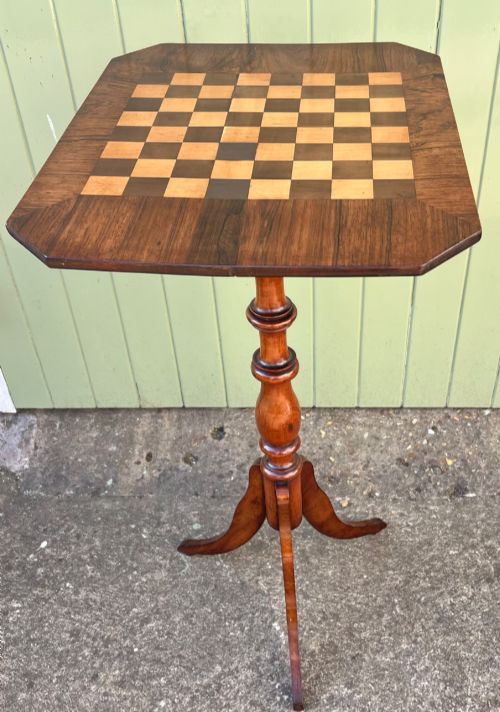
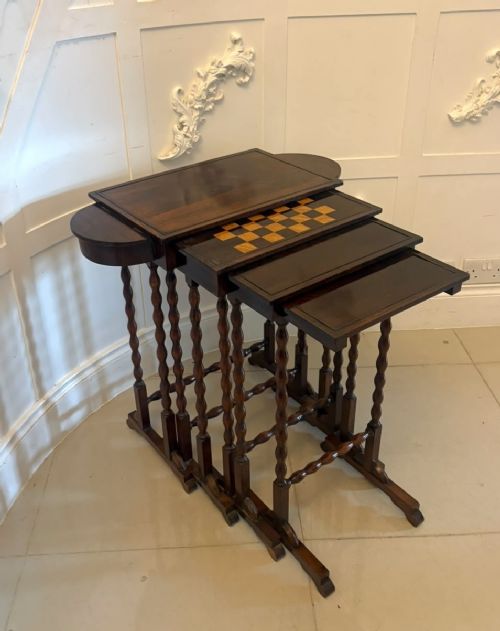
Forms range from simple folding boards to complex compendiums and nest of four tables with integrated boards. Makers utilised timber alongside bone and brass to create items intended for drawing rooms and travel alike.
How they were made
Cabinet makers utilised dense hardwoods such as rosewood, boxwood, and mahogany to construct boards and tables. Contrasting woods like ebony and satinwood provided the distinct dark and light squares required for play.
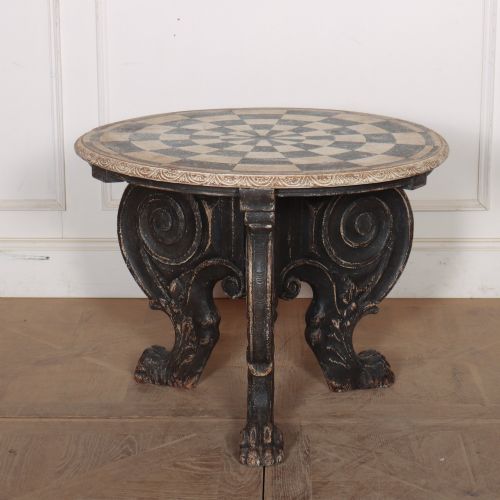
Carving and inlay work defined the surface decoration of many boards and sets. Brass hinges and fasteners were integrated into campaign style folding boards and travelling boxes for durability during transit.
Vintage Wood Chess Retail Price Guide 2026
Typical asking prices for vintage wood chess among the pieces listed under this phrase on Sellingantiques today, from the lower quarter to the upper quarter. They describe what is for sale here now, not the wider market.
The listings on this page span the nineteenth century, the Edwardian period, and early 1900s, featuring boxwood, rosewood, mahogany, and brass.
What varies in quality
The precision of the wood inlay and the crispness of the carved details separate the finer examples from standard production pieces. Selection of timber grain, particularly in rosewood and mahogany surfaces, determines the visual depth of the board.
Mechanical integrity in folding boards and integrated tables dictates daily usability. Solid joinery and well fitted brass hardware indicate superior workshop production.
A British Chess Company
The Vintage Wood Chess Glossary
- Boxwood
- A pale, dense timber frequently utilised for the light squares on chess boards and for white chess pieces. Its tight grain allows for sharp carving.
- Rosewood
- A heavily figured, dark hardwood prized for its rich colour and oil content. It forms the dark squares and frames of nineteenth century boards.
- Compendium
- A multi game box containing equipment for chess, backgammon, and other pastimes. These fitted boxes combine multiple gaming surfaces into one container.
- Campaign style
- Portable furniture designed for travel, featuring folding mechanisms and flush hardware. These pieces pack down efficiently without sacrificing utility.
Vintage Wood Chess: Frequently Asked Questions
How do I date a vintage chess board?
Dating relies on timber selection, hinge types, and construction methods characteristic of periods like the Victorian era or Edwardian period. Maker stamps and labels can also narrow down the year of production.
Examining the dovetails and the wear patterns on the wood helps confirm the age and authenticity of the piece.
Were folding chess boards used for travel?
Travelling boards and folding compendiums were specifically built for journeys by train or carriage. They often included compartments or pegs to secure pieces during movement.
These compact sets allowed players to continue matches away from home without losing their position.
What is a games compendium?
A games compendium is a fitted box housing equipment for several different pastimes, including chess, draughts, and backgammon. They became popular in the nineteenth century for drawing room entertainment.
Inside, you typically find folding boards, cards, counters, and carved chess sets packed neatly into designated compartments.
How do I care for rosewood chess tables?
Rosewood requires stable humidity and protection from direct sunlight to prevent the timber from drying out or fading. Gentle dusting with a dry cloth maintains the natural sheen of the wood.
A light application of appropriate wax polish preserves the grain without building up a heavy residue.