
Vintage Wood Carving
These vintage wood carving pieces bring texture and historical character to a room, ranging from mahogany furniture to giltwood mirrors.
Vintage Wood Carving
When you search for vintage wood carving, you encounter a diverse array of items spanning multiple centuries and regional styles. The selections on this page predominantly feature functional furniture, wall mirrors, and decorative objects shaped from timber.
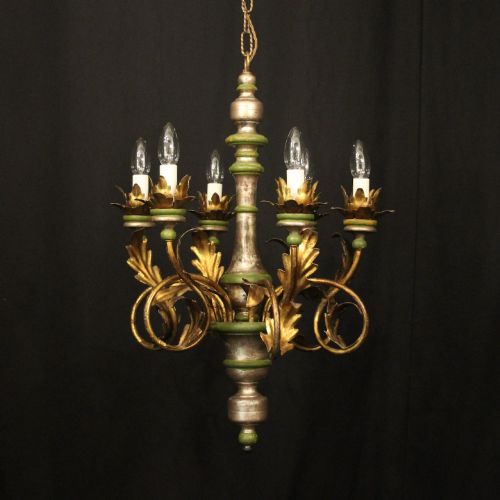
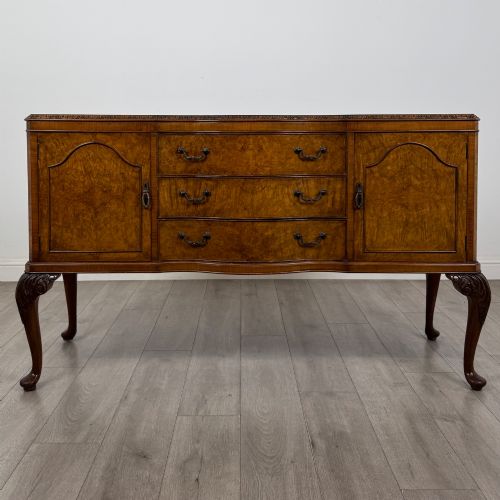
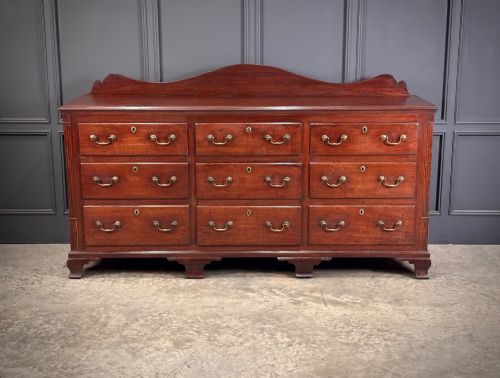
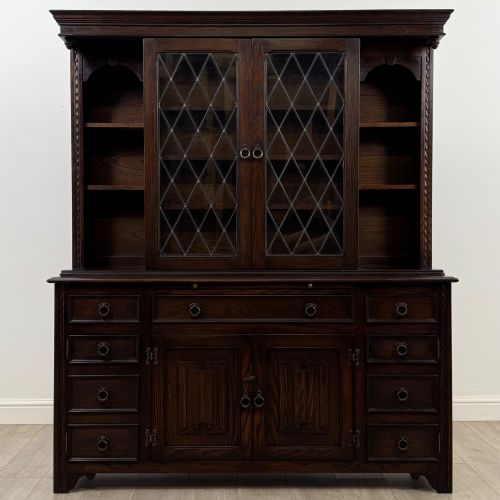
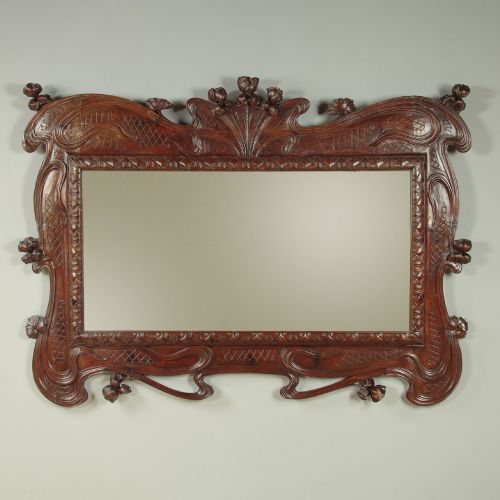
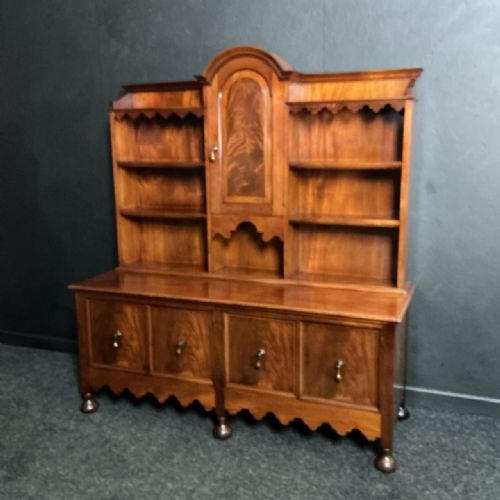
The material evidence encompasses items from the Georgian, Victorian, Edwardian, and later twentieth-century periods. Common forms include oak sideboards, mahogany bookcases, carved wall mirrors, and occasional figures such as linden wood bears or parrots.
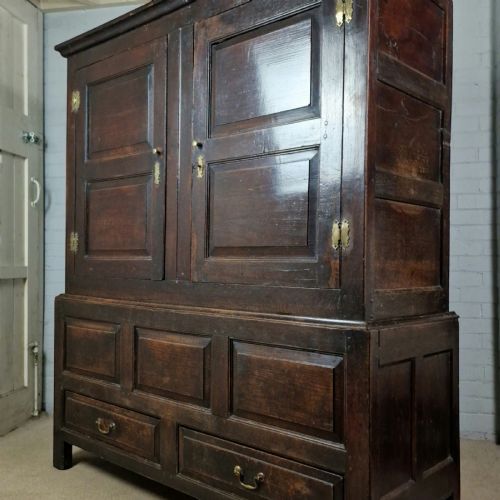
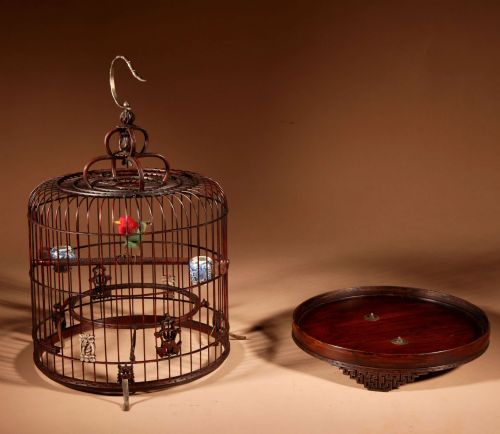
Buyers often encounter British, French, and Chinese origins within these listings. The objects range from large oak coffers and side cabinets to smaller items like bamboo bird cages and walking sticks.
Materials and construction methods
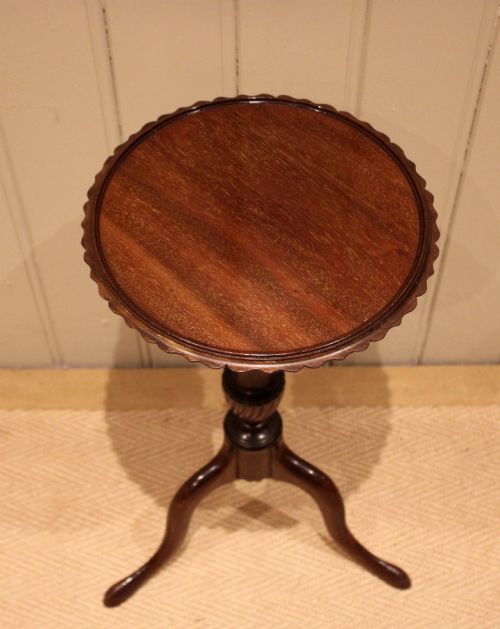
Makers utilised a variety of dense hardwoods, predominantly mahogany, oak, and walnut, alongside supplementary timbers such as beech, linden, and padouk. These woods provided the structural integrity required for detailed chisel work and heavy furniture construction.
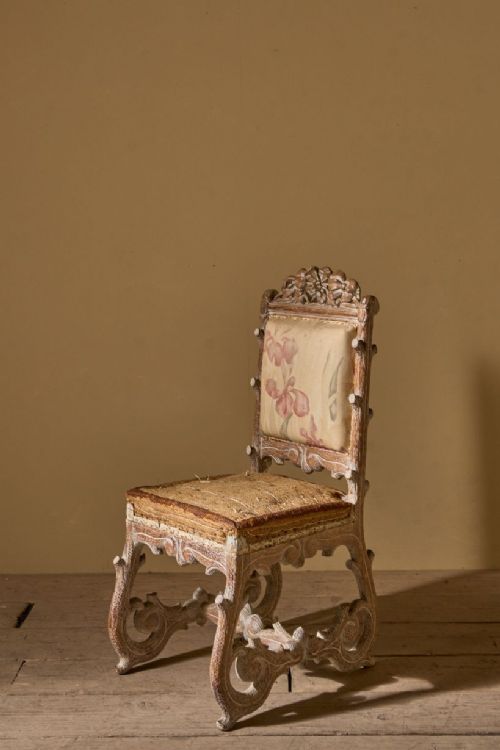
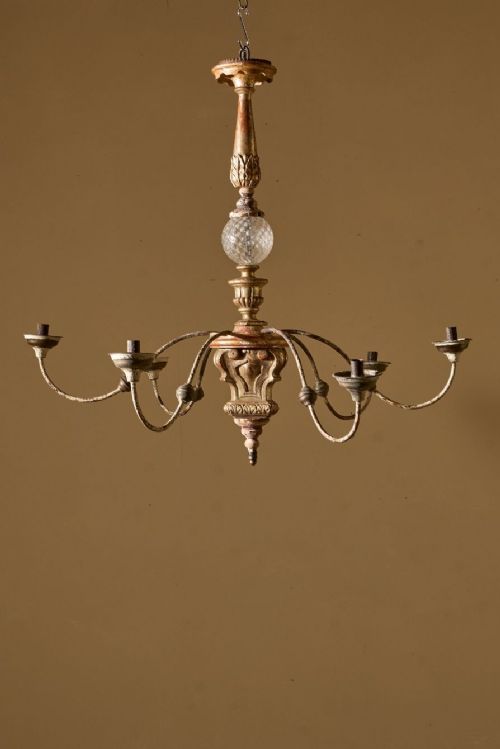
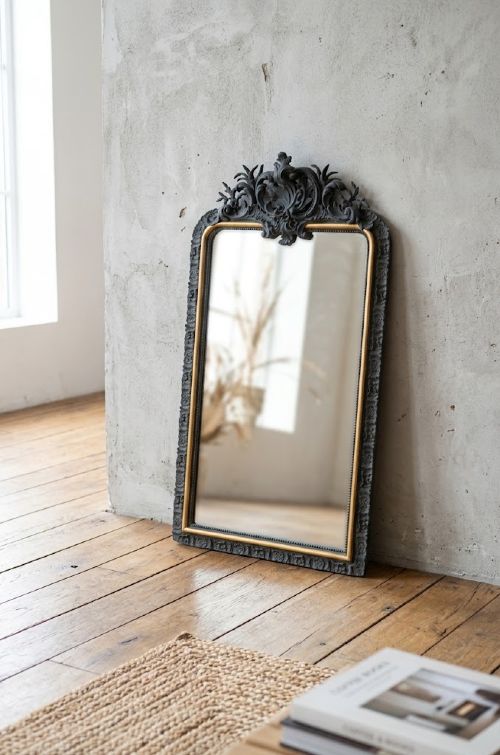
Surface treatments recorded in the evidence include giltwood, gesso, brass mounts, and ebonised finishes. Carvers applied these finishes to enhance the textural depth and visual contrast of the carved motifs.
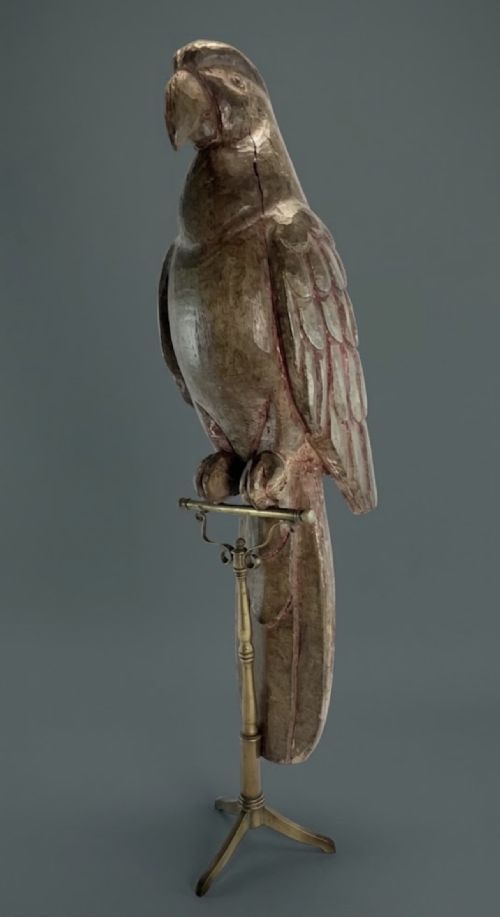
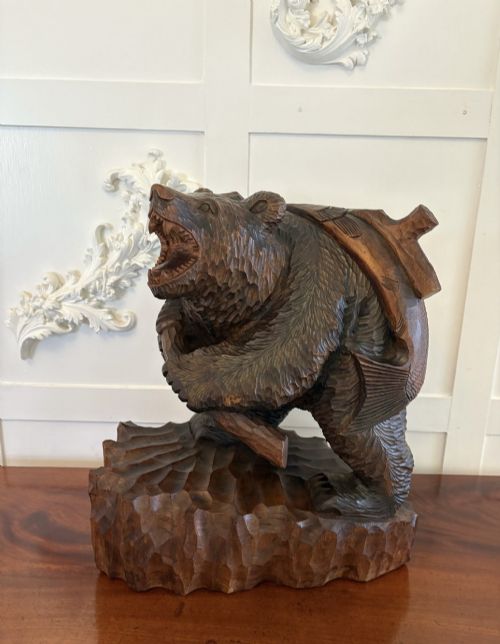
Several carved animals populate the inventory, including a wooden parrot on a brass stand and a Japanese bear carrying a fish.
Distinctions in quality
The standard of carving execution separates simpler utility items from finer sculptural works. Sharpness of detail, depth of relief, and the naturalism achieved in figures like bears or parrots indicate the skill of the maker.
Material selection also dictates the grade of the piece, particularly the grain figuration in burr walnut or the weight and density of solid mahogany and oak. Original surfaces and period plates on mirrors retain higher historical integrity than replaced elements.
The Vintage Wood Carving Glossary
- Giltwood
- Timber coated with gold leaf or gold paint. This finish frequently appears on nineteenth-century wall mirrors and chandeliers.
- Gesso
- A plaster-like mixture applied to wood as a base for gilding or painting. It allows for crisp moulded ornament beneath the gold leaf.
- Coffer
- A heavy storage chest typically constructed from solid oak. These pieces often feature extensive front panel carvings.
- Chiffonier
- A compact sideboard or low cabinet developed in the nineteenth century. They usually combine enclosed lower cupboards with upper shelving or drawers.
- Pier mirror
- A tall wall mirror designed to hang on the wall space between windows. They frequently incorporate elaborate giltwood frames.
Vintage Wood Carving: Frequently Asked Questions
How do I date a carved oak sideboard?
Dating relies upon construction joints, timber selection, and the style of the carved ornamentation. Georgian and Victorian pieces show distinct shifts in proportion and tool marks.
Examining the secondary woods inside drawers and the backboards provides further confirmation of the period.
What rooms suit a giltwood wall mirror?
Giltwood mirrors function well above mantelpieces, in hallways, or as central focal points in reception rooms. Their reflective glass and carved frames brighten darker corners.
Ensuring the wall structure supports the weight of large frames remains essential during installation.
Are mahogany bookcases structurally sturdy?
Mahogany provides a dense and stable hardwood base that resists warping better than softer timbers. Heavy Victorian and Georgian bookcases safely hold substantial book collections.
Adjustable shelving systems found in many nineteenth-century examples add practical utility for modern storage.
How should I clean carved wooden surfaces?
Dusting with a dry, soft cloth prevents particulate buildup in the recessed areas of the carving. Avoid applying modern liquid polishes that can degrade historical wax finishes.
Periodic application of appropriate furniture wax maintains the moisture balance and sheen of the timber.