
Vintage Wood Box
A vintage wood box brings warmth and tactile history to a room, offering practical storage disguised as craftsmanship.
Vintage Wood Box
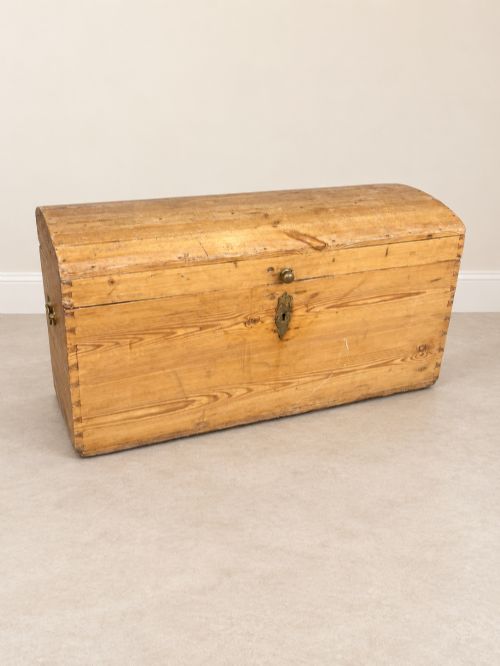
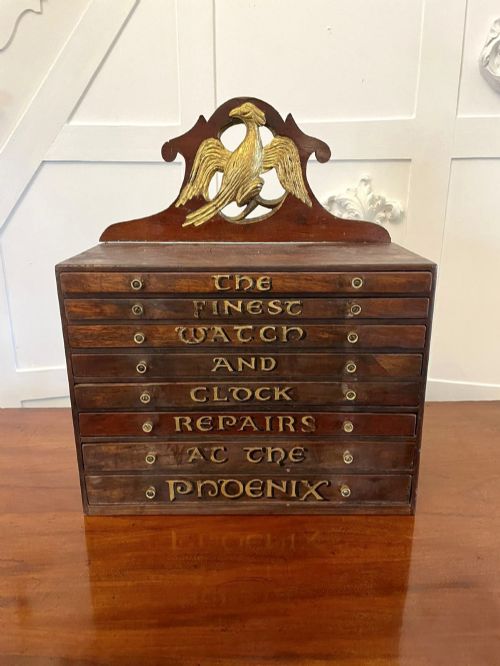
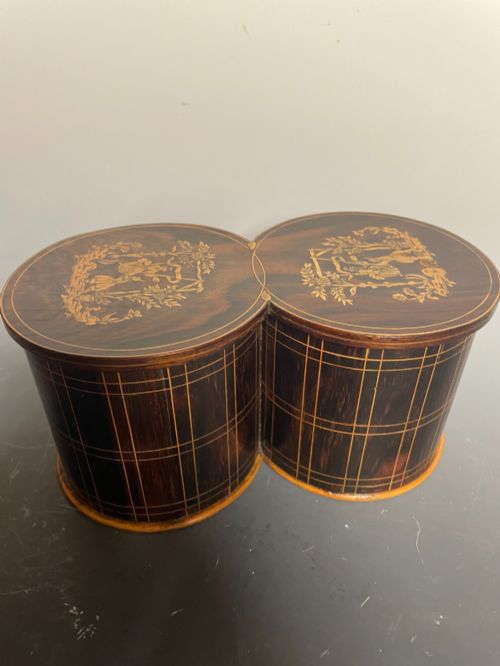
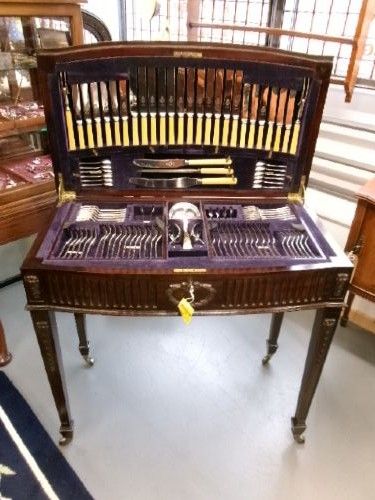
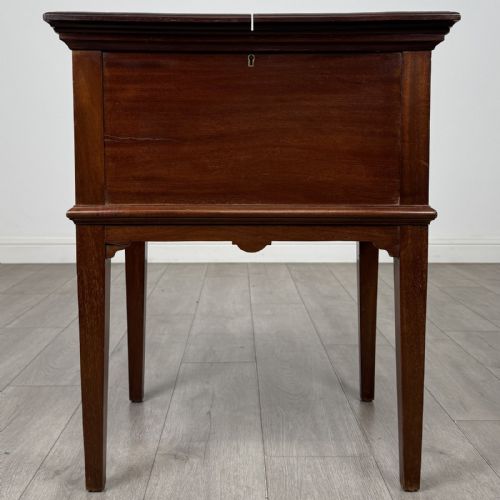
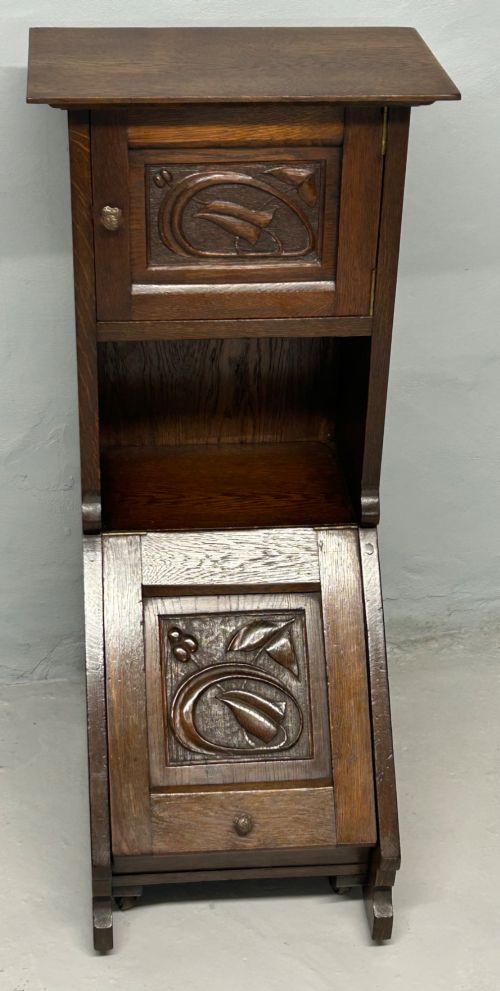
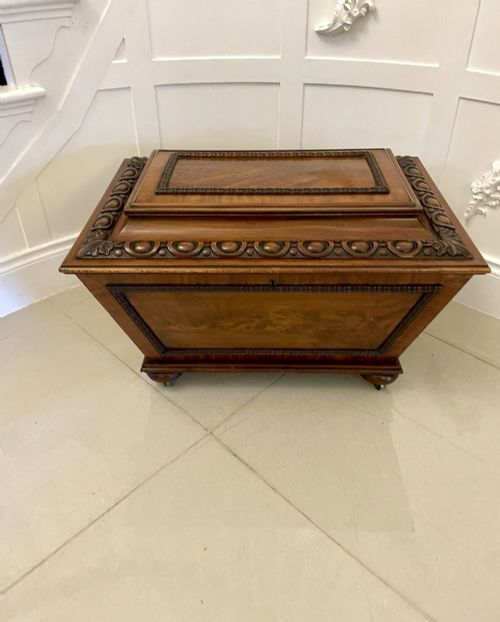
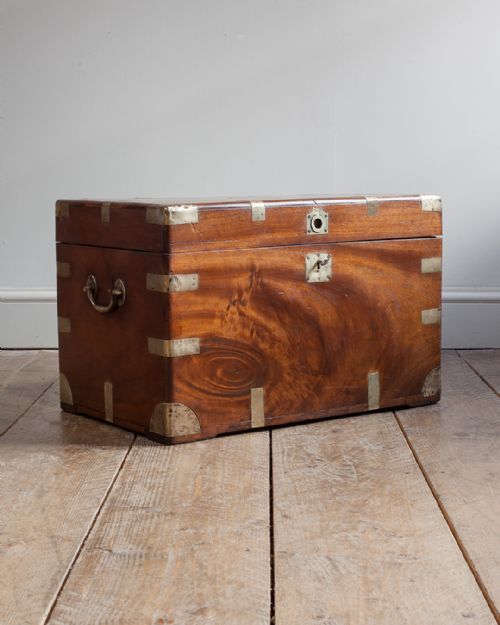
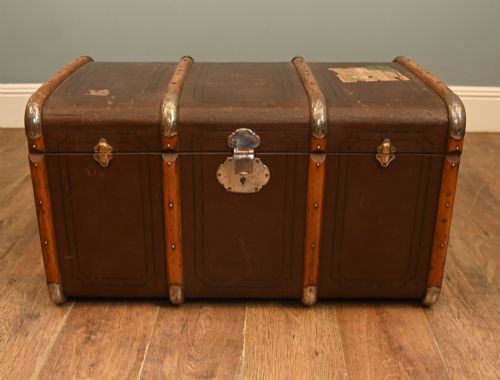
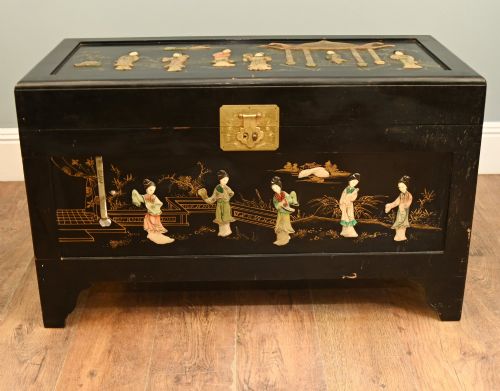
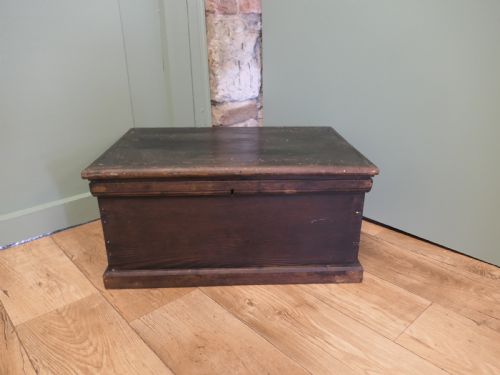
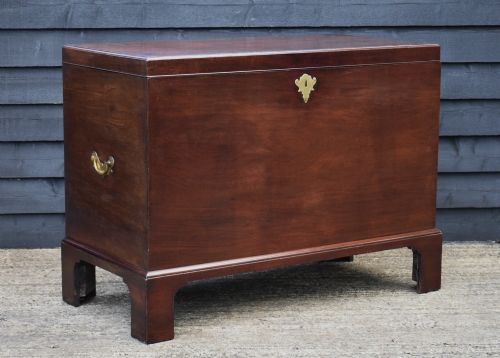
When you search for a vintage wood box, you encounter a diverse range of vessels designed for specific historical domestic uses, from tea caddies and spice towers to larger storage chests. These pieces span centuries of cabinet making, appearing in varied forms such as Georgian military chests, Victorian fruitwood string barrels, and Edwardian blanket boxes. The selection frequently includes utilitarian pine carpenter boxes alongside decorative camphor wood trunks and inlaid Anglo-Indian wine coolers.
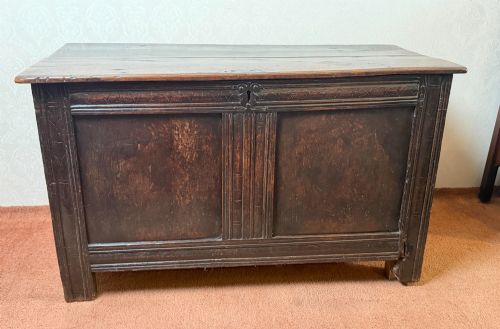
Buyers most commonly meet sturdy oak coffers, camphor wood travel trunks, and mahogany table boxes on this page. These containers served varied functions in past households, acting as portable luggage, secure storage for valuables, or specialised containers for food and drink. Their enduring appeal lies in this combination of honest utility and traditional timber construction.
How they were made
Carpenters and cabinet makers utilised durable regional and exotic timbers such as oak, mahogany, camphor wood, and fruitwood, often joining panels with dovetails or pegged joints to ensure structural longevity. Iron and brass hardware, including corner brackets, carrying handles, and strap hinges, reinforced travel trunks and military chests against the rigours of transport.
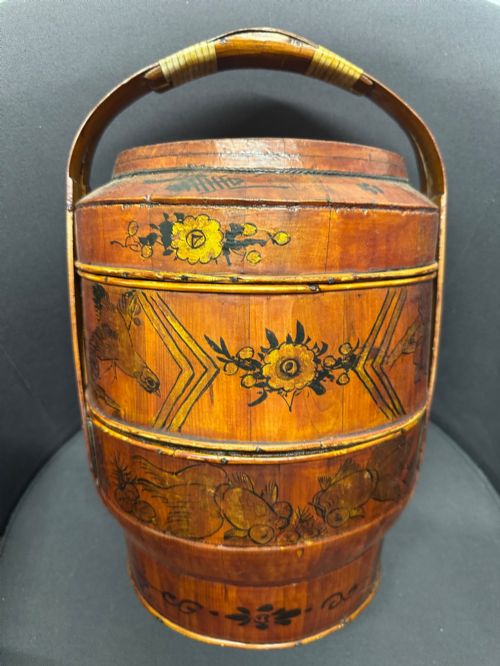
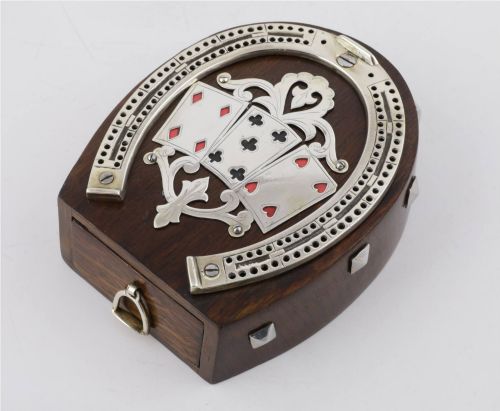
Surface decoration involved carving, brass binding, lacquering, or delicate inlay using mother-of-pearl and bone details. Many domestic utility boxes retained plain waxed or stained finishes that highlighted the natural grain of the pine or elm.
A tiny wooden pill silverer survives from the nineteenth century, reminding us that even medicine once required miniature craftsmanship.
What varies in quality
Quality separates through the integrity of the timber selection and the precision of the joinery, distinguishing utilitarian containers from bespoke salon pieces. Superior items display well-figured grain, such as burr walnut veneer or select mahogany, coupled with tightly fitted dovetail corners and original brass hardware.
The sophistication of internal compartments and retention of original functional elements, like fitted interiors or working locks with keys, elevate the standing of a piece. Lesser examples show coarse replacement timbers or crude repairs that obscure the original hand of the maker.
Tahan
The Vintage Wood Box Glossary
- Camphor wood
- A fragrant timber frequently utilised for campaign trunks and travel chests because its natural aromatic oil repels insects. It remains stable in humid climates.
- Cellarette
- A specialised container designed to hold wine bottles or decanters safely, often featuring fitted internal partitions and robust carrying handles. Georgian and Victorian examples frequently stand on dedicated legs or frames.
- Coffer
- A large, heavy storage chest constructed primarily from solid oak, elm, or pine, traditionally used for household linens and valuables. Early examples display hand-carved front panels and pegged frame construction.
- Treen
- Small handmade wooden domestic objects produced prior to the widespread adoption of plastics. The category encompasses items such as pill silverers, spice mortars, and snuff boxes.
Vintage Wood Box: Frequently Asked Questions
What were camphor wood boxes used for?
Camphor wood trunks served as durable travel luggage for military officers and merchants navigating maritime routes during the nineteenth century. Their dense, aromatic timber naturally protected stored clothing and papers from dampness and insects.
Today, these chests function effectively as living room coffee tables or bedroom blanket storage while imparting a distinct, pleasant scent to the interior.
How do I date a wooden box?
Dating relies on observing construction methods, timber choices, and hardware styles across different periods. Hand-cut dovetails, secondary softwood linings, and heavy brass campaign mounts typically point to Georgian or Victorian craftsmanship.
Later Edwardian and early twentieth-century pieces often display machine-sawn components or distinct revival carving styles. Comparing the patination of the wood helps confirm the age of the exterior.
What is a tea caddy?
A tea caddy was a secure container designed to store expensive loose-leaf tea when the beverage was a precious commodity. Interiors often featured internal lidded compartments to keep different tea varieties separate.
These compact boxes sat in reception rooms and were kept locked by the head of the household to control access to the valuable contents.
How should I clean a vintage wood box?
Maintenance requires gentle cleaning with a soft, dry cloth to remove dust without disturbing the historic surface wax. Application of a microcrystalline wax periodically helps nourish dry timber and protect the finish.
Harsh chemical cleaners and excessive moisture must be avoided to preserve the original patination and prevent timber warping.