
Vintage Wood Bedroom Chest
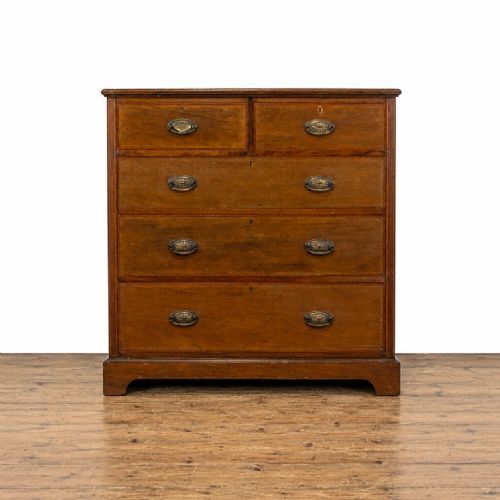
A vintage wood bedroom chest provides essential storage while anchoring the room with periods spanning Georgian to Art Deco.
Vintage Wood Bedroom Chest
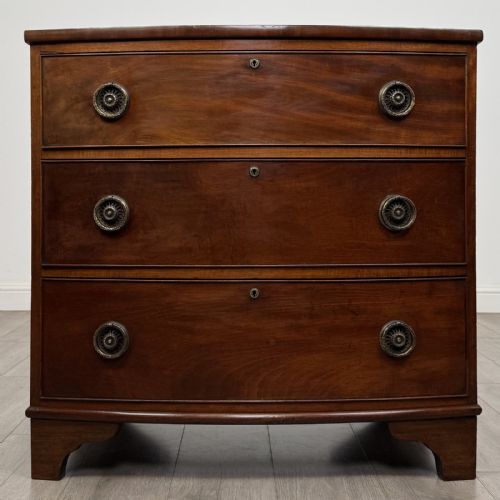
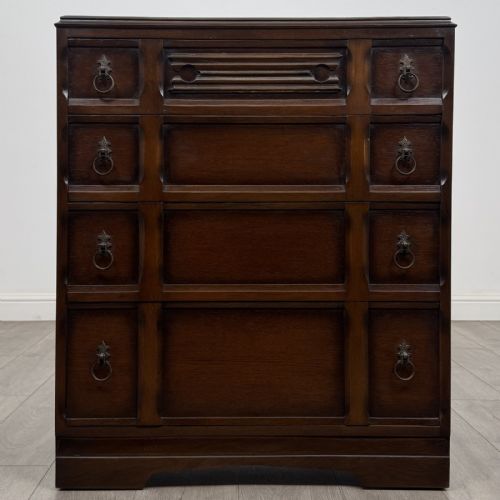
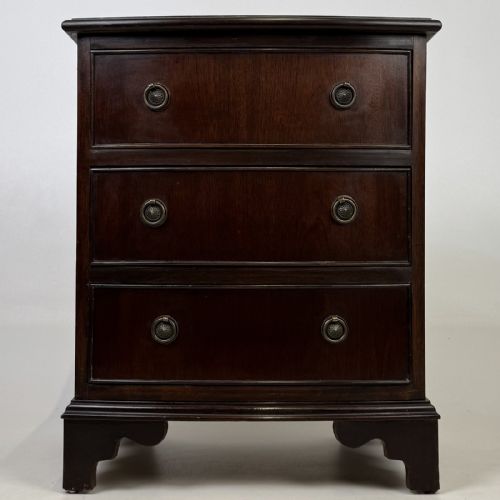
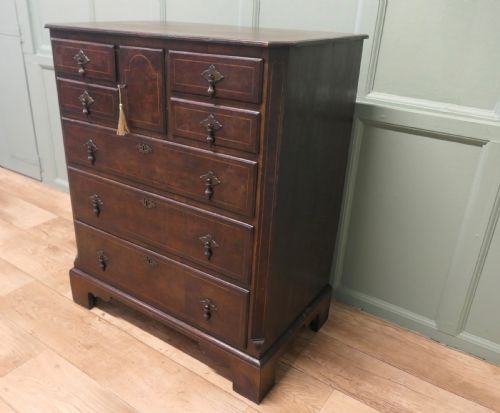
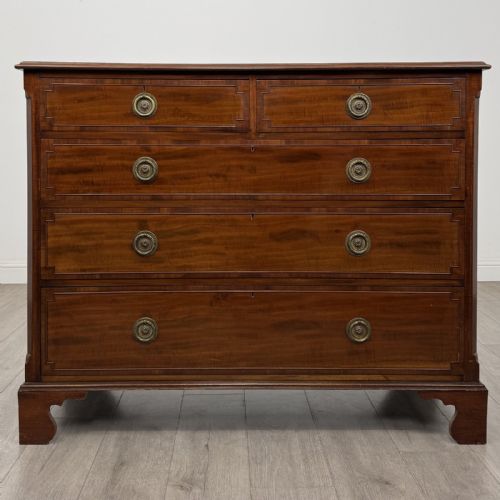
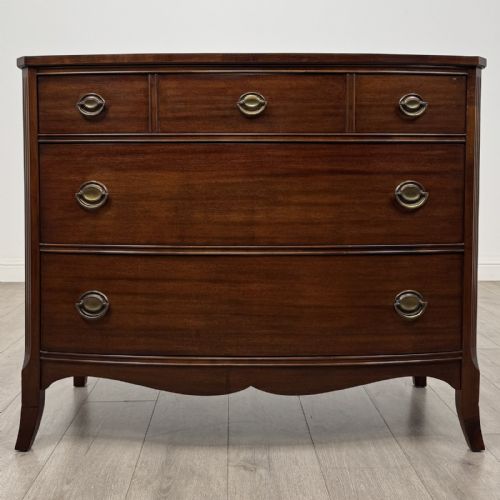
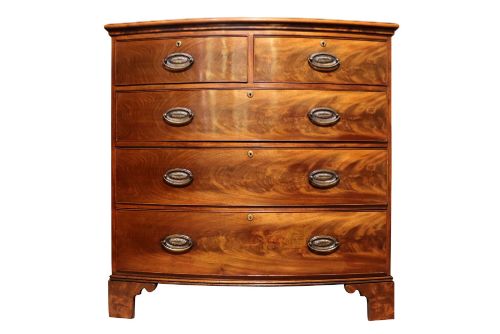
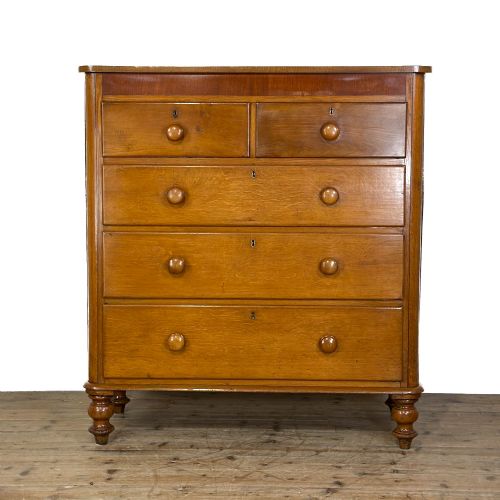
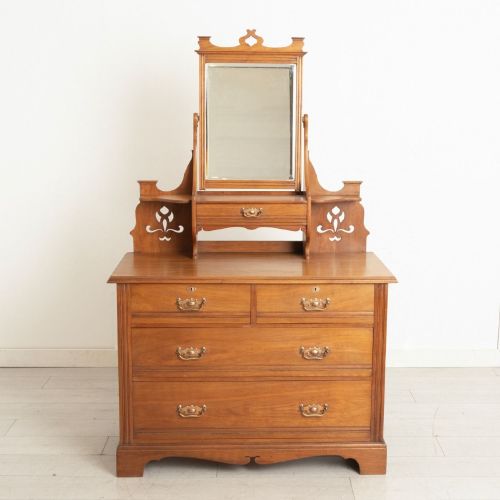
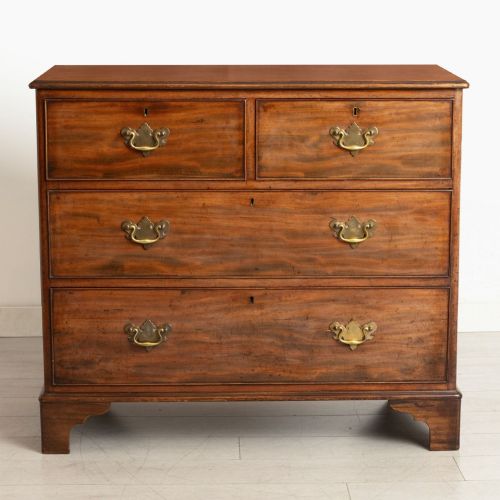
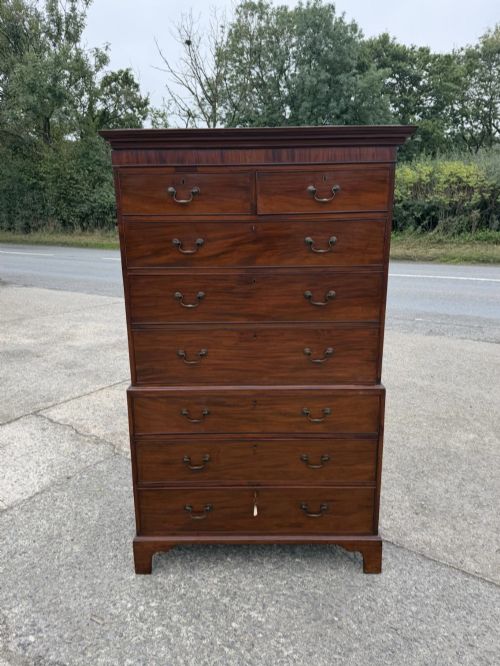
A vintage wood bedroom chest serves as the primary storage piece for clothing and personal items within domestic spaces. Pieces matching this search phrase encompass standard chests of drawers, bow fronts, tallboys, linen presses, and dressing tables.
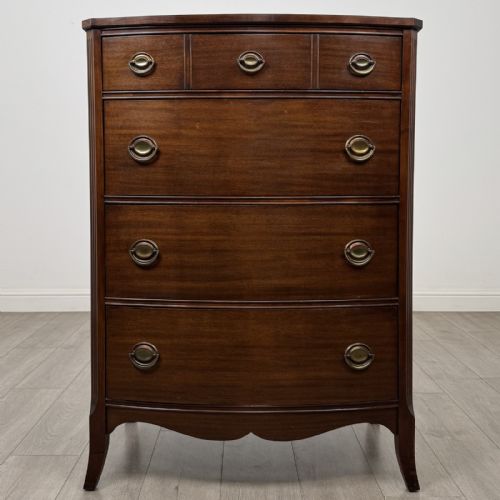
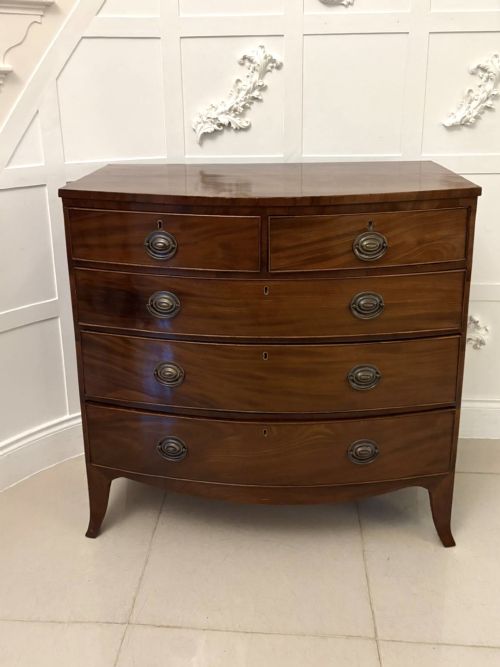
Buyers frequently encounter mahogany, oak, and walnut examples originating from the Georgian, Victorian, and Edwardian eras. These forms range from compact bedside cabinets to large multi-drawer case pieces fitted with brass handles and bracket feet.
Materials and construction methods
Cabinet makers utilised dense hardwoods such as mahogany, oak, walnut, and rosewood, often pairing them with secondary pine or ash for drawer linings and internal framing. Surfaces frequently display figuration enhanced by satinwood inlay, marquetry, or simple polish.
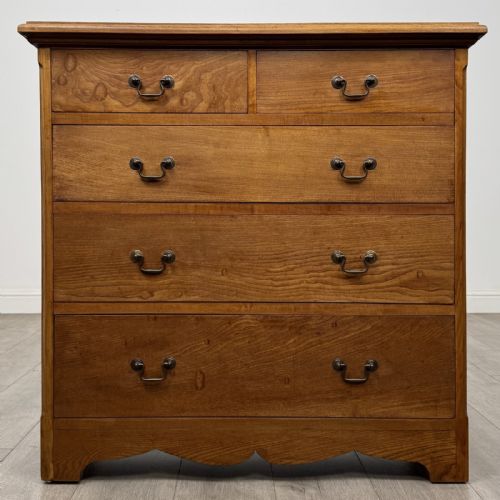
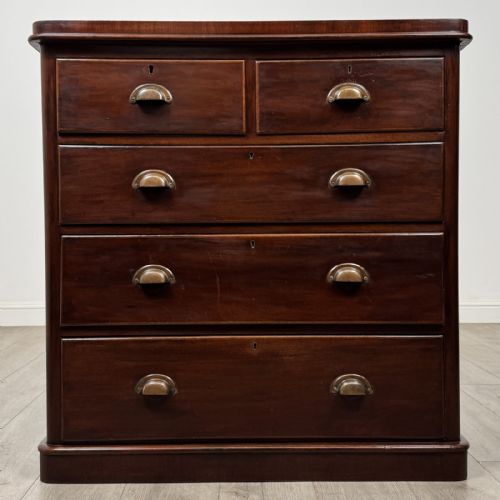
Construction techniques involve traditional joinery, dovetail joints on drawers, and panelled backs, supplemented by brass drop handles, cup handles, or turned wooden knobs depending on the period.
The listings span eight distinct periods from the 18th century through the 1930s, utilising mahogany, oak, walnut, pine, ash, and satinwood.
Distinctions in quality and execution
Quality separates through the selection of timber figures, such as burr walnut or figured mahogany, and the precision of the cabinet work in drawer construction and inlay alignment. Superior examples retain original brass hardware, stable feet, and clean interior surfaces.
Proportion and scale also dictate worth, as neat Scottish proportions, symmetrical grain matching, and well-executed bracket feet or apron details elevate standard utility furniture into exceptional cabinet making.
Shapland and Petter·T and G Seddon
The Vintage Wood Bedroom Chest Glossary
- Bow front
- A convex curved cabinet front that projects outward, popular during the Georgian and Regency periods. This shape softens the profile of large case furniture.
- Chest on chest
- A tall storage unit comprising a smaller upper chest stacked directly upon a larger lower base, often containing numerous drawers. This form maximises vertical storage space.
- Linen press
- A tall piece enclosing sliding trays or shelves behind upper doors, positioned above lower drawers. Originally designed for storing household linens flat.
- Wellington chest
- A tall, narrow locking chest fitted with a hinged vertical side pilaster that secures all the drawers when locked. It typically contains six or seven graduated drawers.
- Semainier
- A tall seven-drawer chest originating in France, traditionally intended to hold a separate garment for each day of the week. These cabinets feature slender proportions and fine wood veneers.
Vintage Wood Bedroom Chest: Frequently Asked Questions
How do I date a wooden chest?
Dating relies on observing construction methods, timber choices, and hardware styles. Georgian pieces often display hand-cut dovetails and oak drawer linings, while Victorian examples introduce machine-sawn elements and pine.
Hardware changes also provide clues, shifting from brass drop handles on backplates to wooden knobs and later cup handles as decades progress.
What is the difference between a tallboy and a chest on chest?
A chest on chest consists of two distinct cabinet sections built to stack together, usually featuring two short drawers over six long drawers. A tallboy generally refers to a single tall chest of drawers or a wardrobe-style press.
Both forms provide substantial vertical storage while occupying a compact floor footprint in a bedroom.
Are these chests suitable for modern bedrooms?
These pieces integrate easily into contemporary interiors by offering practical drawer space for folded garments and personal items. Their natural wood tones bring warmth and texture alongside modern furnishings.
Compact options like bedside cabinets or neat bow front chests suit smaller rooms without overwhelming the floor space.
How should I care for antique wood surfaces?
Maintenance involves dusting with a dry microfibre cloth and applying appropriate wax polish periodically to nourish the timber. Direct sunlight and sudden temperature changes should be avoided to prevent wood movement and splitting.
Keeping the environment stable preserves both the polish and the structural integrity of the joints.