



Vintage Wicker Furniture
Vintage wicker furniture brings tactile warmth and organic texture indoors, offering enduring seating and surface solutions.
Vintage Wicker Furniture
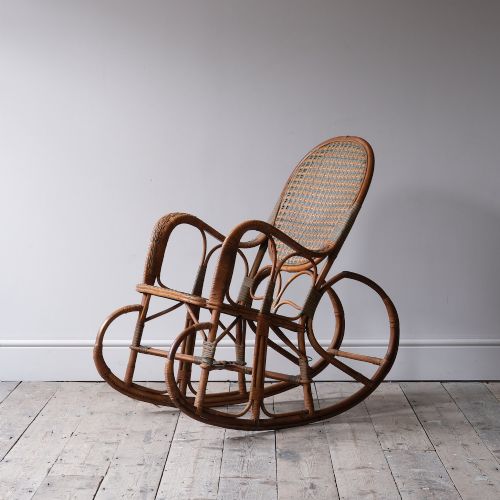
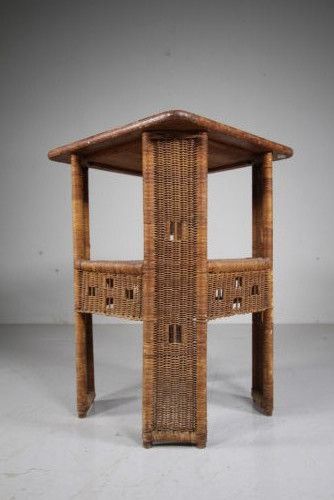
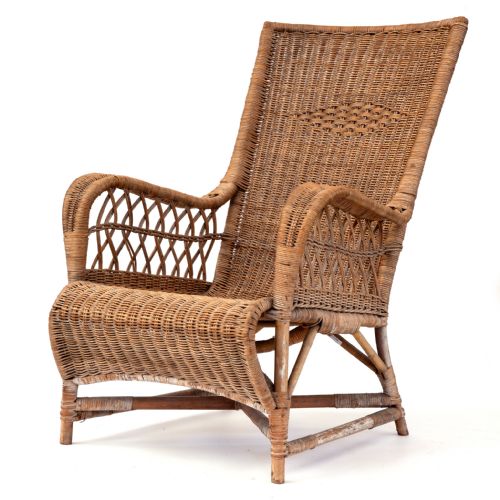
Vintage wicker furniture encompasses seating, tables, and bedframes shaped from flexible plant fibres, cane, and bamboo. Pieces span the Victorian era, the 1900s, the 1920s, and the 1930s, reflecting diverse design movements from Arts and Crafts to Art Deco. Buyers encountering these listings meet armchairs, side tables, and lounge chairs designed for both indoor and conservatory use.
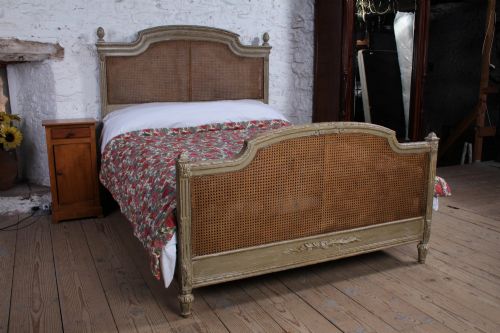
The selection ranges from British production by makers like Dryad to French Provincial loungers and Louis XVI style caned beds. Forms include functional items such as corner shelves, coffee tables, and twin tables alongside statement pieces like chaise longues. Materials extend beyond traditional rattan to incorporate wood, glass, and steel wire elements.
How vintage wicker furniture was made
Craftsmen utilised natural materials such as rattan, cane, and bamboo, often steaming the plant stems to achieve intricate bends and curves. Frameworks incorporated timber and steel wire to provide structural integrity for armchairs and beds. Surfaces frequently combined woven elements with solid wood panels or glass inserts.
Makers such as Dryad employed innovative twisted kraft paper woven over steel wire frames, a signature technique of the Lloyd Loom method. Weaving patterns varied from tight, uniform cane surfaces to looser rattan structures. Frames were joined using traditional woodworking methods alongside bound cane wrappings.
Vintage Wicker Furniture Retail Price Guide 2026
Typical asking prices for vintage wicker furniture among the pieces listed under this phrase on Sellingantiques today, from the lower quarter to the upper quarter. They describe what is for sale here now, not the wider market.
Listings feature items spanning the Victorian era through the 1930s, incorporating cane, rattan, bamboo, and steel wire.
What varies in quality
Quality rests upon the tightness and regularity of the weave, alongside the structural soundness of the underlying frame. Pieces utilising robust timber or steel wire foundations maintain their shape better over decades of use. The sophistication of the design, whether simple bamboo stands or elaborate Louis XVI style caned beds, dictates the grade of the piece.
Attribution to documented workshops like Dryad or distinct periods such as Victorian or Art Deco elevates the standing of an item. The preservation of original surfaces, whether sun-bleached finishes or painted Lloyd Loom treatments, determines the integrity of the object.
Dryad of Leicester·Lloyd Loom
The Vintage Wicker Furniture Glossary
- Canework
- A weaving technique utilising strips of rattan cane to create porous surfaces for chair seats and bed panels. This method provides flexible support while maintaining a light visual profile.
- Rattan
- A climbing palm species yielding flexible, durable stems used extensively for structural framing and woven components. Its natural resilience suits curved furniture designs.
- Bamboo
- A woody grass utilised in whole sections for stands, chairs, and structural supports. It imparts a distinct segmented texture and considerable strength.
- Kraft Paper
- Strong wood-pulp paper twisted into cords and used in twentieth-century manufacturing. It forms the durable woven body characteristic of Lloyd Loom pieces.
- Chaise Longue
- An elongated chair designed for reclining, combining seating and footrest functions into one piece. These items appear in French rattan variations.
Vintage Wicker Furniture: Frequently Asked Questions
What is Lloyd Loom furniture?
Lloyd Loom furniture utilises twisted kraft paper woven over a metal wire frame rather than traditional natural rattan. Developed in the United States and produced widely in Britain during the 1930s, this method created snag-free, durable seating and tables.
The technique resulted in smooth surfaces that resisted the cracking common in older natural plant weaves. These pieces often feature smooth painted finishes and distinct manufacturer tags.
How do I date wicker furniture?
Dating relies on identifying material combinations, construction techniques, and stylistic markers visible across the piece. Victorian examples often incorporate dark turned woods and complex bamboo frameworks, while 1920s and 1930s items display cleaner lines or distinctive woven paper cord.
Examining the underside and framing joints reveals whether builders utilised modern wire cores or older solid timber bracing. Stylistic cues such as Art Deco curves or Louis XVI carved motifs further narrow the decade of production.
Can vintage wicker be used outdoors?
Vintage wicker furniture is generally intended for interior use, particularly in sunrooms, conservatories, or living spaces. Exposure to dampness, rain, and direct sunlight degrades natural plant fibres and weakens woven joints over time.
Items featuring painted finishes or wire-reinforced kraft paper still require sheltered environments to prevent deterioration. Placing these pieces indoors preserves the structural integrity of the natural materials.
How do I clean wicker furniture?
Cleaning requires a soft-bristled brush or a vacuum attachment to remove dust settled within the tight weaves. Moisture should be kept to a minimum to prevent the natural cane or rattan from swelling and warping.
A damp cloth with mild soap can address surface marks, followed immediate by thorough drying. Avoiding harsh chemical cleaners protects the original patina and finish of the material.