

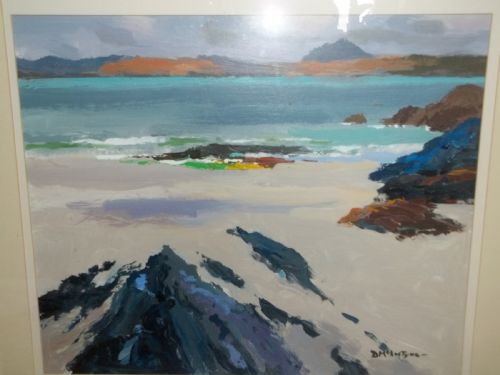


Vintage Welsh Landscape
These vintage welsh landscape paintings capture the rugged topography and coastal light of Wales through the eyes of artists working across several centuries.
Vintage Welsh Landscape
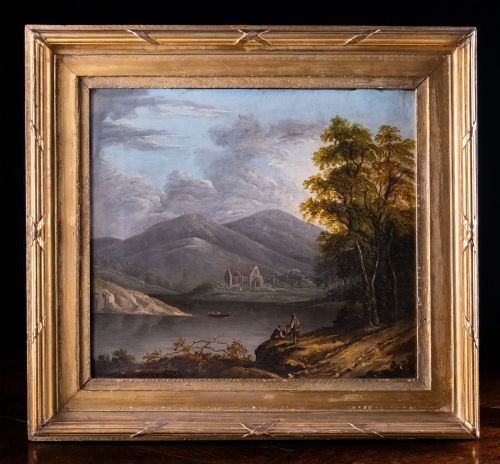
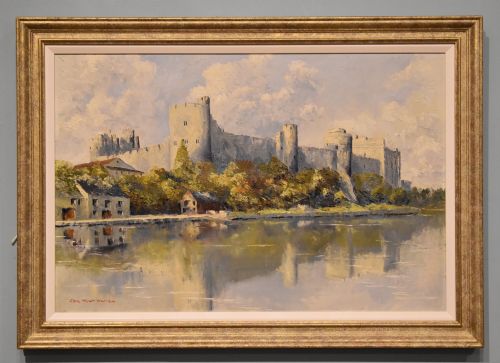
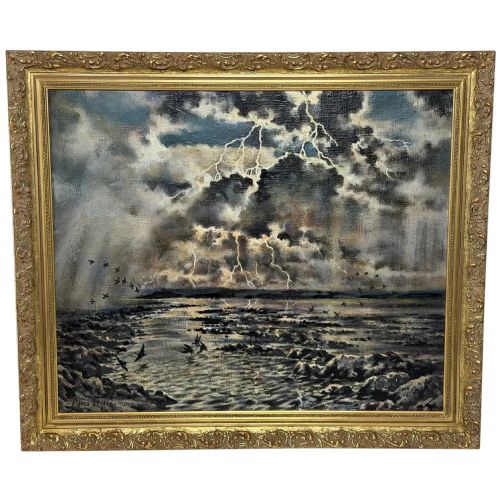
A vintage welsh landscape brings the distinct topography and atmosphere of Wales into an interior through painted depictions of valleys, coastlines and mountains. These works range from grand nineteenth-century watercolours to mid-century modern oils, recording locations from Cardigan Bay to Snowdonia.
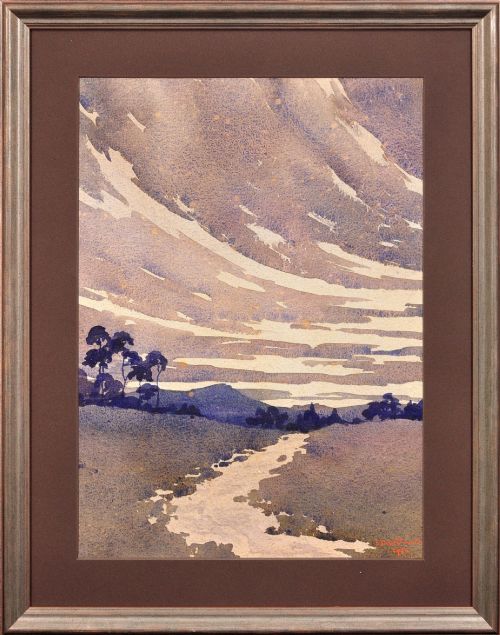
The most common examples on this page are mid-century oil paintings and early twentieth-century watercolours. Artists frequently return to specific regional subjects such as the Llangollen canal, Conwy valley scenes and coastal villages.
Framed watercolours on paper and oils on canvas or wood panel represent the principal formats. Works span periods from the Georgian era through to mid-century British modernism, showing shifts in palette from dark academic tones to brighter post-impressionist hues.
How they were made
Artists built these compositions using oil paint on stretched canvas, wood panel or heavy card, alongside watercolours applied to paper sheets. Pigments were worked with brushes or palette knives to build texture, particularly in depicting mountain terrain and breaking coastal waves.
Support materials varied according to the period, with nineteenth-century works often utilising robust linen canvases while mid-century painters occasionally worked on board or card. Giltwood frames frequently complete the pieces, providing a traditional border that complements the painted surface.
Vintage Welsh Landscape Retail Price Guide 2026
Typical asking prices for vintage welsh landscape among the pieces listed under this phrase on Sellingantiques today, from the lower quarter to the upper quarter. They describe what is for sale here now, not the wider market.
Materials documented across these works include oil paint, canvas, wood panel, watercolour, paper, glass and giltwood.
What varies in quality
Quality in these regional scenes rests upon the artist's command of Welsh light and weather, separating competent topographical records from accomplished atmospheric interpretations. Stronger works convey the heavy skies and distinct coastal luminosity without relying on formulaic formulas.
The handling of the medium distinguishes finer examples, where confident brushwork creates depth in mountain ranges and movement in water. Materials also play a role, as robust original stretcher frames and well-preserved canvas surfaces maintain the structural integrity of the painting.
Moss Williams·Donald McIntyre·Hubert Wellington·Hazel M Barnett·Arthur Wardle·Clarence Henry Roe·Herbert Royle·Walter J Watson·Samuel Towers·Clarence Woodburn·John J Hamer·Henry Bright
The Vintage Welsh Landscape Glossary
- Oil on canvas
- A painting technique using pigments bound in a drying oil medium applied to a stretched woven fabric support. This combination allows for rich colour blending and textured impasto application.
- Watercolour
- A paint consisting of colour pigments suspended in a water-soluble binder, traditionally applied to paper. It relies on the white of the paper to show through translucent washes.
- Wood panel
- A rigid wooden support used by artists instead of canvas. Panels provide a stable surface that prevents the cracking often found on older textiles.
- Giltwood
- Timber carved and coated with a thin layer of gold leaf or metallic gilt paint. It is commonly found on traditional picture frames.
- Impressionism
- A style of painting emphasising light and its changing qualities rather than precise details. Artists use small, thin yet visible brush strokes to capture the visual impression of a scene.
Vintage Welsh Landscape: Frequently Asked Questions
What subjects appear in these Welsh paintings?
The compositions focus heavily on recognisable Welsh geography, including coastal bays, river valleys, mountain ranges and rural farms. Popular locations involve Snowdonia views, Cardigan Bay shores and inland waterways.
Artists also record historical sites such as Tintern Abbey alongside local figures like farm workers and hunt packs operating within the regional terrain.
How do I date an antique painting?
Dating relies on examining the materials, including the canvas weave, stretcher construction and framing style, alongside any signatures or inscriptions left by the artist. Stylistic movements also offer strong chronological clues.
Victorian and Georgian works typically employ darker, more academic palettes, whereas mid-century pieces show brighter tones and looser brushwork influenced by modernism.
How should I hang and care for these artworks?
Paintings require placement away from direct sunlight and excessive humidity to protect canvas fibres, paper supports and wooden panels from warping or fading. Stable indoor temperatures prevent the paint layer from cracking.
Watercolours under glass need special protection from bright light to preserve the delicate pigments used on the paper ground.
Are these paintings usually framed?
Many listings arrive within their original or period-appropriate frames, which often include giltwood or moulded timber designs chosen to complement the era of the artwork. These frames form part of the historical object.
Checking the framing helps verify the period, as Victorian and Edwardian mouldings differ noticeably from mid-century profiles.