

Vintage Weapon
These vintage weapon pieces span concealed blades and military sidearms, offering collectors a tangible link to nineteenth-century defence and craftsmanship.
Vintage Weapon
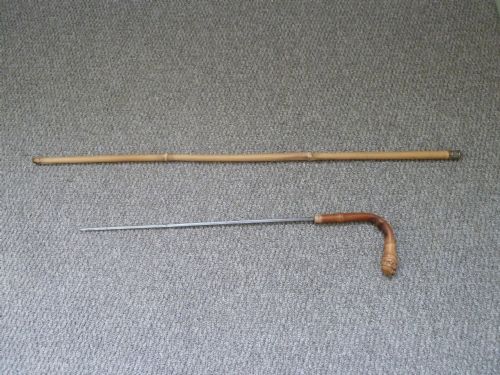
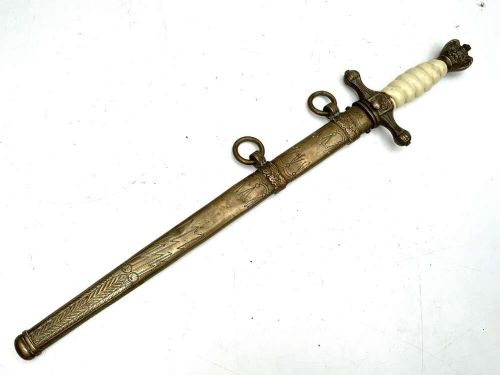
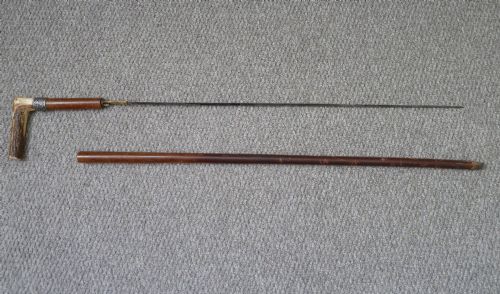
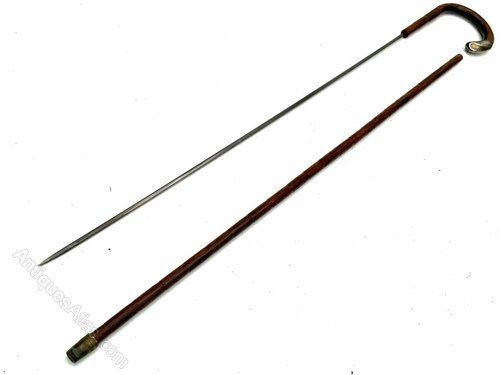
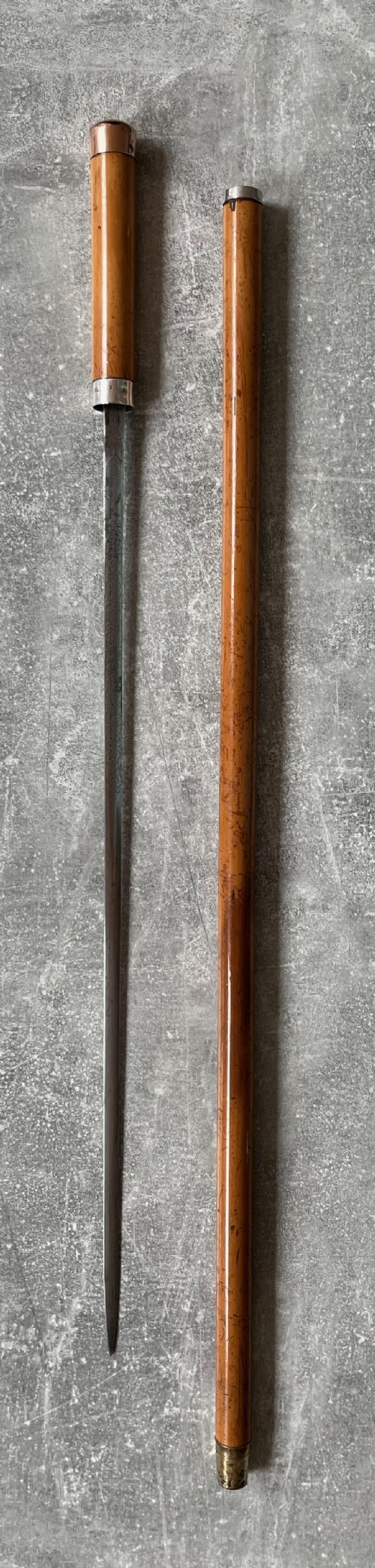
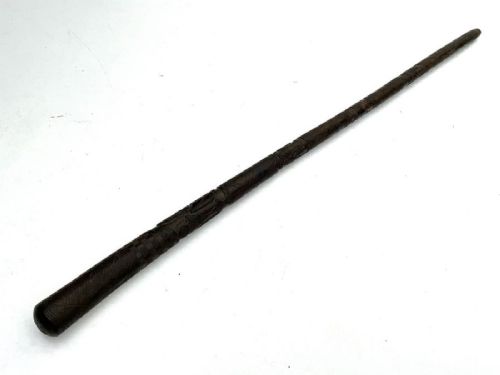
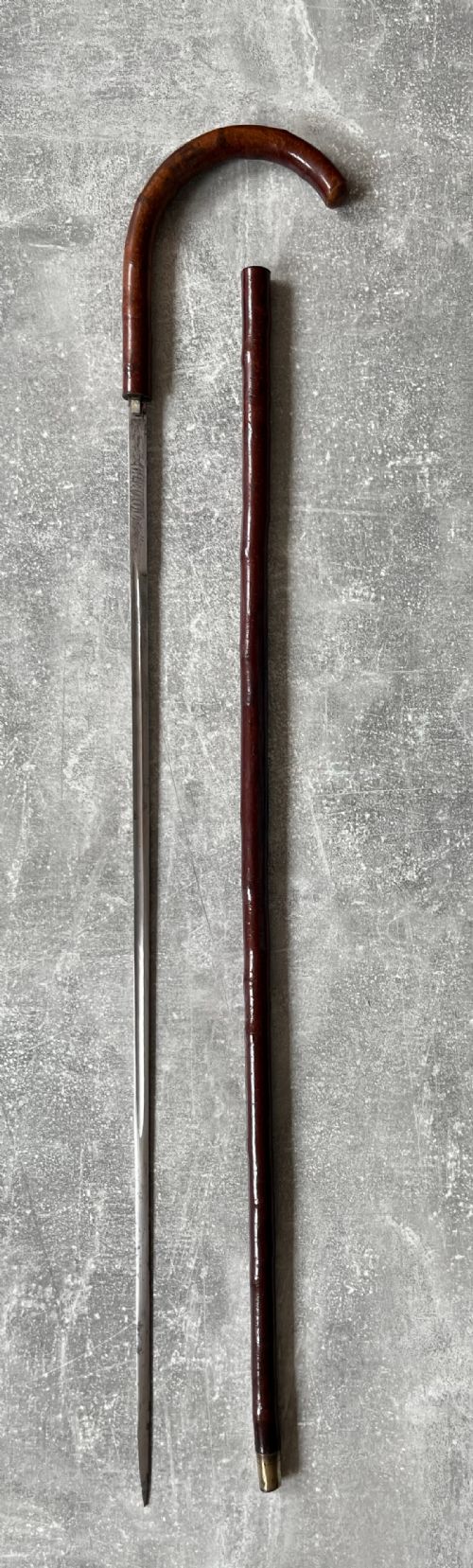
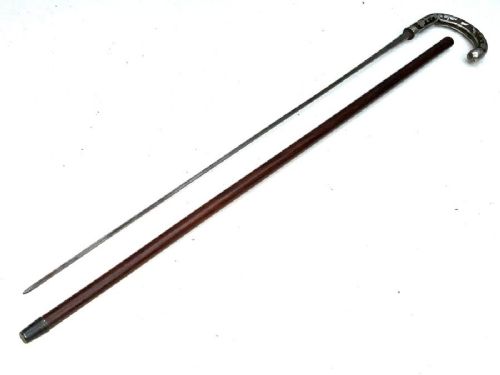
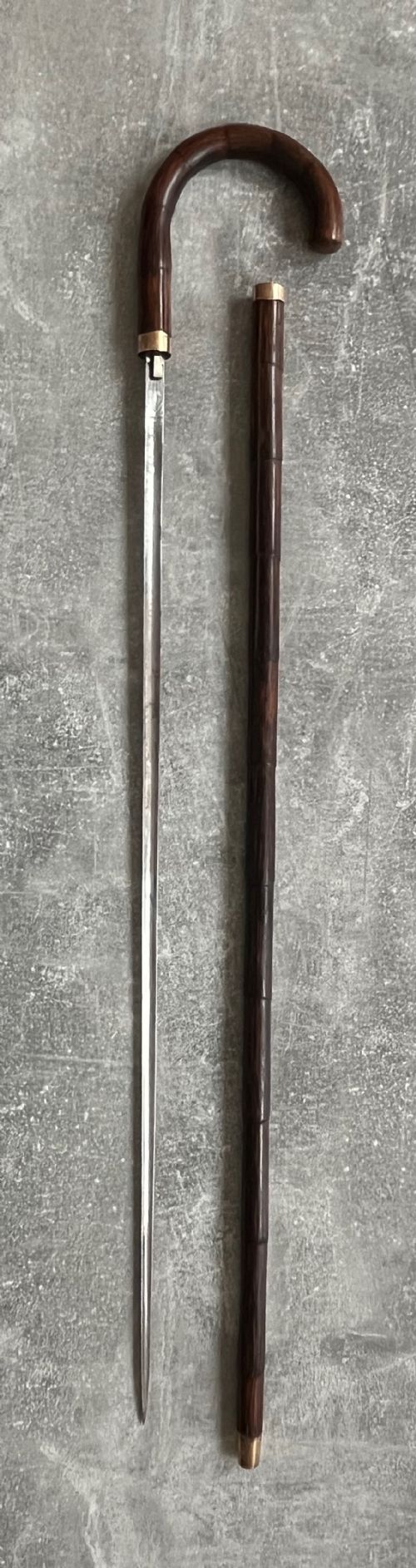
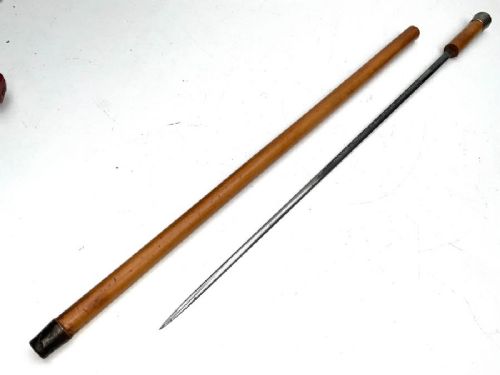
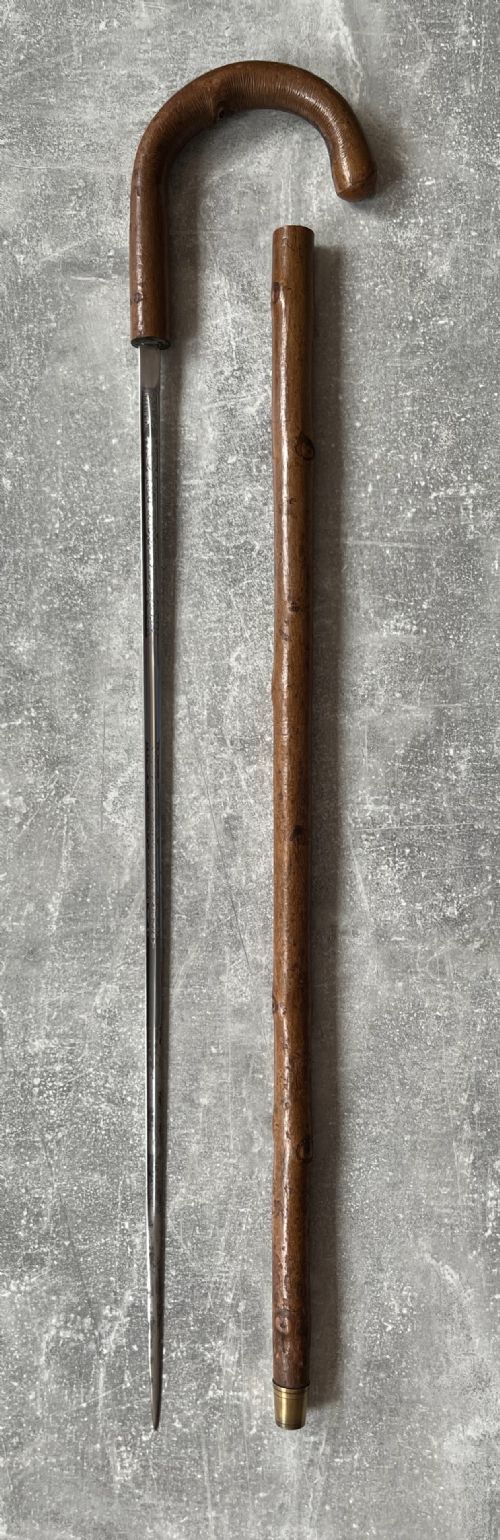
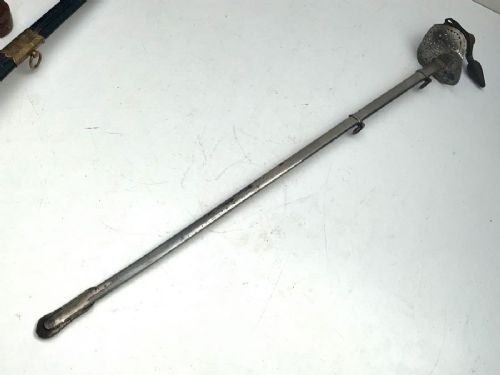
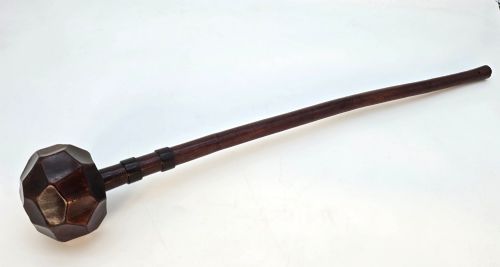
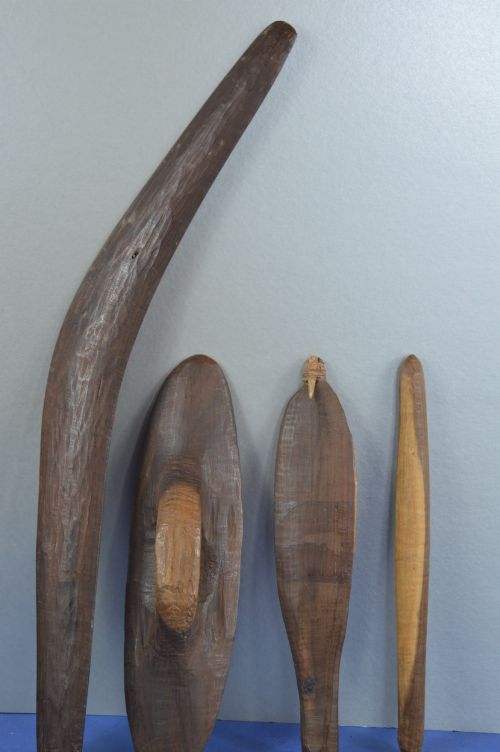
When you search for vintage weapon items, you encounter a specialised selection spanning walking sticks containing hidden blades, military sabres, flintlock pistols, and ethnographic clubs. The nineteenth century dominates these listings, particularly Victorian examples alongside Georgian, Edwardian, and early twentieth-century pieces.
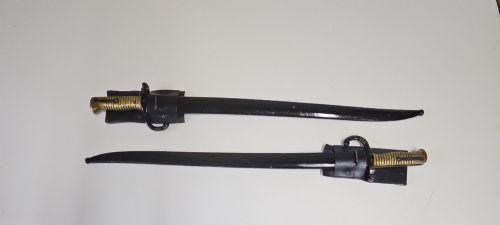
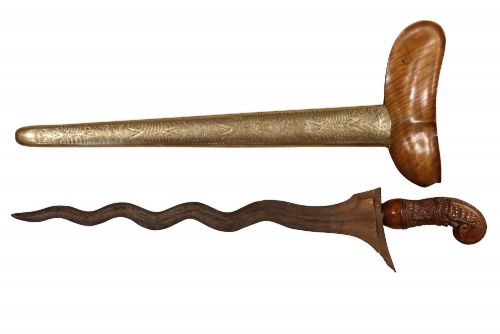
Walking sticks and sword sticks form a prominent category, often disguised as malacca, bamboo, or partridge wood canes with Toledo or Wilkinson blades. Alongside these, military hardware such as French bayonets, cavalry sabres, and percussion pistols sit next to traditional global items including African knobkerries, Malay krises, and Japanese swords.
How they were made
Makers utilised durable hardwoods such as walnut, cherrywood, hazel, and ebony for stocks and shafts, frequently mounting blades made from tempered steel. Brass, iron, gold, and silver appeared on guards, mounts, and lock plates.
Blades were often etched or forged with specialised Toledo and Wilkinson steel techniques, whilst canes incorporated functional button releases and horn or porcelain handles.
Vintage Weapon Retail Price Guide 2026
Typical asking prices for vintage weapon among the pieces listed under this phrase on Sellingantiques today, from the lower quarter to the upper quarter. They describe what is for sale here now, not the wider market.
Listings feature items dated from the sixteenth century up through the Second World War, spanning European military hardware and global ethnographic arts.
What varies in quality
Distinction across these pieces rests on the provenance of signed blades and the integrity of the hidden mechanisms within sword sticks. Maker signatures from known firms elevate a piece significantly above unmarked equivalents.
The choice of materials, from precious metal mounts and genuine porcelain handles down to standard timber shafts, dictates the overall refinement of the item.
Brigg·Wilkinson·E Thurkle of Soho·Harrison of London
The Vintage Weapon Glossary
- Sword stick
- A walking cane containing a concealed blade accessed via a screw or button release. It served as a discreet personal defence tool for gentlemen in the Victorian era.
- Flintlock
- An ignition mechanism used in firearms where a flint strikes a steel frizzen to create sparks that ignite the gunpowder charge.
- Bayonet
- A solid blade designed to attach to the muzzle end of a rifle for close-quarters combat.
- Knobkerrie
- A traditional southern African wooden club featuring a heavy knob at one end, used for hunting or combat.
- Wakizashi
- A traditional Japanese short sword carried by samurai, frequently mounted alongside a katana.
Vintage Weapon: Frequently Asked Questions
How do I open a sword stick?
Many examples utilise a simple button release or a threaded screw mechanism located near the collar to unlatch the blade from the cane shaft.
Care must be taken when drawing the steel blade to avoid damaging the interior wooden channel.
Were walking stick swords legal to carry?
Regulations regarding concealed weapons varied across the nineteenth century, though gentlemen often carried them for personal protection in urban environments.
Today, ownership laws depend heavily on local jurisdictions and the exact date of manufacture.
How do I maintain a steel blade?
Metal surfaces benefit from a very light application of preservative oil to prevent rust and corrosion from handling.
Storing pieces in dry conditions protects both the steel and the surrounding wooden scabbards or canes.
What is the difference between flintlock and percussion?
Flintlock mechanisms rely on a piece of flint striking steel to generate a spark for ignition.
Percussion systems, developed later, use a hammer to strike a percussion cap containing priming compound.