



Vintage Weapon Stick
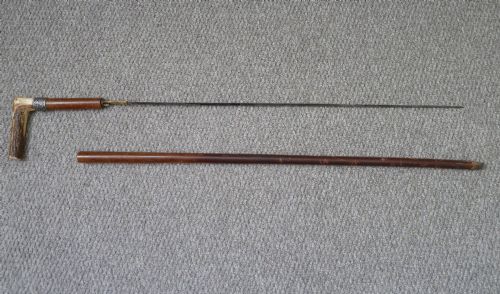
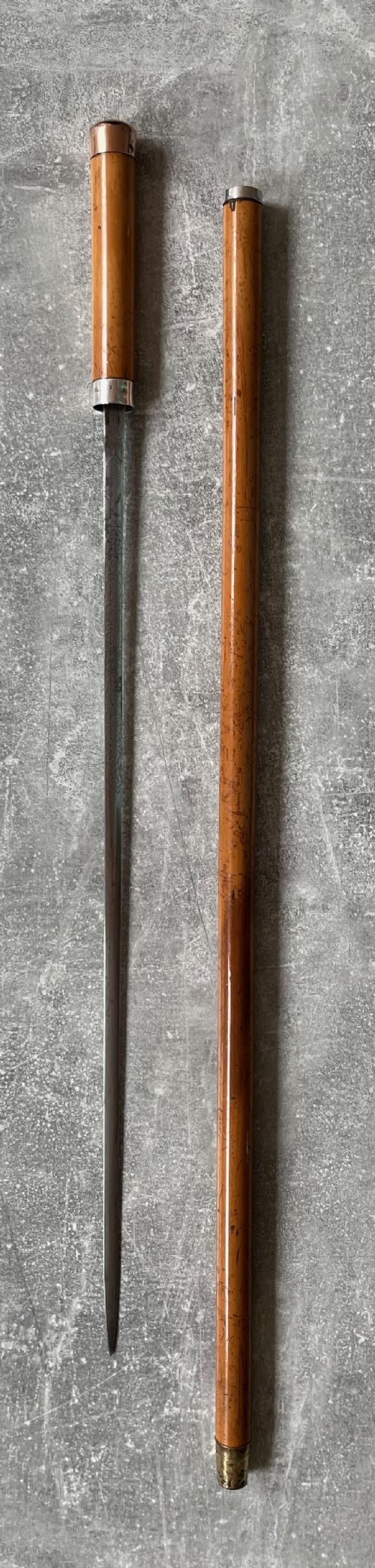
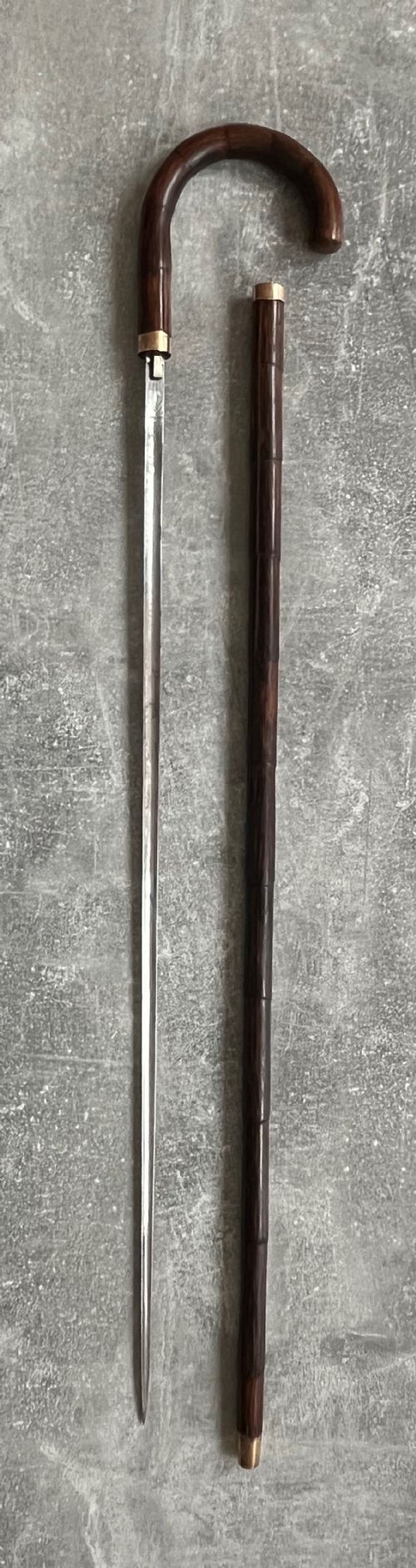
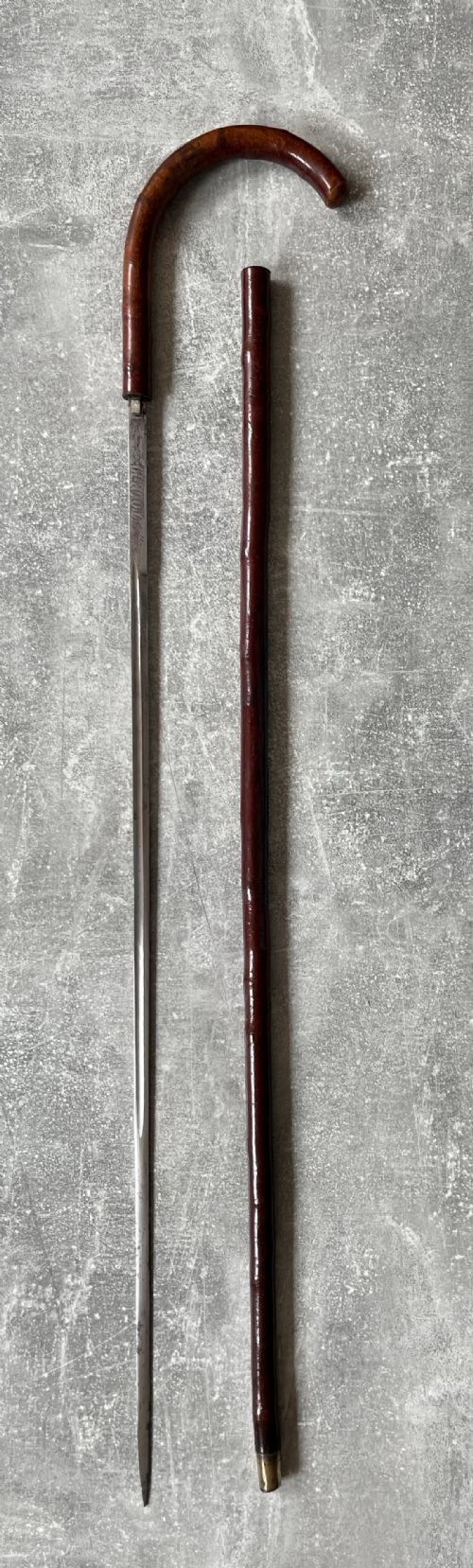
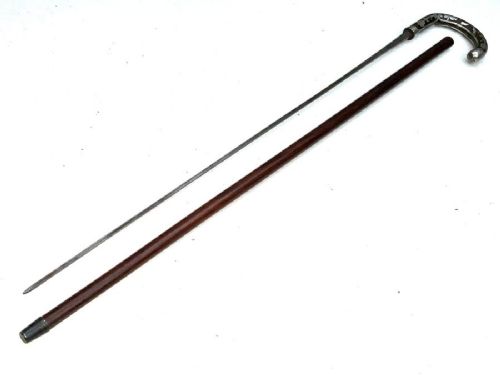
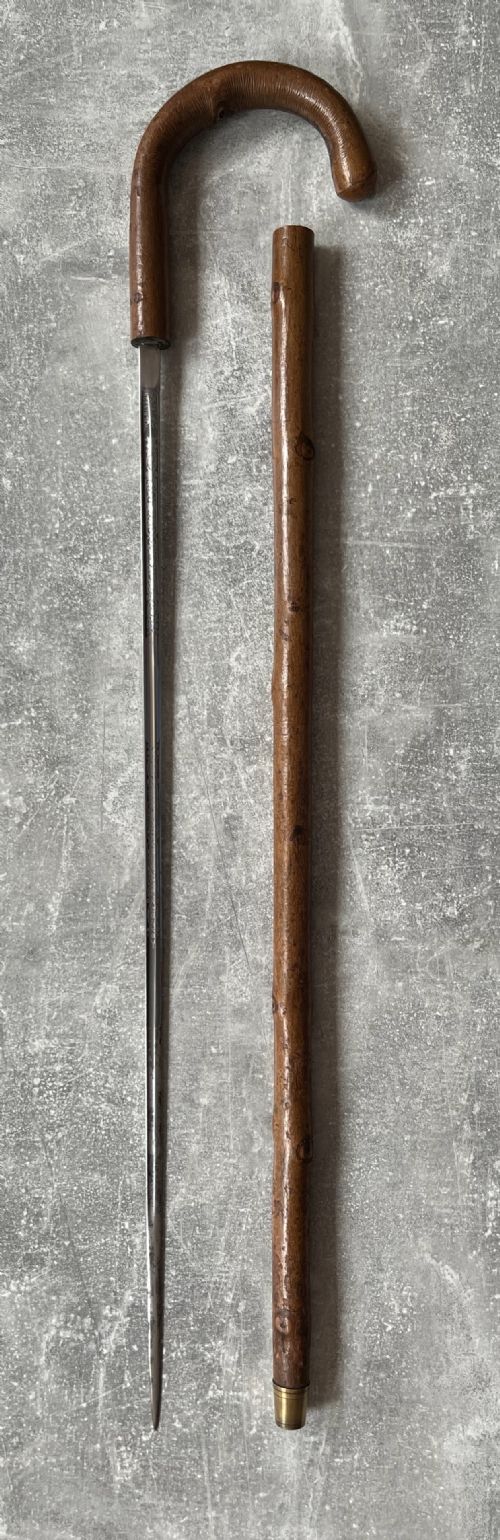
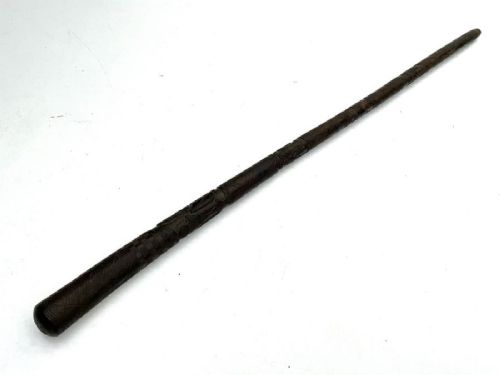
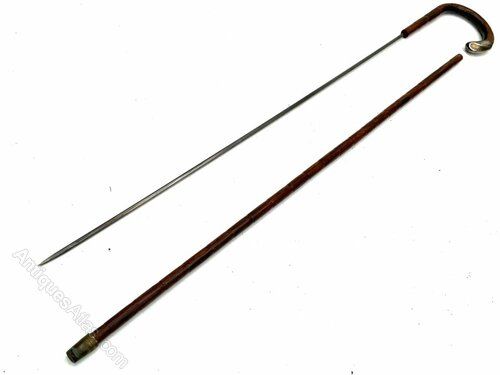
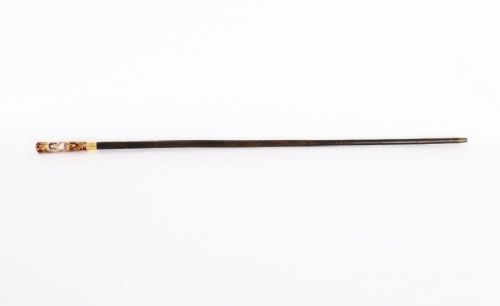
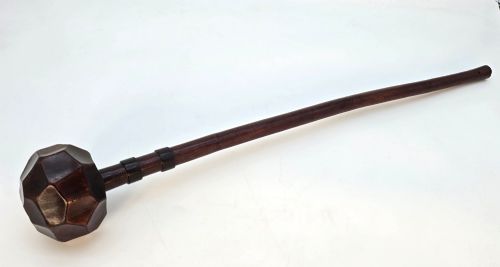
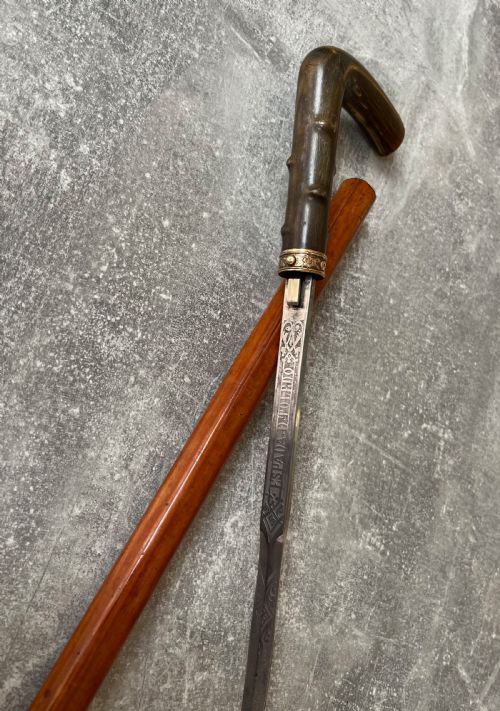
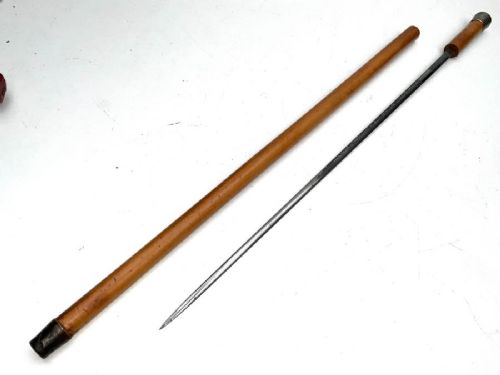
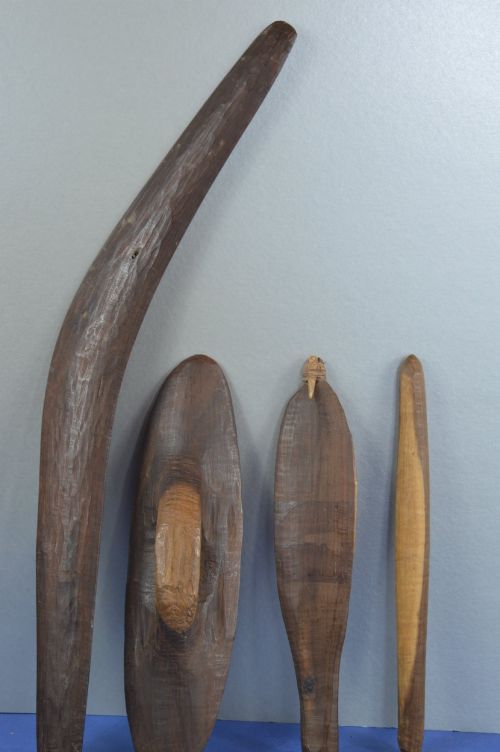
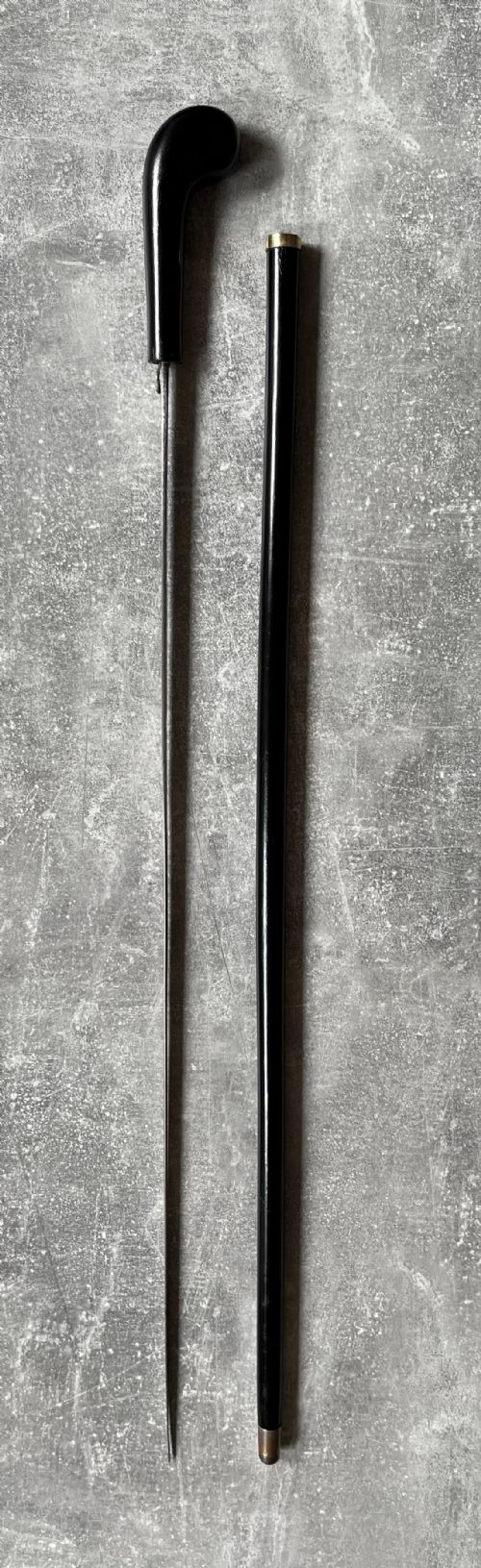
These vintage weapon stick examples combine the disguise of an ordinary gentleman's cane with a concealed steel blade or the blunt force of a tribal club.
Vintage Weapon Stick
A vintage weapon stick typically manifests as a gentleman's walking cane concealing a hidden sword blade, or as an authentic ethnographic club from various global traditions. Buyers seeking these items encounter a diverse array of forms, ranging from Victorian silver-mounted walking sticks with concealed Toledo steel blades to traditional throwing clubs from Southern Africa and Indigenous Australian implements. Most pieces on this page bridge the divide between self-defence implements of the nineteenth and early twentieth centuries and functional walking aids.
The nineteenth century yields the highest concentration of European sword sticks, often housed in malacca, bamboo, or ebonised wood shafts with horn or antler handles. Alongside these European examples sit items like Zulu knobkerries, Aboriginal nulla-nulla clubs, and Papua New Guinea highland fighting clubs originating from the same era. Each object reflects the specific cultural and social utility of its period, whether designed for covert urban protection or traditional regional combat.
Materials and construction
Shafts and handles utilise a combination of natural timbers like malacca, bamboo, cherrywood, partridge wood, and hazel, paired with mounts in silver, brass, and gold-coloured metal. Many European examples feature specialised housings covered in leather or snakeskin, fitted with horn, porcelain, or root-ended handles secured by button release mechanisms.
The internal blades rely on high-grade steel, frequently carrying etchings or originating from renowned makers and regions such as Toledo and Wilkinson. Ethnographic pieces lean upon dense native hardwoods, shaped and balanced for throwing or striking without metal components.
Materials documented across the inventory include steel, brass, silver, horn, malacca, bamboo, and various hardwoods such as rosewood and hazel.
Assessing quality and execution
Quality rests in the precision of the fit between the shaft and the blade, along with the integrity of the release mechanism. Superior pieces exhibit a seamless join where the handle meets the collar, hiding the internal blade entirely until the button or catch is engaged.
The refinement of the materials separates standard utilitarian pieces from exceptional examples. Finely etched steel blades paired with hallmarked silver mounts and carefully selected malacca or rosewood shafts denote a higher tier of nineteenth-century manufacture.
Brigg·Wilkinson·Kashi Japanese Masters
The Vintage Weapon Stick Glossary
- Toledo blade
- A steel blade originating from Toledo, Spain, known for its flexibility and strength. These blades were frequently imported for use in British and French walking sticks.
- Knobkerrie
- A traditional Southern African wooden club featuring a heavy knob at one end. They were utilised for hunting, protection, and ceremonial purposes.
- Nulla-nulla
- An Australian Aboriginal wooden club used for hunting and fighting. These items are carved from dense native hardwoods.
- Malacca
- A type of rattan cane originating from the region around Malacca in Malaysia, valued for its strength and resilience in walking stick shafts.
- Woomera
- An Australian Aboriginal spear-throwing device that acts as an extension of the arm to increase leverage and velocity.
Vintage Weapon Stick: Frequently Asked Questions
How do I release the concealed blade?
Many European sword sticks utilise a spring-loaded button release mechanism positioned near the collar of the cane. Pressing this catch disengages the internal locking mechanism, allowing the blade to slide smoothly from the wooden housing.
Other examples rely on a simple friction fit or a twist-lock action that requires a firm pull to separate the handle from the shaft.
What woods were used for the shafts?
Maker workshops utilised a broad selection of timbers depending on availability and desired flexibility. Malacca and various types of bamboo offered natural resilience and a lightweight frame for European sword sticks.
Hardwoods such as rosewood, cherrywood, hazel, and ebonised timber provided alternative finishes, while ethnographic clubs utilised dense native timbers chosen specifically for durability in combat.
How do I care for the metal blade?
The steel blade should be kept clean and lightly oiled to prevent oxidation within the wooden scabbard. Avoid storing the stick in damp environments, which can cause the internal timber to swell and trap moisture against the steel.
Periodically draw the blade to inspect both the metal surface and the internal channel for any accumulation of dust or debris.
Are these pieces dated accurately?
Dates rely on hallmarks, stylistic conventions, and documentation associated with the piece. Victorian and Edwardian examples often feature silver hallmarks that provide a precise year of assay.
Nineteenth-century ethnographic pieces are generally attributed through collected provenance and stylistic markers standard to their region of origin.