

Vintage Watercolor Painting
A vintage watercolor painting brings the delicate transparency and immediate touch of the artist's hand directly into your room.
Vintage Watercolor Painting
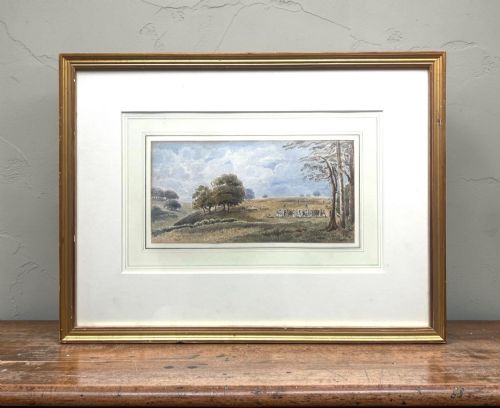
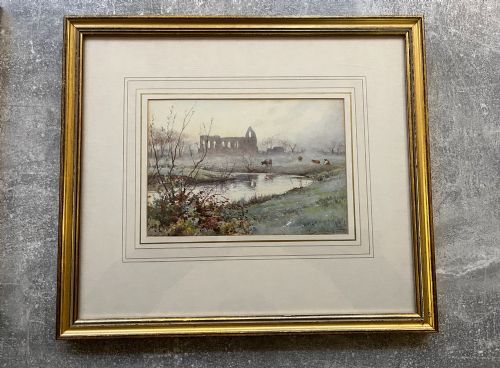
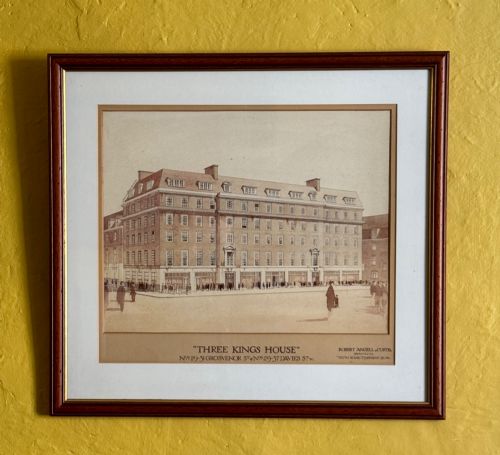
When you search for a vintage watercolor painting, you encounter works executed on paper, pith, and fabric using water-soluble pigments and ink. The selection spans the nineteenth century through the mid-twentieth century, encompassing Victorian naturalism, Edwardian landscapes, and architectural designs.
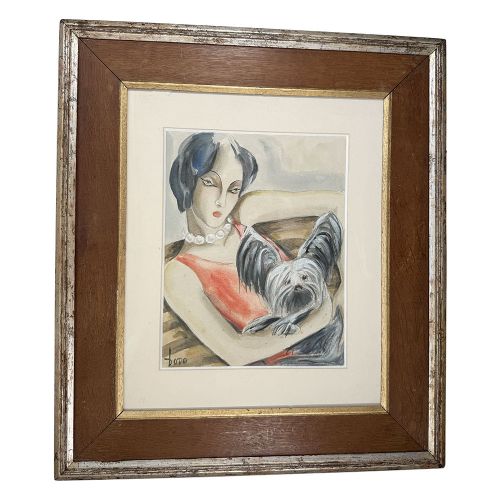
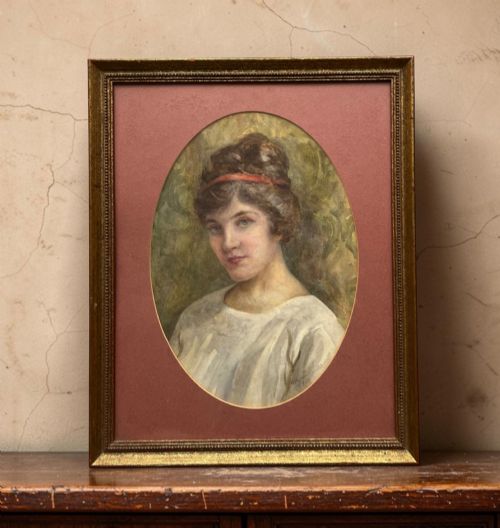
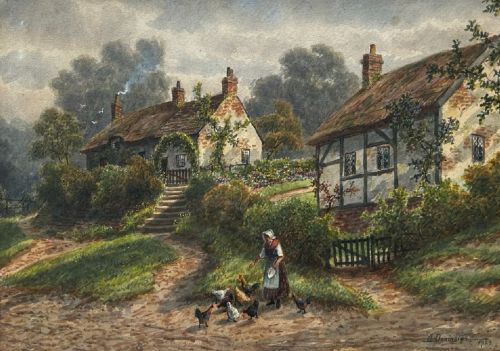
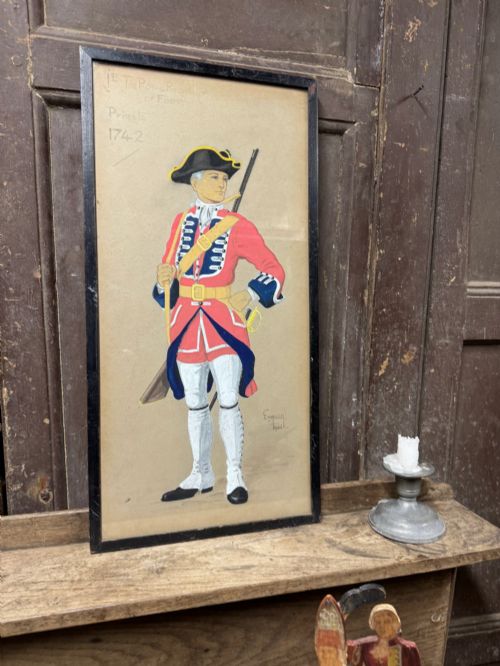
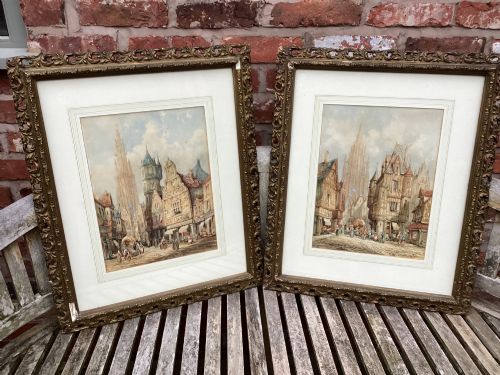
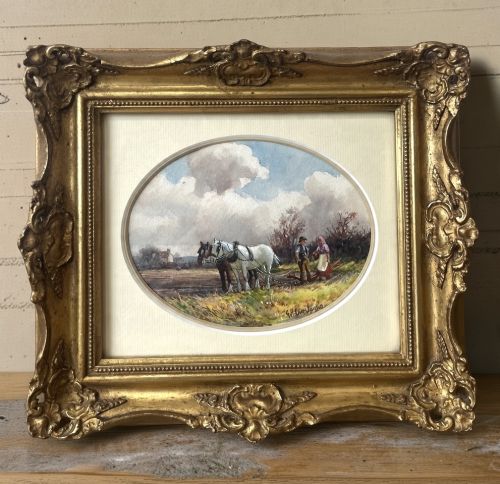
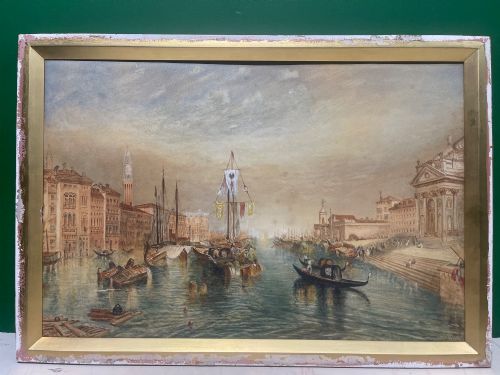
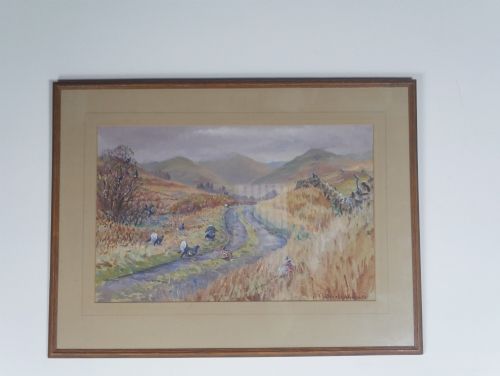
The subjects on this page range from cottage scenes, still lifes, and coastal views to portrait miniatures and Chinese export pith paintings. You are most likely to meet framed landscapes and floral compositions dating from the Victorian and Edwardian eras.
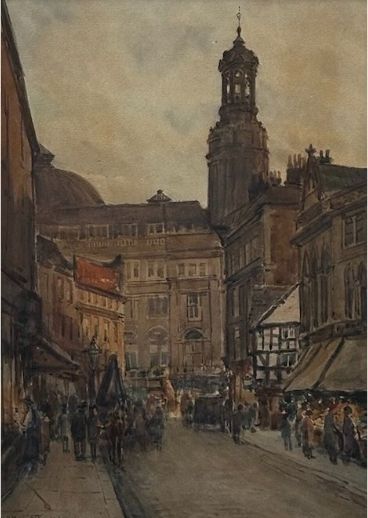
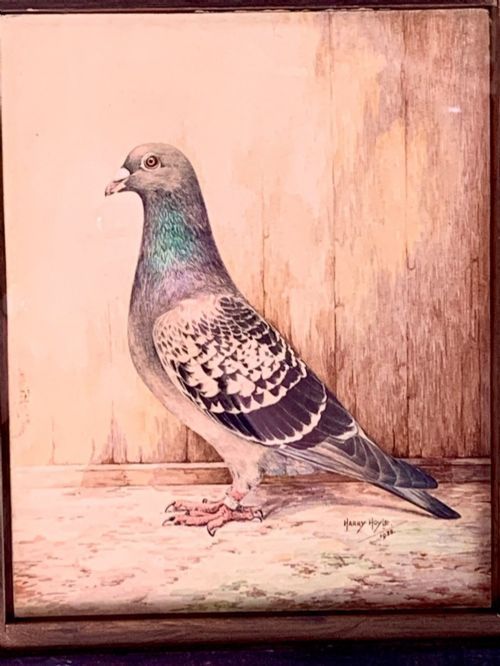
Originating from British, European, and Asian hands, these paintings capture subjects as varied as Scottish streetscapes, Italian harbours, and Indian birds. Each piece offers a direct record of the maker's brushwork upon paper or alternative supports.
Materials and technique
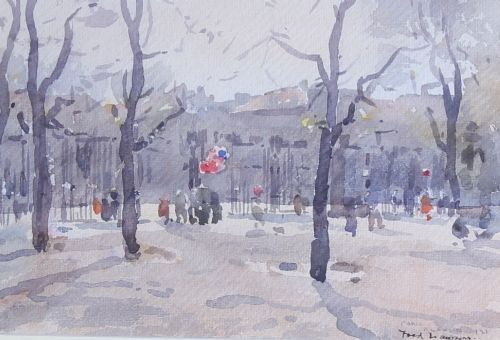
These works rely on watercolour pigments applied to paper, pith, or fabric, often accompanied by ink work to define details. Artists utilised fine brushes to build translucent washes, capturing light and atmosphere without heavy opaque layers.
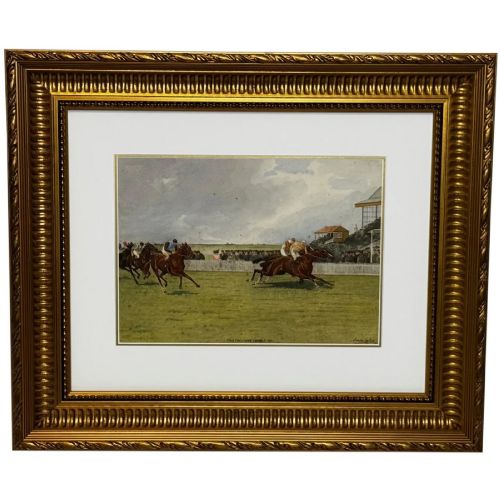
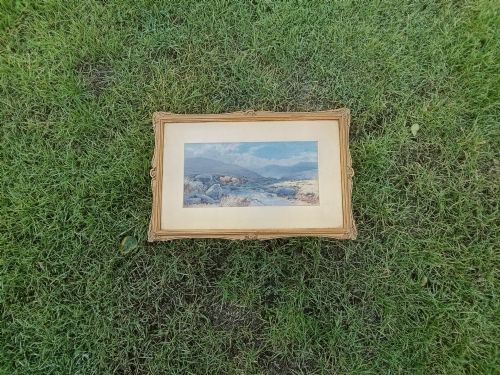
Many surviving examples are housed behind glass within wooden frames, sometimes accented by gilt wood mouldings that protect the paper surface from environmental damage. Artists' boxes from the period contain the cakes of pigment and gum arabic binder used to mix these tones.
Vintage Watercolor Painting Retail Price Guide 2026
Typical asking prices for vintage watercolor painting among the pieces listed under this phrase on Sellingantiques today, from the lower quarter to the upper quarter. They describe what is for sale here now, not the wider market.
Listings span the Regency, Victorian, Edwardian, and mid-twentieth-century periods, utilising paper, pith, and fabric.
Quality and execution
The distinction between standard works and finer examples lies in the confidence of the brushwork and the precision of the draughtsmanship. A superior painting demonstrates controlled washes and a keen command of light, whereas lesser pieces can appear static or overworked.
Context and attribution elevate certain works, such as signed sheets by recorded artists or detailed architectural designs with documented provenance. The preservation of the pigment's vibrancy against fading also distinguishes better-kept examples.
Charles Henry Slater·George Hughes·David Woodlock·Muriel Metcalfe·Thomas Fenwick·Henry Lines·W.L. Guest·George F Pennington·Philip Naviasky·Marjorie L Davies·K. Howitt·Thomas Rowden·Cuthbert Crossley·Alessandro Cittadini·William Taylor Longmire·Bruce Bairnsfather·George Lorain Stampa·Alfred Young Nutt
The Vintage Watercolor Painting Glossary
- Watercolour
- A painting method where coloured pigments are suspended in a water-soluble binder for application on paper. This medium allows for luminous washes and delicate colour blending.
- Pith painting
- Artwork created on the spongy interior substance of the pith plant, particularly associated with nineteenth-century Chinese export works. The material accepts watercolour pigment with a distinctive velvety texture.
- Gilt wood
- Timber frames finished with a thin layer of gold leaf or metallic gilt. This traditional framing method provides a reflective border suited to antique works on paper.
Vintage Watercolor Painting: Frequently Asked Questions
How do I care for antique watercolors?
Keep these paintings away from direct sunlight to prevent the watercolour pigments from fading over time. Maintaining stable indoor humidity levels also protects the paper support and prevents mould growth.
Ensure the backing board and glass remain sealed to keep out dust and atmospheric pollutants. Professional framing with acid-free materials preserves the integrity of the sheet.
Are these paintings always framed?
Many examples on this page arrive already framed behind glass within wood or gilt wood surrounds. This historic framing often forms part of the piece's character and provides essential protection.
Some unmounted sheets or collections appear as loose works on paper or bound sets. These unmounted items allow you to select custom conservation framing suited to your interior.
How can I tell Victorian from Edwardian pieces?
Victorian watercolours frequently lean towards narrative subjects, romantic landscapes, and detailed botanical studies. The palette often reflects a fondness for rich, sombre tones and elaborate naturalism.
Edwardian works tend to display lighter, airier palettes and looser brushwork influenced by impressionistic trends. Architectural designs and coastal scenes from this later period show a shift towards cleaner compositions.
What is a pith painting?
Pith paintings are historical Asian works executed on a delicate, fibrous plant material rather than standard paper. The cellular structure of the pith absorbs watercolour pigment to produce a unique, glowing surface.
These fragile sheets were often created for export during the nineteenth century, depicting local figures, birds, and trades. Due to the nature of the material, they require careful placement behind protective glass.