
Vintage Watercolor Art
Vintage watercolor art brings together paper, pigment, and ink to capture landscapes, portraits, and maritime scenes across the nineteenth and twentieth centuries.
Vintage Watercolor Art
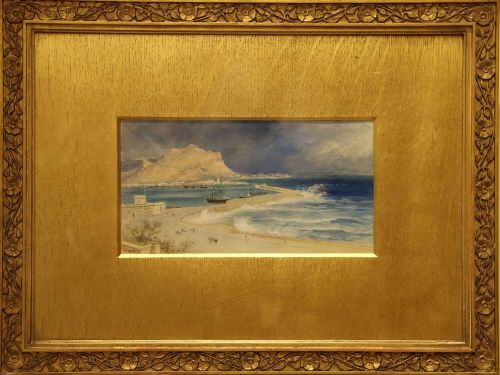
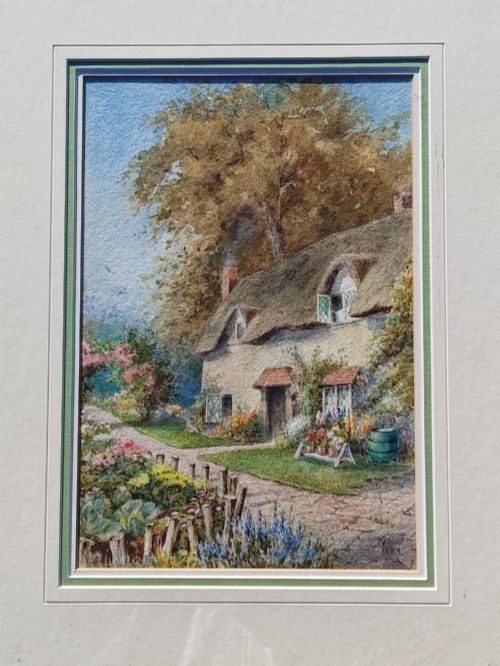
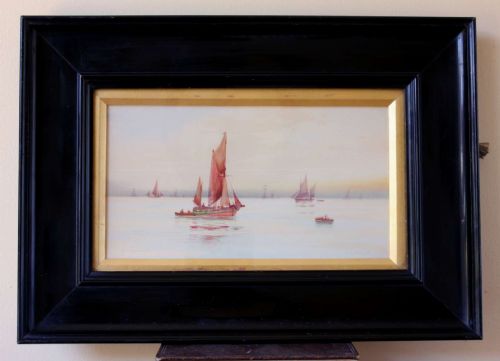
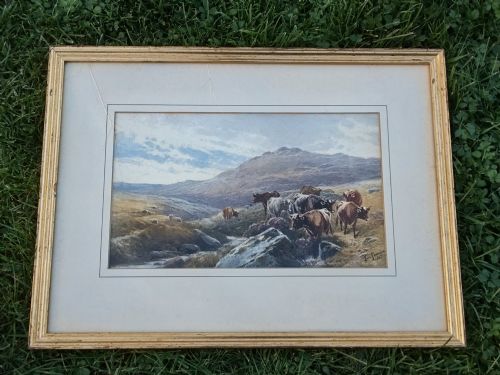
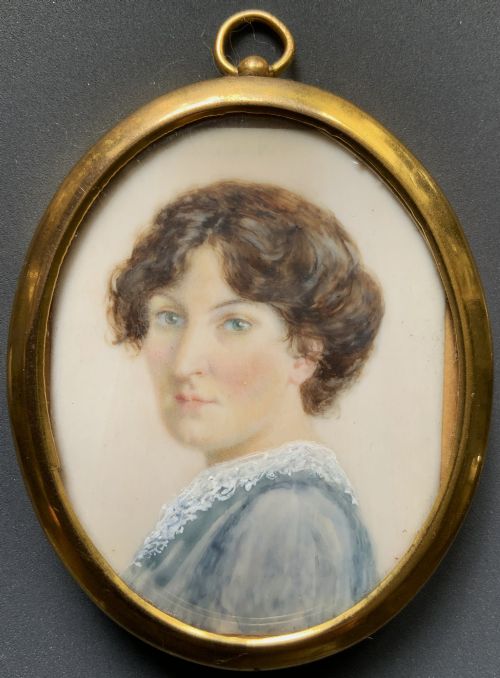
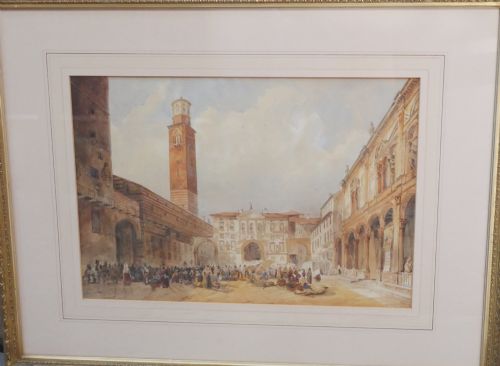
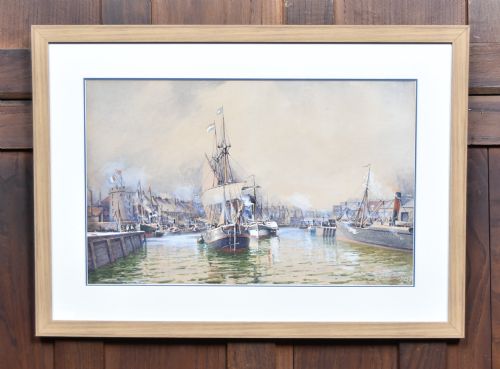
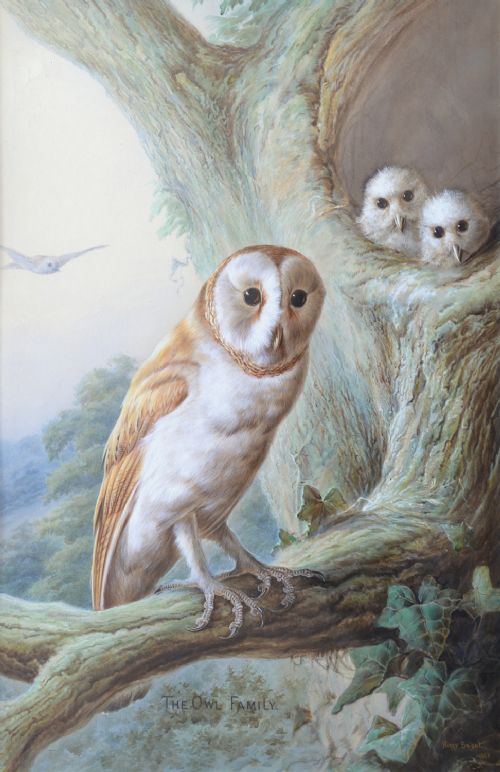
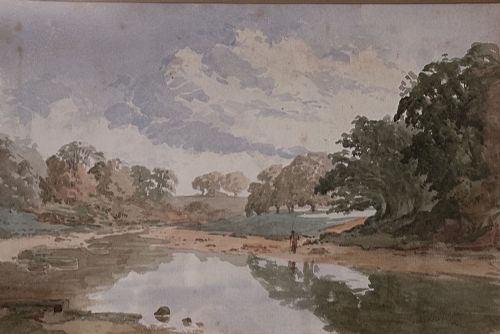
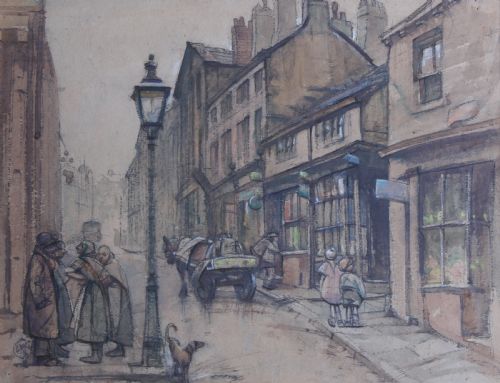
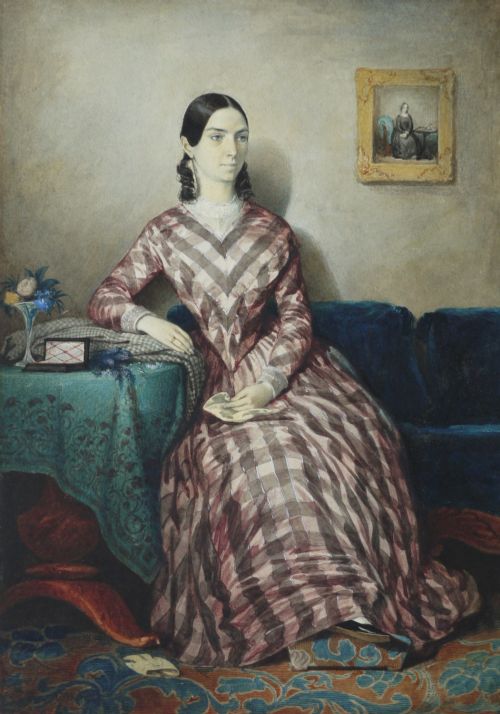
Vintage watercolor art encompasses framed paintings, portrait miniatures, and wall art produced during the nineteenth and twentieth centuries. Buyers encounter diverse subjects ranging from English country pastorals and Scottish harbours to botanical studies and illustrative works.
The selections span distinct periods including the Victorian era, Edwardian period, and mid-twentieth century modern movements. Works originate from British artists, European travels, and international schools including Bengali and Chinese traditions.
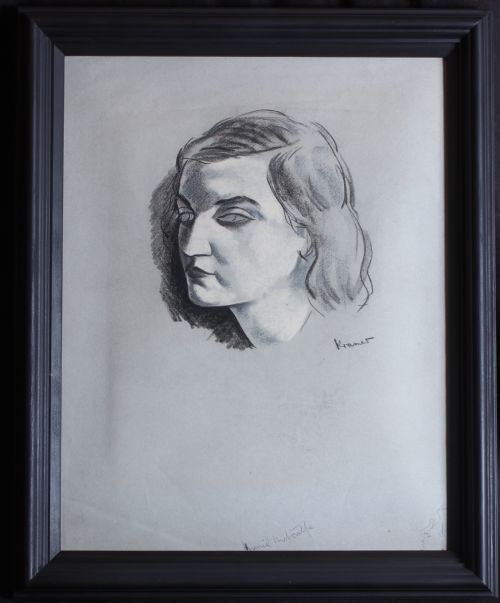
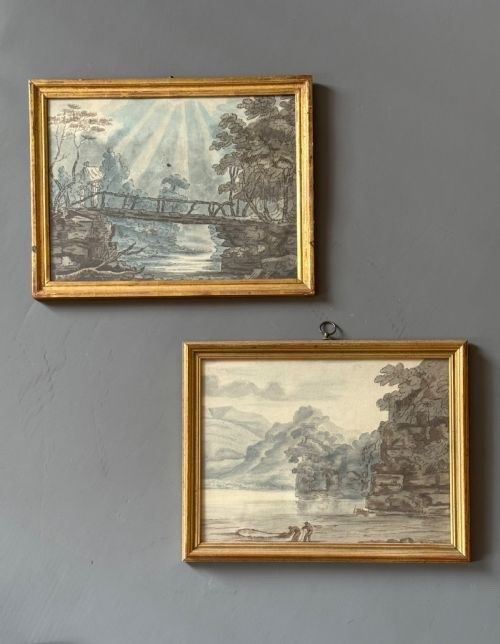
Framed examples frequently preserve signed compositions by named painters alongside anonymous sketches. Paper, wood, and glass housings protect these water-soluble pigment applications from environmental wear.
Materials and Technique
Artists applied watercolor pigment and ink onto paper supports, occasionally utilising fabric or pith as grounds for specialised regional works. Transparent washes built luminous tones while heavier bodycolour added opaque highlights to landscapes and portraits.
Signatures, dates, and inscriptions commonly appear in ink or pencil alongside the painted imagery. Protective framing utilised glass panes and wooden surrounds, sometimes incorporating gilt finishes to frame the paper works.
Listings feature paper supports, watercolour pigment, ink, and gilt wood frames spanning the nineteenth and twentieth centuries.
Factors of Quality
The strength of the composition and the surety of the brushwork separate accomplished paintings from routine sketches. Masterful handling of light and atmospheric perspective defines superior landscape and maritime scenes.
The preservation of the paper support and pigment vibrancy greatly influence the visual impact of each piece. Original framing and documented artist attribution further elevate the standing of individual works.
Marjorie L Davies·Thomas Rowden·Jacob Kramer·Fred Lawson·John Hassall·Eric Tufnell
The Vintage Watercolor Art Glossary
- Watercolour pigment
- Finely ground colorants suspended in a water-soluble binder. This medium allows artists to create transparent washes and delicate tonal gradations on paper.
- Gilt wood
- Timber framing treated with gold leaf or metallic paint. It provides a decorative border designed to complement the tones within the framed artwork.
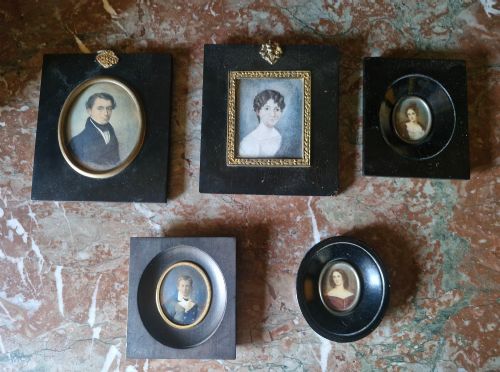
- Portrait miniature
- A small-scale painted likeness executed with meticulous detail. These intimate works frequently feature sitters from the nineteenth and early twentieth centuries.
- Pith painting
- Artwork created on porous plant material derived from rice paper plants. These delicate sheets absorb watercolor pigments to produce vibrant figural scenes.
Vintage Watercolor Art: Frequently Asked Questions
How should I hang vintage watercolor art?
Position paintings away from direct sunlight to prevent the pigments and paper supports from fading over time.
Ensure rooms maintain stable humidity levels to protect the antique paper and wooden frames from moisture damage.
Are these paintings signed by the artist?
Many examples feature original signatures, monograms, or artist inscriptions written in pencil or ink near the margin.
Other historical works remain unsigned while still displaying distinct regional styles and period characteristics.
What subjects are most common?
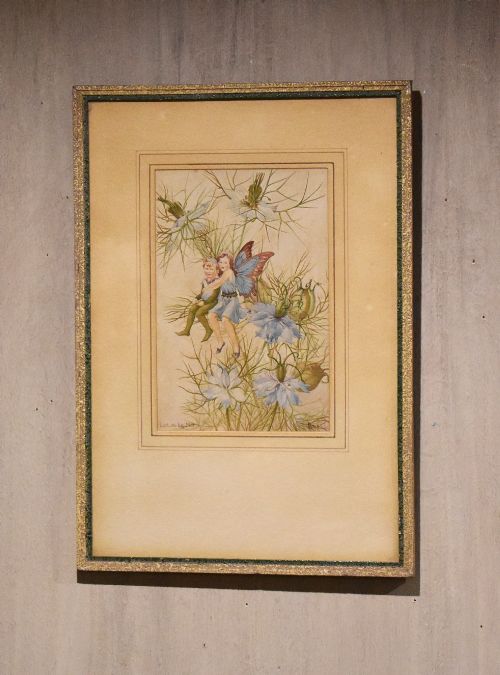
Landscapes, coastal harbours, and pastoral countryside views appear frequently alongside botanical flower studies and portrait miniatures.
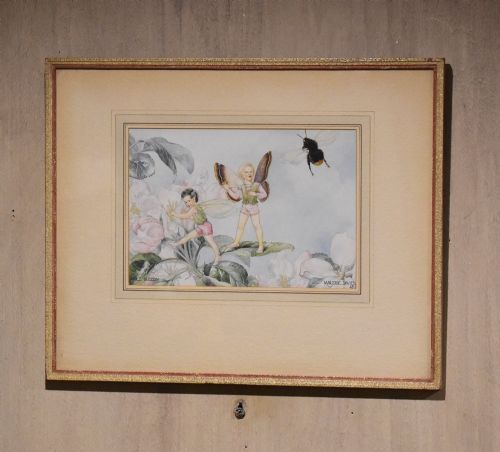
Illustrative works and maritime battle scenes also represent significant categories within twentieth-century production.
How do I identify the age of a piece?
Examine the paper type, framing materials, and any handwritten dates or inscriptions recorded on the reverse of the work.
Stylistic markers and costume details in portraits offer reliable clues to nineteenth and twentieth-century periods.