






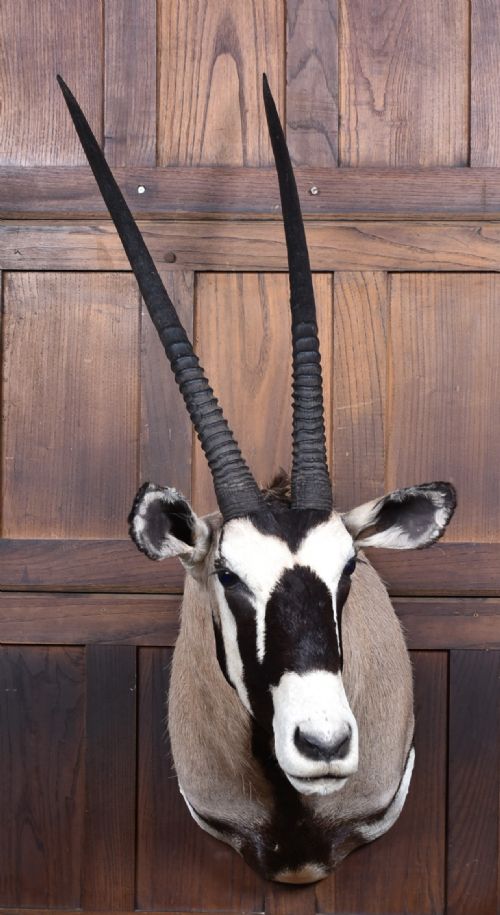
Vintage Wall Trophy
These vintage wall trophy pieces combine natural history and historic craftsmanship to bring architectural character and rustic depth to an interior wall.
Vintage Wall Trophy
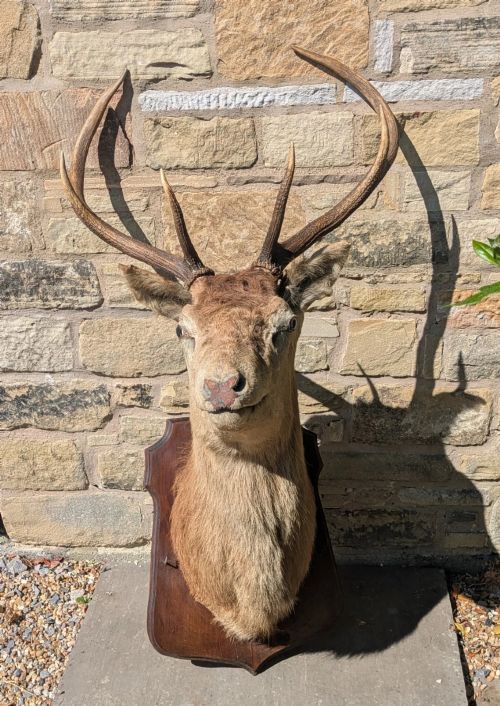
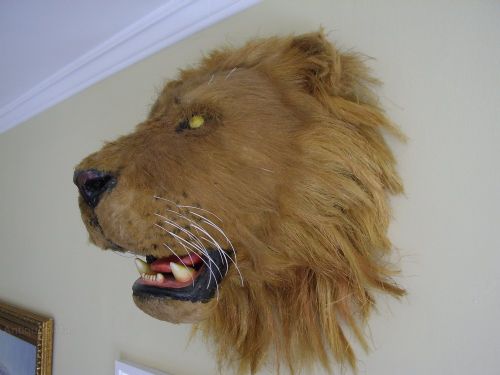
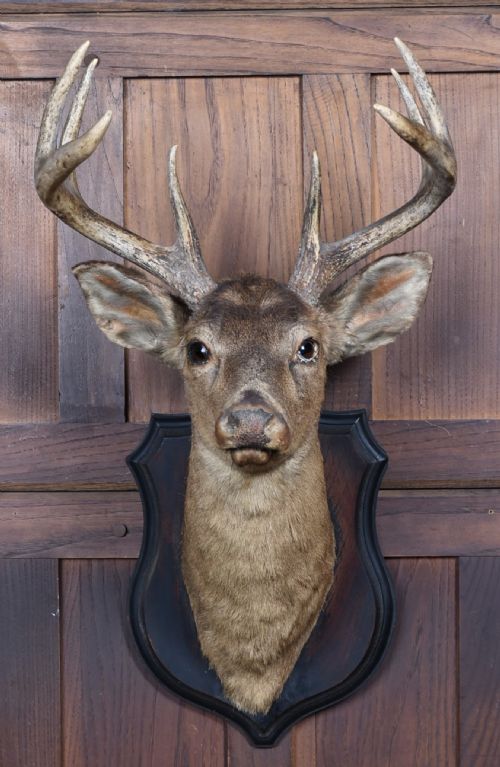
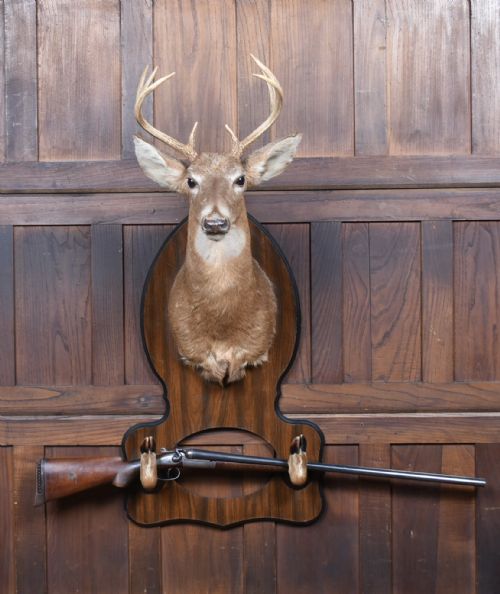
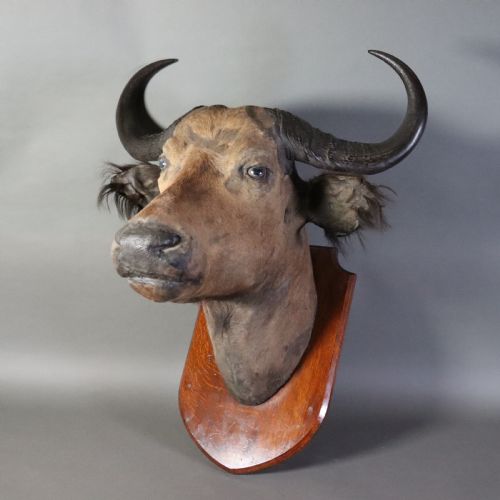
A vintage wall trophy comprises mounted animal heads, horns, and carved wooden plaques designed to hang directly on interior surfaces. These items originate from periods ranging from the Victorian era through the mid-twentieth century.
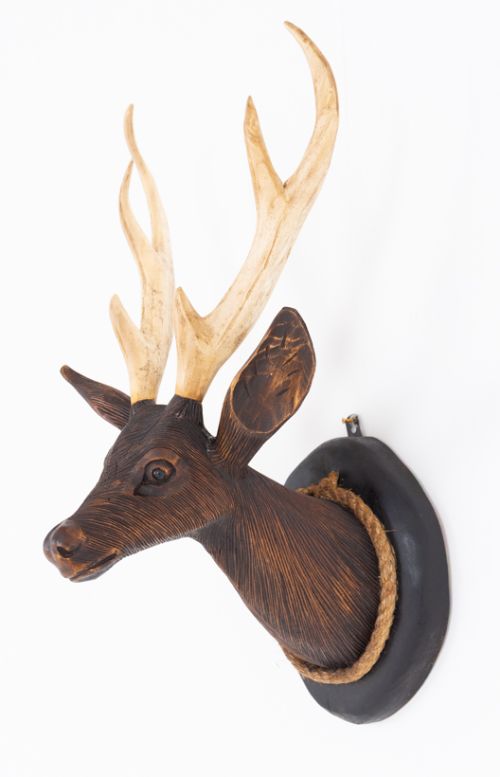
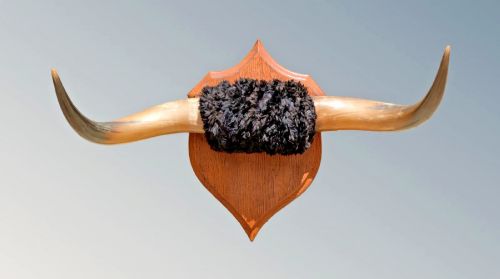
The selections encountered here most frequently include deer heads, antelope horns, and carved wooden hunting plaques. These examples span styles such as Black Forest, Edwardian, and traditional highland lodge aesthetics.
Makers and taxidermists mounted these specimens on wooden shields, oak mounts, or carved panels. The resulting forms function as both natural history specimens and interior wall decor.
How they were made
Taxidermists utilised natural hides, fur, horn, bone, and glass eyes to form realistic animal mounts over internal structures. These biological materials required careful preservation and fitting to maintain anatomical proportion.
Woodworkers carved oak, pine, and various hardwoods into shields and decorative plaques to support the weight of antlers and skulls. Black Forest examples often feature deep, hand-carved foliage and animal motifs surrounding the central mount.
Vintage Wall Trophy Retail Price Guide 2026
Typical asking prices for vintage wall trophy among the pieces listed under this phrase on Sellingantiques today, from the lower quarter to the upper quarter. They describe what is for sale here now, not the wider market.
Several mounted foxes wear expressions of eternal mild surprise, as though suddenly interrupted mid-hunt by an unexpected tea party.
What varies in quality
The anatomical accuracy and natural expression of the taxidermy separate superior examples from simpler work. Master taxidermists captured lifelike musculature and eye detail that lesser practitioners missed.
The depth and complexity of the wood carving on the shield or plaque dictate the artistic merit of the piece. Crisp, deeply undercut foliage on Black Forest mounts indicates higher skill than flat or machine-cut backing boards.
Gerrard and Sons London·Edward Gerrard and Sons·Peter Spicer and Sons·P Spicer and Sons
The Vintage Wall Trophy Glossary
- Taxidermy
- The art of preparing, stuffing, and mounting the skins of animals with lifelike effect. This practice forms the basis of most wall trophy mounts.
- Black Forest style
- A nineteenth-century carving tradition originating in Switzerland and Germany known for realistic depictions of wildlife and foliage. These pieces often feature intricately carved wooden stags and oak leaves.
- Shield
- A wooden wall mount shaped like a heraldic shield used to display antlers or animal heads. Oak is a common material for these structural backs.
- Fox mask
- A preserved and mounted head of a fox, typically including the neck and ears. Famous taxidermy firms frequently mounted these on simple wooden backing blocks.
- Antlers
- The deciduous bony growths shed and regrown by deer annually. Large sets feature multiple points that collectors use to gauge the scale of the animal.
Vintage Wall Trophy: Frequently Asked Questions
How do I hang a heavy taxidermy mount?
These pieces require secure anchoring directly into wall studs or heavy-duty masonry fixings due to the substantial weight of the wood shields and bone structures.
Ensuring the hanging wire or bracket matches the load capacity prevents damage to both the wall and the antique specimen.
How should I clean antique taxidermy?
Dust the hair and horns gently using a soft, dry brush or a low-suction vacuum attachment. Avoid water, harsh chemicals, or direct sunlight to protect the historic hide and glass eyes.
Treating the wooden shields with appropriate furniture wax keeps the carved surfaces nourished without affecting the mounted specimen.
How do I identify a Black Forest carving?
Look for deep, realistic hand-carvings of forest motifs such as oak leaves, acorns, and ivy surrounding the animal skull or antlers. The wood is typically dark walnut or oak with a rich, historic patina.
These pieces often originate from the nineteenth century and reflect Swiss or German woodland craft traditions.
What is the difference between antlers and horns?
Antlers are made of bone, are shed and regrown annually by members of the deer family, and usually feature multiple branches or points. Horns consist of a keratin sheath over a bony core, grow continuously throughout life, and are found on animals like antelopes and cattle.
Both forms appear frequently mounted on wooden shields throughout these listings.