




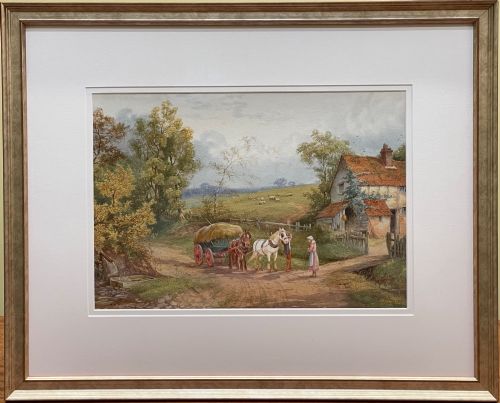
Vintage Wall Frame
A vintage wall frame is not simply a border for art, but a historic object that brings depth and period character to a room.
Vintage Wall Frame
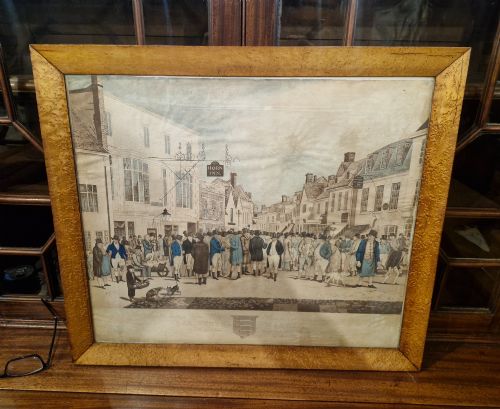
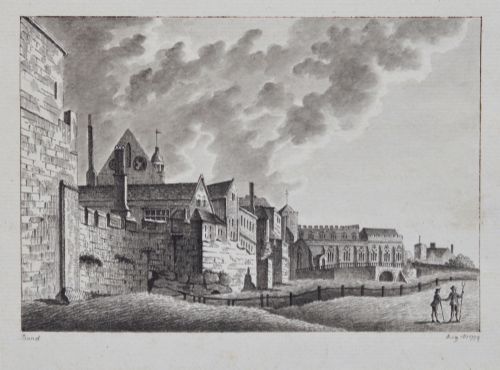
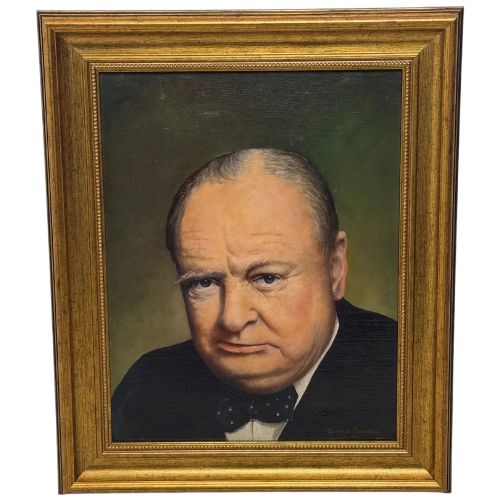
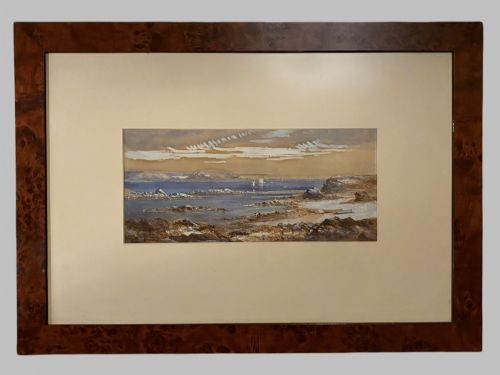
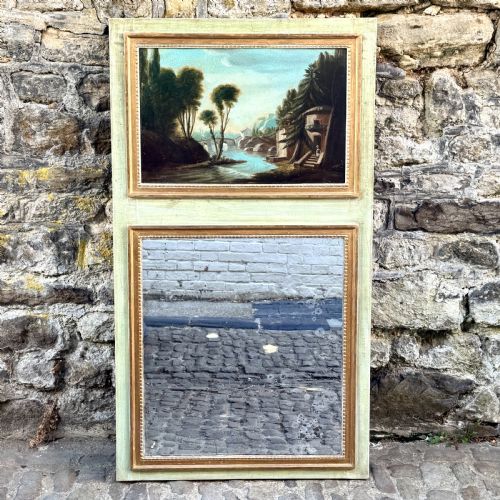
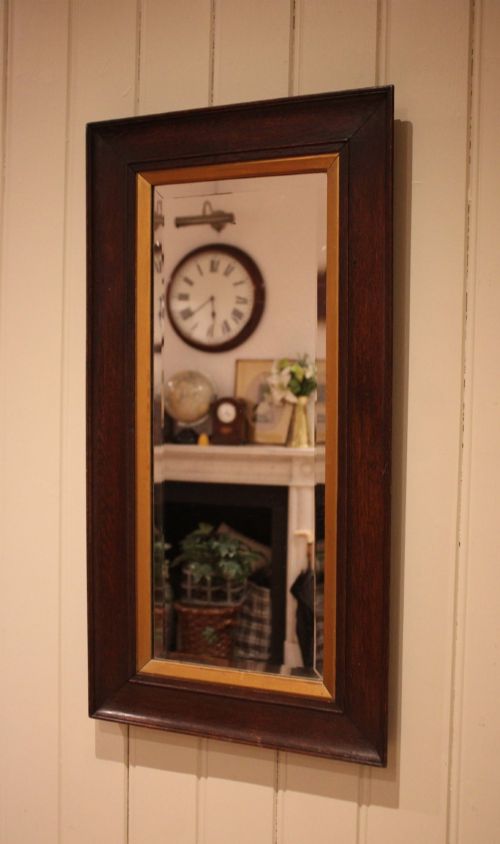
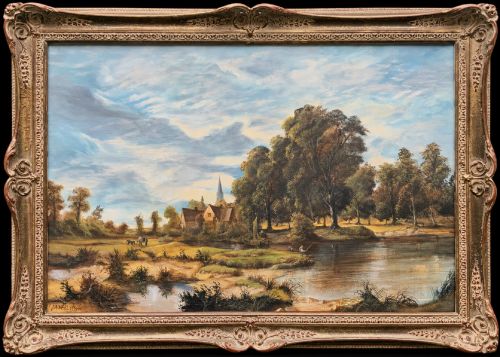
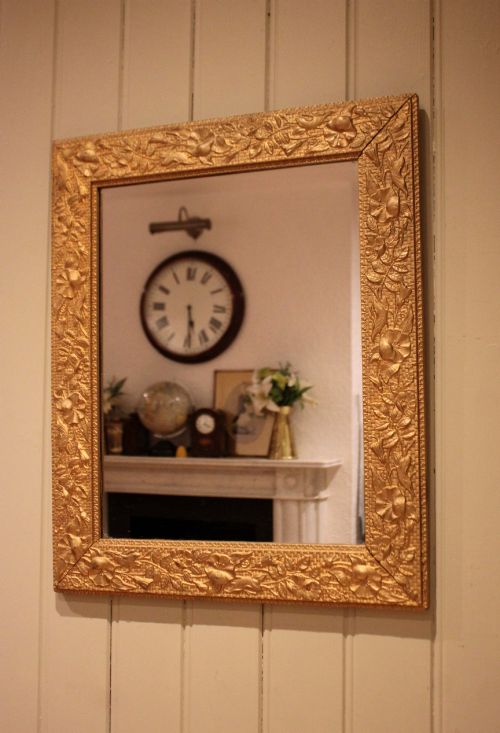
When you search for a vintage wall frame, you encounter a diverse selection of mirrors, paintings, watercolours, textiles, and panels spanning several centuries. The pieces range from grand gilded overmantels to intimate watercolours, architectural designs, and hand-stitched needlework.
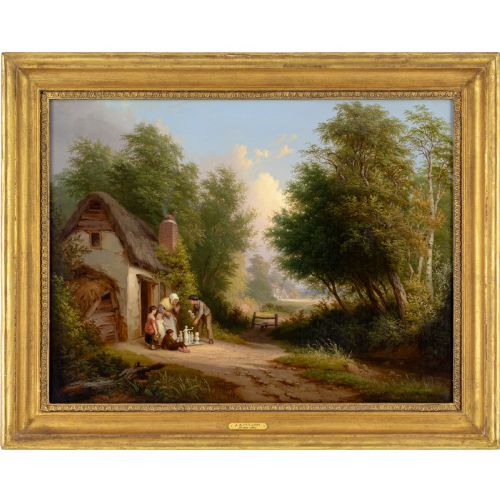
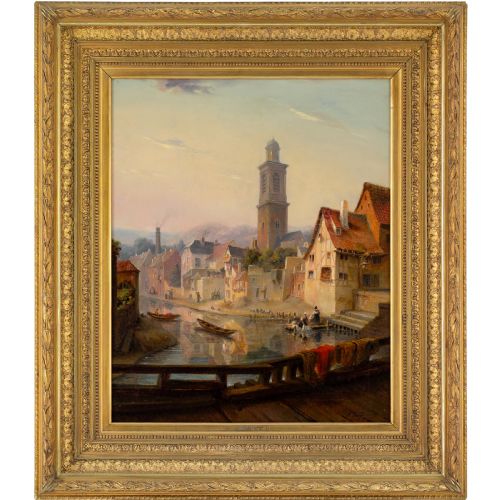
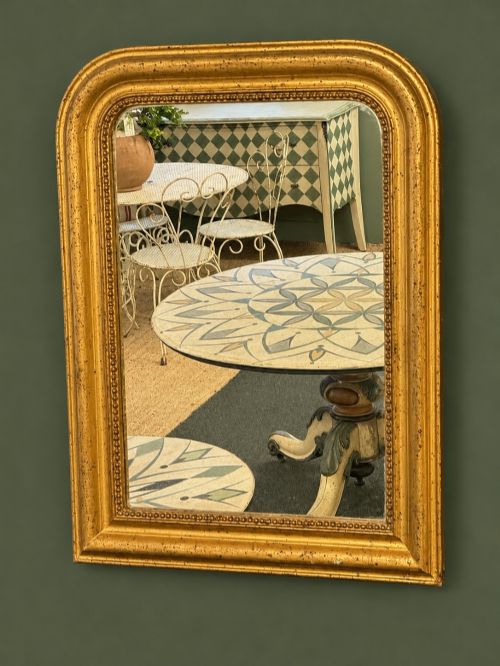
The most common iterations on this page are wall mirrors and framed artworks dating from the nineteenth century through the mid-twentieth century. You will frequently find French Louis Philippe mirrors, Regency convex plates, Victorian oil paintings, and twentieth-century works on canvas or board.
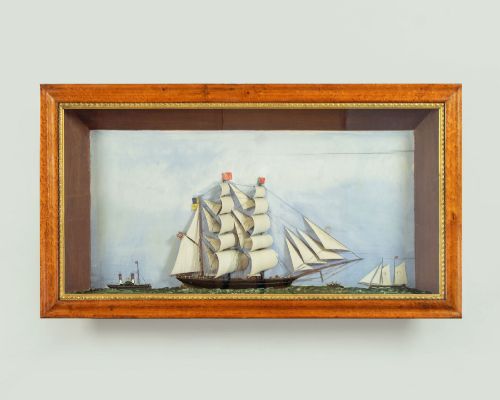
Beyond standard picture framing, these selections incorporate ships dioramas, pith paintings, ceramic wall reliefs, enamel on copper, and antique trade signs. Each item combines structural support with decorative intent, designed specifically to hang upon a wall.
Materials and construction
Makers constructed these frames and mounted artworks using traditional materials such as carved wood, gesso, giltwood, and gilt metal. Carved wooden structures often received layers of gesso before being painted, gilded, or ebonised to achieve a polished finish.
Mirrors utilise heavy glass plates, sometimes with bevelled edges or convex curves, secured into frames of mahogany, oak, or pine. Paintings and watercolours employ canvas, paper, or board as a base for oil paint, pastel, or watercolour pigments.
Textile arts, including Spitalfields silk, needlework panels, and Persian embroidery, rely on specialised backing and framing techniques to tension the fabric securely. Gilt bronze and brass appear on select continental metal frames of the late nineteenth and early twentieth centuries.
Vintage Wall Frame Retail Price Guide 2026
Typical asking prices for vintage wall frame among the pieces listed under this phrase on Sellingantiques today, from the lower quarter to the upper quarter. They describe what is for sale here now, not the wider market.
Several vintage frames come occupied by unexpected residents, including a Victorian bird's nest of primroses and a nineteenth-century parrot.
Assessing quality and craftsmanship
The distinction between ordinary and exceptional frames lies in the depth and precision of the hand-carved wood and gesso ornamentation. Finer examples display crisp, undercut detailing on foliage, scrolls, and rococo motifs rather than flat or purely moulded surfaces.
Original finishes and surface patinas heavily influence the character of an antique piece. Retaining the original gilding, ebonisation, or subtle paint layers without inappropriate modern overpainting indicates a higher degree of preservation.
Proportion and scale dictate visual success, particularly in large mirrors and convex plates where the balance between the frame width and the reflective glass surface requires careful design. Master craftsmanship is evident in the structural joinery at the corners and the stability of the hanging mechanisms.
Charles Henry Slater·Emily Eyres·Louis Reid Deuchars·Henri Joseph Pauwels·Andrew Beer·Henk Potters·Nella Damsma·André Minaux·Moss Williams·Achille Bron·John Stone
The Vintage Wall Frame Glossary
- Giltwood
- Wood that has been coated with gold leaf or a gold-coloured metallic finish. This technique was widely utilised on ornate mirrors and formal picture frames throughout the eighteenth and nineteenth centuries.
- Gesso
- A plaster-like mixture applied to wood frames to create a smooth surface for gilding or painting. Artisans carved intricate decorative motifs directly into the dried gesso layer.
- Louis Philippe
- A mid-nineteenth-century French style characterised by clean architectural lines, often featuring an arched top and restrained carved decoration. These mirrors are practical and integrate easily into diverse interior schemes.
- Convex plate
- A circular mirror glass curved outward to provide a wide, fish-eye reflection of the room. Popular during the Regency period, these plates were typically set within heavy frames featuring applied ball decorations.
- Overmantel
- A large mirror or painting designed specifically to hang on the wall directly above a fireplace mantelpiece. They frequently span significant widths to anchor the hearth area within a room.
Vintage Wall Frame: Frequently Asked Questions
How do I tell a Regency mirror from a Victorian one?
Regency mirrors often feature classical architectural influences, such as convex plates with sphere-adorned frames, ebonised reeded details, or bold circular proportions. They reflect the early nineteenth-century preference for neat, balanced geometry.
Victorian frames tend toward heavier scale, elaborate floral carvings, and rich gilding or deep walnut and mahogany tones. Their ornamentation is typically more exuberant and varied, reflecting the eclectic design revivals of the later nineteenth century.
Can I place an antique wall frame in a bathroom?
High humidity and fluctuating temperatures in bathrooms can damage historic wood, gesso, and fragile gilding over time. Moisture causes gesso to soften and wood to warp or crack, while mirror silvering can develop dark foxing spots.
If you choose to hang a vintage frame in a bathroom, ensure the room has excellent ventilation and keep the piece away from direct water splashes and steam sources.
What is foxing on an antique mirror?
Foxing refers to the small brown spots and patches that develop behind the glass plate as the silver backing degrades. This chemical oxidation occurs naturally over decades due to exposure to air and moisture.
Many collectors appreciate foxing as proof of age and authenticity, as it imparts a soft, dreamy quality to the reflection rather than detracting from the piece.