



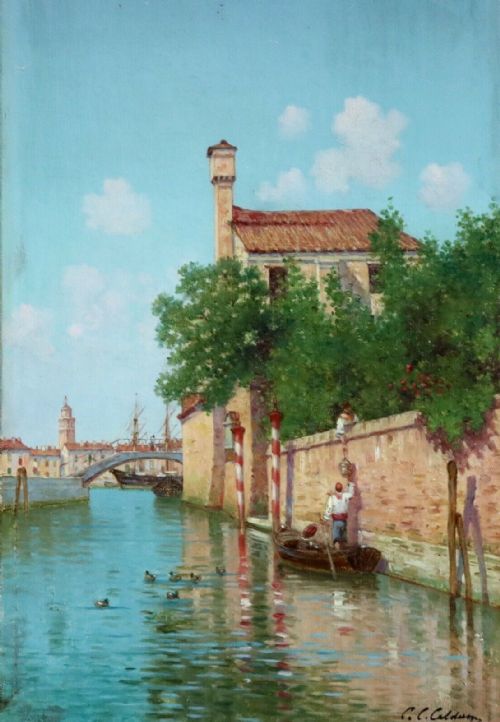


Vintage Venetian Artwork
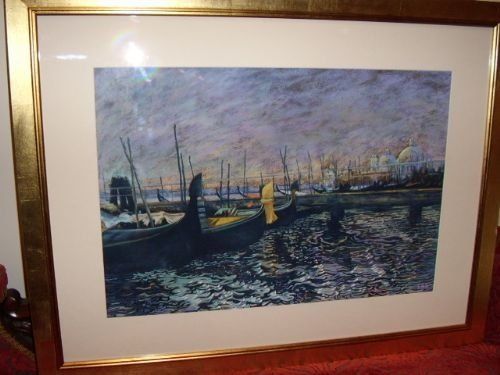
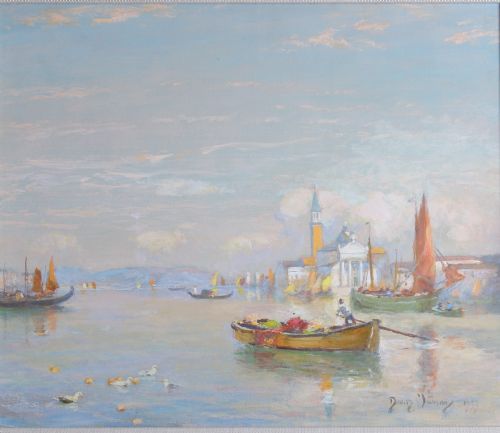
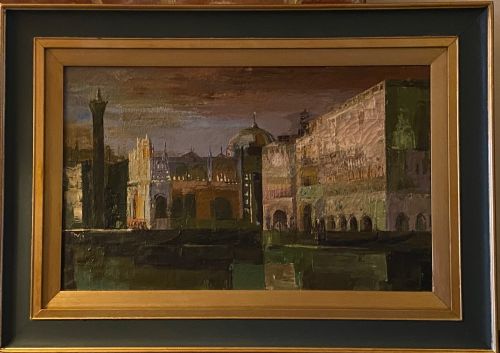
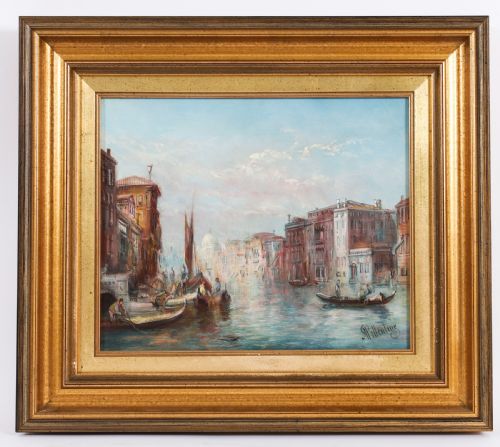
Vintage venetian artwork captures the light and canals of the lagoon through oils and watercolours spanning multiple centuries.
Vintage Venetian Artwork
Vintage venetian artwork comprises paintings and works on paper depicting the canals, architecture, and masked traditions of Venice. Buyers seeking vintage venetian artwork encounter pieces ranging from nineteenth-century watercolours to mid-century impressionist canvases.
The selections span eras including the Victorian period, the nineteenth century, and the twentieth century up to nineteen sixty. Canal scenes featuring landmarks like the Grand Canal and the Bridge of Sighs dominate the visual record.
Materials and methods
Painters utilised oil paint on canvas and board, alongside watercolours, pastels, and gouache on paper. Canvases frequently sit within gilded wood frames.
Artists applied brushwork characteristic of impressionism and expressionism to render light on water and stone.
Vintage Venetian Artwork Retail Price Guide 2026
Typical asking prices for vintage venetian artwork among the pieces listed under this phrase on Sellingantiques today, from the lower quarter to the upper quarter. They describe what is for sale here now, not the wider market.
Listings feature oil paint, watercolour, paper, canvas, and gilded wood across periods from the eighteenth century to nineteen sixty.
Assessing quality
Quality rests in the handling of atmospheric light and the precision of architectural perspective. Superior works capture the distinctive luminosity of the lagoon rather than relying on formulaic repetition.
The strength of the artist's brushwork and the condition of the pigments dictate the visual impact of each piece.
Alfred Pollentine·Antonio DeVity·Claude Jousset·Marc Aldine·Richard Geiger
The Vintage Venetian Artwork Glossary
- Giltwood
- Wood coated with gold leaf or a gold-coloured gilt finish. Frames of this material frequently accompany nineteenth-century oil paintings.
- Impressionism
- A style of painting emphasising unblended colour and accurate depiction of light. Many twentieth-century cityscapes adopt this approach.
- Gouache
- An opaque water-based paint used alongside pastels and ink to depict evening scenes.
- Watercolour
- Pigments suspended in a water-based solution applied to paper. It serves to render transparent washes of canal water.
Vintage Venetian Artwork: Frequently Asked Questions
How do I identify a nineteenth-century Venetian painting?
Examine the materials, stretcher bars, and framing techniques typical of the eighteen hundreds. Nineteenth-century works often employ traditional oil on canvas depicting established canal views.
Signatures and historical inscriptions on the reverse provide further clues to the origin and date.
Where should I hang a watercolour painting?
Display watercolours away from direct sunlight to prevent the fading of delicate pigments on paper. Framing behind glass protects the surface from atmospheric moisture.
Position pieces at eye level in rooms with stable humidity levels.
What subjects are common in these artworks?
Venetian cityscapes focus heavily on the Grand Canal, gondolas, and major architectural landmarks like the Santa Maria della Salute. Masquerades and commedia dell'arte figures also appear.
Artists frequently recorded specific viewpoints along the water.
How do oils differ from watercolours here?
Oil paintings utilise heavy pigment bound in oil on canvas or board, offering rich texture and depth. Watercolours apply translucent washes to paper for a lighter effect.
Both mediums capture the unique light of the Venetian lagoon through different technical approaches.