






Vintage Velvet Table
A vintage velvet table brings tactile warmth and period character to a room through plush textile surfaces and polished timber frames.
Vintage Velvet Table
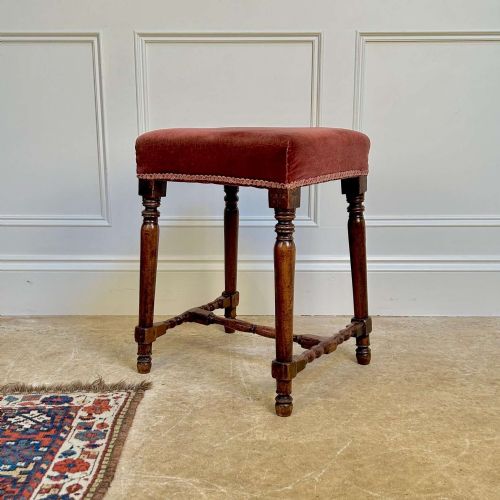
When searching for a vintage velvet table, buyers encounter small display furniture, footstools, and decorative stands from the nineteenth and early twentieth centuries. These pieces combine rich fabric surfaces with structural wood elements such as mahogany, walnut, and giltwood.
The selection on this page leans heavily towards Edwardian and Victorian examples, including bijouterie display tables, ottomans, and occasional seating. These items reflect the domestic tastes of past eras, where textile upholstery and polished frames created layered interior schemes.
How they were made
Craftsmen built the structural frames of these pieces using sturdy timbers like mahogany and walnut, often incorporating intricate carving or fine inlay work. Glass panels also appear on display variants to protect delicate items housed within.
Velvet and textile elements were applied as upholstery or decorative backing over padding or wooden substrates. This combination of timber joinery and soft fabric defines the physical construction of the pieces.
Vintage Velvet Table Retail Price Guide 2026
Typical asking prices for vintage velvet table among the pieces listed under this phrase on Sellingantiques today, from the lower quarter to the upper quarter. They describe what is for sale here now, not the wider market.
A travelling dressing case from the Regency era proves that past travellers insisted on absolute grooming luxury on the road.
What varies in quality
The standard of timber selection and the precision of cabinetmaking set exceptional examples apart from standard items. Finer pieces display superior carving, careful wood grain matching, and robust internal framing.
The preservation of the fabric and the quality of any glass or inlay work further distinguish superior specimens. Original upholstery and intact decorative details indicate a higher grade of craftsmanship.
Henry Matthews·Hille
The Vintage Velvet Table Glossary
- Bijouterie table
- A glass-topped display table designed to showcase small valuable items, often lined with velvet. These pieces were popular in the Edwardian and Victorian periods for exhibiting collections.
- Mahogany
- A durable, reddish-brown tropical hardwood frequently utilised for the frames of fine tables and seating. It provides a stable and polished structure.
- Ottoman
- A low, upholstered seat or footstool lacking a back or arms, frequently covered in velvet or tapestry. They served as comfortable footrests or casual seating in period rooms.
- Giltwood
- Timber that has been coated with gold leaf or gold paint to create a decorative, metallic finish. This technique appeared on ornate Victorian seating and decorative frames.
Vintage Velvet Table: Frequently Asked Questions
What is a vintage velvet table used for?
These items function primarily as decorative display surfaces or occasional furniture within living spaces and reception rooms. They add texture and colour while serving practical roles for holding small objects or providing extra seating.
Their compact forms allow them to fit easily beside armchairs or against walls in traditional and eclectic interiors.
How do I care for antique velvet?
Gentle brushing with a soft-bristled brush helps maintain the nap and remove surface dust without damaging the pile. Keeping these pieces away from direct sunlight prevents the fabric colours from fading over time.
Professional cleaning is advisable for deeper maintenance to preserve the integrity of older textiles.
How do I identify a Victorian piece?
Victorian items often feature darker timbers like walnut and mahogany, accompanied by heavier carved details or button-upholstered velvet. Construction methods from this era typically rely on traditional hand-cut joinery.
Stylistic cues such as Aesthetic Movement influences or heavy proportions also help indicate nineteenth-century manufacture.
Are these pieces suitable for daily use?
Sturdily built frames of hardwood mean many examples remain robust enough for gentle everyday placement in a home. However, fragile textiles or antique glass require thoughtful handling to preserve their condition.
Placing items away from heavy wear areas ensures the vintage velvet surfaces endure for years to come.