





Vintage Velvet Bench
These vintage velvet bench selections offer comfortable seating and period character, bringing tactile upholstery and traditional woodwork into a room.
Vintage Velvet Bench
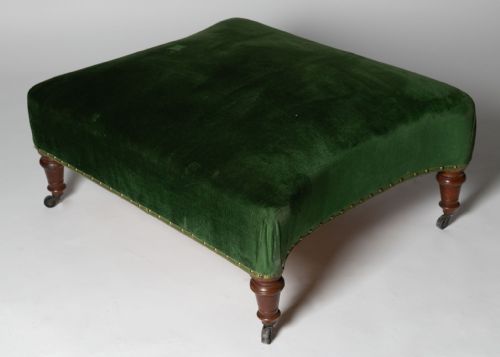
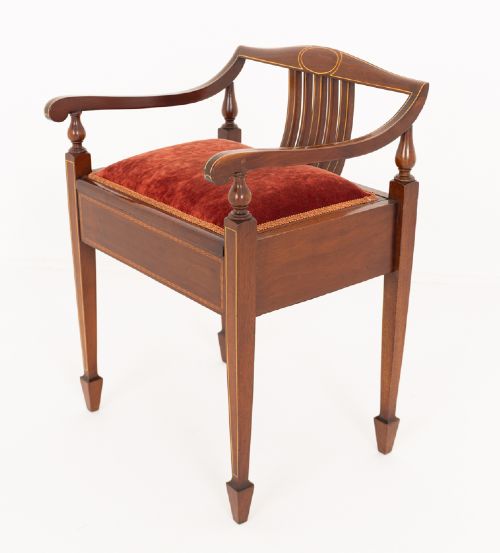
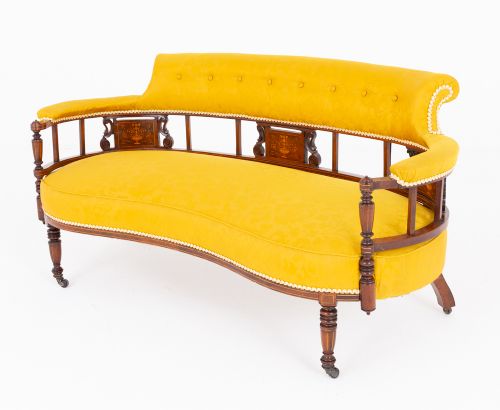
A vintage velvet bench encompasses a variety of seating forms, including piano stools, window seats, ottomans, and small settees. These pieces emerge from the nineteenth century through the early decades of the twentieth century, reflecting periods such as the Victorian and Edwardian eras.
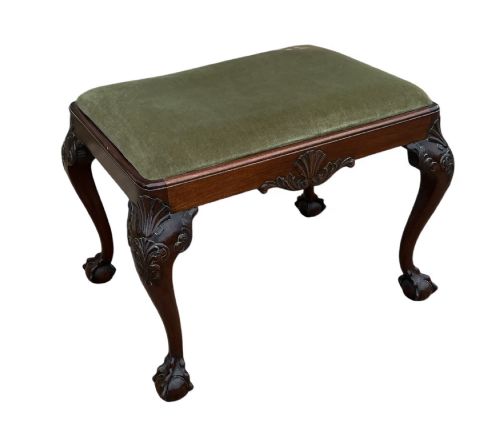
The most common iterations on this page are compact stools and salon settees that combine upholstered velvet seating surfaces with traditional timber frames. Makers across these periods adapted classic forms, producing everything from modest dressing stools to large window seats designed for country houses.
Objects range from simple mahogany piano stools to elaborate French walnut and giltwood day beds. Buyers select them to introduce functional seating with historical presence into living spaces, bedrooms, and hallways.
How they were made
Frames rely on dense hardwoods such as mahogany, walnut, rosewood, and fruitwood, often shaped through traditional carving or enriched with satinwood inlay and giltwood finishes. These structural timbers provide the necessary strength to support upholstered elements.
The characteristic soft texture comes from velvet upholstery, occasionally accented with details like buttoning or tassel trim. Artisans combined these piled textiles with sturdy wooden subframes using historical joinery techniques suited to each specific era.
Vintage Velvet Bench Retail Price Guide 2026
Typical asking prices for vintage velvet bench among the pieces listed under this phrase on Sellingantiques today, from the lower quarter to the upper quarter. They describe what is for sale here now, not the wider market.
Listings span the nineteenth and early twentieth centuries, uniting Victorian walnut frames with Edwardian mahogany and French revival styles.
What varies in quality
The standard of carving and timber selection distinguishes finer examples from simpler workshop output. Pieces featuring detailed woodwork, such as figured walnut or finely inlaid mahogany, demonstrate a higher level of cabinetmaking skill.
Structural integrity and the preservation of original frame materials determine the standing of an individual piece. Refined proportions and the thoughtful integration of velvet upholstery with period frames separate superior examples from standard utilitarian seating.
Hallett & Sons
The Vintage Velvet Bench Glossary
- Velvet
- A woven tufted fabric characterised by a dense pile that creates a soft surface. It provides the primary tactile finish for the upholstery seen across these pieces.
- Settee
- A small upholstered sofa designed for two or more people. These pieces often feature carved wooden frames and date from the nineteenth and early twentieth centuries.
- Piano stool
- A seat specifically built for use at a keyboard instrument, frequently constructed from mahogany or walnut. Many examples from this selection date to the Edwardian period.
- Inlay
- A decorative technique where contrasting materials like satinwood are inserted into depressions within the primary wood surface. It frequently appears on Edwardian furniture frames.
- Giltwood
- Timber that has been coated with a thin layer of gold leaf. This finish appears on decorative Victorian and French revival pieces.
Vintage Velvet Bench: Frequently Asked Questions
Where should I place a velvet window seat?
These long seats suit placement beneath living room or bedroom windows, providing a comfortable spot to sit while filling an otherwise empty architectural space.
Their compact proportions also allow them to function effectively at the foot of a bed or along a hallway wall.
How do I identify an Edwardian piano stool?
Edwardian piano stools typically feature light mahogany frames, often decorated with subtle satinwood inlay rather than heavy Victorian carving. They reflect the domestic interior styles popular around the start of the twentieth century.
Many of these examples combine practical height adjustments or storage compartments with the soft velvet upholstery characteristic of the period.
What is the difference between a settee and a day bed?
A settee functions primarily as an upright two-seater sofa with a defined backrest and arms, designed for sitting in salons or drawing rooms. Examples here range from plain walnut frames to ornate French styles.
A day bed or window seat often incorporates lower or more open ends, allowing a person to recline while maintaining a compact footprint within a room.
How do I care for vintage velvet upholstery?
Keep velvet upholstery away from direct sunlight to prevent the pile from fading over time. Gentle brushing helps maintain the direction and texture of the fabric.
Professional cleaning is recommended for deeper maintenance to preserve the delicate pile of the antique textile.