


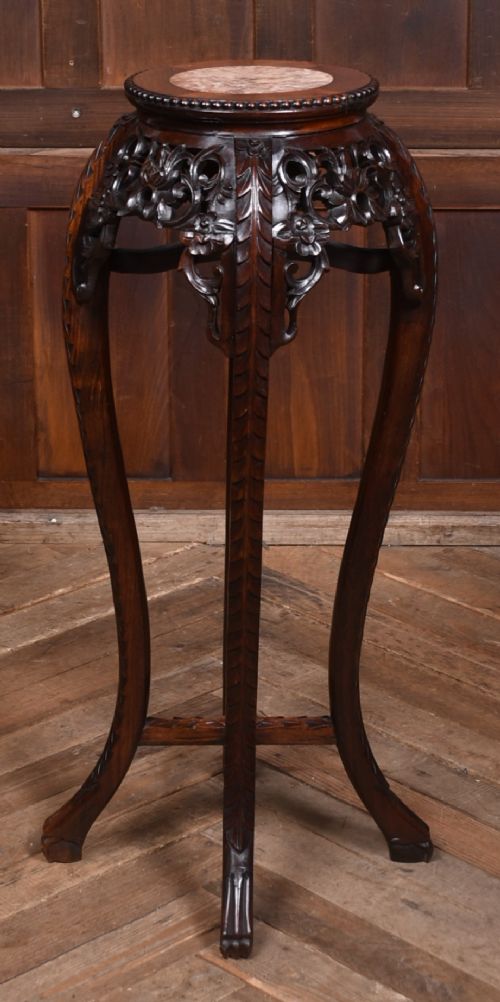


Vintage Vase Pedestal
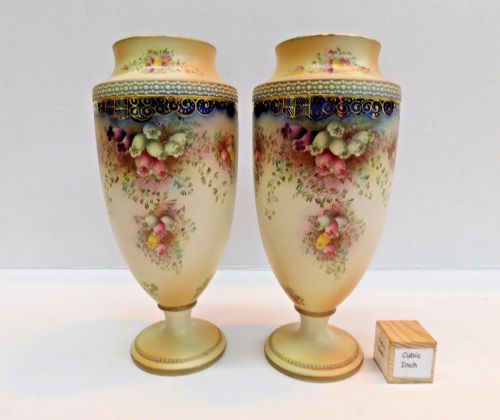
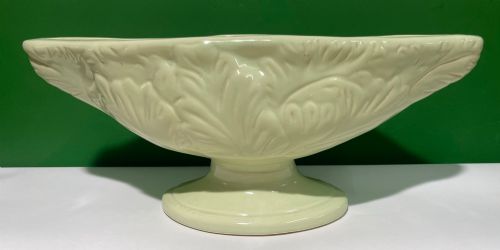
These vintage vase pedestal items unite classical display stands and raised vessel forms from the nineteenth and early twentieth centuries.
Vintage Vase Pedestal
A vintage vase pedestal brings together elevated display furniture and raised vessel forms designed to elevate botanical or ornamental displays. When you search for this phrase, you encounter a mix of sturdy plant stands in hardwood and cast iron alongside urns and vases mounted on pedestals or plinths.
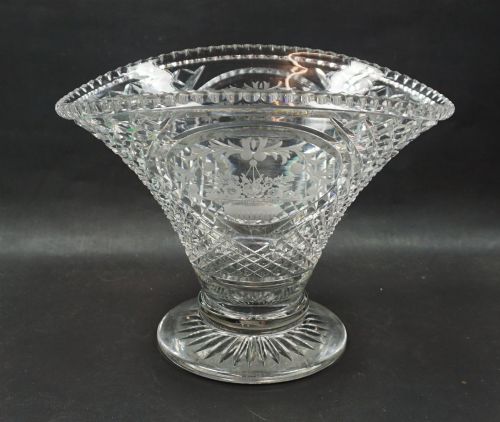
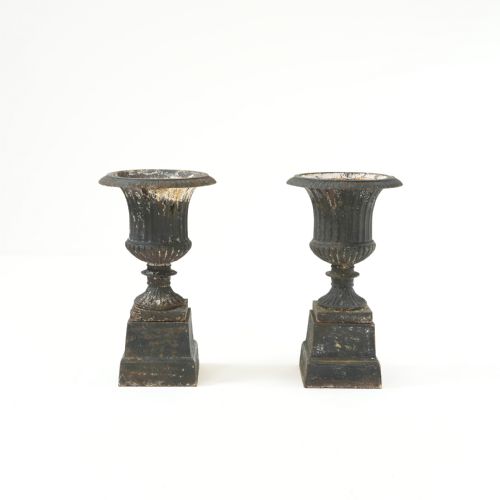
The selections span the Victorian, Edwardian, and Art Deco periods, drawing on Neoclassical, Chinese Export, and Chinoiserie styles. You will frequently find heavy cast iron garden urns and Chinese marble top stands sitting alongside porcelain ewers and cut glass vessels.
Materials and construction methods
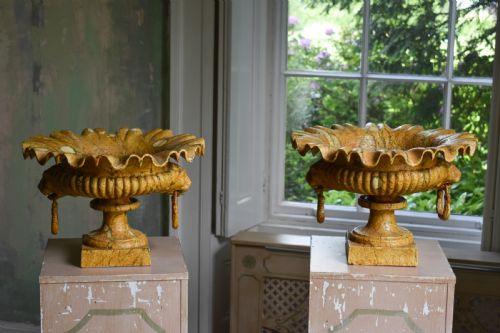
Cast iron and heavy hardwoods dominate the structural furniture and garden pieces, shaped through traditional casting and carving techniques during the nineteenth century. These materials provide the substantial weight required to support heavy urns and large plants securely.
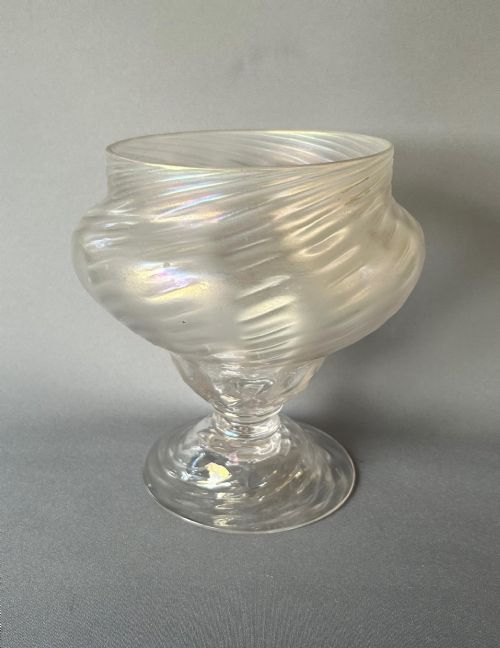
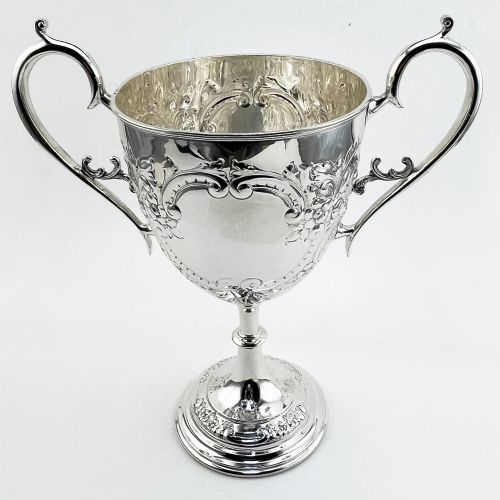
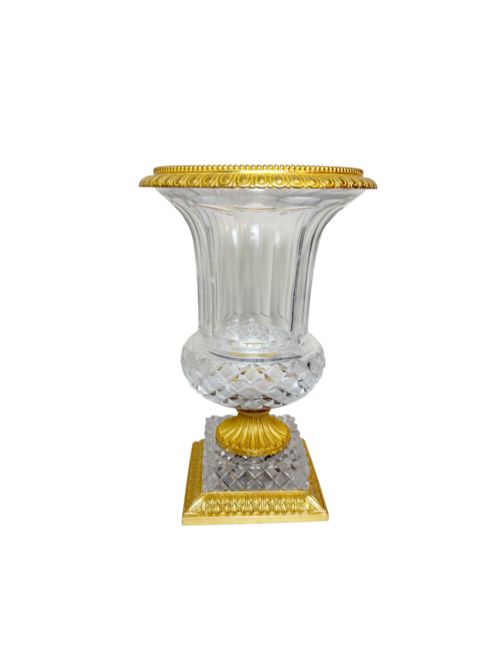
Glass and porcelain pieces utilise delicate hand-cutting, engraving, gilding, and enamel work characteristic of European factories and Asian workshops. Bronze trim, gilt mounts, and silver plating add metallic contrast to crystal and ceramic bodies.
Vintage Vase Pedestal Retail Price Guide 2026
Typical asking prices for vintage vase pedestal among the pieces listed under this phrase on Sellingantiques today, from the lower quarter to the upper quarter. They describe what is for sale here now, not the wider market.
Assessing quality and craftsmanship
The distinction between standard items and exceptional pieces lies in the crispness of surface detail, whether in the carving of hardwood plant stands or the cast definition of iron and bronze campana urns. Superior examples display careful hand-finishing and harmonious proportions between the vessel and its base.
Material purity and decorative execution set the finer glass and porcelain apart, evident in deep wheel-cut crystal patterns, precise cloisonné enamel work, and hand-painted artist signatures on ceramic bodies.
Coalbrookdale·Meissen·Royal Worcester·Webb England
The Vintage Vase Pedestal Glossary
- Campana urn
- A bell-shaped vessel with a flared rim and footed base, often cast in iron or bronze for display.
- Jardiniere
- An ornamental pot or stand designed to hold a plant or floral arrangement indoors.
- Cloisonné
- A decorative metalwork technique where enamel is applied within compartments created by soldered wires.
- Ewer
- A large jug with a wide spout and handle, frequently produced in porcelain or silver during the Victorian era.
- Plinth
- A heavy flat base or pedestal that supports a statue, urn, or vase.
Vintage Vase Pedestal: Frequently Asked Questions
How do I style a pedestal vase?
Place a tall campana urn on its matching plinth in a hallway or garden setting to create an immediate architectural focal point. Alternatively, position a smaller glass or porcelain pedestal vase on a side table to highlight cut flowers.
Ensure the weight of the vessel matches the stability of the surface beneath it, particularly with heavy cast iron and marble top items.
Can cast iron urns stay outside?
Heavy cast iron garden urns tolerate outdoor placement well, developing a stable weathered surface over time when exposed to the elements. You should check the interior drainage and protect vulnerable joints during freezing weather.
Indoor cast iron and bronze pieces lack this weather resistance and suit interior display only.
What is a plant or vase stand?
A plant or vase stand is a dedicated piece of furniture, such as a Chinese hardwood or marble top table, built specifically to elevate vessels and decorative objects. These items raise the visual weight of an arrangement to eye level.
They appear in various heights across the nineteenth and early twentieth centuries.
How do I date an antique urn?
Examine the casting seams, material composition, and decorative style to determine the era of manufacture. Victorian and Edwardian pieces often display distinct Neoclassical revival motifs or heavy moulded details.
Maker marks, signatures on porcelain, and wood types offer further clues to the precise decade of origin.