
Vintage Upholstered Arm Chair
A vintage upholstered arm chair brings comfortable seating together with period character, spanning styles from Victorian and Edwardian to Art Deco.
Vintage Upholstered Arm Chair
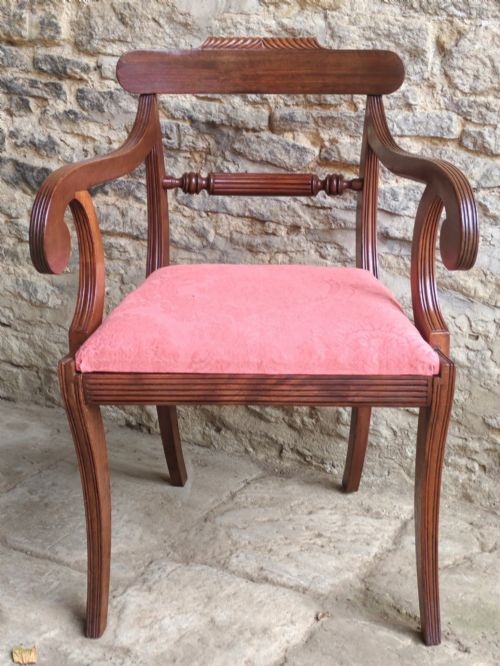
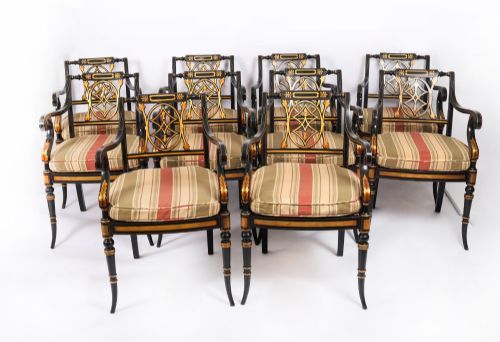
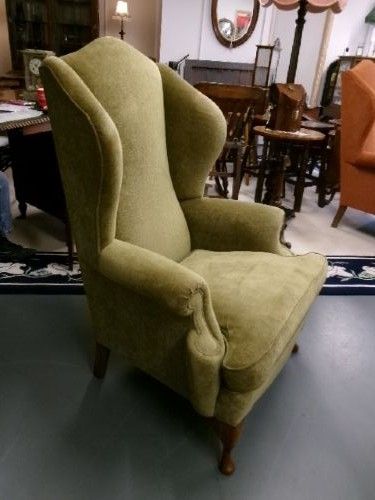
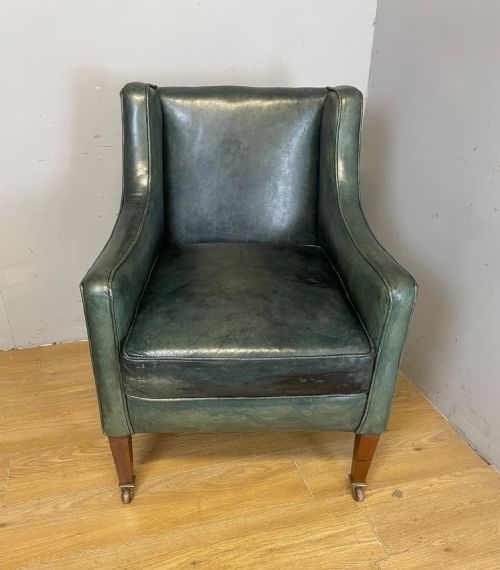
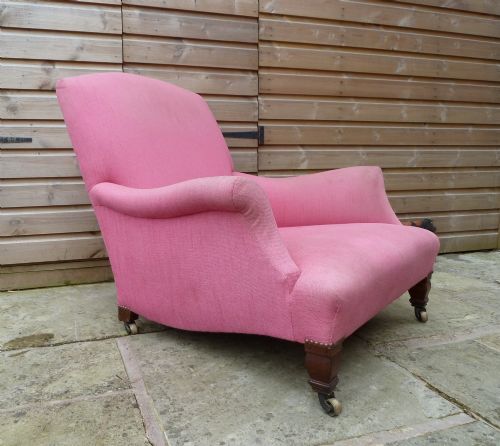
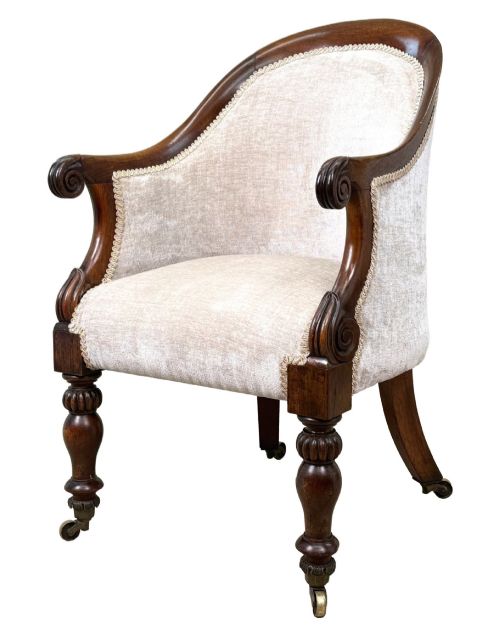
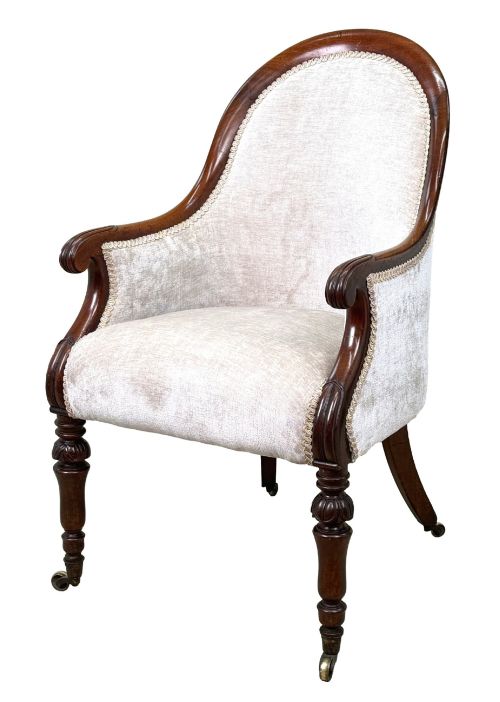
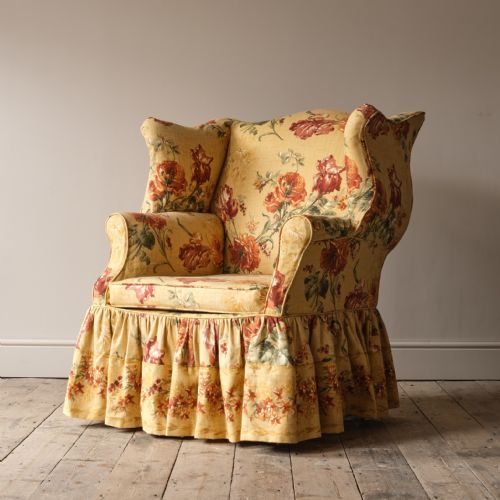
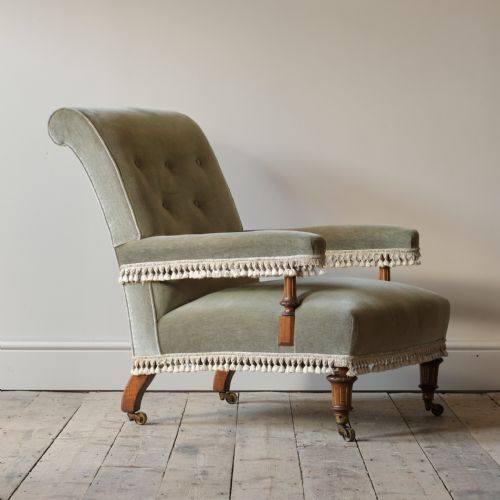
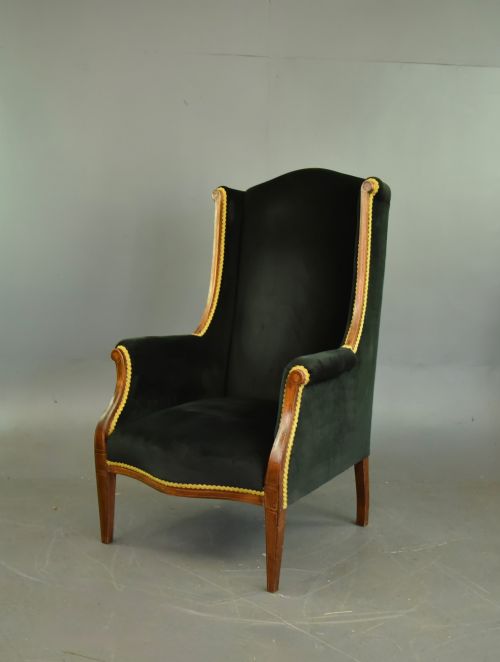
When you search for a vintage upholstered arm chair, you examine seating built across the nineteenth and twentieth centuries. The selection includes library armchairs, deep-seated lounge chairs, tub chairs, and wingback forms.
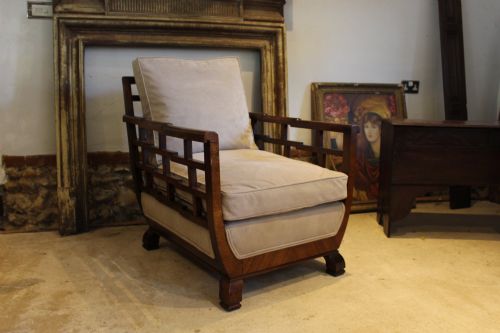
Victorian and Edwardian examples sit alongside pieces from the Regency period and the Art Deco era. Timelines range from the mid-nineteenth century up to the 1930s, reflecting diverse craftsmanship.
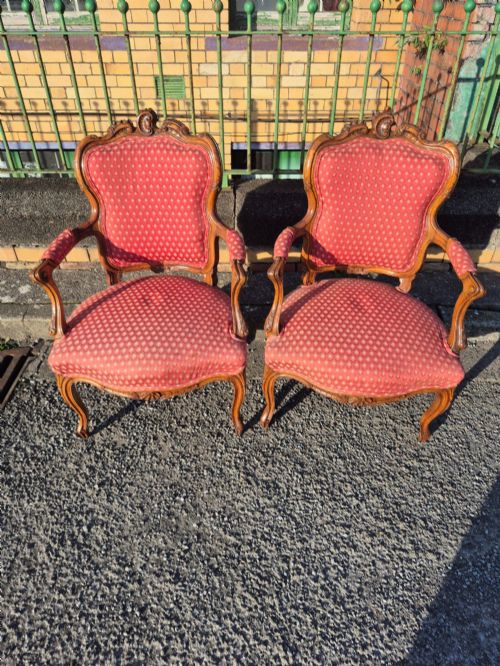
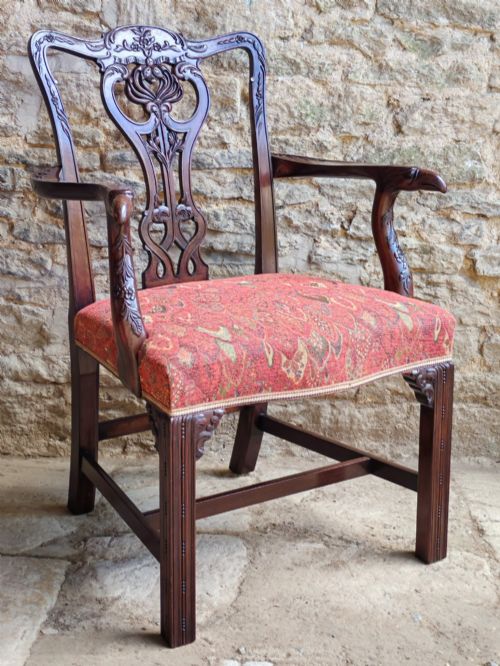
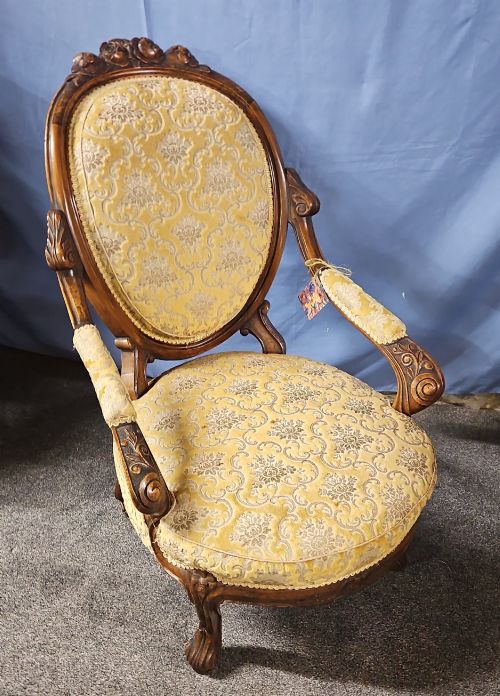
Walnut, mahogany, and rosewood frames appear frequently, paired with upholstery that includes leather, velvet, fabric, and calf suede. Many pieces display revival influences, including Chippendale, Queen Anne, and Louis XV styles.
Materials and construction
Frames rely on solid timbers such as mahogany, walnut, rosewood, elm, and oak, often shaped with hand-carved details or turned supports like barley twists. Woodwork is joined to support heavy daily use over generations.
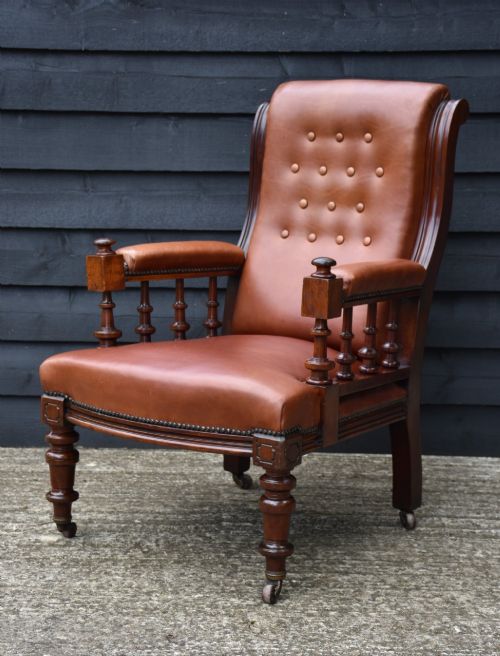
Upholstery materials range from supple leather and velvet to needlepoint panels and woven fabrics, secured over sprung or padded interiors. Brass accents and painted finishes appear on specific French and English variants.
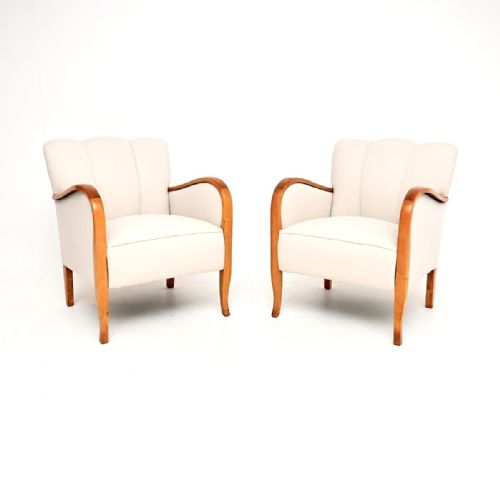
Listings span multiple eras, featuring materials from mahogany and walnut to velvet, leather, and satin birch across 19th-century and Art Deco periods.
Distinctions in standard
The standard of a vintage upholstered arm chair rests on the integrity of the timber frame and the precision of the carving or turning. Solid woods like mahogany and walnut provide superior durability compared to softer secondary timbers.
Finer examples retain original structural joinery and well-preserved decorative elements, while the execution of the upholstery work reflects the skill invested by the maker during its period of origin.
Howard and Sons·Gillows
The Vintage Upholstered Arm Chair Glossary
- Fauteuil
- An open-armed French armchair with an exposed wooden frame, typically dating from the eighteenth or nineteenth century. These chairs often feature carved woodwork and upholstered backrests and arm pads.
- Tub chair
- A curved armchair where the back rail flows continuously into the arms, enclosing the sitter. This compact form appears frequently in nineteenth-century library settings.
- Wingback
- An armchair with high sides attached to the back of the chair, designed to shield the sitter from drafts. Early examples date to the Georgian and Victorian periods.
- Bergère
- An enclosed armchair with upholstered sides, typically featuring cane or fabric panels set within a wooden frame. Edwardian and French examples utilise this classic construction.
- Carver
- An armchair designed to sit at the head of a dining table or to match a set of dining chairs. These pieces often feature open arms and substantial wooden frames.
Vintage Upholstered Arm Chair: Frequently Asked Questions
How do I date a vintage armchair?
Dating relies on identifying stylistic markers, timber types, and construction methods characteristic of specific periods like the Victorian era or Art Deco years.
Secondary details, such as turnings like barley twists or carved revival motifs, provide further clues to the decade of manufacture.
Are these chairs suitable for daily use?
Most antique and vintage armchairs are constructed from solid hardwoods like mahogany and walnut, making them sturdy enough for everyday seating.
Checking the internal webbing and padding ensures the chair offers adequate support for regular use in a modern home.
What is the difference between a library chair and a salon chair?
Library chairs generally feature robust timber frames in mahogany or leather upholstery, designed for substantial comfort and study.
Salon chairs tend to be lighter decorative pieces, often finished in walnut or gilt with delicate carvings suited for formal reception rooms.
How do I maintain leather upholstery?
Leather upholstery requires regular dusting and occasional conditioning to prevent the hide from drying out over time.
Keeping the chair away from direct sunlight and heat sources preserves the natural flexibility and colour of the material.